Why Affiliation Requires a Licence in Certain EU States?
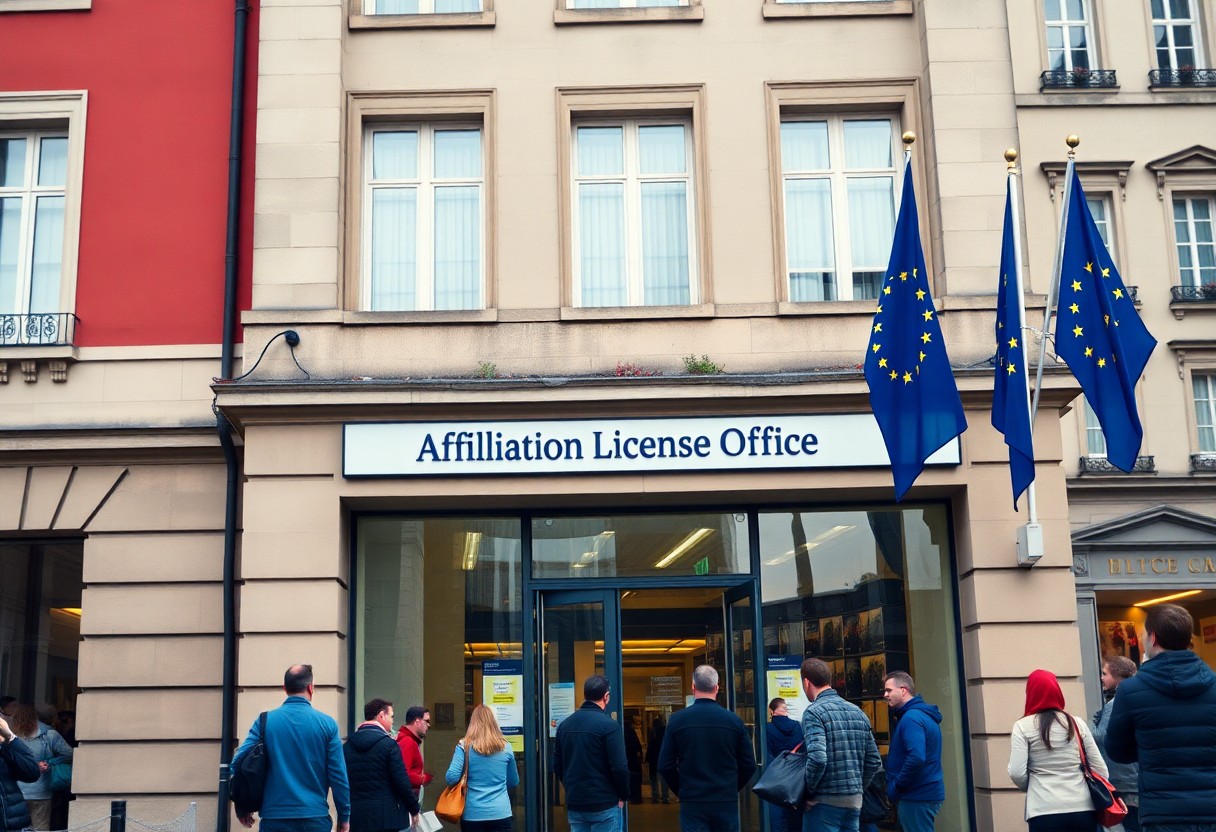
EU regulation mandates that specific types of affiliations necessitate licensing to ensure compliance with legal standards and protect consumers. These requirements vary among member states and often aim to enhance accountability, promote fair competition, and safeguard personal data. By enforcing licensing, authorities are able to monitor affiliate activities and mitigate risks associated with fraud, misinformation, and exploitation in digital marketing and online services. Understanding these regulations is vital for businesses operating in the EU landscape to maintain lawful practices and foster consumer trust.
Key Takeaways:
- Affiliation often involves financial transactions, requiring regulatory oversight to prevent fraud and protect consumers.
- Licensing ensures compliance with local laws and industry standards, promoting transparency and accountability within the affiliate marketing sector.
- Certain EU states impose licensing to align with their specific legal frameworks and to safeguard their economic interests.
Understanding Affiliation in the EU Framework
Definition of Affiliation
Affiliation refers to a formal association between two or more entities that collaborate for mutual benefit, often involving financial transactions or shared responsibilities. This relationship can manifest in various sectors, from marketing and distribution to finance and services, emphasizing cooperation under defined terms and regulations.
Significance of Affiliation in Business Operations
Affiliation enhances business operations by enabling companies to leverage resources, access new markets, and optimize sales strategies. Strategic partnerships can also augment brand visibility and consumer reach, providing competitive advantages in increasingly saturated markets.








The significance of affiliation extends beyond mere collaboration; data shows that businesses engaging in affiliate programs can see revenue increases of up to 30% annually. These partnerships allow for shared expertise and diversification of offerings, ultimately driving innovation and improving customer satisfaction. Moreover, companies can mitigate risks by aligning with established affiliates that possess market insights and consumer trust.
Overview of EU Legislation Concerning Licensing
EU legislation mandates licensing for various types of affiliations to ensure compliance with legal standards and industry practices. This framework includes regulations that govern financial transactions, consumer protections, and anti-money laundering measures to foster safe business environments.
The EU has established a comprehensive legal framework regarding affiliation licensing, with directives such as the Payment Services Directive (PSD2) and the Anti-Money Laundering Directive (AMLD), which dictate the licensing requirements for entities handling financial transactions. Compliance with these regulations not only protects consumers but also enhances the credibility of affiliated entities in the market. Companies must navigate this legal landscape diligently, as non-compliance can result in significant penalties and reputational damage.
The Regulatory Landscape Across EU States
Variations in Licensing Requirements
Licensing requirements for affiliate marketing vary significantly across EU states, reflecting differing regulatory approaches. Some countries, like Germany and Italy, impose stringent licensing processes that require extensive documentation and compliance, while others, such as Belgium, adopt a more relaxed stance. This inconsistency can lead to confusion for businesses operating across borders, impacting their operational strategies and legal compliance.
Key Factors Influencing Licensing Regulations
Several factors influence the licensing regulations for affiliate marketing across EU states, which can include economic considerations, consumer protection objectives, and the overall legal framework. The degree of market maturity also plays a role, as more developed markets often enforce strict regulations to ensure integrity and transparency. Political landscape and lobbying by local businesses can further shape these requirements.
- Economic stability and growth potential
- Consumer protection standards
- Existing regulatory frameworks
- Political environment and lobbying efforts
In addition to these factors, cultural attitudes toward online marketing and gambling-related activities can greatly affect the regulatory climate. For instance, some nations may prioritize stricter consumer safeguards, reflective of societal norms and past experiences with online fraud. Recognizing these nuances is necessary for affiliates navigating the various landscapes.
- Public sentiment on online marketing practices
- Historical context of market regulations
- Impact of EU directives on local regulations
- Engagement of industry stakeholders in policy-making
Examples of EU States with Strict Licensing Laws
Countries such as Sweden, the Netherlands, and the United Kingdom have established robust licensing requirements for affiliate marketers. These regulations often involve detailed applications, background checks, and adherence to strict operational guidelines to protect consumers and ensure fair trading practices.
In Sweden, for instance, affiliate marketers must obtain licenses that are tightly regulated, resulting in increased transparency and accountability in the industry. The Netherlands has similarly stringent requirements, necessitating compliance with both national and EU regulations, reflecting a commitment to consumer protection and market integrity. Recognizing these examples can assist businesses in aligning their practices with regional legal demands.
The Rationale Behind Licensing Requirements
Ensuring Consumer Protection
Licensing requirements serve to safeguard consumers by ensuring that affiliates adhere to high standards of conduct. Transparent practices are mandated, requiring affiliates to provide clear, truthful information about the products or services being promoted. This helps prevent deceptive advertising tactics that could mislead consumers, thereby fostering trust in the marketplace.
Preventing Fraud and Abuse
Fraud and abuse can severely undermine the integrity of affiliate marketing. Licensing helps to deter unauthorized activities by holding affiliates accountable to regulatory bodies. By requiring proof of legitimacy and compliance with industry standards, these regulations minimize the risk of scams that prey on unsuspecting consumers.
Moreover, the licensing framework allows for better traceability and oversight of affiliate activities. For instance, in certain EU nations, regulatory authorities can monitor affiliate networks for compliance, effectively shutting down fraudulent schemes before they gain traction. Such mechanisms ensure that affiliates operate transparently, ultimately protecting both consumers and legitimate businesses from the repercussions of fraud.
Regulating Market Competition
Market competition is necessary for innovation and fairness; licensing helps maintain a level playing field among affiliates. By establishing set criteria for participation, regulatory bodies can prevent unfair practices that may arise from unscrupulous affiliates using aggressive marketing tactics to dominate the market.
For example, in regulated jurisdictions, new affiliates must meet specific benchmarks relating to ethical marketing practices and financial transparency before entering the market. This not only enhances competition by ensuring that only credible affiliates are involved, but it also encourages all players to improve their practices, ultimately benefiting the consumer and the market ecosystem as a whole.
The Process of Obtaining a License
Essential Steps in the Licensing Process
Acquiring a license for affiliate marketing typically involves several key steps, including understanding the regulatory framework, submitting an application, and passing background checks. Applicants must also provide necessary information about their business operations and financial standing, which will be evaluated by the relevant authorities.
Documentation and Compliance Needs
Proper documentation is vital in the licensing process. Applicants are required to submit detailed business plans, proof of identity, financial statements, and compliance with local laws. Failure to provide accurate documentation can result in delays or denial of the license.
The documentation requirements vary by jurisdiction but generally encompass a comprehensive set of records that demonstrate the affiliate's operational integrity. This may include contracts with merchants, terms and conditions for affiliate partners, data protection policies, and evidence of past compliance with marketing regulations. Such thorough oversight ensures that affiliates operate transparently and ethically within the market.
Duration and Costs Involved in Obtaining a License
The timeframe and costs for license acquisition can differ dramatically, often ranging from a few weeks to several months. Fees associated with applications may vary based on the jurisdiction, the type of license, and any consulting assistance needed.
Implications of Non-Compliance
Legal Consequences of Operating Without a License
Operating without a license in certain EU states exposes affiliate marketers to severe legal repercussions, including potential lawsuits and operational shutdowns. Regulatory bodies can impose various legal actions based on national legislation, often leading to criminal charges in extreme cases.
Financial Penalties and Impact on Business
The absence of a proper license can result in hefty financial penalties that vary by jurisdiction. These fines can cripple small businesses while damaging cash flow, hindering growth, and discouraging potential investors.
Financial penalties can range from thousands to millions of euros, depending on the extent of the non-compliance and the specific regulatory framework in place. For example, a recent case in Germany saw an affiliate marketer fined €250,000 for operating without a license, which exemplifies the severe fiscal risks that come with non-compliance. Furthermore, ongoing operational restrictions may arise, limiting future revenue opportunities and leading to significant setbacks in business expansion plans.
Reputation Damage and Loss of Trust
Non-compliance can severely damage a company's reputation, leading to a loss of trust among consumers and partners alike. This erosion of credibility can have lasting effects, as businesses may find it challenging to regain their standing.
Loss of trust manifests not just in consumer hesitance but also in relationships with affiliate partners and brands. A firm that is publicly identified as non-compliant risks being blacklisted from reputable business networks, diminishing future collaboration opportunities. For instance, when an affiliate marketing entity in Spain faced public scrutiny for operating illegally, it resulted in a ripple effect where several partner companies severed ties, illustrating how quickly reputational trust can erode in such scenarios.
Future Trends in Affiliation Licensing
Potential Changes in EU Regulations
As the landscape of digital marketing continues to evolve, EU regulations surrounding affiliation licensing are likely to undergo significant transformations. Policymakers may introduce more standardized frameworks, aimed at harmonizing the licensing process across member states. This could lead to a more streamlined approach, reducing administrative burdens for affiliates while enhancing consumer protection measures within the industry.
The Impact of Digitalization on Licensing Requirements
The rapid advancement of digital technologies is reshaping the criteria for affiliation licensing. Increased automation and the use of AI tools are streamlining compliance processes, allowing affiliates to manage multiple markets more efficiently. Furthermore, digital platforms are pushing regulators to adopt more adaptive licensing models that can respond to the evolving online environment.
The move towards digitalization is not merely a trend but a necessity for compliance in an ever-competitive market. Affiliates are leveraging sophisticated software to track compliance in real-time, while regulators are utilizing technology to monitor affiliate activities more effectively. This digital shift enhances transparency and accountability, making it easier to meet licensing requirements across diverse EU states. Consequently, the barrier to entry could diminish, inviting a new wave of affiliates into the market.
Predictions for Cross-Border Affiliation Practices
Cross-border affiliation practices are expected to grow as digital markets become increasingly interconnected. As EU regulations evolve, affiliates may find new opportunities to operate across jurisdictions, benefiting from a broader audience reach. The establishment of unified licensing frameworks could facilitate smoother transitions for affiliates keen on expanding their footprint in multiple markets.
With advancements in technology and the potential for harmonized regulations, cross-border affiliation could see a surge in participants. This trend may lead to increased competition but also foster collaboration among affiliates, creating networks that optimize marketing strategies across various EU states. As legal barriers diminish, smaller affiliates will have greater access to larger markets, further transforming the landscape and pushing for more innovative partnership models within the EU.
To wrap up
So, the requirement for a license to operate an affiliation in certain EU states arises from the need to ensure compliance with regulatory frameworks designed to protect consumers, maintain market integrity, and uphold fair competition. These licenses serve as a mechanism for governments to oversee affiliate practices, preventing fraudulent activities and ensuring that businesses meet established standards. By regulating affiliations, these states can better manage tax obligations and enhance accountability within the industry, ultimately fostering a safer and more transparent marketplace.
FAQ
Q: Why do certain EU states require a licence for affiliation?
A: Certain EU states mandate a licence for affiliation to ensure compliance with regulatory standards, protect consumers, and maintain market integrity.
Q: What criteria must be met to obtain an affiliation licence in the EU?
A: To obtain an affiliation licence, applicants typically must demonstrate financial stability, comply with local regulations, and prove their ability to operate ethically within the market.
Q: How does having a licence benefit businesses engaging in affiliation?
A: Having a licence provides businesses with credibility, fosters trust with partners and consumers, and allows for legal operation within the market, preventing potential fines or legal issues.
Q: Are there penalties for operating without a licence in EU states?
A: Yes, operating without a licence can result in substantial fines, legal consequences, and the potential closure of the business in that particular state.
Q: What steps can businesses take to comply with affiliation licensing requirements?
A: Businesses can conduct thorough research on local regulations, seek legal advice, maintain accurate records, and ensure transparency in their operations to comply with licensing requirements.

Claire
A highly motivated, results-driven, enthusiastic and ambitious writer. I can offer you well researched and high-quality article writing on any topic for your website or blog and can as well re-write your existing web content.