Inside Gibraltar’s Post-Brexit Licensing Reality
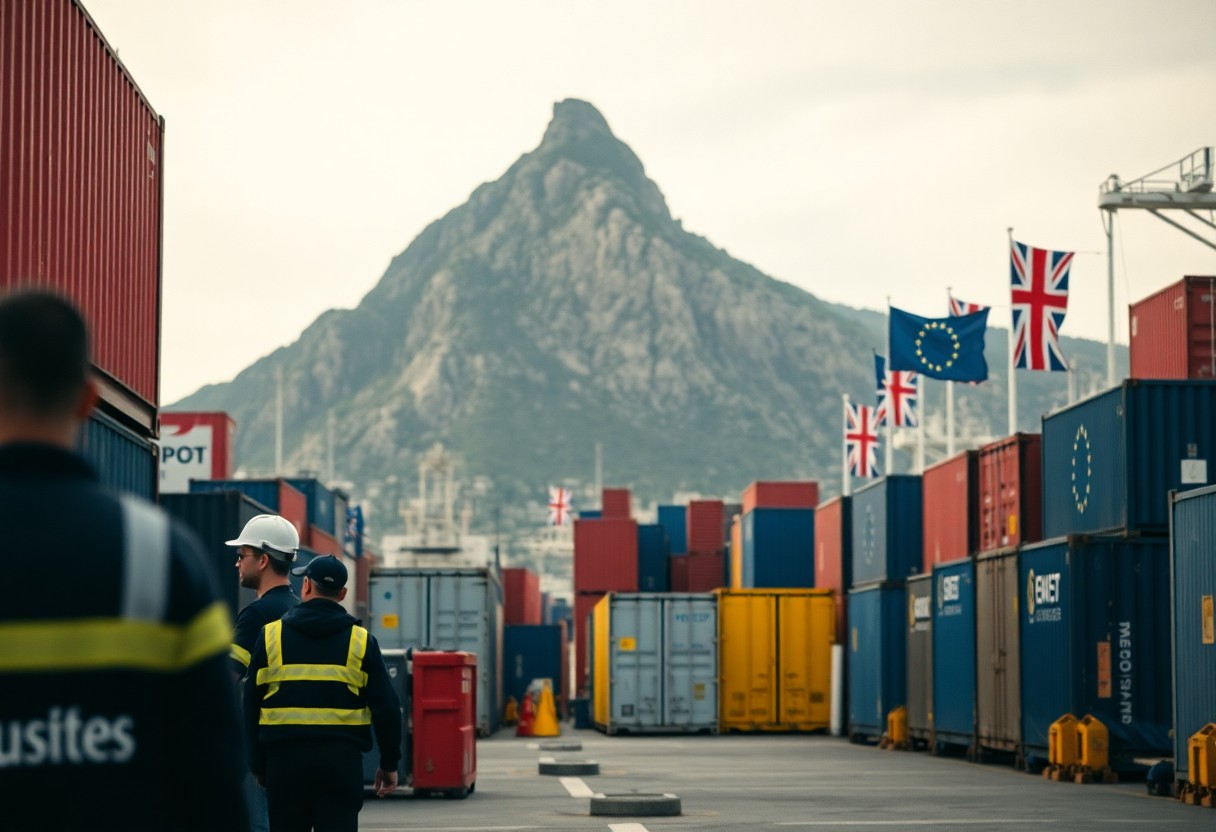
Just as Brexit reshaped the regulatory landscape across Europe, Gibraltar faces unique challenges and opportunities in its licensing environment. With its strategic location and strong ties to both the UK and the EU, Gibraltar must navigate a complex framework that balances local needs with international obligations. This post researchs into the implications of Brexit on Gibraltar's licensing processes, exploring how businesses can adapt to ensure compliance and capitalize on emerging prospects in this evolving landscape.
Key Takeaways:
- Gibraltar faces new regulatory challenges in financial services and gaming sectors post-Brexit.
- New licensing requirements impact businesses operating within EU markets.
- Companies must adapt to evolving compliance standards to remain competitive.
Overview of Gibraltar's Political Landscape
Historical Context of Gibraltar and Brexit
The history of Gibraltar as a British Overseas Territory has deeply influenced its political landscape, particularly in the context of Brexit. Its strategic location at the mouth of the Mediterranean has made it a focal point of British interests since the Treaty of Utrecht in 1713. The 2016 referendum resulted in a 96% vote for remaining in the EU among Gibraltarians, which has sparked ongoing discussions about sovereignty and access to European markets.
Post-Brexit Governance and Regulatory Changes
The aftermath of Brexit has necessitated significant adjustments to Gibraltar's governance framework. New licensing and regulatory compliance measures have been introduced, impacting various sectors from finance to gaming. The Financial Services Commission, for instance, has enhanced its scrutiny processes to align with international standards to maintain the territory's competitive edge.








These governance changes are evident in the implementation of new licensing regimes aimed at ensuring transparency and sustainability. The introduction of regulations regarding anti-money laundering and consumer protection are examples of how Gibraltar is adapting to both EU expectations and global financial industry standards. The territory has also been negotiating arrangements to secure market access, while prioritizing the need for robust regulatory oversight—autonomy that underscores its desire to uphold a jurisdiction known for its integrity and reliability in financial services.
Licensing Framework Changes
Overview of Pre-Brexit Licensing Regime
The pre-Brexit licensing regime in Gibraltar was characterized by a streamlined process heavily influenced by EU regulations. Businesses could operate within a unified market, benefiting from passporting rights that facilitated cross-border services across Europe. This environment fostered rapid growth in sectors like online gaming and fintech, as companies capitalized on Gibraltar's favorable tax structure and regulatory framework.
Key Modifications Post-Brexit
Post-Brexit, Gibraltar's licensing framework underwent significant changes, primarily due to the loss of EU passporting benefits. Regulatory authorities implemented new requirements to ensure compliance with international standards, including enhanced due diligence and stricter reporting obligations. These modifications aim to maintain Gibraltar's reputation as a reputable jurisdiction while adapting to the evolving regulatory landscape.
As a result of these changes, businesses must now focus on obtaining separate licenses for EU operations, which may involve more rigorous assessments. The introduction of bilateral agreements and collaborations with EU member states is becoming increasingly important to navigate the complexities of the post-Brexit landscape. Companies are adapting by diversifying their operations and aligning with international regulatory frameworks to ensure sustainability.
New Licensing Authorities and Their Roles
The establishment of new licensing authorities in Gibraltar signifies a shift toward a more localized regulatory framework. These entities are tasked with overseeing compliance, enforcing new standards, and facilitating communication between businesses and regulators. Their roles extend beyond traditional oversight to include strategic support for businesses adapting to post-Brexit realities.
With the onset of these new authorities, they are expected to enhance collaborative initiatives aimed at fostering innovation while safeguarding industry integrity. By working closely with the financial services and gaming sectors, these agencies will ensure that Gibraltar remains a competitive jurisdiction, reinforcing its commitment to stringent regulatory practices while nurturing a conducive business environment.
Economic Implications
Impact on Key Industries
The gaming and financial services sectors, pivotal to Gibraltar's economy, are facing significant shifts post-Brexit. With new licensing frameworks, businesses must adapt swiftly to comply with changing regulations. This has led to increased operational costs and the necessity for more robust compliance strategies, impacting profitability and market positioning.
Changes in Trade Relations
New trade relationships have emerged following Brexit, affecting Gibraltar's access to European markets. While its geographical location remains an advantage, the shift in customs regulations and trade agreements has prompted businesses to reevaluate supply chains, often leading to delays and increased costs.
The changing dynamics have also encouraged businesses in Gibraltar to seek alternative markets outside the EU for trade. As companies explore opportunities in regions like North America or Asia, they face the dual challenge of navigating different regulatory environments and forging new partnerships that can compensate for any potential loss of EU access.
Financial Services and Investment Opportunities
The post-Brexit era has transformed Gibraltar into a more appealing destination for investment in niche financial services. Innovative fintech startups are emerging, drawn by Gibraltar's favorable tax regime, and are capitalizing on the flexibility of new regulations to offer bespoke solutions.
This evolving landscape for financial services is not only attracting startups but also established firms looking for a foothold in a post-Brexit environment. The convergence of regulatory compliance and technological advancement offers a unique blend that enhances investment potential, while Gibraltar's agility in adapting to these changes positions it favorably against other jurisdictions looking to attract international capital.
Social Effects on Gibraltar
Population and Employment Trends
The post-Brexit landscape has shifted Gibraltar's population dynamics, with reports suggesting a potential decline in the workforce. Many cross-border workers from Spain, a significant part of the labor force, face uncertainties regarding residency and work permits, influencing employment trends and possibly leading to labor shortages in sectors like hospitality and services.
Impact on Daily Life and Community
Brexit has altered the fabric of daily life in Gibraltar, as increased border checks and travel restrictions have heightened anxiety and frustrations among residents. The once seamless commute for workers from Spain is now marred by delays, affecting not only job accessibility but also recreational cross-border activities that previously strengthened community ties.
This disruption is evident in local businesses that depend on cross-border patronage. Shops, cafes, and services report fewer customers from Spain, leading to decreased revenue and potential job losses. The changing ease of movement has created ripples of uncertainty within families divided by borders, challenging the close-knit community that Gibraltar has fostered over decades.
Educational and Cultural Consequences
Educational institutions in Gibraltar face challenges as potential students from Spain reconsider enrollments amid new bureaucratic requirements. Cultural exchanges, previously enhanced by open borders, are also strained, affecting events and collaborations that enriched Gibraltar's diverse heritage.
Schools that thrived on Spanish students' participation are adapting to fluctuating enrollments, which could impact funding and program availability. Moreover, cultural festivals and joint projects with Spanish entities have decreased, limiting opportunities for local artists and students to engage in broader cultural dialogues, thus impacting the vibrant multicultural identity of Gibraltar.
Legal Considerations
Legal Framework for Cross-Border Movement
The legal framework governing cross-border movement between Gibraltar and Spain has altered post-Brexit, impacting both individuals and businesses. New customs checks and regulations have been instituted, necessitating a thorough understanding of import/export laws. For instance, customs duties may apply where previously none existed, imposing additional costs on businesses reliant on the seamless flow of goods.
Changes in Immigration Policies
Gibraltar's immigration policies have experienced significant revisions since Brexit. The end of free movement between EU nations and Gibraltar has led to the introduction of new visa requirements for EU nationals. This shift complicates the process for both workers and tourists, impacting sectors dependent on cross-border labor.
These changes have particularly affected the many EU nationals who previously enjoyed the ease of mobility for work in Gibraltar. With the introduction of specific immigration criteria, workers from Spain and other EU countries must now apply for work permits. This has created delays and uncertainty, affecting industries like tourism and hospitality that thrive on international labor. Employers must adjust to these new regulations, often requiring sponsorship for foreign employees, adding an administrative burden that can impact recruitment and operational efficiency.
Compliance with New Licensing Laws
Businesses must familiarize themselves with the specific licensing requirements that have emerged and often undergo rigorous audits to ensure compliance. For instance, financial services firms are now required to demonstrate their operational frameworks meet both Gibraltar's regulatory standards and any EU directives that might still apply. Failure to comply can result in severe penalties, including operating bans—making it critical for companies to invest time in understanding these new regulations thoroughly to avoid disruptions to their services.
Future Prospects and Challenges
Predictions for Economic Growth
Forecasts indicate that Gibraltar's economy may experience gradual growth in the coming years, driven by its resilient financial services sector and a burgeoning online gaming industry. Analysts project a GDP increase of approximately 3-4% annually, supported by the establishment of new businesses and international partnerships that capitalize on Gibraltar's favorable tax regime.
Potential Obstacles Ahead
Despite optimistic economic forecasts, Gibraltar faces several potential hurdles, including regulatory changes and market access challenges post-Brexit. The need for continued trade negotiations and adjustments to licensing frameworks represents significant uncertainties that could hamper growth.
In particular, the evolving landscape of regulatory compliance may create barriers for businesses seeking to operate across borders. Heightened documentation requirements and the potential risk of trade tariffs could hinder the fluidity of goods and services between Gibraltar and the EU. Moreover, disruptions in workforce mobility may lead to talent shortages in key sectors, adversely affecting productivity and innovation.
Strategic Initiatives for Gibraltar's Development
To navigate these challenges and promote sustainable growth, Gibraltar is focusing on strategic initiatives such as enhancing digital infrastructure and fostering collaboration with EU partners. Investment in technology and education is prioritized to bolster the skills of the local workforce and attract foreign investment.
Implementing a robust innovation ecosystem is paramount for Gibraltar's development strategy. Initiatives include establishing tech hubs and incubators that provide support for startups, facilitating access to capital, and promoting networking opportunities. Coupled with targeted incentives for research and development, these efforts aim to position Gibraltar as a leading tech destination in the Mediterranean, thereby diversifying its economic base and enhancing resilience against external shocks.
To wrap up
From above, Gibraltar's post-Brexit licensing reality presents a unique landscape that blends regulatory challenges with opportunities for growth. The region's licensing framework is adapting to new trade dynamics and the need for compliance with both UK and EU standards. Stakeholders must navigate this evolving environment carefully, leveraging Gibraltar's advantages while addressing potential impediments. As aspects of its economy continue to shift, ongoing dialogue and strategic planning are imperative to ensure that Gibraltar remains resilient and competitive in the face of these changes.
FAQ
Q: What licensing changes occurred in Gibraltar after Brexit?
A: Post-Brexit, Gibraltar implemented a new licensing regime that requires businesses to adjust their operations to comply with UK and EU regulations, impacting sectors such as finance, gaming, and tourism.
Q: How has the licensing process in Gibraltar been affected by the UK's exit from the EU?
A: The licensing process has become more complex, with additional requirements for verifying compliance with both UK and EU standards, which has led to longer processing times for applications.
Q: Are there specific sectors in Gibraltar that have been more affected by the post-Brexit licensing changes?
A: Yes, sectors like online gaming and financial services have been significantly impacted, facing new regulatory requirements and the need for enhanced scrutiny in their licensing applications.
Q: What are the implications for businesses operating in Gibraltar due to new licensing requirements?
A: Businesses may experience increased operational costs due to compliance measures, potential delays in obtaining licenses, and the necessity to adapt to changing regulatory frameworks.
Q: How is Gibraltar positioning itself to remain competitive post-Brexit?
A: Gibraltar is focusing on developing a robust regulatory framework that aligns with international standards, promoting innovation, and attracting businesses through favorable tax policies and a skilled workforce.

Claire
A highly motivated, results-driven, enthusiastic and ambitious writer. I can offer you well researched and high-quality article writing on any topic for your website or blog and can as well re-write your existing web content.
Related Posts

Finland receives 75 applications for gambling licenses ahead of 2027 launch
September 25, 2026
BetComply strengthens compliance team with three experienced appointments
September 16, 2026

Blurify updates Openora with new iGaming licenses compliance checklist
September 9, 2026

ThrillTech receives AGCO Licence for Ontario
July 15, 2026