

















How Shell Companies Enable Gambling Payments

Over the years, gambling operators have increasingly turned to shell companies for payment processing to navigate the complex regulatory landscape and maintain discretion in financial dealings. These entities serve as intermediaries, providing a layer of anonymity that helps operators circumvent stringent banking laws and facilitate transactions in markets where gambling may be restricted or illegal. Understanding the motivations behind this practice reveals the challenges faced by the gambling industry and highlights the ongoing evolution of payment strategies in a highly scrutinized environment.
Understanding Shell Companies in Payment Processing
Before delving into the mechanics of shell companies in the gambling sector, it's imperative to grasp what these entities represent. Shell companies are typically created for various legitimate and illegitimate purposes, often characterized by their lack of substantial operational activity beyond holding assets or facilitating certain transactions. In payment processing, these entities can play a pivotal role by acting as intermediaries that help navigate complex banking regulations and avoid restrictions associated with the gambling industry.
Definition and Structure of Shell Companies
About shell companies, they are often established as legal entities that exist primarily on paper, without any significant physical presence or active business operations. These companies may serve as a façade for other business activities, and their structure usually includes minimal personnel and basic administrative functionalities. In the context of payment processing, the formation of shell companies allows gambling operators to establish a level of separation from direct financial transactions, thereby enhancing anonymity and reducing exposure to regulatory scrutiny.









Legal Framework and Regulatory Environment
Payment processing in relation to shell companies is heavily influenced by a complex legal framework that varies significantly across jurisdictions. Regulations governing gambling and financial transactions often present challenges for operators who may seek to exploit loopholes in the system. Shell companies can be used strategically to circumvent certain legal obstacles, facilitating a more fluid transfer of funds while mitigating the risks associated with compliance in the gambling industry.
Considering the dynamic nature of laws controlling gambling and financial activities, operators frequently adjust their strategies using shell companies as a means to ensure compliance while still engaging in the global market. The evolving legal landscape often creates opportunities for operators to leverage these entities as safe havens, navigating both local regulations and international banking relationships with greater ease. This adaptability contributes significantly to the operational agility of gambling enterprises in a tightly regulated industry.
The Role of Payment Processing in Online Gambling
Even as the online gambling industry continues to expand, the effectiveness of payment processing remains a fundamental component in sustaining player trust and operational efficiency. With millions of transactions occurring daily, operators need to ensure that deposits and withdrawals are seamless, secure, and compliant with various regulatory requirements. The choice of payment processing partner can significantly influence not only the user experience but also a gambling operator's ability to navigate the complex landscape of financial transactions associated with betting and gaming.
Beyond the straightforward exchange of money for services, payment processing in the online gambling sector involves additional layers of complexity due to varying regulations across jurisdictions. Therefore, the integration of advanced payment systems that can facilitate transactions across borders, currencies, and financial institutions is integral to maintaining operational success in this lucrative sector.
Traditional Payment Methods and Their Limitations
After examining the landscape of payment options available to online gamblers, it becomes clear that traditional methods such as credit cards, bank transfers, and checks come with their share of limitations. These methods can often be slow, cumbersome, and prone to transaction failures, primarily due to the stringent regulations that govern financial services in many jurisdictions. Additionally, players may face issues like chargebacks, which can jeopardize the financials of gambling operators, making them hesitant to rely solely on these conventional payment options.
Furthermore, traditional payment methods often struggle with the anonymity and privacy concerns that many players seek when engaging in online gambling. The digital nature of the industry often attracts individuals looking to protect their financial information, and credit card transactions or bank statements may expose a player's gambling habits. This concern over privacy has paved the way for alternative payment methods that offer both security and anonymity, thereby creating a demand for processes that can handle these needs effectively.
Payment Processing Challenges for Gambling Operators
Below the surface of payment processing in online gambling lies a multitude of challenges that operators face. One prevalent issue is the risk of fraud and chargebacks, which can lead to significant financial losses and damage reputations. Online gambling transactions may trigger scrutiny from banks that are wary of the industry's perceived risks, leading to higher rates of transaction declines and account freezes. As a result, operators must engage in constant monitoring of transaction activities to identify fraudulent behaviors while ensuring compliance with legal standards.
It is also important to consider the rapid evolution of technology and consumer preferences, which compel gambling operators to continually adapt their payment processing strategies. With an increasing number of players opting for cryptocurrency or e-wallet solutions, operators are challenged to integrate these options seamlessly while managing the volatility and regulatory implications associated with them. This need for versatility in payment processing not only complicates operational strategies but also increases costs associated with maintaining multiple systems to meet the diverse demands of the market.
Shell Companies as Payment Processing Solutions
Any financial system tied to the gambling industry faces complex regulatory environments and scrutiny from both governments and financial institutions. This is where shell companies become appealing as payment processing solutions. These vehicles can operate in jurisdictions with more lenient regulations, allowing gambling operators to circumvent restrictions that might exist in their home countries. Additionally, shell companies can provide a layer of anonymity and separation between the gambling operation and the payment processing activities, making it more difficult for authorities to trace financial flows directly back to the operators.
Benefits for Gambling Operators
On the surface, the benefits that shell companies offer gambling operators are numerous. First and foremost, they enable quicker transactions and the ability to process payments in a seamless manner, minimizing the downtime that can occur when operating under the constraints of more regulated banking channels. Moreover, shell companies often have established relationships with various payment processors and financial institutions, enhancing the efficiency of transaction approvals and settlements while reducing costs associated with transaction fees.
Risk Mitigation Strategies
Processing payments through shell companies offers gambling operators a strategic advantage in terms of risk management. By using these entities, operators can limit their exposure to financial institution rules that may not align with gambling activities or might pose higher compliance risks. This approach enables them to sidestep potential banking issues such as account closures or restrictions on fund flows that could impede their operations.
Operators also often implement a mix of compliance measures alongside the use of shell companies to ensure they are adhering to legal and regulatory standards. This could include regular audits, enhanced due diligence on transaction monitoring, and collaborating with legal advisors to stay informed about changes in regulations that might affect their operations. By maintaining a multifaceted strategy involving shell companies, gambling operators can navigate financial channels more effectively while reducing potential disruptions from regulatory challenges.
Common Shell Company Structures in Gambling
For many gambling operators, utilizing shell companies is a sophisticated strategy that facilitates various aspects of their business, including payment processing. One of the most prominent structures involves creating entities in offshore jurisdictions, which often boast favorable regulations and low tax rates. These jurisdictions, characterized by minimal oversight and strict privacy laws, serve as ideal locations for gambling firms to establish their operations, thereby shielding profits from higher taxation in their home countries. The allure of tax havens not only helps operators enhance their profit margins but also provides an environment where financial transactions can be conducted with increased discretion.
Offshore Jurisdictions and Tax Havens
One of the primary attractions of offshore jurisdictions is the significant tax benefits they offer to gambling operators. Countries like Malta, Gibraltar, and the Isle of Man have developed a reputation as safe havens for online gaming companies, enabling them to operate without facing the same tax burdens imposed in other regions. The regulatory frameworks in these locations often provide a streamlined licensing process that allows operators to launch their businesses swiftly. Furthermore, such environments typically offer a degree of confidentiality, reducing the likelihood of government scrutiny and enhancing the operators' ability to manage financial flows effectively.
Multi-layered Corporate Networks
Before venturing into the world of gambling, many operators establish multi-layered corporate networks that consist of multiple shell companies, often spread across several jurisdictions. This intricate setup is designed to obfuscate the true nature of financial flows and ownership, providing a protective layer against regulatory oversight. By establishing a chain of companies, operators can divert funds through various entities before reaching their ultimate destination, further complicating the tracing of transactions and making it challenging for authorities to monitor suspicious activities.
Even more beneficially, these networks can facilitate the movement of funds across borders without attracting undue attention. Each layer in the corporate structure serves a specific purpose, whether it be to limit liability, mitigate tax obligations, or enhance operational flexibility. This complexity allows gambling operators to exploit legal loopholes while navigating the intricacies of international finance, positioning them advantageously in a highly competitive market. The strategic design of these networks underscores the importance of effective payment processing and the need for operators to maintain robust systems that cater to both compliance and profitability.
Regulatory Compliance and Risk Management
Not all gambling operators possess the resources or expertise necessary to navigate the complex landscape of regulatory compliance and risk management. This often leads them to utilize shell companies that are better equipped to manage these challenges. By outsourcing their payment processing operations to these specialized entities, gambling operators can focus on their core business activities while ensuring they remain compliant with the various international regulations governing the gambling industry, such as financial transparency and consumer protection laws. Shell companies can operate in jurisdictions with more favorable regulatory environments, thereby offering an added layer of convenience and efficiency in compliance efforts.
KYC and AML Requirements
For gambling operators, Know Your Customer (KYC) and Anti-Money Laundering (AML) regulations are fundamental requirements designed to prevent illicit activities within their platforms. Shell companies often have streamlined processes for implementing these requirements, allowing them to conduct thorough identity verification and monitoring quickly. This is particularly important in the gambling sector, where the risk of money laundering and fraud is significantly heightened. By using a shell company, operators can alleviate some of the burdens related to these regulations while benefiting from the expertise of firms that specialize in meeting KYC and AML standards.
Transaction Monitoring Systems
Regulatory authorities mandate robust transaction monitoring systems to identify suspicious activities and mitigate risk effectively. These systems are crucial for maintaining compliance and ensuring the integrity of financial operations within gambling platforms. Shell companies typically have established protocols and technologies in place to oversee transaction data rigorously, which can be more efficient than building such infrastructures from scratch in-house. By leveraging these systems, gambling operators can enhance their ability to flag unusual patterns, thereby reducing the likelihood of being implicated in criminal activities.
Management of transaction monitoring systems requires ongoing vigilance and adaptation to emerging trends and threats. These systems not only analyze transactions in real-time to detect anomalies but also generate reports for further investigation when necessary. Effective management ensures that all data is accurately logged and actionable insights are derived, enabling operators to respond swiftly to potential issues. As regulations evolve, it is important for these monitoring systems to be updated frequently, allowing operators to stay ahead of compliance requirements while safeguarding their operations against fraudulent activities.
Industry Impact and Market Dynamics
To understand the implications of gambling operators relying on shell companies for payment processing, it is important to analyze how this practice shapes the competitive landscape and market access. The need for anonymity and flexible financial solutions can lead operators to form or utilize shell companies, enabling them to navigate complex regulatory frameworks. By operating through intermediate entities, gambling operators can expand their reach into new markets that may have restrictive banking regulations, thereby elevating their competitiveness. This practice might create a perception of regulatory ambiguity, but it also allows operators to better position themselves against potential rivals who adhere strictly to traditional payment processing methods.
Competition and Market Access
At a time when more jurisdictions are considering or have already legalized online gaming, the use of shell companies provides operators with an agile approach to navigate the varying compliance landscapes across regions. These companies can act as buffers, absorbing some of the risks associated with fluctuating regulations and market entry obstacles. Consequently, this strategy can enhance service availability while providing a competitive edge, attracting customers who prefer secure and efficient transaction options.
Financial Implications for Operators
Competition among gambling operators often leads to innovative financial strategies, and the use of shell companies is no exception. This practice can result in lower transaction costs and reduced fees, as shell companies often negotiate better rates due to their perceived operational efficiency. By streamlining payment processing through these entities, operators can optimize their profit margins while simultaneously offering more attractive options to their clientele.
This reliance on shell companies for payment processing also presents operators with potential tax advantages and risk mitigation opportunities. By establishing operations in jurisdictions with favorable tax regulations, they can enhance profitability while navigating regulatory risks more effectively. However, this approach can lead to scrutiny and increased pressure from regulators, hinting at a delicate balance between maximizing financial benefits and ensuring compliance. If not managed properly, the allure of improved financial structures could lead to complications that may offset the initial advantages gained from such strategies.
To wrap up
As a reminder, gambling operators often turn to shell companies for payment processing due to various operational advantages. These entities enable a layer of anonymity, reducing the risk of regulatory scrutiny and potential legal ramifications that may arise within the gambling sector. By utilizing shell companies, operators can navigate obstacles related to compliance and cross-border transactions, particularly in jurisdictions where gambling regulations are stringent or unclear.
Moreover, shell companies can assist in circumventing financial restrictions and providing users with a seamless payment experience. This not only enhances customer satisfaction but also allows gambling operators to maintain a competitive edge in a crowded marketplace. Although this practice raises ethical and regulatory questions, the financial benefits and flexibility it offers make it an attractive option for those in the gambling industry seeking efficient payment solutions.
FAQs
What are shell companies in payment processing?
Shell companies are entities with minimal or no active business operations, often used as intermediaries to facilitate financial transactions while maintaining anonymity.
Why do gambling operators use shell companies for payments?
Gambling operators use shell companies to navigate regulatory restrictions, enhance anonymity, and ensure seamless payment processing in restricted markets.
Are shell companies legal in online gambling?
While shell companies can be legally established, their use in online gambling payment processing can raise compliance issues depending on jurisdictional regulations.
How do shell companies help in financial transactions?
They act as intermediaries between gambling platforms and financial institutions, reducing the risk of transaction rejection and regulatory scrutiny.
What risks do gambling operators face when using shell companies?
Risks include legal repercussions, regulatory crackdowns, increased scrutiny from financial institutions, and potential loss of banking relationships.
Which jurisdictions are popular for shell companies in gambling?
Common jurisdictions include Malta, Gibraltar, the Isle of Man, and offshore tax havens with lenient financial regulations.
How do payment processors detect shell company usage?
Through enhanced due diligence, transaction monitoring, and compliance checks under Anti-Money Laundering (AML) and Know Your Customer (KYC) regulations.
What alternative payment methods do online casinos use?
Besides shell companies, online casinos utilize cryptocurrencies, e-wallets, prepaid cards, and other fintech solutions to process payments.
How do shell companies impact the gambling industry?
They allow operators to expand into restricted markets but also contribute to regulatory scrutiny and evolving compliance measures.
Will future regulations restrict the use of shell companies?
As financial transparency laws tighten globally, regulators are likely to impose stricter oversight on shell company usage in gambling payments.

Esther
I am a professional writer with 8 years of experience in this field and I can provide you with the best-written content you can find. Education B.A. - English, George Washington University, United States, Graduated 2011.
Related Posts
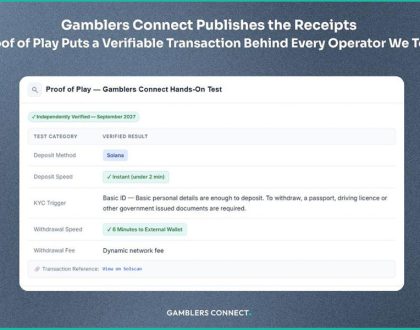
Gamblers Connect launches Proof of Play for transparent operator reviews
September 21, 2026

Germany’s gambling blocking system struggles with obvious targets
September 19, 2026
Gambling Commission reports growth across Great Britain’s gambling market
September 18, 2026
BetComply strengthens compliance team with three experienced appointments
September 16, 2026

Blurify updates Openora with new iGaming licenses compliance checklist
September 9, 2026

GGL gambling enforcement raises questions over licence transparency
September 7, 2026

German gambling safeguards face test over cash-funded betting wallets
September 3, 2026


Estonia reviews gambling tax cut ahead of 2027 state budget
August 28, 2026