







Bribery Scandals Raising Risks for Investors
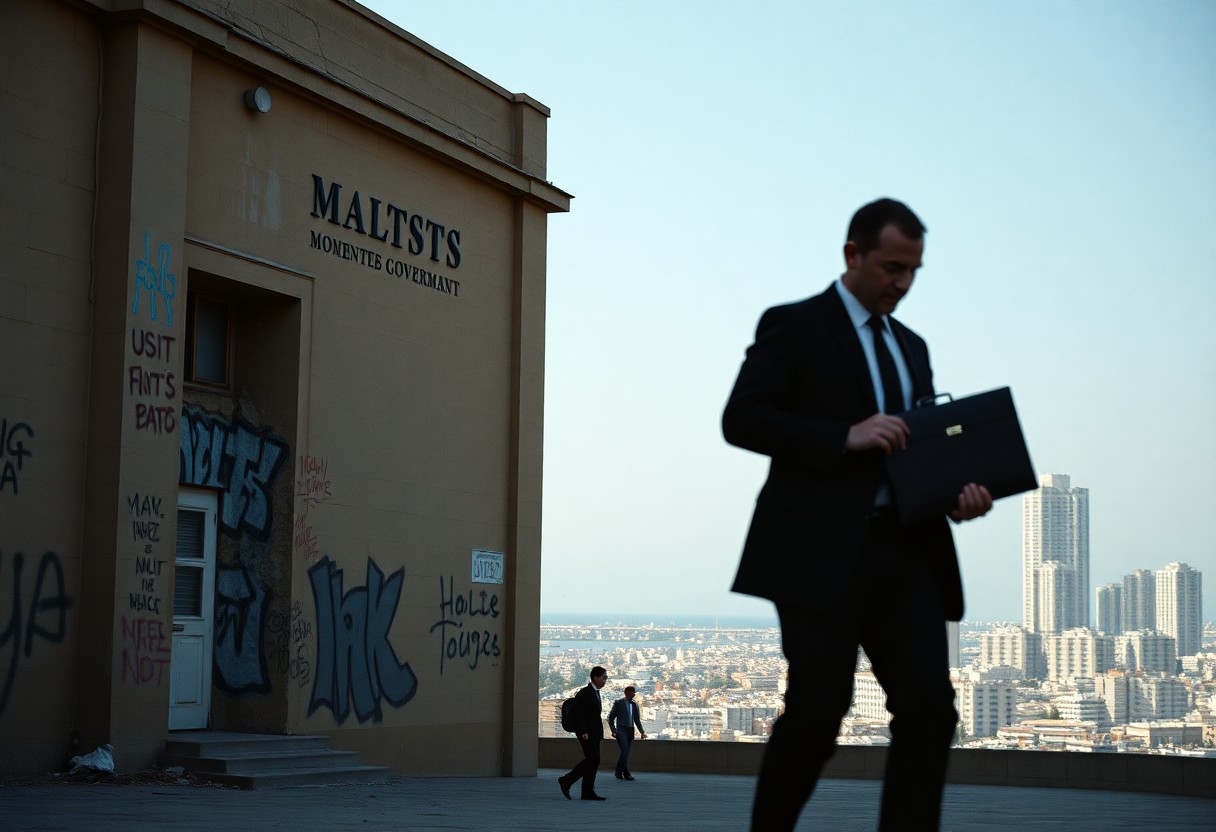
There's a growing concern among potential investors regarding Malta's reputation, shaped significantly by a series of bribery scandals that have surfaced in recent years. These incidents not only reflect poorly on the nation's governance but also create an environment where corruption may lurk within the business landscape. As policymakers scramble to address these issues, the associated risks—such as regulatory instability and potential legal repercussions—raise serious questions about the overall safety and reliability of investing in Malta.
Historical Context of Corruption in Malta
Amidst its quaint landscapes and rich history, Malta has faced a persistent struggle with corruption that has roots reaching deep into its political landscape. Following its independence in 1964, Malta's political sphere became a breeding ground for favoritism, nepotism, and unethical practices, significantly fueled by partisan divisions. Over the decades, various government administrations have succumbed to allegations of corruption in various forms, from misappropriation of funds to conflicts of interest, undermining public trust and raising red flags for would-be investors.
The pattern of corruption in Malta has often been perceived as systemic, with an infrastructure that appears to support, rather than mitigate, corrupt activities. The lack of robust accountability measures and the tendency for political elites to shield one another from scrutiny have cemented a culture where questionable dealings can flourish. This historical context provides a backdrop for understanding the persistent bribery scandals that have plagued the nation in recent years, marking Malta as a complex environment for business engagement.







Notable Bribery Cases and Political Scandals
After gaining international attention, several bribery cases have illuminated Malta's corruption problem, highlighting the extent of political misconduct. One of the most infamous scandals is the assassination of journalist Daphne Caruana Galizia in 2017, which followed her investigative work into the Panama Papers and various high-profile politicians allegedly involved in illicit activities. Her murder sparked outrage and demands for accountability, revealing the dangerous intersection of corruption, media freedom, and political crime within the Maltese context.
Another significant case involves revelations about former Prime Minister Joseph Muscat's government allegedly facilitating the sale of citizenship to wealthy individuals in exchange for significant investments. The resulting backlash led to widespread protests and eventually Muscat's resignation. These scandals have played a pivotal role in shaping public discourse around corruption in Malta, not only detailing the extent of illicit dealings but also exposing the systemic failures within a government that has struggled to maintain integrity.
Impact on Malta's International Reputation
With mounting evidence of corruption and the prevalence of political scandals, Malta's international reputation has suffered considerably. As potential investors scrutinize jurisdictions for stability and ethical governance, Malta has unwittingly placed itself under the microscope. Global observers have raised concerns regarding the country's regulatory environment and governance, with the European Union and other international entities calling for reforms to restore credibility and trust.
International stakeholders have become increasingly wary of Malta as a destination for investment. The perceived association of the Maltese government with corrupt practices has led to a cautious approach from foreign companies and investors, who may now consider the risks of engaging in a market fraught with political uncertainty and allegations of malpractice. Economic growth and development prospects are at stake as Malta's ability to attract and retain foreign investments directly hinges on its efforts to clean up its political landscape.
Regulatory Framework and Enforcement
The regulatory framework in Malta is designed to combat corruption and promote transparency; however, the execution and enforcement of these rules often fall short. Various laws aimed at curbing bribery and enhancing corporate governance exist, yet their effectiveness has been tested by numerous high-profile scandals. The perception of inadequate enforcement creates an environment of uncertainty for investors who depend on a consistent legal framework to protect their interests and investments. This incongruence between regulatory intent and practical application could deter potential investors wary of engaging in a market where the influence of corruption remains palpable.
Anti-corruption Laws and Their Implementation
By establishing anti-corruption laws, Malta aims to reside within a landscape of ethical business practices; however, the reality of their implementation often leads to skepticism. While legal provisions exist to combat bribery, concerns about rigorous enforcement have surfaced. In the face of corruption allegations involving prominent politicians and officials, the public's trust in these laws diminishes, signaling a broader issue with the integrity of the enforcement mechanisms. For investors, the lack of confidence in the application of these laws may deter them from committing capital to the Maltese market.
Effectiveness of Oversight Bodies
The effectiveness of oversight bodies is paramount in ensuring that anti-corruption laws are adequately enforced. However, reports suggest that many of these entities face challenges, including a lack of resources and political will, hampering their capacity to function effectively. Consequently, the public and potential investors may question the reliability of these bodies in upholding accountability and transparency when it comes to high-profile corruption cases that involve significant stakeholders.
Their limited ability to transparently investigate and take action against corruption fosters an environment where unethical practices can thrive. This ineffectiveness not only compromises the integrity of the regulatory framework but also raises significant red flags for investors looking for a stable and fair market. With oversight entities struggling to perform their roles, the risks associated with investing in Malta increase, rendering the environment less appealing for those seeking secure and reputable investment opportunities.
Investment Climate Analysis
Some investors may find Malta appealing due to its strategic location and favorable tax regime. However, the pervasive bribery scandals that have emerged in recent years significantly taint the nation's investment climate. The intertwining of politics and business has created a landscape where corruption can distort fair competition, raising concerns among both current and potential investors. As a result, the overall trust in the legal and regulatory framework has been undermined, prompting many to think twice before committing funds to the Maltese market.
Foreign Direct Investment Trends
An analysis of Foreign Direct Investment (FDI) trends in Malta reveals a mixed landscape. Although the nation has historically attracted a fair amount of FDI due to its comprehensive service offerings and favorable tax structures, recent bribery cases have begun to shift investor sentiment. Reports of corruption have led to a decline in investor confidence, evidenced by waning interest in sectors like real estate and finance, which were once hotspots for foreign investment.
Risk Assessment for International Investors
Beside the immediate implications of bribery scandals, a thorough risk assessment is necessary for international investors looking at Malta. The potential for corrupt practices to influence regulations and contract awards poses significant risks that can affect returns on investment and overall business operations. Investors must consider the likelihood of detours through bureaucratic obstacles that could arise from these corruption allegations, as well as the associated reputational risks of engaging in a market where unethical practices may be prevalent.
Investors should take a comprehensive approach to evaluating these risks by analyzing not only the political landscape but also the broader economic framework within Malta. Engaging local legal advisors and conducting in-depth market research can provide further insights into navigating this complex business environment. Drawing on these resources can assist in making informed decisions while managing the potential fallout from an unstable investment climate prone to corruption-related challenges.
Financial Services Sector Vulnerabilities
For potential investors, Malta's financial services sector poses significant vulnerabilities that warrant careful consideration. The intertwining of politics and business in the country has frequently led to concerns regarding the integrity of its financial institutions. Issues such as money laundering, inadequate corporate governance, and a lack of transparency have culminated in an environment that could put investors' capital at risk. Moreover, the reputation of Malta's financial system has been marred by various scandals, raising alarm bells about the effectiveness of oversight mechanisms and the broader implications for foreign investments.
Banking System Integrity
One of the major elements affecting investor confidence is the integrity of Malta's banking system. Recent scandals have exposed the vulnerabilities within local banks, where lax regulations and an opaque business environment have allowed unethical practices to flourish. As a consequence, investors may be concerned about the security of their deposits and the reliability of local banking institutions to safeguard their assets from potential financial fraud or mismanagement.
Regulatory Compliance Issues
By assessing the regulatory landscape in Malta, it becomes evident that compliance issues have surfaced repeatedly, undermining investor trust. The enforcement of anti-money laundering (AML) regulations, for instance, has been criticized for being inconsistent, leading to apprehension about the overall compliance culture within the financial services sector. This lack of robust regulatory enforcement can create an environment ripe for dubious practices, making it a less attractive destination for investors striving for transparency and accountability.
In fact, several international reports have indicated that Malta has faced scrutiny from global watchdogs for its regulatory practices. These concerns have not only affected the banking sector but have also impacted other financial services such as investment firms and insurance companies. The potential for regulatory changes and increased scrutiny can lead to unpredictability, further deterring foreign investment and complicating the risk assessment for prospective investors.
Economic Implications
Many investors are particularly sensitive to the economic implications of bribery scandals, as these events can significantly taint the overall business environment. In Malta, the shadow of corruption not only undermines market integrity but also distorts competitive practices. Consequently, businesses may feel pressured to adopt unethical practices to survive within such an environment, leading to a decrease in fair competition and a potential decline in the quality of goods and services provided. This creates a persistent cycle that can deter reputable businesses from entering the market, thus stifacing innovation and economic growth.
Moreover, the presence of political corruption can attract a variety of speculative investors looking for quick returns rather than sustainable business operations. This can skew investment priorities and lead to uneven development across sectors. As resources are diverted towards favorable contracts and personal interests rather than productive enterprise, the foundation of the economy weakens, ultimately impacting long-term investors seeking stable returns.
Impact on Business Operations
One of the most immediate impacts of bribery scandals on business operations is the increase in operational costs. Companies may find themselves needing to allocate additional resources to ensure compliance with ethical standards and overcome the ramifications of corruption allegations. This can take the form of heightened legal expenses, mandatory training for employees to navigate the murky waters of ethical compliance, and investments in transparency measures to restore credibility. All these factors contribute to a less favorable environment for businesses operating in Malta.
Furthermore, the risk of being associated with corrupt practices can sabotage not only a company's reputation but also its relationships with stakeholders. Investors may hesitate to extend their trust to companies operating in an environment riddled with scandals, which can lead to diminished opportunities for partnerships or collaborations. Over time, these uncertainties can result in stagnation and even contraction within certain sectors of the economy.
Market Confidence and Stability
Stability is a significant concern for investors when bribery scandals surface, as they often lead to uncertainty in the market. Investors typically prefer to engage with markets characterized by predictability and reliability, and persistent corruption challenges these principles. When trust erodes, it hampers the ability of the economic landscape to attract foreign direct investment, which is critical for fostering growth and development. As global investors observe the fallout from such scandals, they may choose to redirect their capital to countries with more transparent governance and stable business environments.
Operations within the business community become hampered by the anxiety associated with potential corruption repercussions. Companies must grapple with changing regulations and a diminished reputation, which can jeopardize their market positioning. This leads to further erosion of market confidence, making it increasingly difficult for businesses to thrive in a landscape fraught with uncertainty. Ultimately, the specter of bribery scandals drives investment caution, dampening economic prospects and prolonging recovery times for the affected regions.
Reform Efforts and Challenges
Your ability to navigate Malta's investment landscape is closely tied to the reform efforts undertaken by the government to combat corruption and restore confidence among investors. Over the past few years, various initiatives have been launched aimed at enhancing transparency, improving regulatory frameworks, and establishing mechanisms that hold accountable those engaged in corrupt practices. However, these measures often face significant resistance from entrenched interests that benefit from the status quo, creating a challenging environment for effective implementation.
Government Initiatives
Among the notable efforts, the Maltese government has introduced a series of legislative reforms designed to strengthen anti-corruption measures. This includes the creation of an agency specifically focused on financial crime and corruption, which seeks to enhance investigative capabilities and ensure timely prosecutions. Furthermore, there have been attempts to bolster whistleblower protections, encouraging individuals to come forward with information regarding corrupt activities without fear of repercussions.
International Pressure and Compliance
Before delving into the specifics of compliance, it is crucial to recognize the role of international entities such as the European Union and the Financial Action Task Force (FATF) in exerting pressure on Malta to enhance its anti-corruption and compliance frameworks. These organizations have placed Malta under scrutiny, urging the government to adopt more stringent measures to prevent financial crimes, particularly money laundering. The environment for investors hinges on the country's ability to respond to these pressures effectively.
Even with external pressure and the introduction of reform initiatives, Malta continues to grapple with systemic challenges that complicate compliance efforts. Investors are often skeptical of the sincerity and effectiveness of the government's reforms, questioning whether the measures are sufficient to break the cycles of corruption. The ongoing scrutiny from international bodies has heightened awareness of these issues, but translating that awareness into lasting change remains a significant hurdle for the Maltese government, creating an unpredictable environment for investors.
To wrap up
Following this analysis of Malta's bribery scandals, it becomes evident that the persistent corruption undermines the trust and stability that investors seek in a favorable business environment. The high-profile cases and subsequent global scrutiny illustrate a worrying trend where illicit practices could thwart economic prospects. Investors typically look for assurance that their capital is safeguarded from misconduct and that regulatory frameworks operate transparently. The prevailing culture of corruption in Malta suggests systemic challenges that could lead to financial losses or reputational damage.
Moreover, as Malta continues to grapple with the repercussions of its bribery issues, the potential for increased scrutiny from international bodies cannot be overlooked. Any regulatory changes or sanctions could further complicate the investment landscape within the region. Investors are likely to exercise caution, weighing the risks against potential returns, and may seek alternatives in more stable environments. In this context, an informed evaluation of Malta's ongoing struggles with corruption is vital for stakeholders considering entering its market.
FAQs
Why is Malta facing scrutiny over bribery scandals?
Malta has been involved in multiple corruption scandals, raising concerns about governance, regulatory stability, and business ethics.
How have bribery scandals affected Malta's investment climate?
They have eroded investor confidence, increasing risks due to regulatory instability and potential legal repercussions.
What are some notable corruption cases in Malta?
The assassination of journalist Daphne Caruana Galizia and scandals involving former Prime Minister Joseph Muscat are key examples.
How does corruption impact Malta’s financial services sector?
It raises concerns over money laundering, regulatory compliance, and banking integrity, making the sector riskier for investors.
Is Malta's regulatory framework effective against corruption?
While laws exist, enforcement is often inadequate, leading to skepticism among investors and international stakeholders.
What steps has Malta taken to combat corruption?
The government has introduced reforms, enhanced oversight, and responded to international pressure, but challenges remain.
How does corruption affect Malta’s international reputation?
It has led to increased scrutiny from the EU and global watchdogs, impacting foreign investment and regulatory credibility.
Are businesses in Malta at risk due to corruption?
Yes, as corruption can lead to unfair competition, higher operational costs, and reputational risks for businesses.
How do bribery scandals influence foreign direct investment (FDI) in Malta?
Investor confidence has declined, especially in key sectors like finance and real estate, affecting overall economic growth.
What challenges do oversight bodies in Malta face?
Limited resources, political interference, and enforcement issues weaken their ability to combat high-profile corruption cases.

Esther
I am a professional writer with 8 years of experience in this field and I can provide you with the best-written content you can find. Education B.A. - English, George Washington University, United States, Graduated 2011.
Related Posts





iGaming Trends Report: SOFTSWISS & WorldGaming
July 15, 2026

Rosi Bremec joins Malta Media as VP Partnerships
July 14, 2026

Gamblers Connect unveils Verified Sources panel
July 13, 2026