Malta’s defamation laws suppress investigative journalism
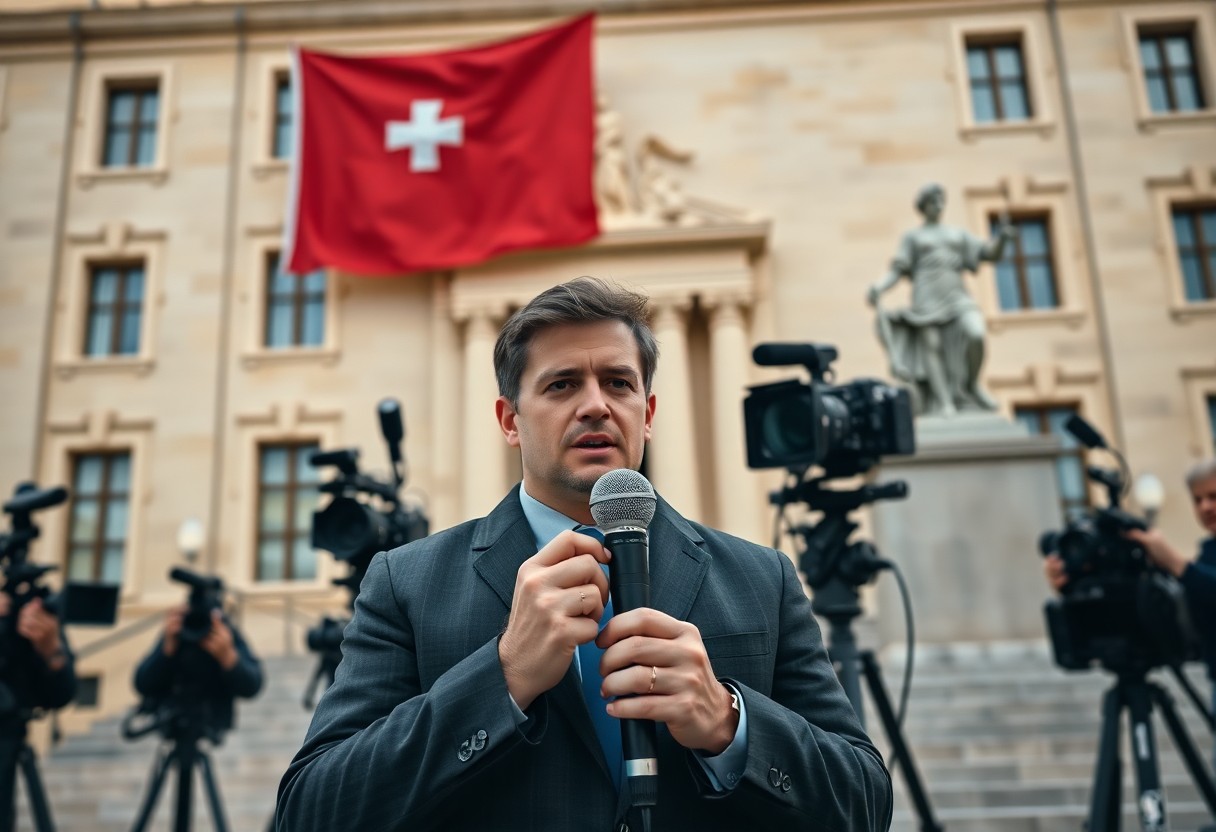
Defamation laws in Malta pose significant barriers to investigative journalism, creating an environment where the pursuit of truth is often stifled. These stringent regulations, characterized by the potential for devastating financial penalties and extensive legal repercussions, discourage reporters from probing sensitive issues, particularly those involving powerful individuals or institutions. As a result, the freedom of the press suffers, limiting the public's access to critical information. This blog post will explore the impact of these laws on Malta's media landscape and the implications for democracy and accountability within the nation.
Overview of Malta's Defamation Laws
To understand how Malta's defamation laws impact investigative journalism, it is imperative to grasp the legal framework that governs expressions of opinion and statements about individuals or entities. These laws are deeply rooted in the Maltese legal system and are particularly influenced by the country's colonial past and the principles of civil law, which prioritize protection against reputational harm. As such, individuals or organizations that feel they have been defamed can bring forth legal actions, often resulting in significant financial penalties or damages for the accused party. This legal environment can create a chilling effect on journalists who may fear potential repercussions for their investigative efforts, thereby stifling the free flow of information vital for a functioning democracy.
Historical Context
Between Malta's independence in 1964 and its accession to the European Union in 2004, the legal landscape related to defamation evolved, reflecting broader societal changes and the pressures of aligning with European standards. Historically, the country has witnessed an array of political and social challenges, leading to a legal system where defamation laws served as both a safeguard for individual reputation and a tool for silencing dissenting voices. Over time, the balance between these roles has shifted, often to the detriment of journalistic freedoms, as politicians and public figures have increasingly resorted to defamation claims to deter investigative reporting.









Key Provisions
Along with the historical context, Malta's defamation laws contain specific provisions that significantly impact journalists and media outlets. For instance, defamation is categorized as both a civil and criminal offense, exposing journalists to the risk of incarceration under certain circumstances. Additionally, the burden of proof often falls on the accused, which can dissuade comprehensive investigative reporting. Such provisions also allow for punitive damages, which can lead to financial ruin for smaller, independent outlets. These laws not only target traditional media but also social media, where the line between opinion and fact can often blur, placing even more constraints on journalistic practices.
Maltas legal framework includes strict criteria for what constitutes defamation, with categories such as slander and libel defined under various laws. The potential for excessive damages can deter journalists from pursuing stories that are in the public interest, as the fear of costly litigation looms large. Further complicating matters, the laws do not sufficiently protect journalistic sources, making it difficult for reporters to obtain critical information without exposing themselves or their informants to litigation risks. This legal backdrop creates a landscape where investigative journalism is often regarded as a high-risk endeavor, hampering the watchdog role that the press plays in society.
Impact on Investigative Journalism
While Malta has a vibrant media landscape, the stringent defamation laws in place have a pervasive effect on investigative journalism. These laws create an atmosphere of fear among journalists, discouraging them from probing into sensitive matters that could potentially expose corruption or malpractice. The threat of defamation suits looms large, making many reporters cautious about their work, particularly when it involves powerful figures or institutions. This environment stifles not only journalistic inquiry but also the public's right to know, thereby impeding accountability and transparency within society.
Case Studies of Suppression
With the spotlight on a few significant instances, it becomes clear how defamation laws have suppressed investigative journalism in Malta. Here's a detailed list of notable case studies:
- Case 1: The investigation into government contracts awarded to a prominent business tycoon led to a defamation claim of €250,000 by the tycoon against the journalist, resulting in self-censorship from other reporters on similar topics.
- Case 2: A news outlet reported on questionable land deals involving government officials; this sparked a defamation case that resulted in a judgment of €50,000 in damages, leading to significant financial strain on the organization.
- Case 3: After reporting on allegations of money laundering connected to a political figure, a journalist faced harassment and bullying tactics, suppressing further investigative efforts by the outlet.
- Case 4: A freelance journalist had a sharply worded article on police misconduct retracted following a cease and desist letter, as a prominent police officer threatened legal action.
Chilling Effects on Reporting
At the heart of Malta's defamation laws lies the chilling impact they have on freedom of expression in journalism. The fear of legal repercussions dissuades reporters from pursuing stories that are in the public interest, as they must weigh the risk of potential lawsuits against their duty to inform the public. This leads to a culture of self-censorship, wherein journalists might avoid covering sensitive subjects, even if those topics are crucial for societal awareness. The implications for democracy are troubling; a well-informed populace is necessary to hold the powerful accountable, and when journalists self-censor, it deprives citizens of vital information.
In addition to the legal constraints, the atmosphere of intimidation can perpetuate a cycle of silence within the media, where stories that could provide valuable insights into governmental or corporate misconduct remain untold. This phenomenon can discourage young journalists from entering the field, further diminishing the diversity and integrity of the investigative reporting landscape in Malta. In an era where transparency is paramount, these chilling effects pose a significant impediment to the democratic principles of oversight and accountability.
The Role of the Media in Malta
Clearly, the media serves as a cornerstone for democracy in Malta, functioning as a watchdog that holds power to account and informs the public about matters of public interest. However, the landscape of journalistic freedom is often marred by a complex interplay of legal restrictions, social pressures, and economic challenges. In this context, journalists must navigate an environment where defamation laws can stifle reporting and prevent the dissemination of critical information that could benefit society. This situation ultimately raises concerns about the health of democracy in Malta and the ability of its media to contribute to informed public discourse.
Current Landscape of Journalistic Freedom
Media outlets in Malta have traditionally enjoyed freedom to operate, yet the current landscape indicates a troubling shift towards greater control and censorship. Journalists face mounting pressure from various spheres, including governmental influence and the phenomenon of ‘trial by media' fueled by social media platforms. While freedom of expression is theoretically protected under Maltese law, the practical realities often transform this right into a double-edged sword, exposing journalists to legal repercussions for their investigative efforts.
Challenges Faced by Journalists
Against this backdrop, journalists in Malta encounter a myriad of challenges that threaten their ability to report freely and effectively. From the legal ramifications of defamation lawsuits to intimidation tactics used by powerful entities, the risks involved in investigative journalism can be daunting. This environment contributes to self-censorship, where journalists may opt to refrain from pursuing sensitive stories out of fear of legal or personal repercussions, ultimately undermining the imperative role of media in a democratic society.
In addition to the threat of legal action, journalists also contend with financial instability, as many media organizations struggle with shrinking budgets and declining revenue from traditional advertising. This economic pressure can lead to fewer resources available for investigative reporting and diminished capacity for journalists to undertake in-depth research. As a result, vital stories may go untold or be inadequately covered, depriving the public of imperative information needed to hold power accountable.
Public Response and Advocacy
Many citizens of Malta, journalists, and advocates have begun to voice profound concerns regarding the implications of the country's stringent defamation laws on the freedom of the press. The chilling effect of these legal provisions has galvanized various segments of society to take action, recognizing that investigative journalism is imperative for a healthy democracy. Public demonstrations, discussions, and workshops have become platforms for raising awareness about the urgent need for reform, challenging the status quo, and fostering dialogue around the importance of press freedom and accountability in governance.
Civil Society Movements
Among the most visible advocates for change are civil society movements that have emerged to address the pressing issue of defamation laws. Organizations focused on media rights have mobilized to protect journalists and their ability to report without fear of retribution. These groups not only support legal defense funds for those targeted by defamation suits but also engage in campaigns aimed at increasing public awareness about media literacy and the role of investigative journalism in democracy. By aligning with international organizations, they strive to create a broader coalition advocating for changes at both national and European levels, aiming to reshape Malta's legal landscape.
Calls for Legal Reform
Public discourse around the need for reform has intensified, with various stakeholders calling for a reassessment of Malta's defamation laws. Critics argue that the current framework is overly punitive and disproportionately threatens journalistic freedom, often leading to self-censorship among media professionals. Advocacy for legal changes emphasizes the necessity to protect whistleblowers and journalists, thereby enhancing transparency and accountability within governmental institutions and private enterprises alike.
Response to the growing consensus around legal reform has attracted the attention of lawmakers and policymakers. Numerous petitions and lobby efforts are demanding that the government revisit the defamation laws to ensure they align with international standards for free expression. Proposals include reducing the financial penalties associated with defamation claims, establishing clearer thresholds for what constitutes defamation, and introducing additional protections for journalistic practices. As civil society continues to rally for these reforms, there is hope that Malta will embrace a more favorable environment for investigative journalism, fostering a culture of openness and critique imperative for democratic resilience.
Comparison with International Standards
Keep in mind the stark contrasts between Malta's defamation laws and the established standards observed in many other jurisdictions. The restrictive measures in Malta stand in stark opposition to practices that prioritize freedom of expression and protect investigative journalism. Understanding these differences sheds light on the implications of Malta's legal framework for reporters and the media landscape at large.
Key Differences Between Malta's Defamation Laws and International Standards
| Malta's Defamation Laws | International Standards |
| High monetary penalties leading to self-censorship | Emphasis on minimal restrictions to foster open dialogue |
| Limited defenses available for journalists | Broad protections for journalistic work and reputational defenses |
EU Defamation Laws
By examining the EU's stance on defamation, it becomes evident that several member states implement laws designed to robustly protect freedom of expression. Directive provisions emphasize the necessity of balancing the right to free speech with the protection of personal reputations. Some EU laws allow for greater defenses against defamation claims compared to Malta's punitive approach, which often undermines the quality and independence of journalistic work.
By contrast, many EU member states are guided by principles that prioritize public interest and the imperative role of media as a watchdog. This is particularly evident in nations where journalists face fewer restrictions when reporting on matters of significant public concern, providing a framework that encourages investigative reporting as a vital component of democracy.
Recommendations from Human Rights Organizations
Around the globe, various human rights organizations have highlighted the urgent need for reform of Malta's defamation laws. These bodies advocate for decriminalization of defamation, arguing that civil penalties should replace criminal charges to align with international human rights standards. Robust recommendations also suggest the establishment of a public interest defense that would allow journalists to report without the fear of severe legal repercussions for their work.
Another point of emphasis from these organizations is the importance of adopting transparency in the legal process surrounding defamation cases. Encouraging an open dialogue about defamation and its implications would help cultivate a media environment that is both accountable and supportive of investigative journalism. Ensuring that journalists can operate freely is vital for uncovering truths and fostering informed publics, imperative elements in a thriving democracy.
Conclusion
With this in mind, it is clear that Malta's defamation laws present significant challenges for investigative journalism within the country. The legal framework, characterized by excessively punitive measures and high financial penalties, can discourage journalists from pursuing stories that require thorough inquiry and truth-seeking. This environment stifles not only individual voices but also the broader discourse necessary for a vibrant democracy. The chilling effect of these laws can result in a restraint on freedom of expression and the public's right to be informed about matters of public interest.
Furthermore, the implications of such legal constraints extend beyond individual cases to impact societal transparency and accountability. As journalists navigate the complex and often hostile legal landscapes, crucial stories may remain untold, inhibiting the flow of information vital for an engaged citizenry. To foster a healthier media environment, it is important for policymakers and stakeholders to reassess these defamation laws, ensuring they protect individual reputations while also upholding the fundamental principles of press freedom and public scrutiny that support a well-functioning democracy.
FAQs
What are defamation laws in Malta?
Malta’s defamation laws regulate statements that harm a person’s reputation, holding individuals or organizations accountable for spreading false or damaging information.
How do defamation laws impact investigative journalism in Malta?
These laws create a chilling effect, discouraging journalists from reporting on sensitive topics due to the fear of financial penalties, lawsuits, or legal consequences.
Are defamation laws in Malta civil or criminal?
Defamation in Malta can be both a civil and criminal offense, exposing journalists to potential incarceration and heavy financial penalties.
What are the key provisions of Malta’s defamation laws?
Defamation is categorized as slander or libel, with penalties that include monetary fines, punitive damages, and even jail time in some cases.
Can journalists in Malta be imprisoned for defamation?
Yes, in certain cases, journalists may face imprisonment if found guilty of defamation under Maltese law.
What is the historical context of Malta’s defamation laws?
Malta’s defamation laws have evolved since its independence in 1964, influenced by its colonial past and the country’s alignment with EU standards since 2004.
What are the consequences of defamation cases for journalists in Malta?
Journalists face potential legal costs, financial penalties, and the risk of self-censorship, which stifles critical investigative reporting.
How do Malta’s defamation laws compare to international standards?
Malta’s defamation laws are stricter, with harsher penalties and fewer defenses available for journalists compared to many other European countries.
What reforms are being proposed for Malta’s defamation laws?
Human rights organizations advocate for the decriminalization of defamation, the introduction of public interest defenses, and greater protections for journalists.
What role do civil society movements play in Malta’s defamation law debate?
Civil society movements are pushing for legal reform to protect journalists, raise public awareness, and ensure a free press environment in Malta.

Ash
I like to keep it short. I am a writer who also knows how to rhyme his lines. I can write articles, edit them and also carve out some poetic lines from my mind. Education B.A. - English, Delhi University, India, Graduated 2017.
Related Posts


Rosi Bremec joins Malta Media as VP Partnerships
July 14, 2026