

















Malta’s EU Licensing & Offshore Controls
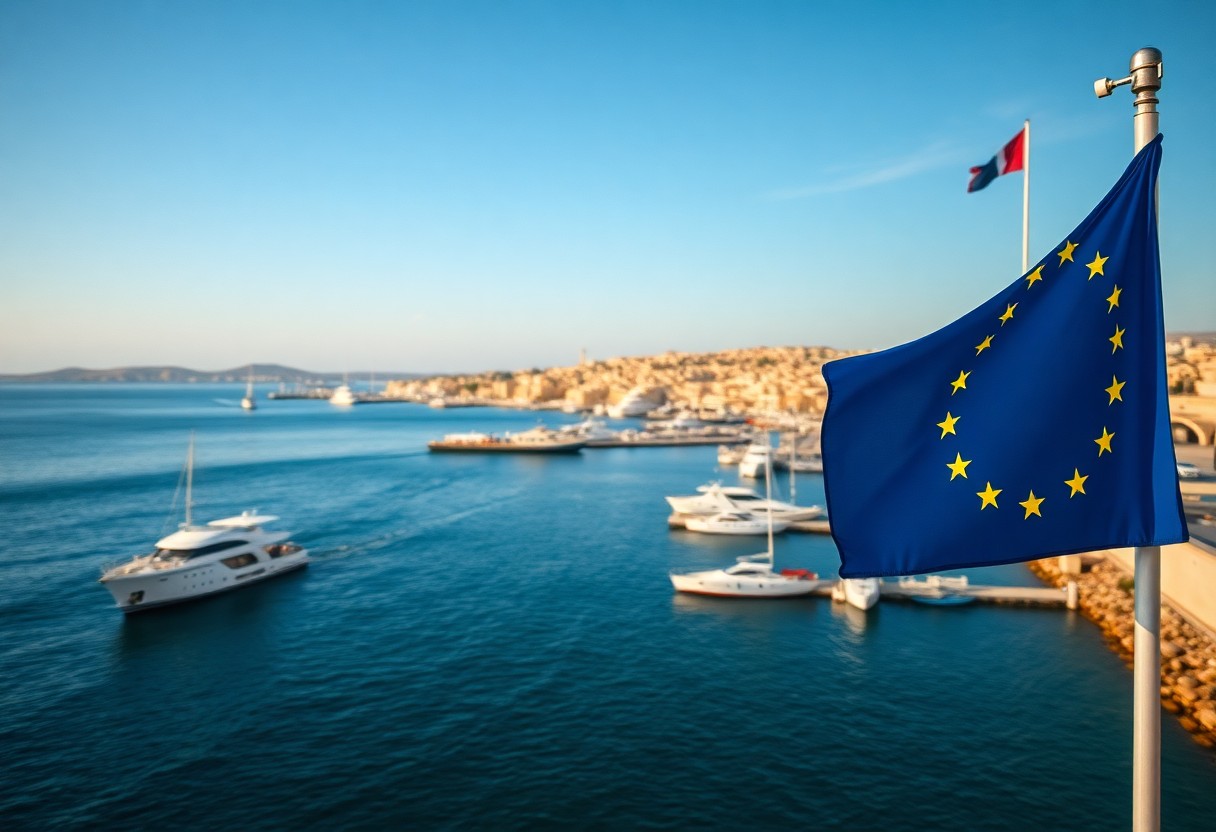
With the evolving landscape of international finance, Malta has solidified its position as a prominent hub for EU licensing and offshore control. This new normal reflects stringent regulatory measures aimed at improving transparency and compliance within the financial sector. As businesses adapt to these changes, understanding the implications of Malta's regulatory environment becomes necessary for both local and international stakeholders. In this post, we will explore the key features of Malta's EU licensing framework and the impact of offshore controls on the financial services industry.
Overview of EU Licensing Framework
While Malta has firmly established itself as a key player in the European Union's regulatory landscape, understanding the EU licensing framework is crucial for operators and investors alike. This framework not only supports diverse industries but also ensures a high level of regulatory oversight crucial for maintaining competitive and fair practices across member states. The EU licensing framework notably aims to streamline processes, foster innovation, and enhance consumer protection without stifling growth.
The Purpose of EU Licences
By offering a standardized set of licenses, the European Union facilitates not only compliance with established legal standards but also encourages cross-border business activities within the region. EU licenses are designed to enhance trust and establish a unified approach toward regulating various sectors such as gaming, finance, and telecommunications. This creates a common market where businesses can operate across borders with greater ease, thus driving economic development in member states.








This harmonized approach allows EU member states to work together more effectively in setting industry standards and reducing discrepancies that could hinder trade and cooperation. By ensuring that businesses adhere to EU regulations, these licenses also serve to protect consumers and maintain the integrity of industry practices across the board.
Types of Licences Issued
Around Europe, various types of licenses cater to the distinct needs of different sectors. Understanding these categories ensures businesses choose the appropriate framework to operate legally and efficiently. Common types of licenses include gambling licenses, financial services licenses, and remote gaming licenses. Each of these categories serves specific industries and varies based on regulatory requirements, conditions, and oversight level.
| Type of License | Description |
| Gambling License | Allows operators to legally run gambling and betting services. |
| Financial Services License | Enables entities to provide financial services across the EU. |
| Remote Gaming License | Covers businesses that offer online gaming services. |
| ePayments License | Facilitates electronic payment services in compliance with EU standards. |
| Data Protection License | Regulates entities handling personal data in adherence to GDPR. |
It's important for operators to grasp these distinctions as the landscape can sometimes be confusing. Businesses aiming to establish operations in Malta or other EU jurisdictions must assess the specific licensing requirements pertinent to the services they wish to offer. Ensuring compliance not only helps in avoiding legal ramifications but also instills confidence among consumers regarding the credibility of the services provided.
- Understanding how to navigate the licensing process is crucial.
- Selecting the proper license aligned with your business model is vital.
- Each license type has specific regulations and compliance standards.
- Fees and application times may vary depending on the type of license.
- Perceiving the nuances of each license type can yield operational advantages.
Requirements for Obtaining an EU Licence
Overview of requirements for obtaining an EU license often involves comprehensive checks that ensure businesses meet legal and operational standards. Each licensing authority may have distinct pre-requisites, yet common elements generally include financial stability, adherence to regulations, and a demonstration of operational capability. Applicants usually need to present detailed documentation, such as business plans, compliance protocols, and any requisite financial disclosures.
Furthermore, having a well-structured governance framework can play a pivotal role during the licensing process. Regulatory bodies often require applicants to establish robust internal controls and demonstrate a thorough understanding of applicable laws and regulations. Each step taken in securing an EU license directly impacts the credibility of the applicant and their future operations within the EU market.
A detailed understanding of the requirements fosters a smoother path toward acquiring a license. Knowing what information and documentation to prepare ahead of time minimizes delays and complications during the review process. Those investing time and resources to ensure compliance will undoubtedly find the licensing process less daunting and more beneficial to their future operations.
Offshore Control Mechanisms
Definition and Importance of Offshore Control
Your understanding of offshore control mechanisms is vital in navigating the nuances of Malta's regulatory landscape. Between ensuring adherence to the European Union's directives and maintaining local governance, these mechanisms serve to oversee the financial and operational aspects of offshore entities. They establish frameworks that mitigate risks associated with financial discrepancies, promote transparency, and foster trust in Malta as a hub for international business activities.
The importance of offshore control lies in its ability to align business practices with international standards, making Malta an attractive jurisdiction for foreign investment. By implementing robust control measures, Malta not only protects its own economic interests but also elevates its reputation on the global stage, affirming its commitment to ethical business practices.
Key Regulatory Bodies in Malta
Offshore businesses in Malta are subject to the oversight of several key regulatory bodies that ensure compliance with both local and EU regulations. The Malta Financial Services Authority (MFSA) is at the forefront, responsible for regulating financial services and safeguarding the integrity of the financial system. Additionally, the Malta Gaming Authority (MGA) supervises gaming operations, further enhancing Malta's standing as a premier location for various offshore enterprises. Other regulatory entities, such as the Financial Intelligence Analysis Unit (FIAU), play a significant role in combatting money laundering and terrorist financing, supporting a well-rounded framework of oversight.
With a comprehensive structure of regulatory oversight, Malta has positioned itself as a transparent and compliant jurisdiction. These bodies not only facilitate businesses but also ensure that they adhere strictly to the necessary standards, contributing to a secure and stable environment for international operations.
Compliance and Reporting Obligations
Between regulatory requirements and operational mandates, compliance and reporting obligations are important components for offshore entities operating in Malta. Adhering to anti-money laundering (AML) directives, tax regulations, and corporate governance frameworks, businesses must establish strong compliance protocols to meet regulatory expectations. Regular reporting ensures that regulatory bodies are kept informed of the activities and financial health of these offshore operations, thereby reinforcing accountability.
Furthermore, failure to comply with these obligations can lead to severe penalties and reputational damage, which can have lasting ramifications on an entity's ability to operate effectively in Malta and beyond. Entities must proactively engage in ongoing training and reviews to adapt to the evolving regulatory landscape and maintain compliance.
Regulatory bodies enforce compliance programs and reporting obligations to ensure that entities are not only meeting their legal requirements but also adhering to best practices in their operational conduct. This ongoing oversight promotes a culture of accountability and transparency, both of which are important for the long-term sustainability of offshore businesses in Malta.
Malta's Role in the EU Licensing System
Some may view Malta as just a small island in the Mediterranean, but it has gained significant importance in the EU licensing system over the years. The country's strategic location, coupled with its robust legal framework, has made it a preferred hub for various industries, particularly in financial services, gaming, and digital innovation. These aspects have contributed to Malta's reputation as a leading jurisdiction for businesses seeking EU licenses, creating a dynamic environment for both local and international firms.
Historical Context of Malta's Licensing Practices
One of the defining moments in Malta's licensing practices came with its accession to the European Union in 2004. This transition opened up new avenues for regulatory alignment and legislation updates, propelling Malta into a position where it could offer competitive licensing options. Prior to joining the EU, Malta had already established a framework that appealed to foreign investors, particularly in the gaming sector, which laid the groundwork for future developments in licensing practices.
Over the years, Malta has strengthened its regulatory environment while ensuring compliance with EU directives. This has included the introduction of various legislative measures aimed at enhancing transparency, integrity, and efficiency in the licensing process. As a result, Malta has successfully positioned itself as a model for other nations wishing to streamline their licensing procedures while maintaining a strong regulatory environment.
Current Trends in Maltese Licensing Procedures
Across the landscape of Maltese licensing, there is a noticeable shift towards greater efficiency and technological integration. Regulatory bodies are increasingly embracing digital solutions to simplify the application and approval processes, making it easier for businesses to navigate the regulatory terrain. Initiatives like the online submission of applications and the use of blockchain technology are becoming more common, streamlining the workflow for both applicants and regulators.
Another significant trend is the adaptation of licensing criteria to meet the evolving needs of diverse industries. Regulatory authorities are keen to attract innovation-driven sectors, such as fintech and blockchain, by tailoring their licensing frameworks to accommodate new business models. This proactive approach not only enhances Malta's attractiveness as a licensing jurisdiction but also helps safeguard against risks associated with rapid technological advancements.
Comparative Analysis with Other EU Member States
Member states within the EU have adopted varying approaches to licensing, each reflecting its unique economic landscape and regulatory priorities. A comparative analysis helps highlight Malta's competitive edge in the global market. Below is a comparison of licensing frameworks in Malta versus selected EU member states.
Comparative Analysis of Licensing Frameworks
| Country | Licensing Features |
|---|---|
| Malta | Flexible regulations, digital influence, attractive for fintech and gaming |
| Germany | Strict regulations, lengthy procedures, strong consumer protection |
| Ireland | Business-friendly, robust frameworks for financial services, easier access |
| Cyprus | Tax incentives, attractive for investment firms, competitive rates |
This comparative framework illuminates Malta's unique position within the EU licensing landscape. The island's adaptability and commitment to innovation create opportunities that may not be available in more rigid regulatory environments. As industries continue to transform, Malta's proactive measures to evolve its licensing procedures stand as testaments to its aim of maintaining an edge over its peers in the EU.
Challenges Faced by Malta's Licensing Authority
For Malta's licensing authority, navigating the complexities of EU regulations poses significant challenges. The country has positioned itself as a favorable jurisdiction for businesses, particularly in sectors such as gaming and cryptocurrency. However, the regulatory environment is continually evolving, putting pressure on the authority to ensure compliance while also attracting investments. This delicate balance often leads to scrutiny over the effectiveness of regulations in place, as stakeholders demand both growth opportunities and robust oversight mechanisms.
Regulatory Challenges
Above all, the licensing authority faces regulatory challenges stemming from both national and EU-level legislation. The call for uniform standards across member states often complicates Malta's distinctive regulatory framework, particularly when adapting to new directives that may focus on transparency, consumer protection, and environmental sustainability. Constant revisions and updates to legislation create an increasing workload for the authority which must ensure that regulatory updates are implemented effectively across various sectors.
Additionally, the dynamic nature of the industries Malta caters to, such as online gambling and fintech, means that the licensing authority must remain agile and responsive to technological advancements. This can be especially difficult when existing legislation may lag behind innovative practices or emerging business models. As a result, the authority risks falling short of maintaining international standards, potentially jeopardizing Malta's reputation as a reliable licensing hub.
Issues of Transparency and Accountability
Against this backdrop, issues of transparency and accountability frequently arise. Stakeholders, including businesses, consumers, and regulatory bodies, have raised concerns about the clarity and effectiveness of licensing procedures. The perception of Malta as a ‘soft touch' in regulatory enforcement can undermine its credibility, leading to skepticism regarding the integrity of licenses issued. This is compounded by reports of inconsistent practices in the evaluation and monitoring of licensed entities, fostering an environment where accountability may seem compromised.
Consequently, the licensing authority must prioritize enhancing transparency initiatives while ensuring that robust accountability measures are instituted. By promoting open communication regarding the licensing process and actively engaging with stakeholders, the authority can work to rebuild trust. Establishing clear guidelines and regular communication channels will be vital in addressing existing concerns and restoring faith among industry participants and the public.
Impact of International Pressure
Issues surrounding transparency and accountability are further magnified by international pressure on Malta's regulatory approach. Global organizations and peer nations are closely examining Malta's practices, calling for a consistent alignment with best practices in governance and oversight. The scrutiny has heightened expectations for the licensing authority to demonstrate not only compliance with directives but a commitment to ethical standards that foster confidence in its regulatory framework.
A notable implication of this international pressure is Malta's need to adapt its policies and practices swiftly to maintain its competitive edge. As the global community shifts towards standardized regulatory frameworks, Malta must ensure that it evolves in tandem, all while continuing to attract business investments. Failure to respond effectively could lead to long-term repercussions for the country's economic prospects in heavily regulated industries.
The Impact of Malta's New Normal on Businesses
Despite ongoing changes in regulatory frameworks and global market dynamics, Malta has positioned itself as a beacon for business operations, particularly in sectors like finance, gaming, and technology. The new normal entails stricter compliance and enhanced oversight driven by the EU licensing standards and offshore control measures. Consequently, businesses must adapt their strategies to thrive within this evolving landscape while managing the implications of these regulatory reforms.
Benefits for Local and International Companies
One of the most significant advantages of Malta's new normal is the assurance of regulatory compliance, which bolsters trust among consumers and investors. Companies operating under the EU Licence benefit from a robust legal framework that enhances the legitimacy of their operations. Furthermore, Malta's strategic location and attractive tax regimes serve as additional incentives for international businesses. This combination fosters an environment conducive to growth and expansion, attracting global market players who seek a stable and compliant base in Europe.
Additionally, local companies can leverage Malta's reputation as a leading EU member state for digital innovation and financial services. The development of technology hubs and incubators has intensified, enabling businesses to diversify their offerings and tap into emerging markets. This ecosystem not only supports startups but also encourages established firms to innovate and enhance their competitive edge.
Risks and Concerns for Stakeholders
Stakeholders face several challenges arising from Malta's regulatory transformation. The increased scrutiny can lead to heightened compliance costs and operational complexities, disproportionately affecting smaller enterprises lacking the resources for extensive legal counsel and administrative support. Additionally, the need for transparency and accountability may deter some businesses from operating in a jurisdiction perceived to be overly regulated.
But the risks extend beyond financial implications; they also involve reputational damage. Companies found non-compliant may face sanctions, which could adversely impact their standing in both regional and global markets. Furthermore, as Malta's regulatory framework continues to evolve, businesses must remain agile and responsive to changes, adding another layer of complexity to their strategic planning.
Case Studies of Success and Failure
Maltas' business landscape includes a mix of success stories and cautionary tales, reflecting the challenges and opportunities presented by the new normal. Various companies have navigated the regulatory environment effectively while others have faltered, offering lessons for future operations.
- Company A: Successfully acquired an EU Licence in 2022, resulting in a 40% increase in clientele and a 25% boost in annual revenue.
- Company B: Expended resources on compliance measures but faced a 15% drop in profits due to increased operational costs, highlighting the financial strain on smaller businesses.
- Company C: Leveraged Malta's gaming regulations to become a market leader in online gaming, raising €5 million in funding to enhance its digital infrastructure.
- Company D: Underwent significant compliance failures, leading to a loss of its licence and a 50% decrease in market share.
Indeed, these case studies illustrate the contrasting paths businesses can take in Malta's new normal. A proactive approach to regulatory compliance can yield substantial rewards, while neglecting these obligations can result in severe setbacks. The lessons learned from both successful and failed enterprises should guide stakeholders in their strategic planning efforts as Malta continues to evolve its business landscape.
Future of Offshore Control and Licensing in Malta
Once again, the landscape of offshore control and licensing in Malta is poised for significant transformation. Given the increasing pressure from international bodies and the necessity for enhanced compliance mechanisms, it is likely that Malta will implement a series of regulatory changes aimed at refining its offshore operations. The alignment with EU standards is set to play a pivotal role in shaping these changes, potentially leading to a more stringent licensing process that balances economic benefits with transparency and accountability.
Predictions for Regulatory Changes
For the foreseeable future, Malta may adopt stricter guidelines to ensure that its offshore financial sector adheres strictly to both local and international regulatory frameworks. These adjustments could include more comprehensive anti-money laundering practices and enhanced due diligence requirements for offshore entities. The evolution of the regulatory landscape will likely emphasize the need for a robust reporting system to mitigate illicit activities and foster trust among global investors.
Potential Areas for Reform
About the potential areas for reform, Malta's government may explore avenues to bolster its reputation as a trustworthy offshore jurisdiction. This could involve revising the process of issuing licenses, ensuring that only entities committed to ethical practices gain access to the Maltese market. Additionally, increasing stakeholder engagement in the regulatory process might serve to improve compliance and foster a culture of transparency.
In addition to revising licensing procedures, Malta may also consider implementing measures that enhance the overall regulatory framework, such as mandatory training programs for compliance officers in offshore companies. This proactive approach could help align local practices with best international standards, ultimately benefiting the nation's reputation and long-term viability as an offshore hub.
The Role of Technology in Enhancing Compliance
Reform initiatives are expected to embrace advanced technologies to improve compliance efficiencies within Malta's offshore sector. Innovations such as blockchain and artificial intelligence could facilitate more efficient monitoring and reporting systems, providing regulators with real-time data insights. This shift toward embracing digital solutions is likely to aid compliance and empower authorities to detect non-compliance at an earlier stage.
A streamlined adoption of these technologies will not only enhance enforcement capabilities but also foster a collaborative environment among industry stakeholders. By leveraging artificial intelligence and data analytics, offshore entities can optimize their processes, ensuring adherence to regulatory demands while maintaining operational efficiency.
Summing up
Ultimately, Malta's adoption of the EU licence and enhanced offshore control mechanisms has ushered in a new era for the jurisdiction, positioning it as a regulatory leader in the maritime industry. The integration of stricter compliance protocols and transparency measures not only aligns with EU standards but also aims to bolster the island's reputation as a responsible offshore centre. These changes reflect the ongoing evolution in global regulations, compelling Malta to adapt in order to meet international expectations while continuing to serve its client base effectively.
As Malta navigates this transformative landscape, it embraces the necessity of balancing economic interests with robust governance. The shift towards an environment that prioritises accountability and ethical standards underscores Malta's commitment to sustainable growth and industry integrity. Stakeholders can anticipate a more stable and transparent operational framework that fosters trust, ensuring the long-term viability of Malta as a competitive player in the offshore sector.
FAQs
What is the significance of Malta in the EU licensing system?
Malta is a key jurisdiction due to its strategic location, robust legal framework, and adaptability, making it a preferred destination for EU licensing across sectors.
What types of EU licenses are available in Malta?
Malta offers various licenses including gambling, financial services, remote gaming, ePayments, and data protection licenses, each tailored to specific industries.
How does Malta ensure compliance in its licensing process?
Through strict regulatory bodies like MFSA and MGA, Malta enforces AML directives, corporate governance, and detailed compliance protocols for license applicants.
What documentation is typically required to obtain an EU license in Malta?
Applicants must provide business plans, financial statements, compliance frameworks, and evidence of operational capacity to meet licensing requirements.
Why is offshore control important in Malta’s financial landscape?
Offshore controls promote transparency, mitigate financial risks, and align Malta’s practices with EU directives and international standards, enhancing investor trust.
Who regulates financial and gaming licenses in Malta?
The Malta Financial Services Authority (MFSA) handles financial services, while the Malta Gaming Authority (MGA) oversees gaming and remote gambling operations.
What are the main compliance obligations for offshore businesses in Malta?
Businesses must comply with anti-money laundering laws, tax regulations, reporting standards, and maintain internal governance aligned with EU legislation.
How is Malta adapting to technological changes in licensing?
Malta is integrating digital solutions like online applications and blockchain to streamline processes and accommodate evolving business models like fintech.
How does Malta’s licensing framework compare to other EU countries?
Malta offers more flexible regulations and tech-friendly policies, unlike Germany’s strict controls or Ireland’s financial focus, making it ideal for innovation.
What challenges does Malta face in maintaining its licensing standards?
Malta must balance international scrutiny, evolving EU directives, and rapid industry innovation while ensuring transparency, accountability, and compliance.

Ash
I like to keep it short. I am a writer who also knows how to rhyme his lines. I can write articles, edit them and also carve out some poetic lines from my mind. Education B.A. - English, Delhi University, India, Graduated 2017.
Related Posts

1xBet returns to Liberia after LIPAY Inc. secures a new gaming license
September 29, 2026



SBC Summit adds Global Payment Compliance track for 2026
August 13, 2026

SBC Summit Emerging Markets Track 2026 Guide
July 16, 2026

SBC Summit unveils regulatory gaming meetups
July 8, 2026
Pragmatic Solutions expands platform for Ireland
July 8, 2026