Germany adds payment providers to its casino ban list
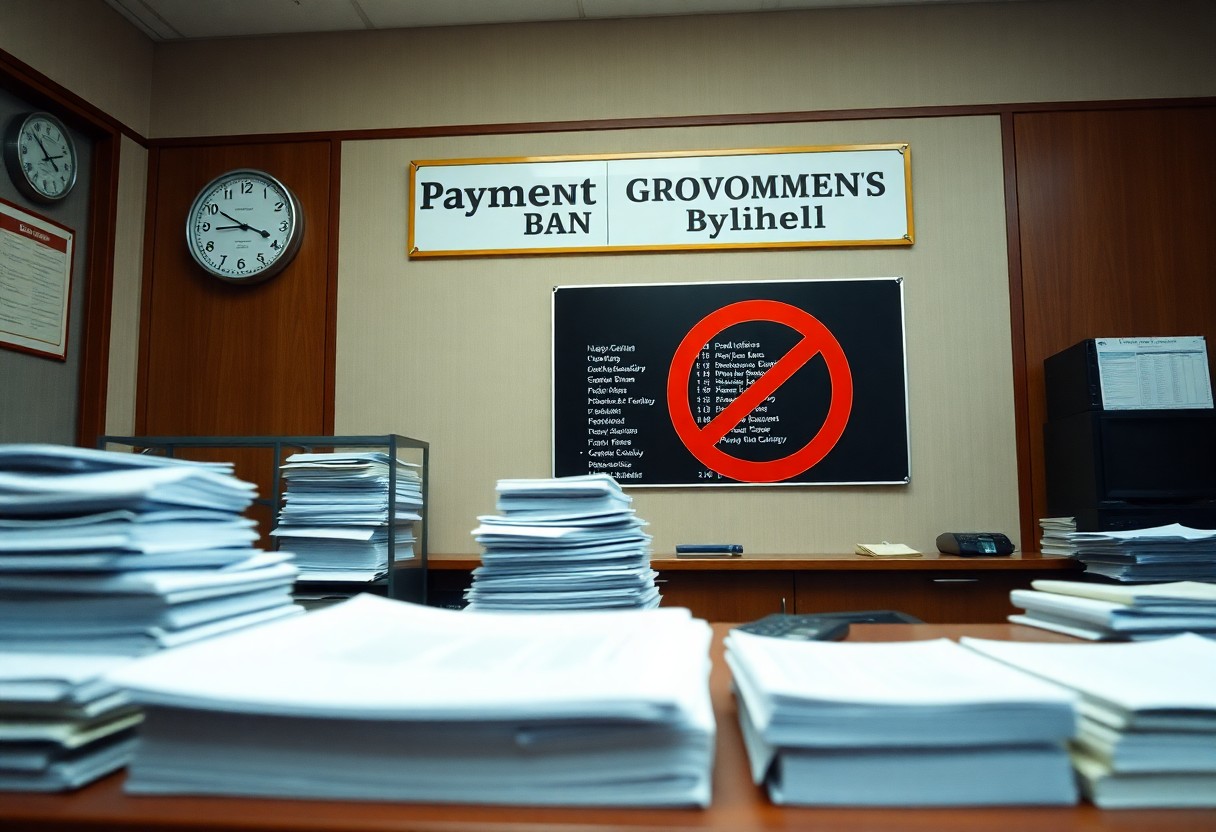
Many observers are paying close attention as Germany intensifies its measures against unauthorized online gambling by adding several payment providers to its ban list. This development reflects the country's ongoing commitment to enforce stricter regulations within the gaming sector, aiming to protect consumers and uphold the integrity of legal gambling establishments. As this list expands, the impact on both operators and players could be significant, altering payment processing strategies and accessibility to gambling platforms in the country.
The Legal Landscape of Online Gambling in Germany
Historical Context of Gambling Legislation
Germany's approach to gambling legislation has evolved significantly since the early 2000s. Initially characterized by a patchwork of state laws, a concerted effort began in 2012 to create a more uniform framework with the Interstate Treaty on Gambling (ISTG). This treaty aimed to regulate online gambling and allow for state-licensed operators, amidst ongoing tensions between federal and state authorities over gambling's legality.
Current Regulations and Their Impact
Recent regulations, particularly the 2021 Fourth State Treaty on Gambling (GlüNeuRStv), have established a stringent licensing process for online casinos and sports betting. Operators must implement robust player protection measures, including deposit limits and self-exclusion options. While these regulations aim to mitigate gambling-related issues, they have also led to a significant decline in unregulated offerings, pushing players towards licensed platforms.








The Fourth State Treaty introduces a comprehensive regulatory framework, requiring operators to adhere to strict standards for advertising, payment processing, and customer protection. This has resulted in a more secure gambling environment but has also necessitated significant investments from providers to meet compliance demands. Additionally, the ban on specific payment providers has raised concerns about player access to funds and the overall attractiveness of licensed platforms versus their unregulated counterparts.
The New Additions to the Casino Ban List
Criteria for Inclusion in the Ban
The German authorities are implementing strict criteria for including payment providers on the ban list. These criteria focus on whether a provider facilitates transactions to unauthorized online casinos operating within its jurisdiction, failing to adhere to regulatory compliance and responsible gambling measures. The examination process involves assessing the payment provider's transactional data and operational practices to ensure conformity with Germany's gaming laws.
Specific Payment Providers Affected
A recent update has revealed that several prominent payment providers are now included in Germany's casino ban list. Notable names feature in this update, with providers often facilitating transactions for online gambling platforms that fail to comply with German regulations. Affected companies will face strict measures, limiting their operational capabilities in the gambling sector.
The Rationale Behind Expanding the Ban
Protecting Consumers from Unregulated Gaming
Expanding the ban on payment providers aims to shield consumers from unregulated and potentially dangerous gaming platforms. By restricting financial transactions with these entities, the government seeks to minimize instances of fraud and exploitation, ensuring that players engage only with licensed operators who adhere to strict security and fairness standards.
The Government's Stance on Responsible Gambling
The German government prioritizes responsible gambling as a key component of its regulatory framework. Authorities have implemented educational campaigns emphasizing safe gaming practices, alongside tools that empower players to manage their gambling activities effectively. This includes self-exclusion options and deposit limits aimed at preventing gambling addiction and promoting a safer environment for all participants.
To further enhance its commitment to responsible gambling, Germany has allocated funding to research initiatives that assess gambling behaviors and trends. Ongoing partnerships with academic institutions aim to develop comprehensive support programs that address addiction and provide resources for treatment, illustrating a proactive approach to maintaining gambling as a controlled, enjoyable activity rather than an unchecked vice.
Consequences for Affected Payment Providers
Financial Implications and Market Reactions
The inclusion of several payment providers on Germany's casino ban list is expected to lead to significant financial ramifications, including diminished transaction volumes and potential revenue losses. Market reactions have been mixed, with some companies experiencing immediate declines in stock prices, reflecting investor concerns about regulatory compliance and operational viability in the German market.
Changes in Operational Strategies
In response to the ban, affected payment providers are reassessing their operational strategies to mitigate losses and adapt to the evolving regulatory landscape. This includes exploring alternative markets, revising existing partnerships, and enhancing compliance measures to stay aligned with local laws.
Many payment providers are likely pursuing expansions into regulated markets outside Germany to offset losses. Streamlining compliance frameworks and investing in technology that tracks and manages cross-border transactions efficiently are practical responses. Additionally, some companies may diversify their product offerings, including developing payment solutions specifically designed for markets with stringent regulations, thereby positioning themselves as leaders in compliance-focused financial technologies. Collaboration with legal advisors to navigate these complexities will also become paramount to continue operations effectively while adhering to the new guidelines.
Impacts on Players and the Gaming Industry
What It Means for German Players
The recent additions to the casino ban list will significantly limit payment options for German players, making online gambling less accessible. Many players may face increased difficulties in funding their accounts or withdrawing winnings, pushing some to seek alternative, potentially less regulated platforms. This could lead to an uptick in unauthorized gambling activities, as players look for workarounds to circumvent the restrictions imposed by the government.
Reactions from the Gaming Industry
The gaming industry has expressed concern over the implications of the bans, highlighting potential revenue losses and regulatory challenges. Operators have criticized the lack of consultation prior to these changes, arguing that they undermine fair competition and consumer choice. Some have reported an immediate decline in user engagement and financial performance.
Reactions from industry stakeholders include strong opposition from operators who argue that the bans hinder innovation and restrict market growth. The German Association of Interactive Entertainment (BVDW) has called for a reevaluation of the regulations, citing evidence that a well-regulated market benefits both players and the state. Analysts predict that if these restrictions remain in place, many licensed operators may consider exiting the market, ultimately leading to fewer choices for German players and an inefficient black market flourishing despite government attempts to regulate online gambling.
The European Perspective: A Wider Trend
Comparative Analysis with Other European Nations
Countries such as Sweden and Norway have implemented rigorous measures against online gambling, similar to Germany's recent actions. While Sweden's system fosters a state monopoly for online casinos, Norway maintains a complete ban on foreign operators. This trend highlights a growing concern across Europe regarding online gambling regulations aimed at consumer protection and revenue generation.
Comparative Analysis with Other European Nations
| Country | Regulatory Approach |
|---|---|
| Germany | State-regulated market with bans on certain payment providers |
| Sweden | State monopoly on online gambling |
| Norway | Total ban on foreign online gambling operators |
| Italy | Regulated market but allows foreign licenses under strict conditions |
Potential for a Unified Approach to Regulations
Disparate regulations across Europe create challenges for both consumers and operators. A unified regulatory framework could enhance consumer protection and responsible gambling practices while simplifying compliance for operators. Swiss lawmakers have shown interest in aligning regulations to facilitate cross-border gambling, indicating a trend toward harmonization within the EU. By addressing oversight, taxation, and consumer rights collectively, the industry can maintain integrity while fostering innovation.
Creating a harmonized regulatory system across Europe could significantly streamline operations for online gambling providers. For example, if countries adopt similar frameworks, operators would face fewer legal hurdles when expanding their services across borders. This potential collaborative effort would likely enhance the efficacy of player protections, minimize illegal gambling activities, and ensure fair taxation practices, thus driving overall market growth while safeguarding consumer interests. As discussions around these regulatory changes continue, stakeholders will need to consider the balance between innovation and regulation to cultivate a healthier gaming environment.
The Future of Online Gambling Regulations in Germany
Possible Amendments to Current Laws
Future amendments to Germany's online gambling laws may focus on enhancing consumer protections and promoting responsible gaming. Legislators are likely to consider measures that could simplify licensing processes for payment providers while ensuring compliance with strict regulations. Additionally, the incorporation of technology-driven solutions, such as advanced verification methods, may be explored to combat fraud and enhance user security.
Predictions for the Market and Stakeholders
As the regulatory landscape evolves, significant shifts are anticipated for the online gambling market in Germany and its stakeholders. Increased scrutiny will pressure operators to align with compliance standards, leading to potential consolidations. Meanwhile, licensed providers may see a surge in demand, while unregulated platforms are expected to face harsher penalties and dwindling customer bases.
Stakeholders should prepare for a competitive environment characterized by enhanced compliance requirements. Changes in consumer behavior, driven by a preference for regulated platforms prioritizing safety, will likely reshape the market dynamics. Established companies could leverage their trusted status to capture market share, while newcomers will need to invest heavily in compliance and marketing to compete. Overall, a shift towards a more regulated and transparent gaming landscape seems inevitable, fostering healthier industry growth in the long run.
To wrap up
With this in mind, Germany's recent addition of payment providers to its casino ban list underscores its stringent approach to gambling regulations. By limiting financial channels for online casinos, the government aims to curb illegal gambling activities while promoting safer betting environments. This move reflects a broader trend in regulating digital gambling markets, signaling to both operators and consumers the importance of adhering to national laws. Overall, this action enhances accountability within the gaming sector and reinforces the commitment to responsible gambling practices in Germany.
FAQ
Q: What prompted Germany to add payment providers to its casino ban list?
A: The decision was made to enforce stricter regulations on online gambling and to curb illegal activities surrounding unregulated casinos. By targeting payment providers, Germany aims to prevent financial transactions that support unauthorized gambling platforms.
Q: How will the ban on payment providers impact online gambling in Germany?
A: The ban will restrict access to funds for unauthorized online casinos, making it more difficult for these operators to function. Players may find it harder to use familiar payment methods, leading to a shift towards licensed operators and potentially decreasing participation in illegal gambling sites.
Q: What are the consequences for payment providers that ignore the ban?
A: Payment providers that do not comply with the ban may face legal penalties, including fines and restrictions on their operations within Germany. Furthermore, these providers risk damaging their reputation and losing business from customers who operate within the legal gambling framework.

Esther
I am a professional writer with 8 years of experience in this field and I can provide you with the best-written content you can find. Education B.A. - English, George Washington University, United States, Graduated 2011.
Related Posts

Vyking integrates Xtremepush CRM tools for global iGaming operators
September 23, 2026

Vyking builds its own sportsbook on FIRST.bet’s SportOS
September 21, 2026

Lottoland Germany: What did the GGL know before Licensing?
August 12, 2026
Germany regulates gambling while trading apps imitate it
July 31, 2026
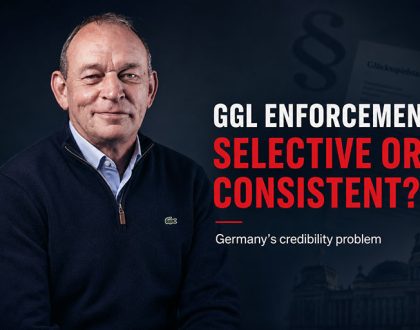
Germany gambling enforcement under scrutiny
July 10, 2026