

















Luxembourg’s position in holding iGaming IP rights
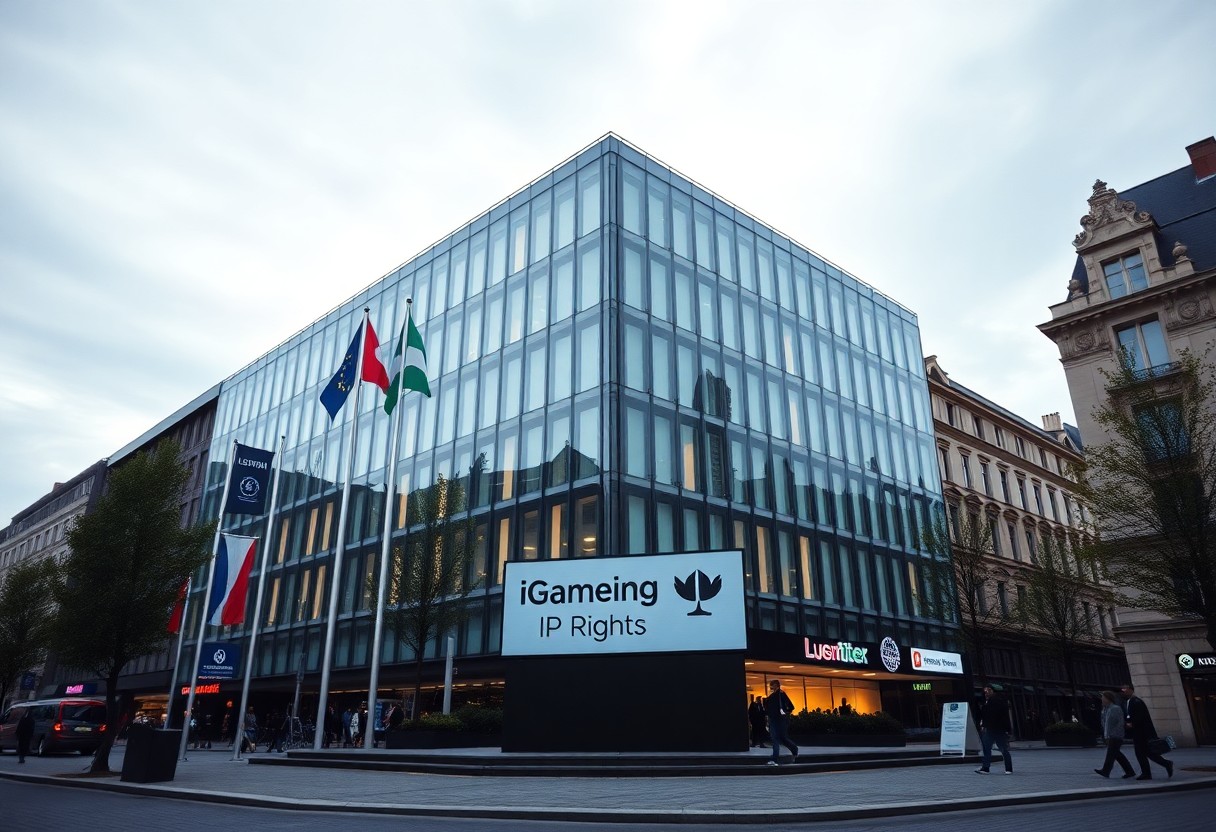
Over the past decade, Luxembourg has emerged as a significant player in iGaming intellectual property rights. The country's favorable regulatory environment and strong legal framework provide a robust foundation for iGaming companies seeking to protect their innovations and intellectual assets. As European legislation continues to evolve, Luxembourg's strategic position at the heart of Europe enables it to attract leading iGaming firms, fostering an ecosystem ripe for growth and innovation in this competitive industry.
The Legal Landscape of iGaming in Luxembourg
Legislative Framework Governing iGaming
The legislative framework for iGaming in Luxembourg is primarily defined by the law of 19 June 2009, which regulates games of chance. This law outlines licensing requirements, operational standards, and consumer protections, establishing a robust environment for both operators and players. Subsequent amendments aim to align local regulations with European Union directives, ensuring compliance and fostering a competitive market.
Key Regulatory Bodies and Their Roles
The regulatory landscape in Luxembourg is governed mainly by the Ministry of Justice and the Administration of Technical and Operational control (ATO). These bodies are responsible for overseeing licensing, ensuring fair play, and implementing consumer protection measures in the iGaming sector. Their collaborative efforts underpin the operational integrity of the industry.







Specifically, the Ministry of Justice administers the comprehensive legal framework, issuing licenses to operators while the ATO focuses on compliance and monitoring activities within the market. The Ministry evaluates applications based on rigorous standards, while the ATO conducts audits and assessments to ensure adherence to technical requirements. Together, these bodies promote a secure and regulated environment for both operators and players, reinforcing Luxembourg's reputation as a trustworthy iGaming hub.
Luxembourg's Strategic Advantages for iGaming IP Rights
Tax Incentives and Benefits for iGaming Companies
Luxembourg offers a competitive tax regime that attracts iGaming companies, boasting one of the lowest corporate tax rates in Europe at 15% as of 2022. The country also provides significant tax exemptions on certain intellectual property revenues, allowing firms to retain a larger share of their profits. This favorable taxation environment, combined with access to various double taxation treaties, enables iGaming companies to optimize their financial strategies and expand their operations effectively.
A Hub for International Gaming Operations
Positioned centrally within Europe, Luxembourg serves as a strategic hub for international gaming operations, facilitating seamless access to European markets. The country's multilingual workforce and robust digital infrastructure support diverse gaming platforms, while its regulatory framework fosters a stable business environment. Luxembourg has attracted major players such as Playyoo and iSoftBet, highlighting its reputation as a thriving ecosystem for iGaming innovation and collaboration.
Its prime location allows companies to easily navigate the complexities of pan-European regulations while also providing favorable conditions for cross-border partnerships. Additionally, Luxembourg's commitment to digital transformation and innovation incentivizes the development of new technologies within the iGaming sector. Major industry events hosted in the country create networking opportunities, further solidifying Luxembourg's role as an integral player in the global gaming industry.
The Role of Intellectual Property in iGaming
Understanding the Types of IP Relevant to iGaming
Intellectual property (IP) plays a pivotal role in the iGaming industry, encompassing various types of protections that guard creative and technological assets. Key classifications include copyright, which safeguards game design and narratives; trademarks that protect brand identity; and patents focusing on innovative gaming technologies. Understanding these distinctions helps stakeholders manage and leverage their creations effectively.
- Copyright protects original works such as graphics and music.
- Trademarks safeguard brand names and logos in the market.
- Patents cover unique technologies and gaming mechanics.
- Trade secrets shield confidential business practices.
- Licensing agreements allow shared use of IP assets.
Perceiving the landscape of IP types is important for maintaining a competitive edge in the iGaming sector.
| Type of IP | Description |
| Copyright | Protects creative expressions such as game art and sound. |
| Trademark | Protects symbols, names, and slogans that distinguish brands. |
| Patent | Protects inventions and innovations in gaming technology. |
| Trade Secret | Protects confidential business information and practices. |
| Licensing | Agreements that permit use of someone else's IP under specified conditions. |
Protecting iGaming Innovations and Technologies
Securing innovations and technologies in iGaming is vital for sustaining growth and fostering creativity. Companies must navigate a complex landscape of IP rights to effectively shield their products from infringement. Utilizing a combination of patents for technology, copyrights for content, and trademarks for branding fortifies a company's market position, ensuring both legal defensibility and competitive viability.
The dynamic nature of the iGaming industry necessitates robust IP strategies. Enterprises like NetEnt and Microgaming have encountered challenges with copyright disputes, highlighting the significance of proactive measures in IP protection. Leveraging IP not only secures financial investments but also promotes an environment where creativity thrives. Companies need to continuously monitor and enforce their rights, addressing unauthorized use and adapting to evolving technological advancements to protect their innovations effectively.
Navigating the Registration Process for IP Rights
Steps to Register IP Rights in Luxembourg
To register IP rights in Luxembourg, begin by conducting a thorough search to ensure your IP is unique. Next, prepare and submit the appropriate application forms to the respective authority, typically the national IP office. Pay the necessary fees and respond promptly to any requests for additional information. Depending on the type of IP—trademark, patent, or copyright—specific forms and documentation may vary, but adherence to deadlines is imperative for successful registration.
Common Pitfalls to Avoid During Registration
Several pitfalls can hinder the IP rights registration process in Luxembourg. Neglecting to conduct comprehensive prior art searches can lead to conflicts during approval. Inaccurate submissions, such as incorrect classifications or insufficient details, often delay applications. Moreover, failing to meet deadlines for responses or renewal can jeopardize IP rights. Understanding Luxembourg's specific requirements and timelines is imperative to navigate the process effectively.
Proper due diligence prior to submitting applications not only helps in identifying potential conflicts but also streamlines the approval process. Many applicants overlook the nuances of classification, which can result in misidentification of their IP rights category, leading to rejections or protracted reviews. Conversely, timely responses to office actions can significantly expedite the registration process, while any delays can incur extra costs and complications. Familiarity with local regulations ensures that every detail is addressed, reducing the likelihood of common errors and enhancing the chances of securing IP rights smoothly.
The Impact of EU Regulations on Luxembourg's iGaming Scene
Maintaining Compliance with European Directives
Compliance with European directives ensures that Luxembourg's iGaming sector adheres to established standards regarding player protection, data security, and fair play. Regulatory frameworks, such as the General Data Protection Regulation (GDPR) and the Anti-Money Laundering Directive (AMLD), impose strict obligations on operators to safeguard customer data and prevent illicit activities, thereby fostering a trustworthy gaming environment.
The Role of the European Court of Justice in Shaping IP Rights
The European Court of Justice (ECJ) plays a significant role in defining the contours of IP rights within the EU, influencing case law that directly impacts Luxembourg's iGaming landscape. Landmark rulings have clarified the interpretation of copyright and trademark regulations, ensuring greater protection for innovative gaming content and technologies. This judicial oversight aids in balancing the rights of creators against consumer access, fostering a competitive yet fair marketplace.
Significant ECJ rulings have underscored the importance of harmonized IP protection across member states. For instance, the ruling in the “SABAM v. Netlog” case addressed the obligations of internet service providers in content monitoring, setting precedents for how IP rights are enforced online. Such decisions help establish clearer guidelines that Luxembourg's iGaming operators must navigate to protect their intellectual property while remaining compliant with EU-wide regulations. Adhering to these evolving standards is important for maintaining competitive advantages in the rapidly changing gaming sector.
Insights from Leading iGaming Enterprises in Luxembourg
Success Stories: Companies Thriving Under Luxembourg's Framework
Several notable iGaming companies have achieved remarkable success within Luxembourg's favorable regulatory environment. For example, PokerStars has capitalized on the country's robust IP protections and regulatory stability, contributing to their steady growth and market leadership. Similarly, games developer Yggdrasil has leveraged Luxembourg's strategic position to expand its client base across Europe, delivering innovative gaming solutions while navigating the complexities of various jurisdictions seamlessly.
Lessons Learned from Industry Leaders
Industry leaders in Luxembourg emphasize the importance of adaptability and compliance. Companies that have thrived understand the nuances of the local regulatory landscape, ensuring they remain agile in response to changes. Establishing strong partnerships with local legal advisers has proven vital for navigating IP laws effectively, allowing businesses to focus on innovation and user engagement without facing substantial legal hurdles.
Analysis of these industry leaders reveals that continuous investment in compliance and local market knowledge is key to sustained growth. Adopting a proactive approach to legal frameworks helps mitigate risks associated with IP disputes, while maintaining transparency with regulators fosters trust. Companies often engage in regular audits of their IP assets and educational initiatives to keep teams informed. This strategy not only protects their proprietary technologies but also enhances overall business resilience in a competitive global landscape.
Future-Proofing the iGaming Sector in Luxembourg
Predicting Trends in IP Protection and Technology
As technology evolves, so do the threats to intellectual property within the iGaming sector. Advanced technologies such as blockchain and artificial intelligence are reshaping how rights are managed and enforced. Industry leaders predict a rise in the adoption of decentralized systems that enhance transparency and security, ultimately offering better protection for digital assets and user data. Additionally, the focus on cross-border cooperation in IP enforcement will likely increase as jurisdictions strive to align their regulations with innovative technological solutions.
Strategies for Sustainability in a Changing Market
Inevitably, shifting consumer preferences and regulatory landscapes demand adaptive strategies from iGaming companies in Luxembourg. Emphasizing innovation in product offerings and responsible gaming practices will strengthen market positioning. Companies must also invest in technology to enhance user experience and engagement, ensuring adaptability to future trends. Partnerships with regulatory bodies and adherence to evolving compliance standards will further solidify a brand's reputation amid increasing competition.
To cultivate a sustainable future, iGaming enterprises must not only adapt to market fluctuations but also anticipate them. For example, those investing in advanced analytics to monitor player behavior can tailor offerings to meet evolving demands. Additionally, fostering a culture of compliance and ethical gaming will serve to differentiate brands amidst a crowded marketplace. Establishing robust partnerships that leverage market knowledge and regulatory insight can create a more resilient business model, thereby enhancing long-term viability in Luxembourg's iGaming landscape.
Challenges Facing iGaming IP Rights in Luxembourg
Addressing Cybersecurity and Data Protection Issues
Cybersecurity threats pose a significant challenge for iGaming operators in Luxembourg, necessitating robust data protection strategies. Regulatory frameworks like the General Data Protection Regulation (GDPR) impose strict guidelines on data handling. Companies must invest in advanced security measures to safeguard user data, mitigate risks of breaches, and ensure compliance with legal obligations to maintain their reputation and avoid hefty fines.
Navigating International IP Conflicts
International IP conflicts create complex hurdles for iGaming companies in Luxembourg, particularly as operations extend globally. Jurisdictional discrepancies can lead to divergent interpretations of IP laws, affecting enforcement and protection. When dealing with various international markets, companies may encounter different standards of IP protection, licensing issues, and potential infringers, complicating their IP strategy.
For instance, a Luxembourg-based game developer distributing products in multiple countries may face challenges from local IP laws that offer varying degrees of protection or are less favorable. This inconsistency requires iGaming enterprises to adapt their strategies to manage potential infringements and ensure compliance across jurisdictions. Establishing clear legal agreements and proactive monitoring of international IP landscapes become vital to safeguard their intellectual property effectively, reducing the risks associated with such conflicts.
Conclusion
On the whole, Luxembourg's strategic approach towards iGaming intellectual property rights enhances its status as a leading jurisdiction in the sector. The country's robust legal framework safeguards the interests of operators while fostering an innovative environment for growth. Furthermore, its advantageous tax regime and commitment to compliance attract various stakeholders within the industry. Thus, Luxembourg stands out as a favorable destination for iGaming entities seeking to protect their intellectual property while capitalizing on the global market trends.
FAQ
Q: What is Luxembourg's role in iGaming IP rights?
A: Luxembourg serves as a strategic hub for iGaming companies, providing a favorable regulatory environment for the protection and management of intellectual property rights related to online gaming. The country's legal framework ensures that trademarks, copyrights, and patents are effectively enforced, promoting innovation and investment in the sector.
Q: How does Luxembourg's tax regime affect iGaming IP rights?
A: Luxembourg offers attractive tax incentives for iGaming companies, which can significantly impact the management of their IP rights. The low effective tax rates and favorable treatment of intellectual property income encourage companies to establish their IP holdings in Luxembourg, allowing for efficient financial management and protection of their assets.
Q: What measures does Luxembourg take to protect iGaming IP rights?
A: Luxembourg provides a robust legal framework for the protection of iGaming intellectual property rights through comprehensive copyright laws, trademark registration processes, and patent regulations. Additionally, the country is a member of international treaties that enhance the enforcement of IP rights, ensuring that iGaming businesses can safeguard their innovations against infringement.

Esther
I am a professional writer with 8 years of experience in this field and I can provide you with the best-written content you can find. Education B.A. - English, George Washington University, United States, Graduated 2011.
Related Posts

Maxxi Labs launches six-studio collective for differentiated casino content
September 11, 2026

Wazdan expands UK operations through Jupiter Gaming deal across six sites
September 11, 2026

Aviatrix launches Aviatrix Fortunes slot game for its iGaming Metaverse
September 11, 2026
Felix Gaming Enters a New Chapter with MGA License
September 10, 2026
Digitain powers LuckyBet.ee launch in Estonia with new iGaming platform
September 10, 2026
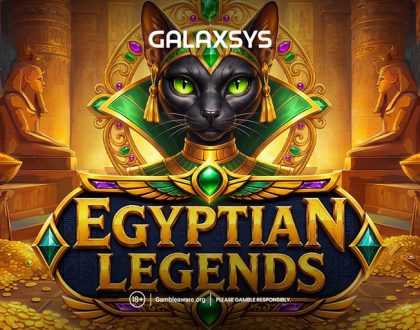
Galaxsys launches Egyptian Legends slot with ancient Egyptian features
September 10, 2026

Playson releases Golden Penny x1000: Super Wheel with new bonus feature
September 10, 2026
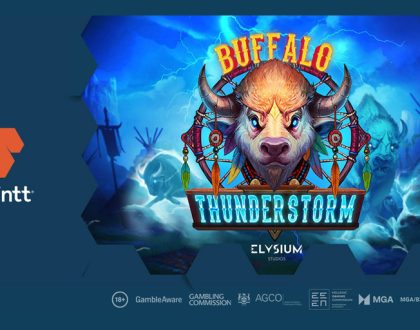
Swintt introduces Buffalo Thunderstorm slot in its Elysium Studios lineup
September 10, 2026

ICONIC21 sponsors BC Rytas as part of wider expansion plans in Lithuania
September 10, 2026