Streaming platforms under pressure to ban casino content

Ban on casino-related content is becoming a pressing issue for streaming platforms as regulatory bodies and public opinion push for stricter guidelines. As the popularity of online gambling rises, concerns over its impact on viewers, particularly minors, are prompting calls for action. Major streaming services are now facing increased scrutiny regarding their policies on such content, leading to potential changes in their programming strategies. This post explores the unfolding situation, examining the factors driving the demand for bans and the implications for streaming platforms moving forward.
The Rising Tide of Online Gambling
The Boom of iGaming Industry
The iGaming industry has witnessed unprecedented growth, fueled by technological advancements and changing regulations. As of 2023, the global online gambling market was valued at over $66 billion, with projections to surpass $100 billion by 2026. This surge can be attributed to the proliferation of smartphones and high-speed internet, allowing users to engage in gaming from virtually anywhere. Key players like DraftKings and FanDuel have expanded their offerings, focusing on innovative betting solutions that attract millions of users worldwide.
Shifts in Consumer Preferences
Consumer preferences are rapidly shifting towards online gambling platforms, particularly among younger demographics. The popularity of mobile apps designed for sports betting, online casinos, and live dealer experiences has transformed how individuals interact with gambling content. Research indicates that over 70% of online gamblers now prefer mobile devices over traditional desktop formats, reflecting a lifestyle integration of gaming into daily activities.








This pivot in consumer behavior emphasizes the demand for convenience and accessibility. Millennial and Gen Z users favor engaging, interactive experiences, such as social gaming and live-streamed betting events, that enhance their overall entertainment value. Platforms are responding by integrating gamification elements and personalized features, resulting in higher retention rates and spending levels. With these shifts, companies are increasingly tailoring their offerings to foster community interactions, indicating a departure from conventional gambling practices, and reshaping the industry's landscape.
Convergence of Entertainment and Gambling
How Streaming Platforms Fuel Casino Culture
Streaming platforms have become significant players in fueling casino culture by incorporating gambling themes into popular content. Series like “The Gambler's Guide to Love” showcase gambling as a lifestyle choice, merging cinematic storytelling with casino aesthetics. Additionally, live-streaming events of poker tournaments and eSports betting have realigned traditional entertainment models, making gambling accessible to wider audiences. This seamless integration influences viewer behavior, encouraging engagement with gambling as a form of entertainment rather than a risky activity.
The Impact of Gamification in Streaming Content
Gamification within streaming content elevates user interaction and promotes addictive viewing habits. Platforms employ techniques such as rewards, leaderboards, and interactive features that mimic casino mechanics. As viewers earn points or unlock bonuses by watching certain shows, the thrill of competition enhances their experience, often leading them to explore actual gambling options available on affiliated sites. This creates a loop where entertainment blends with gambling, compelling consumers to engage beyond their screens.
Structured around psychological incentives, gamification leverages the allure of instant gratification and competition to keep viewers engaged. By rewarding users with badges or exclusive content for watching specific programs, streaming services create a sense of achievement reminiscent of casino rewards. This strategy not only fosters loyalty to the platform but also drives users to explore external gambling opportunities, thus blurring the lines between entertainment and wagering. Reports indicate that platforms implementing such features see a marked increase in user retention and active participation, highlighting a powerful trend in content consumption.
The Regulatory Landscape: A Shifting Environment
Variations in Global Gambling Regulations
Different countries operate under distinct regulations governing gambling activities, reflecting varied cultural attitudes and legal frameworks. For instance, while countries like the UK enforce stringent licensing requirements for online casinos, others, like the United States, feature a patchwork of state-specific laws. Countries such as Australia embrace a more relaxed regulation approach, permitting online betting without a national licensing system. This regulatory diversity creates varying levels of compliance challenges for streaming platforms and content creators as they navigate these complex landscapes.
The Role of Advertising Standards
Advertising standards play a pivotal role in shaping how gambling content is presented on streaming platforms. Organizations like the Advertising Standards Authority (ASA) in the UK set clear guidelines to ensure that promotional content is not misleading and does not target vulnerable audiences. Recent rulings emphasize the need for responsible advertising, obliging companies to include disclaimers and promote safer gambling practices. Violations can incite hefty fines or bans, exemplifying the regulatory pressure on streaming services to monitor and control the gambling-related content they air.
This regulatory environment surrounding advertising necessitates that streaming platforms remain vigilant in their content offerings. For instance, in the wake of increased scrutiny, many platforms have adopted strict content review processes, aligning with local gambling laws while also adhering to ethical standards in advertising. Non-compliance can lead to significant repercussions, including loss of advertising partnerships or legal challenges. The responsiveness of platforms to these standards will be key in navigating the evolving landscape of gambling content while protecting their audience and brand reputation.
Public Sentiment: Growing Calls for Accountability
Concern Among Parents and Advocacy Groups
Parents and advocacy groups express increasing concern over the accessibility of casino content on streaming platforms. Reports indicate that 63% of parents believe such content can negatively influence their children's perception of gambling. Advocacy organizations are pushing for stricter regulations, arguing that exposure to gambling-themed shows glamorizes addiction and blurs the lines between entertainment and risk, potentially leading to increased gambling behaviors among youth.
Social Media's Role in Amplifying Voices
Social media platforms are rapidly becoming crucial tools for advocacy against gambling content in entertainment. Hashtags like #BanCasinoContent have gained traction, mobilizing thousands of users to share their concerns. Influencers and activists leverage these platforms to amplify messages, highlighting personal stories and statistics that underline the negative impact of gambling exposure. Public sentiment on social media influences streaming services' policies, pressuring them to reconsider the inclusion of such content.
The reach of social media has transformed individual voices into collective movements. For instance, a recent viral tweet from a concerned parent garnered over 10,000 likes and sparked a nationwide conversation among families about the harmful effects of gambling portrayals in media. This online momentum prompts streaming platforms to respond to consumer demands, leading to potential changes in content offerings. Engaging content, interactive discussions, and widespread sharing facilitate a grassroots movement, urging stakeholders to consider public health implications related to gambling visibility.
Streaming Platforms' Dilemmas: Balancing Profit and Responsibility
The Influence of Advertisers and Sponsorships
Advertisers play a significant role in shaping the content offered by streaming platforms, as brands increasingly seek to reach audiences through engaging sponsorships. With digital ad spending projected to surpass $500 billion in 2024, platforms face pressure to monetize their content effectively, often leading to partnerships with gambling companies. The embrace of such sponsorships can lead to ethical dilemmas, particularly when they impact young or vulnerable viewers.
Ethical Considerations in Content Creation
Ethical content creation requires a balance between profit and social responsibility, especially in the context of gambling-related materials. Streamers must weigh their financial incentives against the potential harm caused by promoting addictive behaviors. A survey conducted by the Responsible Gambling Council found that 43% of gamers reported feeling influenced by gaming content that featured gambling elements, revealing the need for responsible practices.
Streaming platforms now find themselves at a crossroads, navigating viewer engagement and the urgency of ethical standards. The allure of increased revenue through gambling-related content can overshadow the importance of viewer protection, especially when young audiences are involved. Platform executives are recognizing that the integrity of their content may be compromised by prioritizing sponsorship dollars, leading to calls for stricter guidelines that prioritize public welfare over profit margins. These considerations demand a reevaluation of existing content and advertising strategies to align with broader ethical commitments, ensuring that platforms do not inadvertently promote harmful behaviors.
What a Ban Would Mean: Implications for Creators and Consumers
Potential Economic Consequences for Platforms
A ban on casino content could lead to significant revenue losses for streaming platforms, which often rely on partnerships with gaming companies for advertising and sponsorships. A study by eMarketer indicated that digital ad spending in the gaming sector was projected to exceed $6 billion in the U.S. alone. Losing access to this lucrative market may force platforms to either cut costs or increase subscription fees to compensate for diminished income streams.
The Future of Content Diversity in Streaming
A shift away from casino-related content could limit the variety of programming available on streaming platforms. Many creators thrive by producing niche content that resonates with specific audiences, including gambling enthusiasts. Reducing this diversity could alienate certain consumer segments and impact platforms' overall subscriber growth. A case study from the 2021 ban of gambling ads in some European countries showed a swift decline in related content creation, which can hinder the development of unique storytelling and innovations in programming.
Alternatives: Ways to Address the Issue Without Bans
Implementing Responsible Gambling Messaging
Streaming platforms can effectively address concerns by integrating responsible gambling messaging across their casino content. Clear disclaimers can guide consumers towards understanding the risks associated with gambling, while directing them to resources for help. Incorporating these messages prominently within advertisements and programming can foster a culture of awareness among viewers, especially younger audiences. This proactive approach empowers consumers to make informed choices.
Developing Industry Standards and Guidelines
Establishing industry standards and guidelines can create a framework for responsible content dissemination, promoting accountability among streaming platforms. Collaboration among industry stakeholders, such as content creators, advertisers, and regulatory bodies, is necessary to develop comprehensive protocols that ensure responsible gambling practices. These standards can include strict rules about marketing tactics, age restrictions, and consumer education initiatives.
By forming a coalition of industry players, platforms can better align on best practices that prioritize consumer protection. Guidelines could encompass a variety of areas, including age verification protocols to restrict access to minors, content ratings similar to those used in film classification, and protocols for disclosure that highlight the potential risks of gambling. Implementing these standards not only helps to mitigate public concern but also enhances credibility and trust in the streaming platforms themselves, showcasing a commitment to viewer welfare without resorting to blanket bans.
The Path Forward: Collaboration Between Stakeholders
Engaging with Regulators, Creators, and Consumers
Open dialogue between streaming platforms, regulators, content creators, and consumers is crucial for navigating the complexities of casino content. By hosting forums and workshops, stakeholders can collaboratively establish guidelines that balance entertainment value with regulatory compliance and consumer protection concerns. This engagement fosters transparency and creates opportunities for shared learning, enabling all parties to voice their perspectives and influence sustainable practices.
Building a Sustainable Framework for Future Content
A sustainable framework for future content must prioritize ethical considerations while allowing for innovative expression. Collaborative guidelines can be crafted through partnerships between streaming services and the gaming industry, integrating responsible gaming practices within the content creation process. Incentives for creators who produce responsible gaming content can stimulate more balanced narratives, while ensuring that consumer interests remain at the forefront of development.
By leveraging data analytics, platforms can identify viewer demographics and preferences around casino-themed content, allowing more informed decision-making on what to feature. This can lead to tailored content that promotes educational elements regarding responsible gambling, reaching audiences effectively. Additionally, establishing clear metrics for content performance in relation to adherence to these guidelines will foster accountability and demonstrate commitment to social responsibility. Through these measures, a framework emerges that protects consumers while encouraging creative expression in a growing industry.
Final Words
Following this growing scrutiny, streaming platforms face increasing pressure to implement bans on casino content, spurred by concerns over gambling addiction and its societal impacts. Regulatory bodies and advocacy groups are calling for stricter guidelines to safeguard viewers, particularly vulnerable populations. Consequently, platforms must navigate these demands while balancing their content portfolios and user engagement strategies. The outcome of this discourse will likely shape the future landscape of streaming services and their responsibility in promoting ethical viewing practices.
FAQ
Q: Why are streaming platforms facing pressure to ban casino content?
A: Streaming platforms are under pressure due to rising concerns about gambling addiction and its impact on vulnerable audiences, particularly minors. Advocacy groups argue that the portrayal of casinos and gambling can normalize risky behavior and undermine public health efforts aimed at reducing gambling-related harm.
Q: What impact could a ban on casino content have on streaming platforms?
A: A ban on casino content could significantly affect revenue streams derived from sponsorships and advertising partnerships with gambling companies. Additionally, it may lead to programming adjustments, affecting viewer engagement and subscription rates if popular content is removed or altered.
Q: How are stakeholders responding to the calls for banning casino content?
A: Stakeholders, including content creators, advertisers, and regulatory bodies, are divided. Some advocate for stricter content guidelines to protect viewers, while others argue for creative freedom and the economic benefits of gambling-related content. Ongoing discussions are exploring balanced approaches that address concerns while maintaining diverse programming.

Lela
I have over 10 years' experience proofreading and editing where spelling and grammar were paramount. This includes newspaper publication and designing advertisements. I personally write all my articles.This allows me to do in-depth research and provide premium content.
Related Posts
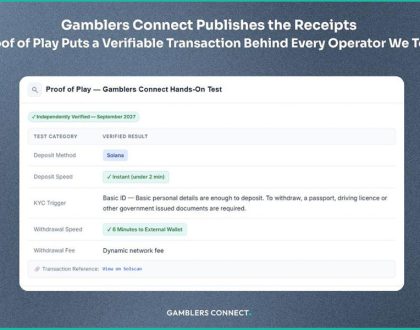
Gamblers Connect launches Proof of Play for transparent operator reviews
September 21, 2026

Ygam reports stronger impact as youth gambling harm prevention expands
September 14, 2026


Kongebonus launches complaints centre for Norway’s online casino players
September 8, 2026


Sweden launches gambling harm inquiry focused on children and young men
September 5, 2026

Mindway AI partners with Gaming1 to advance responsible gambling in NL
September 3, 2026