

















Sweden launches gambling harm inquiry focused on children and young men
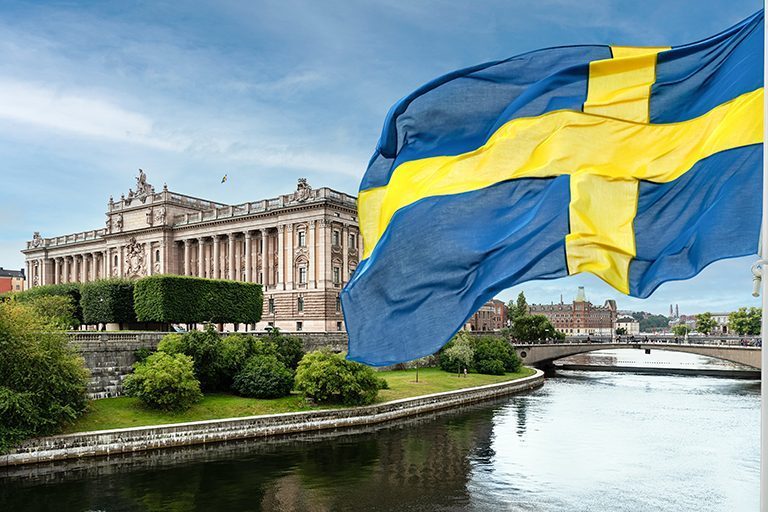
Sweden has launched a government inquiry into gambling among children and young adults as concerns grow over gambling harm, particularly among boys and young men. Announced on September 3, 2026, the review is intended to examine how gambling habits are developing and identify measures that could strengthen protections for younger people.
The initiative comes as the Swedish Government highlights the potential consequences associated with problematic gambling, including financial difficulties, health problems and possible involvement in criminal environments. Rather than introducing a specific new restriction immediately, the government has commissioned an investigation designed to gather evidence and assess what additional measures may be justified.
Health Care Minister Elisabet Lann said the issue has become increasingly serious among younger men. She stated: “Gambling problems are a serious and rapidly growing social problem, especially among young men, who are at risk of being very badly harmed. In just a few years, there has been a doubling of risky gambling among young men and one in five are affected.”










The government’s announcement reflects findings that have also been reported in Swedish research. A 2026 study from the Centralförbundet för alkohol- och narkotikaupplysning indicated that almost one in five men aged 18 to 29 who gamble for money either had gambling problems or were at risk of developing them, with the level described as nearly twice that recorded in 2021.
Zandra Milton appointed to lead the inquiry
Chefsjurist Zandra Milton has been appointed as the special investigator responsible for the review. The assignment is broad and focuses on building a stronger evidence base around gambling among children and young adults before recommendations are made.
The inquiry will pay particular attention to boys and young men. The government's framing reflects concern that this group is disproportionately represented among people experiencing gambling-related difficulties. At the same time, the review is intended to address protection for children and young adults more broadly rather than treating the problem as limited to one demographic.
Nina Larsson, Sweden's Minister for Gender Equality, linked the issue to wider gender equality considerations. She stated: “Boys and young men are greatly overrepresented among those who get caught up in gambling addiction. I am also concerned that the proportion of boys with risky gambling has doubled in recent years. We must reverse the negative trend. Preventing young boys from getting caught up in problematic gambling is an important gender equality issue.”
The government has therefore positioned gambling harm not only as a consumer protection and public health matter but also as an issue that can affect wider social outcomes.
Marketing exposure will come under review
One of the inquiry's central tasks will be to examine gambling marketing directed at or visible to younger audiences. The investigation will map marketing from both licensed and unlicensed operators and assess children's and young adults' gambling habits across both parts of the market.
The purpose is not simply to identify whether younger people encounter gambling advertising. The government wants the investigator to consider whether further measures are needed to reduce exposure and strengthen existing safeguards.
Sweden already places restrictions on gambling marketing. The Swedish Gambling Authority states that gambling marketing must be moderate and must not specifically target people under 18 or people who have self-excluded.
The inquiry could therefore become an important test of whether current protections remain effective as gambling promotion increasingly reaches audiences through digital channels and rapidly changing online environments.
Criminal exploitation is an issue for investigation
The inquiry will also examine whether gambling environments may be used to identify or exploit vulnerable young people for criminal activity. The wording of the government mandate is investigative rather than accusatory. It asks whether such practices exist and, where appropriate, whether additional measures should be considered.
That distinction is important because the government has not stated that gambling operators or the licensed gambling sector as a whole are involved in criminal recruitment. Instead, the investigator has been instructed to determine whether vulnerabilities connected with gambling could create opportunities for exploitation and whether policy responses are necessary.
The subject also reflects the broader public policy debate around young people's exposure to harmful activity in digital environments.
Gambling-style features in games also included
The review extends beyond conventional gambling products. It will examine existing efforts to limit children's and young people's access to lottery-like features, casino-style elements and similar mechanics incorporated into video games.
This part of the mandate recognises the increasingly blurred boundary between gaming and gambling. The Public Health Agency of Sweden has previously identified the relationship between gambling and phenomena in the grey area between gaming and gambling, including loot boxes and skin betting, as an area associated with gambling problems.
The new inquiry could therefore have implications beyond licensed casinos, betting sites and lotteries. It may also contribute to a broader discussion about how gambling-like mechanics are presented to younger audiences who may not regard them as gambling in the traditional sense.
Sweden weighs stronger protections against the unlicensed market
A central challenge for Swedish policymakers will be balancing stronger consumer protections with the risk that tighter rules could shift activity toward operators outside the Swedish licensing system.
The government has specifically instructed the investigator to study regulatory approaches in other countries and assess potential measures for Sweden. At the same time, the review must consider whether new restrictions could increase gambling through operators without a Swedish licence. Gambling with those operators is outside the protection provided by Sweden's gambling regulation.
The issue is particularly relevant following the latest channelisation figures from the Swedish Gambling Authority. The authority estimated that 84% of gambling in the competitive parts of the Swedish market took place with operators holding a Swedish licence in 2025, compared with 85% in 2024. It also estimated that 94% of players gambled with licensed operators during 2025.
The figures underline why policymakers must consider both consumer protection and market participation when assessing new rules.
Spelpaus and financial safeguards under examination
The inquiry will also assess whether the existing self-exclusion framework can provide stronger support to people who want to stop gambling. In particular, the government wants the investigator to consider the possibility of additional support linked to Spelpaus.se.
Spelpaus.se is operated as a free national self-exclusion service provided by the Swedish Gambling Authority. A self-exclusion covers registered gambling with all Swedish-licensed gambling companies, including online casinos, betting, bingo and online lotteries.
The inquiry will additionally examine whether the financial circumstances of young players should be checked as part of gambling activity. Mandatory time limits are another potential measure included in the assignment.
These proposals remain subjects for investigation rather than confirmed changes to Swedish law. Any eventual legislative measures would depend on the outcome of the inquiry and the government's subsequent policy process.
Wider public health concerns shape the debate
The Swedish Government‘s approach is consistent with a wider public health focus on the consequences of problematic gambling. The Public Health Agency of Sweden states that gambling problems can affect individuals, families and wider society and notes that young people may gamble despite age restrictions.
That broader perspective is significant because gambling harm is not limited to losses at the point of play. Financial pressure can affect households, while problematic behaviour may also be associated with social and health consequences. The government's inquiry is consequently being framed around prevention as well as intervention.
The emphasis on earlier protection could also influence how authorities approach risk identification among younger players. Rather than waiting until severe gambling problems emerge, the review may help determine whether earlier interventions can reduce the likelihood of long-term harm.
Government sets 2028 deadline for recommendations
The inquiry has a clear timetable. Zandra Milton is expected to present the government's requested proposals no later than February 29, 2028.
Niklas Wykman, Minister for Financial Markets and the minister responsible for gambling policy, has stressed that responsibility for a safe gambling environment extends beyond government. He stated: “A safe and healthy gambling market therefore requires that both the state and the gaming companies take responsibility for strengthening the protection of people who are at risk of harm.”
The statement signals that future policy discussions are likely to involve both public authorities and the gambling industry, particularly around responsible gambling measures and compliance with consumer protection requirements.
Conclusion
Sweden's new gambling inquiry represents a substantial review of how the country's gambling framework protects younger people as digital access, marketing practices and gambling-style game mechanics continue to evolve. Its focus on children, young adults and particularly boys and young men reflects concern over emerging patterns of gambling harm while leaving the evidence-gathering process to determine which policy responses are proportionate.
The inquiry is also significant because it does not consider protection in isolation. Its mandate requires attention to licensed and unlicensed gambling, advertising exposure, self-exclusion, financial safeguards, gambling-like features in games and the possibility of exploitation of vulnerable young people. That broad remit gives the review the potential to shape several areas of Sweden's gambling policy rather than producing a narrowly targeted regulatory change.
For the industry, the process may reinforce the importance of responsible gambling systems and careful marketing practices. For policymakers, the challenge will be to strengthen protection without undermining the regulated market to the point that consumers migrate toward less controlled alternatives. The final recommendations in 2028 will therefore be important not only for addressing gambling harm but also for determining how Sweden balances public health, consumer protection and the long-term integrity of its regulated gambling market.
FAQs
Why has Sweden launched a new gambling inquiry?
Sweden has launched the inquiry to assess gambling among children and young adults and develop measures that could reduce gambling-related harm and strengthen protections for younger people.
Why is the inquiry focused particularly on young men?
The Swedish Government says boys and young men are disproportionately represented among people affected by gambling problems and has highlighted rising levels of risky gambling in this group.
Who will lead the Swedish gambling inquiry?
Chefsjurist Zandra Milton has been appointed as the special investigator responsible for conducting the inquiry and preparing recommendations.
Will the inquiry examine gambling advertising?
Yes. The assignment includes mapping marketing by both licensed and unlicensed gambling operators and considering whether additional measures are needed to reduce exposure among children and young adults.
Will unlicensed gambling be part of the investigation?
Yes. The inquiry will examine gambling behaviour in both licensed and unlicensed markets and assess the potential effect of new protective measures on gambling outside Sweden's licensing framework.
Will video games be included in the inquiry?
Yes. The review will examine lottery-like and casino-style features in video games and assess whether further measures may be needed to limit children's and teenagers' access to such elements.
What is Spelpaus.se?
Spelpaus.se is Sweden's national self-exclusion service. It allows individuals to exclude themselves from registered gambling with all gambling companies licensed in Sweden.
Could mandatory gambling time limits be introduced?
Mandatory time limits are among the measures the investigator has been instructed to consider. Their introduction has not been confirmed and would depend on the inquiry's findings and any later government decisions.
Will young players' finances be assessed?
The inquiry will examine the need and potential conditions for reviewing the financial circumstances of young players in connection with gambling.
When will the inquiry report its findings?
The government has set February 29, 2028 as the deadline for the inquiry to present its proposals.

Anna Amstill
I am an avid Blogger and Writer with more than 6 years of experience with Content Writing. An Online Marketing expert specializing in Blog writing, Article writing, Website content, SEO specific Keyword content and much more. Education B.A. - business management, York University, Canada, Graduated 2016.
Related Posts


South Africa’s online gambling activity rises 390%, SRI report finds
October 21, 2026

