The New Wave of Litigation Against Offshore Operators
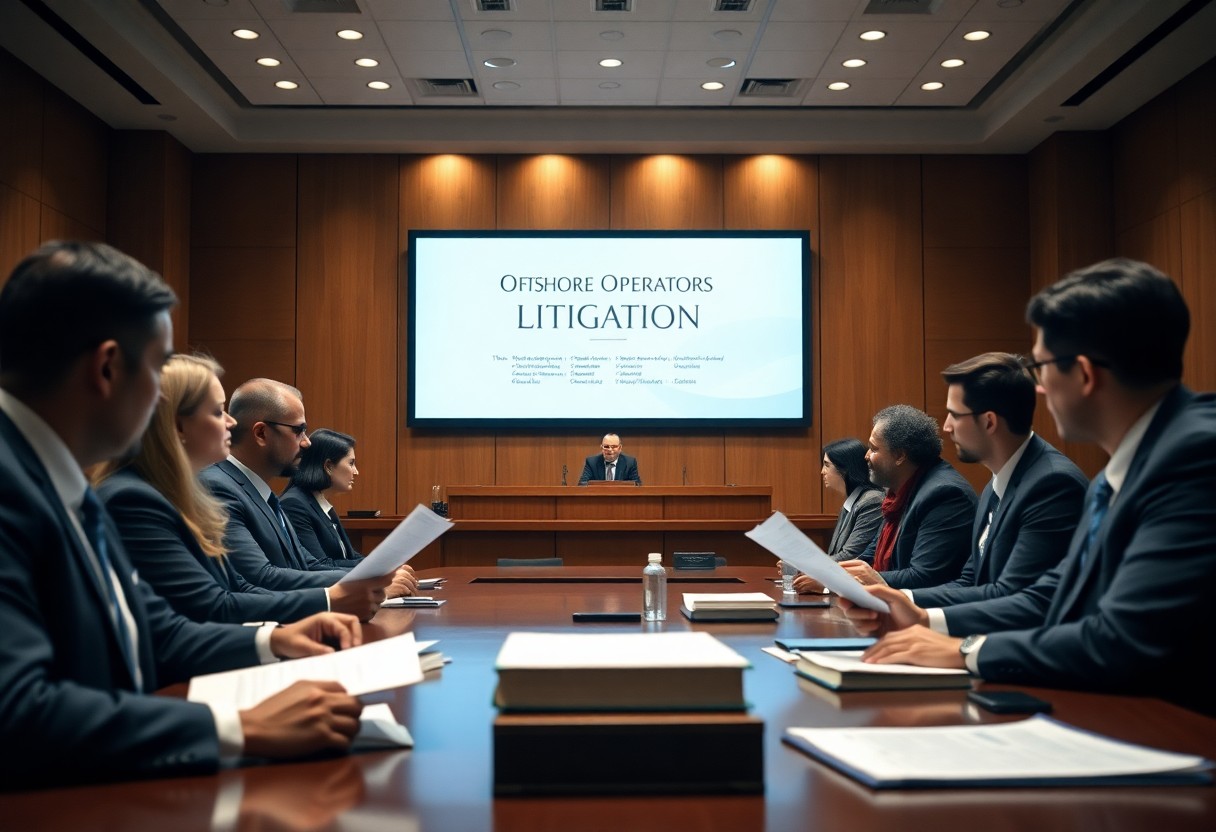
Many businesses are increasingly facing legal challenges as regulatory scrutiny on offshore operations intensifies. This blog post explores the emerging trends in litigation against offshore operators, highlighting the factors driving these legal actions and the implications for companies engaged in international business activities. Understanding the legal landscape is important for stakeholders to navigate risks and ensure compliance while protecting their interests in a rapidly evolving environment.
Key Takeaways:
- Increased regulatory scrutiny is driving litigation against offshore operators related to compliance and environmental concerns.
- Litigation strategies are evolving, with plaintiffs leveraging international laws to challenge offshore practices.
- Offshore operators face heightened legal risks due to emerging technologies and evolving industry standards.
The New Wave of Litigation Against Offshore Operators
Definition and Scope of Offshore Operations
Offshore operations refer to activities conducted in marine environments beyond the territorial sea, including oil and gas exploration, renewable energy projects, and fishing. These operations often involve significant capital investment, complex logistics, and intersect with international waters, making them subject to both national and international regulations.
Key Players in Offshore Industries
The offshore industry comprises a range of stakeholders, including multinational oil and gas corporations, specialized engineering firms, environmental organizations, and government agencies. Each player has a distinct role, from resource extraction to regulatory enforcement, contributing to the industry's complexity.










Major corporations like BP, Shell, and Chevron dominate the market, often partnering with engineering firms like TechnipFMC and Schlumberger for project execution. Environmental watchdogs such as Greenpeace and WWF advocate for sustainable practices, while government entities enforce regulations. This intricate network can lead to conflicting interests, especially when litigation arises over environmental impact or regulatory compliance.
Regulatory Framework Governing Offshore Operators
The regulatory landscape for offshore operations is shaped by a mix of international treaties, national laws, and regional agreements. Organizations like the International Maritime Organization (IMO) and the United Nations Convention on the Law of the Sea (UNCLOS) set guidelines, but enforcement varies significantly by jurisdiction.
For instance, the U.S. Bureau of Ocean Energy Management (BOEM) oversees offshore oil and gas leasing in U.S. waters, requiring compliance with environmental assessments. In contrast, regulations in some countries may be less stringent, leading to debates over safety and environmental practices. The discrepancies in regulatory enforcement create challenges and potential liabilities for operators, often triggering litigation over compliance or environmental harm.
Historical Context of Litigation Against Offshore Operators
Major Legal Cases Pre-2020
Before 2020, notable cases such as the 2010 Deepwater Horizon spill highlighted the legal vulnerabilities of offshore operators. The aftermath led to thousands of lawsuits, culminating in a $20 billion settlement. Additionally, various jurisdictions pursued legal actions against companies for non-compliance with environmental standards, emphasizing the growing trend of litigation in this sector.
Trends in Offshore Litigation
Recent years have seen an uptick in litigation against offshore operators, with increasing focus on environmental, regulatory, and labor issues. Offshore drilling companies are now facing lawsuits not only for catastrophic failures but also for failing to meet evolving compliance standards. This trend signifies a shift towards more proactive legal strategies from affected stakeholders.
Notably, the rise of class action lawsuits and collective bargaining claims reflects a more organized approach by affected communities and workers seeking justice. Moreover, law firms specializing in offshore litigation are increasingly investing resources to hold operators accountable, leading to changes in corporate practices. This evolving landscape illustrates a broader societal demand for accountability in offshore operations, driven by greater public awareness of environmental impacts and workers' rights.
Impact of Global Economic Changes on Litigation
Global economic shifts significantly influence litigation against offshore operators, with fluctuating oil prices prompting increased scrutiny from regulators and stakeholders alike.
As economic conditions tighten, companies may cut corners on safety and compliance to maintain profitability, often resulting in a higher volume of litigation. The pandemic, for instance, has further complicated contractual obligations, leading to disputes over force majeure clauses and operational delays. This dynamic creates fertile ground for increased legal challenges, as affected parties seek remediation for perceived negligence or corporate malfeasance during economic downturns. Additionally, economic sanctions and trade tensions can exacerbate risk profiles, compelling operators to reassess their liability exposure.
The Rise of New Litigation Strategies
Class Action Lawsuits Against Offshore Companies
Class action lawsuits are becoming a popular avenue for holding offshore operators accountable. By aggregating claims from multiple plaintiffs, these lawsuits lower individual costs and can leverage considerable pressure on companies to settle. Recent cases illustrate how organized groups of affected parties have successfully challenged offshore drilling practices, leading to significant settlements and heightened awareness of corporate accountability in environmental matters.
Use of Environmental Law in Offshore Litigation
Increasingly, plaintiffs are utilizing environmental law as a framework to challenge offshore operations. This approach allows for the application of stringent standards that offshore operators must adhere to, particularly regarding pollution and ecological damage. Courts are now more receptive to claims rooted in environmental legislation, recognizing the growing public concern over corporate practices that jeopardize marine ecosystems.
Recent rulings have shown that environmental laws can effectively ground liability claims against offshore entities, particularly under the Clean Water Act and the National Environmental Policy Act. By employing environmental statutes, plaintiffs can seek not just damages for harm but also injunctive relief that compels operators to adopt safer practices. This legal backbone has empowered communities affected by offshore drilling, as they push for accountability in light of evident ecological degradation.
Innovations in Legal Technology and their Impact
Innovations in legal technology are reshaping how litigation against offshore operators is conducted. Tools such as AI-driven data analysis and litigation management software streamline case research and extend access to critical information. These advancements allow legal teams to process vast amounts of data more efficiently, thus building stronger cases against offshore companies while minimizing costs and time delays.
The advent of legal tech solutions not only enhances operational productivity but also democratizes access to legal resources. For instance, platforms that aggregate environmental data enable plaintiffs to substantiate their claims with concrete evidence, such as pollution tracking and historical data analysis. This technological shift is vital, especially as litigation becomes more complex and competitive, ensuring that smaller firms and advocacy groups can effectively take on larger, well-resourced offshore operators.
Key Drivers Fueling New Litigation
Increased Public Awareness and Activism
Public awareness surrounding environmental issues and corporate accountability has surged, empowering activists to scrutinize offshore operators. Social media platforms have amplified voices that demand transparency and responsibility, leading to more public campaigns and litigation efforts against companies perceived to be harming the environment or evading regulations. This grassroots activism often creates a ripple effect, prompting legal action as communities seek redress for environmental injustices.
Changes in International Trade Policies
Recent shifts in international trade policies, such as tariffs and sanctions, are reshaping the landscape for offshore operators. These changes not only affect profitability but also increase legal vulnerabilities as companies navigate new compliance requirements. As nations reassess their trade relationships, operators may find themselves exposed to heightened scrutiny and litigation risks stemming from non-compliance or questionable operational practices.
In particular, the rising trend of protectionism and competitive nationalism has encouraged countries to impose stricter regulations on businesses engaged in offshore operations. For instance, the U.S. and EU are increasingly scrutinizing these companies for potential violations of labor or environmental laws. As a result, offshore operators must adapt swiftly or face the possibility of legal challenges stemming from non-compliance with shifting trade norms.
Environmental Disasters and Liability Issues
Environmental disasters linked to offshore operations have spurred an uptick in litigation, as affected communities demand accountability from companies responsible for ecological harm. High-profile incidents, such as oil spills and chemical leaks, have spotlighted the existing gaps in regulatory frameworks and increased public desire for legal recourse.
Litigation often centers around the principle of holding corporations liable for environmental degradation, particularly when operations intersect with vulnerable ecosystems. For instance, the aftermath of the Deepwater Horizon oil spill awakened a new era of legal accountability, fostering a slew of lawsuits against companies that neglect ecological safeguards. Communities impacted by such disasters are now more empowered to pursue litigation, seeking not only compensation but also to enforce stricter environmental standards. This trend suggests that ongoing environmental challenges will continue to drive litigation against offshore operators in the years to come.
Notable Cases of Recent Litigation
Case Study: Environmental Impact Claims
Litigation concerning environmental impact has surged, with landmark cases targeting offshore operators for disastrous oil spills and biodiversity loss. In 2021, a suit against a major oil company highlighted the long-term ecological damage caused by negligent drilling operations, prompting significant regulatory scrutiny and public outcry, while resulting in multi-million dollar settlements aimed at restoration efforts.
Case Study: Labor Rights Violations in Offshore Operations
Labor rights violations in offshore operations have triggered lawsuits aimed at improving working conditions. Notably, a case in the Gulf of Mexico involved workers who claimed they faced unsafe conditions, excessive hours, and inadequate compensation. This led to increased pressure on companies to adhere to labor standards.
This case uncovered systemic neglect within the industry, revealing that many workers were not even aware of their rights. Legal challenges are now pushing operators to implement comprehensive training and enforce better practices to protect employees, with courts increasingly siding with laborers demanding fair treatment and working conditions.
Case Study: Tax Evasion and Financial Accountability
Tax evasion and financial accountability have arisen as significant issues in litigation against offshore operators. A notable case involved a multinational corporation accused of funneling profits through shell companies to minimize tax liabilities, prompting legal actions from various governments seeking restitution and transparency.
Responses from Offshore Operators
Legal Defense Strategies Employed
Offshore operators are increasingly relying on multifaceted legal defense strategies, often involving jurisdictional arguments, claims of compliance with international standards, and challenging the validity of plaintiffs' claims. They strategically utilize expert testimonies and data to counter environmental damage assertions, sometimes calling on industry norms as benchmarks. These defenses aim not only to dismiss cases but also to shape the legal landscape concerning offshore regulations.
Corporate Social Responsibility Initiatives
In response to growing scrutiny, many offshore operators have ramped up their corporate social responsibility (CSR) initiatives, emphasizing their commitment to sustainable practices and community engagement. This includes investment in renewable energy projects and enhanced safety protocols to minimize environmental impacts while maintaining operational efficiency.
Specific CSR initiatives have seen companies like Shell and BP invest billions into renewable energy and carbon offset programs, aiming to reduce their carbon footprint and improve corporate image. By engaging in local community projects, operators not only build goodwill but also demonstrate proactive involvement in environmental stewardship. Additionally, transparency in reporting these initiatives has become imperative, helping to reassure stakeholders about their commitment to sustainability.
Changes in Operational Practices Post-Litigation
Following litigation, many offshore operators have instituted significant changes in their operational practices. These modifications often encompass advanced technology adoption for leak detection, enhanced training for personnel on environmental protocols, and stricter adherence to compliance measures.
For example, companies such as Chevron have adopted real-time monitoring systems for environmental impacts, which allow for immediate response to potential issues. Additionally, operators are now engaging third-party audits to ensure adherence to both legal and corporate standards. The implementation of more rigorous operational practices not only reduces risk but also aligns with evolving stakeholder expectations for greater accountability in offshore operations.
To wrap up
Drawing together the various trends in litigation against offshore operators, it is evident that the landscape is evolving rapidly. Increasing regulatory scrutiny and heightened stakeholder awareness are driving a wave of legal challenges aimed at ensuring accountability and transparency. This new wave represents not only a shift in enforcement strategies but also a broader push for ethical practices in offshore operations. As these legal precedents develop, they will likely shape the future of the industry and set benchmarks for operational conduct worldwide.
FAQ
Q: What is the main reason for the increase in litigation against offshore operators?
A: The rise in litigation is primarily driven by environmental concerns, regulatory changes, and increasing scrutiny from both governments and advocacy groups regarding the operations and practices of offshore operators.
Q: Which jurisdictions are seeing the most litigation against offshore operators?
A: Jurisdictions with significant offshore activities, such as the Gulf of Mexico, North Sea, and areas of Southeast Asia, are experiencing heightened litigation due to both local laws and international regulations.
Q: What types of claims are commonly filed against offshore operators?
A: Common claims include environmental damage, negligence, regulatory non-compliance, and violations of maritime laws, often related to oil spills, pollution, and worker safety issues.
Q: How are offshore operators responding to the surge in litigation?
A: Offshore operators are enhancing compliance measures, investing in environmental protection technologies, and seeking legal counsel to adapt their practices and mitigate risks associated with potential lawsuits.
Q: What impact does this wave of litigation have on the offshore industry?
A: The wave of litigation can lead to increased operational costs, shifts in investment strategies, and changes in regulatory compliance practices, ultimately affecting profitability and sustainability in the offshore sector.

Esther
I am a professional writer with 8 years of experience in this field and I can provide you with the best-written content you can find. Education B.A. - English, George Washington University, United States, Graduated 2011.