How Offshore Servers Complicate Enforcement in the EU?
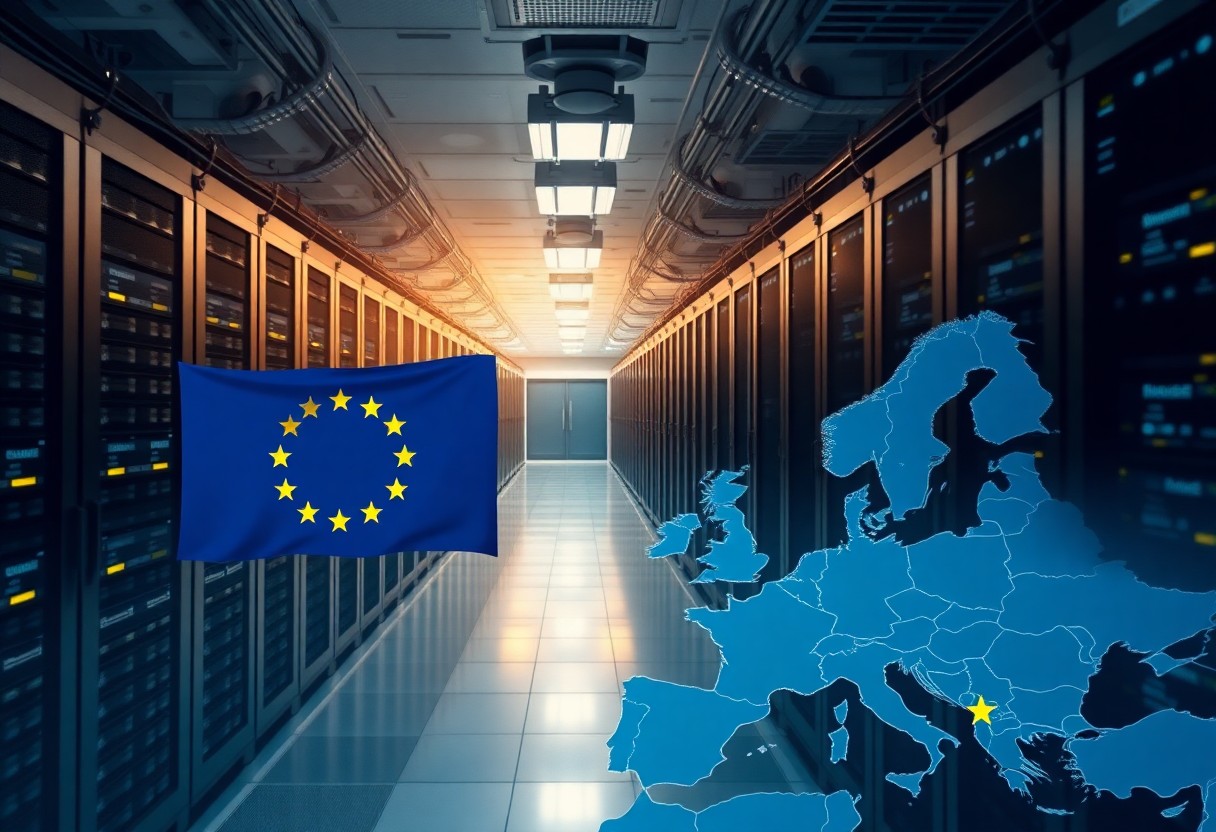
Servers located offshore significantly complicate legal enforcement within the European Union. These remote infrastructures often operate under lax regulations, making it challenging for EU authorities to access data and hold entities accountable for violations of local laws. The jurisdictional ambiguities associated with these offshore servers create obstacles in investigations, data requests, and cooperation between member states, undermining the effectiveness of regulatory frameworks designed to uphold privacy and compliance standards. Understanding these complexities is crucial for addressing the growing challenges posed by offshore data hosting in the digital age.
Key Takeaways:
- Offshore servers can obscure the location of data and ownership, complicating jurisdiction and regulatory enforcement for EU authorities.
- Legal challenges arise due to differing international data protection laws, making cross-border cooperation difficult.
- The potential for evading EU regulations increases as businesses may take advantage of more lenient laws in offshore jurisdictions.
Understanding Offshore Servers
Definition of Offshore Servers
Offshore servers are hosting services located outside the jurisdiction of a user's home country, typically in regions with favorable laws for privacy, data protection, and limited governmental oversight. These servers allow users to store and manage data beyond the reach of local law enforcement and regulatory entities.
Types of Offshore Hosting
Offshore hosting comes in various forms, each catering to different needs. Some prominent types include shared hosting, VPS (Virtual Private Server) hosting, dedicated servers, and cloud hosting. Each type offers distinct advantages and technical specifications, affecting factors like performance, scalability, and cost.










- Shared Hosting
- VPS Hosting
- Dedicated Server Hosting
- Cloud Hosting
- Reseller Hosting
Knowing the differences among these types enables users to choose the right solution based on their specific requirements and budget constraints.
| Type | Description |
|---|---|
| Shared Hosting | Multiple users share one server, making it cost-effective. |
| VPS Hosting | Virtual partitions of a dedicated server for improved control. |
| Dedicated Server Hosting | A single server allocated exclusively to one user. |
| Cloud Hosting | Resources spread across multiple servers for flexibility. |
| Reseller Hosting | Allows users to rent out server space to others. |
Familiarizing oneself with these options is important for making informed hosting decisions that align with individual or business needs.
Common Use Cases for Offshore Servers
Offshore servers are often utilized for various purposes, such as hosting websites with sensitive content, facilitating data privacy for businesses, allowing bypassing of local internet restrictions, and hosting applications requiring high levels of data protection. Their use extends to both legal and illicit activities, which complicates regulatory enforcement.
Specific examples include media streaming services, adult websites, and platforms for whistleblowers or professionals operating in restrictive environments where freedom of expression is limited. Offshore servers provide a crucial layer of anonymity and security for these activities.
- Data protection for businesses storing sensitive information.
- Non-compliant content hosting to circumvent local laws.
- Anonymous communication platforms.
- Streaming services requiring bypassing regional restrictions.
- Whistleblower platforms and activism.
Knowing these common applications helps in understanding the potential risks and regulatory challenges posed by offshore hosting services.
| Use Case | Description |
|---|---|
| Data Protection | Secure storage for sensitive client data. |
| Content Hosting | Allows for bypassing regional internet restrictions. |
| Anonymous Platforms | Facilitates secure communication for whistleblowers. |
| Streaming Services | Accessing media content unavailable in certain regions. |
| Activism Support | Provides a platform for political dissenters. |
Legal Framework in the EU
Overview of EU Data Protection Regulations
The EU's data protection landscape is primarily governed by the General Data Protection Regulation (GDPR), which enforces strict guidelines for data collection, processing, and storage. This regulation applies to all entities handling EU citizens' data, regardless of their location. Fines for non-compliance can exceed €20 million or 4% of global turnover, highlighting the regulation's robust enforcement approach aimed at safeguarding citizens' privacy rights.
Cross-Border Enforcement Challenges
Enforcing data protection regulations across borders presents significant challenges due to varying national laws and the complexities of international legal frameworks. The complexity is further exacerbated by the differing interpretations of compliance requirements, leading to inconsistent enforcement practices among EU member states. This inconsistency undermines the efficacy of the GDPR in ensuring a unified response to data breaches and violations.
One prominent case highlighting these challenges is the issue surrounding U.S.-based tech giants, where different legal interpretations on what constitutes personal data and how it should be handled create friction between jurisdictions. When an EU member state identifies a violation involving an offshore server, the process of coordinating with foreign legal systems becomes cumbersome, often leading to delays in enforcement actions and difficulties in imposing penalties. The lack of a streamlined, cooperative framework between nations means that companies can exploit these gaps to evade accountability.
Jurisdictional Issues
Jurisdictional issues complicate the application of EU data protection laws to offshore servers. Many providers claim immunity based on their non-EU location, complicating enforcement efforts. This can lead to uncertainty regarding which laws apply and how violations should be addressed, creating potential loopholes for non-compliance.
The difficulty in establishing jurisdiction often results in a lack of legal recourse for individuals seeking to protect their data. For instance, when user data is stored on servers in a country outside the EU that lacks stringent data protection laws, authorities in the EU may struggle to assert their jurisdiction. This ambiguity can embolden entities to operate without adhering to EU standards, contributing to a fragmented regulatory environment that diminishes the overall effectiveness of data protection efforts in the EU.
Risks Associated with Offshore Servers
Data Breach Concerns
Offshore servers pose significant risks related to data breaches, as they operate outside the stringent security environments mandated by EU regulations. Companies using these servers may inadvertently expose sensitive data to vulnerabilities and inadequate cybersecurity measures, making them prime targets for hackers. The lack of alignment with EU data protection standards exacerbates these concerns, leading to potential mass data leaks.
Evasion of Regulatory Compliance
Many organizations leverage offshore servers to sidestep the complex regulatory compliance frameworks established by the EU, particularly the GDPR. This practice creates a paradox where businesses can evade obligations while enjoying the advantages of the digital economy, ultimately undermining the integrity of data protection laws.
By situating their data processing operations in jurisdictions with lax regulations, companies may avoid hefty fines and stringent audits associated with EU laws. However, this can lead to a fragmented approach to compliance, weakening overall data protection efforts. Not only does this behavior endanger intellectual property rights, but it also erodes consumer trust, with businesses prioritizing profit over responsible data practices.
Impact on Digital Crime Investigations
The use of offshore servers complicates digital crime investigations because jurisdictions may not cooperate in accessing data for legal purposes. Law enforcement agencies often face substantial barriers, such as lengthy legal processes and lack of mutual legal assistance agreements, when trying to investigate crimes tied to these servers.
This detachment hampers timely responses to cybercrimes, as crucial data may be stored on servers located beyond reach, thereby delaying justice. For instance, in cases of online fraud or data theft, the inability to track the perpetrators effectively through their offshore holdings hinders accountability and enforcement. As a result, this lack of cooperation not only fosters a conducive environment for digital crime but also diminishes the EU's collective security posture against emerging threats.
Compliance and Regulatory Challenges
Varied National Regulations within the EU
Each EU member state enacts its own specific regulations regarding data protection and digital services, resulting in a patchwork of compliance obligations. For instance, while the GDPR provides a foundational framework, countries like Germany impose additional requirements, leading to confusion for offshore service providers trying to adhere to multiple national laws.
Difficulties in Coordinating Cross-Border Enforcement
Enforcement of regulations across borders becomes tangled when jurisdictions clash. Without uniformity in national regulations, authorities may struggle to take coherent actions against non-compliant offshore servers, often resulting in lengthy legal disputes and delays in addressing violations.
Coordination challenges arise due to differing legal interpretations and enforcement approaches among EU member states. For example, while one country may prioritize swift action against a data breach, another might require extensive legal review before initiating proceedings. These varied protocols can hinder the effectiveness of cross-border investigations and dilute accountability, allowing non-compliant practices to persist.
The Role of International Treaties
International treaties, such as the Budapest Convention on Cybercrime, play a vital role in addressing cross-border enforcement challenges. These agreements aim to create a cohesive legal framework for cooperation between countries, thereby facilitating information sharing and collaborative efforts in tackling cybercrime and data breaches.
While international treaties provide a structure for collaboration, their implementation often depends on each country's willingness to engage. The effectiveness of such treaties is frequently tested when national interests or regulatory philosophies diverge, complicating genuine enforcement. Despite these challenges, international cooperation remains a necessary component for improving regulatory compliance in an increasingly global digital landscape.
Implications for Businesses
Benefits of Using Offshore Servers
Businesses leverage offshore servers mainly for enhanced privacy and data protection. By storing their data beyond EU jurisdiction, companies can protect sensitive information from local regulations and potential surveillance. This strategic placement can also facilitate operational flexibility, enabling firms to tap into global markets without the stringent constraints typically associated with local hosting solutions.
Potential Legal Liabilities
Offshore servers can expose businesses to unforeseen legal risks, especially regarding compliance with EU regulations. Companies may inadvertently violate the GDPR if personal data is processed or stored in ways that conflict with EU laws, leading to significant fines and reputational damage.
For instance, a European company using an offshore server based in a country with lax data protection laws could face hefty penalties should they unintentionally mishandle EU citizen data. The potential for conflicting legal frameworks means that businesses must tread carefully, as non-compliance can lead to investigations and lawsuits that erode trust and profitability.
Strategies for Risk Mitigation
To navigate the complexities associated with offshore servers, businesses should implement robust compliance strategies that include thorough legal assessments. Regular audits and employee training on data handling practices can help mitigate risks while maintaining adherence to applicable laws.
Employing legal counsel familiar with both local and international regulations can ensure companies remain compliant with GDPR while using offshore services. Implementing data processing agreements and ensuring that all third-party providers follow stringent security protocols can further shield businesses from liabilities stemming from data breaches or regulatory infractions.
Technological Solutions and Innovations
Tools for Tracing and Tracking Data
Emerging tools designed for tracing and tracking data play a pivotal role in addressing the challenges posed by offshore servers. These tools utilize advanced algorithms and machine learning techniques to monitor data flows and identify anomalies, enabling regulatory bodies to track illicit activities more effectively. Technologies such as IP logging and metadata analysis can assist in mapping the origins of data, ultimately aiding in accountability.
Blockchain and its Impact on Data Security
Blockchain technology offers a transformative approach to data security by providing an immutable and decentralized ledger for transactions. This innovation enhances trust and transparency, making it increasingly difficult for malicious actors to manipulate or steal data without detection.
With its inherent characteristics, blockchain ensures that each transaction is permanently recorded and cannot be altered retroactively, thereby significantly mitigating risks associated with data breaches. The decentralized nature fosters a shared accountability model, empowering users to verify data integrity independently. As regulatory frameworks evolve, integrating blockchain solutions may streamline compliance processes, particularly in sectors like finance and healthcare where data security is paramount.
Future Trends in Server Hosting
The future of server hosting is poised to witness a significant shift towards hybrid models, blending on-premises solutions with cloud services. This approach allows businesses to balance control with flexibility, adapting more readily to regulatory changes and data localization requirements.
Hybrid hosting environments enable organizations to selectively store sensitive data onshore while utilizing offshore servers for less critical information, thus optimizing compliance without compromising on performance. As businesses increasingly adopt artificial intelligence and automation, these trends will further evolve, paving the way for more sophisticated data handling mechanisms that respond dynamically to regulatory pressures and market demands.
Conclusion
Taking this into account, offshore servers pose significant challenges for enforcement within the EU due to varying legal frameworks and regulatory gaps. Their location outside EU jurisdiction complicates data access, creating hurdles for law enforcement agencies attempting to investigate cybercrime, data breaches, and non-compliance with EU regulations. This divergence in controls often leads to jurisdictional conflicts and delays in legal proceedings, undermining the effectiveness of EU-wide digital governance efforts and necessitating a reevaluation of cooperative mechanisms to enhance accountability and compliance in an increasingly globalized digital landscape.
FAQ
Q: What are offshore servers?
A: Offshore servers are data servers located outside of the jurisdiction of the user's home country, commonly used to host websites and services while providing data storage that is subject to different laws.
Q: How do offshore servers affect data privacy in the EU?
A: Offshore servers can complicate data privacy in the EU by placing user data under foreign laws instead of EU regulations, potentially reducing the protections afforded by the GDPR.
Q: What enforcement challenges arise from the use of offshore servers?
A: Enforcement challenges include difficulties in applying EU laws to foreign-hosted data, which can lead to disputes over jurisdiction and require complex international legal actions.
Q: How can businesses mitigate risks associated with offshore servers?
A: Businesses can mitigate risks by ensuring compliance with EU regulations, conducting thorough due diligence on offshore providers, and implementing strong contractual protections regarding data handling.
Q: What consequences might users face due to the complicating effects of offshore servers?
A: Users may face inadequate legal recourse for data breaches or misuse, lack of transparency regarding data handling practices, and challenges in accessing or recovering their data in case of disputes.

Claire
A highly motivated, results-driven, enthusiastic and ambitious writer. I can offer you well researched and high-quality article writing on any topic for your website or blog and can as well re-write your existing web content.
Related Posts

mkodo’s GeoLocs launches Fraud Shield to strengthen player risk controls
September 16, 2026

International Alliance strengthens cooperation on telecom and cyber fraud
September 11, 2026



UK gambling websites face privacy scrutiny over cookie consent practices
September 7, 2026

Inpay faces Danish restriction on new online gambling clients over AML
September 4, 2026