Are affordability data vendors compliant with GDPR purpose limits?

Most affordability data vendors are required to adhere to the General Data Protection Regulation (GDPR), which sets strict purpose limits on personal data processing. This blog post explores the compliance of these vendors with GDPR requirements, examining how they collect, store, and utilize consumer information. Understanding their practices is crucial for businesses seeking to engage with these vendors while ensuring legal adherence and consumer privacy protection. Through clear analysis, we will uncover the implications of GDPR on affordability data services and assess the level of compliance across the industry.
Key Takeaways:
- Affordability data vendors must ensure that they collect and process personal data strictly for specified, legitimate purposes to comply with GDPR.
- Transparency in how data is used and the limitations on its processing are important for maintaining regulatory compliance.
- Failure to adhere to GDPR purpose limits can lead to significant legal consequences and reputational damage for data vendors.
Understanding GDPR Purpose Limits
Overview of GDPR
The General Data Protection Regulation (GDPR) is a comprehensive data protection law in the European Union that governs how personal data is collected, processed, and stored. Enforced since May 2018, it aims to protect individual privacy rights and ensure greater accountability for organizations managing personal information.
Definition of Purpose Limitation
Purpose limitation is a core principle under GDPR that stipulates personal data must be collected for specified, legitimate purposes and not further processed in a manner incompatible with those purposes.








This concept is fundamental to GDPR's framework, ensuring data collectors define their intentions clearly before acquiring any personal information. Only by adhering to this principle can organizations maintain compliance and avoid subsequent misuse of personal data. For instance, collecting customer email addresses solely for newsletter purposes prohibits using that data for unsolicited marketing activities later on without explicit consent.
Importance of Purpose Limitation in Data Privacy
Purpose limitation safeguards individuals by ensuring their data is used only for agreed-upon purposes, fostering trust in how organizations handle their information. This principle minimizes risks of data misuse and enhances transparency in data processing practices.
Implementing purpose limitation not only promotes ethical data management but also mitigates potential legal repercussions. Organizations found violating this principle can face substantial fines, as evidenced by the €50 million penalty imposed on Google in 2019, which highlighted the serious repercussions of non-compliance. Ultimately, adhering to this principle supports stronger data privacy and accountability standards across industries.
Affordability Data Vendors Explained
Definition and Role of Affordability Data Vendors
Affordability data vendors specialize in gathering and analyzing financial information to assess the ability of individuals to repay debts. They play a critical role in the lending process, offering insights that help creditors make informed decisions regarding creditworthiness.
Types of Data Collected by Affordability Vendors
Affordability data vendors collect various types of data, including but not limited to income information, expenditure patterns, credit history, and personal identification data. This multifaceted data is imperative for accurately evaluating a consumer's financial standing.
- Income details, such as salary and employment status.
- Monthly expenses, including housing and utility costs.
- Credit scores and history of borrowing.
- Banking information, like account balances and transaction history.
- Personal identifiers, including names and addresses.
This information is summarized in the table below:
| Data Type | Description |
| Income | Details about salary, bonuses, and other sources of income. |
| Expenses | Insights into monthly costs, such as rent, utilities, and groceries. |
| Credit History | Records of past borrowing and repayment behaviors. |
| Banking Data | Current bank account statuses and transaction activities. |
In addition to the basic data types mentioned, affordability vendors may synthesize information from various sources to create a holistic view of a consumer's financial health. This could include analyzing spending habits in combination with income data to generate predictive models for lending.
- Integration of social media data to assess lifestyle choices.
- Geolocation data to determine living locality and its cost implications.
- Historical trends in a consumer's spending over time.
- Debts owed across multiple financial institutions.
- Potential future income forecasts based on job trends.
This information is detailed in the following table:
| Additional Data Types | Description |
| Social Media Insights | Analysis of lifestyle indicators from social media profiles. |
| Geolocation Data | Insights into residential locations and related cost of living. |
| Spending Trends | Patterns in a consumer's financial behavior over time. |
| Debt Overview | Comprehensive picture of debts across various creditors. |
Common Use Cases for Affordability Data
Affordability data is pivotal in various applications, such as loan underwriting, credit limit assessments, and personalized financial planning. It assists lenders in determining suitable loan products for individuals based on their financial capabilities.
Beyond lending, affordability data is increasingly used by companies to refine product offerings and marketing strategies. For instance, financial institutions leverage this data to tailor loan terms that align with customers' financial profiles, thereby reducing default risks and enhancing customer satisfaction.
Compliance Frameworks for GDPR
Key GDPR Principles
The GDPR is built on key principles that govern data processing, including accountability, purpose limitation, data minimization, storage limitation, and integrity and confidentiality. These principles must be integrated into every stage of data processing to ensure compliance and protect individuals' rights.
Data Processing Activities under GDPR
Data processing under GDPR encompasses a variety of actions such as collection, storage, usage, and sharing of personal data. Each activity must align with the regulation's principles, ensuring transparency and the rights of the data subjects are upheld.
Specific activities like automated decision-making or profiling fall under GDPR scrutiny as they could significantly impact individuals. For instance, if a vendor utilizes algorithms to assess affordability, they must disclose how data is used and ensure consent is obtained for specific processing purposes, completely adhering to the established regulations.
Responsibilities of Data Controllers
Data controllers hold significant responsibilities under GDPR, including ensuring lawful data processing, maintaining accurate records, and safeguarding personal data against breaches. They are tasked with demonstrating compliance to regulatory authorities.
Controllers must implement appropriate technical and organizational measures, such as data protection impact assessments (DPIAs) and regular audits to validate their compliance strategies. Non-compliance can lead to hefty fines, thus necessitating a robust framework to mitigate risks associated with data mishandling.
Assessing Vendor Compliance
Criteria for Evaluating Compliance
When evaluating the compliance of affordability data vendors with GDPR purpose limits, organizations should focus on several key criteria. These include the vendor's data processing agreements, their transparency in data use, adherence to data minimization principles, and the presence of robust security measures. Analyzing the vendor's documentation and practices against these benchmarks can reveal their alignment with GDPR requirements.
Red Flags for Non-Compliance
Identifying potential red flags for non-compliance is crucial for mitigating risks associated with third-party data processing. Indicators such as vague data processing agreements, lack of clear information on data sources, and excessive data retention periods can signal that a vendor may not fully comply with GDPR purpose limits.
Additionally, non-compliant vendors often exhibit insufficient data subject rights management, failing to facilitate users' requests for access or correction. A significant concern arises when affordability data is aggregated without clear permission or legitimate purposes, which could result in substantial penalties for non-compliance. Organizations should also look for a lack of GDPR training or awareness among vendor personnel, which may indicate a broader issue with compliance commitment.
Best Practices for Ensuring Vendor Accountability
To ensure vendor accountability, organizations should implement rigorous vetting processes and ongoing monitoring of vendor practices. Regular audits, clear contractual obligations, and precise data handling protocols should be established to hold vendors responsible. Furthermore, organizations should ensure that proper training and awareness programs are in place for both parties.
Establishing a framework for continuous communication and performance reviews can significantly enhance accountability. Organizations might consider incorporating compliance checklists, requiring vendors to provide regular reports on their data practices. These measures create a proactive environment where any deviations from GDPR compliance can be swiftly addressed, thereby reducing overall risk.
Case Studies of Affordability Data Vendors
- Vendor A: Achieved a 95% compliance rate with GDPR after implementing automated data mapping tools, reducing processing time for consent verification by 50%.
- Vendor B: Reported a 70% decrease in data breach incidents after conducting thorough GDPR training for all employees, leading to higher data protection awareness.
- Vendor C: Established a robust data retention policy, successfully decreasing data storage costs by 30% while ensuring compliance with purpose limitation principles.
- Vendor D: Increased customer trust levels by 40% through transparent data processing practices and regular GDPR compliance audits.
Overview of Selected Vendors
In reviewing various affordability data vendors, it becomes evident that proactive compliance measures have led to significant improvements in data governance. Vendors like A and B have set benchmarks through innovative solutions, while others like C and D show the potential for cost savings aligned with regulatory requirements.
Compliance Practices of Leading Vendors
Leading vendors demonstrate effective compliance practices by embedding GDPR principles directly into their data collection frameworks. They prioritize user consent management using advanced technologies, ensuring that data is used only for its intended purpose.
Many of these vendors adopt a multi-faceted approach to compliance, integrating consent management platforms and regular audits. Additionally, they engage in ongoing training for staff to promote a culture of data protection. This commitment is often measurable; for instance, Vendor B reported a significant reduction in processing errors, while Vendor C's retention policies demonstrated a clear alignment with GDPR mandates, benefitting both compliance and operational integrity.
Consequences of Non-Compliance: Lessons Learned
Failures to adhere to GDPR principles have resulted in severe repercussions for some vendors, including hefty fines and reputational damage. The lessons learned highlight the importance of maintaining transparency throughout data processing activities.
These experiences underline the critical nature of thorough compliance programs. Non-compliance not only leads to financial penalties but can also erode customer trust irreversibly. Vendors must prioritize strategic planning and adherence to GDPR, as highlighted by instances where organizations faced fines upwards of €20 million, underscoring the significant risks associated with lax compliance measures.
The Role of Consumers and Businesses
Consumer Rights Under GDPR
Consumers have robust rights under the GDPR, including the right to access their data, correct inaccuracies, erase information under certain conditions, and obtain a copy of their personal data in a structured, commonly used format. Furthermore, they can object to processing and restrict the use of their information, ensuring they retain control over how their data is utilized by vendors.
Business Responsibilities in Data Handling
Businesses must prioritize data protection, ensuring that personal information is processed lawfully, transparently, and only for legitimate purposes. Organizations need to implement data minimization principles, avoid excessive data collection, and maintain comprehensive records of processing activities to comply with GDPR.
This responsibility extends to conducting regular data audits, implementing privacy by design and default, and ensuring staff are trained on data protection standards. Failure to meet these obligations can lead to significant financial penalties and reputational damage. An example includes British Airways, which faced a £20 million fine when a data breach exposed customer information due to insufficient security measures.
Mechanisms for Reporting Non-Compliance
Reporting mechanisms are necessary for enforcing GDPR compliance, allowing consumers and organizations to report misuse of personal data. Individuals can lodge complaints with their respective national Data Protection Authorities (DPAs), who can investigate allegations of non-compliance and impose sanctions.
In practice, these mechanisms may include online portals or dedicated hotlines established by DPAs, ensuring that reporting is accessible and straightforward for individuals. Complaints can lead to rigorous investigations, as seen in the case of Facebook, which faced scrutiny and fines from multiple regulatory bodies for data handling practices that violated GDPR principles. This highlights the importance of accountability in the data ecosystem.
Future of Affordability Data and GDPR
Trends in Data Privacy Regulations
The trend towards stricter data privacy regulations is gaining momentum globally, influenced by heightened consumer awareness and numerous data breaches. Countries are adopting comprehensive frameworks similar to GDPR, and businesses are increasingly implementing privacy-centric practices as part of their standard operations. This transition signals a collective shift towards valuing consumer data rights and enhancing transparency in data handling.
Impact of GDPR on the Data Vendor Landscape
GDPR has significantly reshaped the data vendor landscape by imposing stringent compliance requirements that affect how affordability data is collected, stored, and processed. Vendors must now adopt more sophisticated data governance frameworks and invest in compliance technologies to operate effectively within the European market.
The implications of GDPR have forced many affordability data vendors to reassess their data management practices, leading to the adoption of advanced analytical tools and privacy-centric methodologies. For instance, vendors are increasingly leveraging pseudonymization and encryption techniques to secure personal data, minimizing risks associated with data breaches. Companies not only strive to enhance compliance but also convert legal burdens into competitive advantages by showcasing their commitment to data protection, thus differentiating themselves in a crowded marketplace.
Predictions for Compliance Enhancements
As data privacy continues to evolve, it is anticipated that affordability data vendors will implement more proactive compliance measures, such as regular audits and continuous monitoring systems. These enhancements will likely include adopting innovative technologies like artificial intelligence to ensure real-time compliance with GDPR requirements.
Looking ahead, affordability data vendors are expected to harness artificial intelligence and machine learning to streamline compliance processes. These advanced technologies can automate routine compliance tasks, allowing vendors to focus on strategic activities. Moreover, ongoing employee training programs will become standard practice to keep staff updated on GDPR changes, ensuring that compliance becomes an embedded aspect of organizational culture rather than a mere checkbox exercise. This proactive approach will enable vendors to navigate the complexities of data privacy while fostering consumer trust.
FAQ
Q: What is GDPR purpose limitation?
A: GDPR purpose limitation requires that personal data be collected for specified, legitimate purposes and not further processed in a manner incompatible with those purposes.
Q: Are affordability data vendors subject to GDPR?
A: Yes, if they handle personal data of individuals within the EU, they must comply with GDPR requirements, including purpose limitation and data protection standards.
Q: How can affordability data vendors demonstrate compliance with GDPR purpose limits?
A: They can document the purposes for which data is collected, ensure transparency with data subjects, and implement strict data processing agreements that align with GDPR guidelines.
Q: What are potential consequences of non-compliance for affordability data vendors?
A: Non-compliance can lead to significant fines, legal actions, and damage to reputation, as well as restrictions on data processing activities.
Q: What steps should affordability data vendors take to ensure they meet GDPR requirements?
A: Vendors should conduct data protection assessments, maintain clear records of data processing activities, train staff on GDPR compliance, and regularly review their data handling practices.

Anna Amstill
I am an avid Blogger and Writer with more than 6 years of experience with Content Writing. An Online Marketing expert specializing in Blog writing, Article writing, Website content, SEO specific Keyword content and much more. Education B.A. - business management, York University, Canada, Graduated 2016.
Related Posts

MERKUR Casino UK appoints Dan Whitlam to strengthen compliance leadership
September 22, 2026
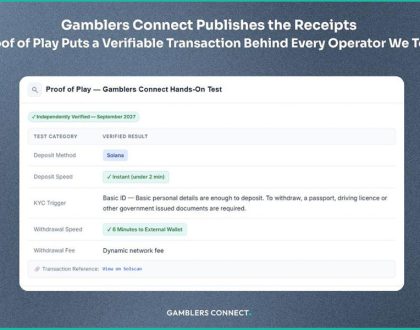
Gamblers Connect launches Proof of Play for transparent operator reviews
September 21, 2026

Ygam reports stronger impact as youth gambling harm prevention expands
September 14, 2026


Kongebonus launches complaints centre for Norway’s online casino players
September 8, 2026


Sweden launches gambling harm inquiry focused on children and young men
September 5, 2026

Mindway AI partners with Gaming1 to advance responsible gambling in NL
September 3, 2026