Why Curaçao’s Transition Period Keeps Getting Extended?
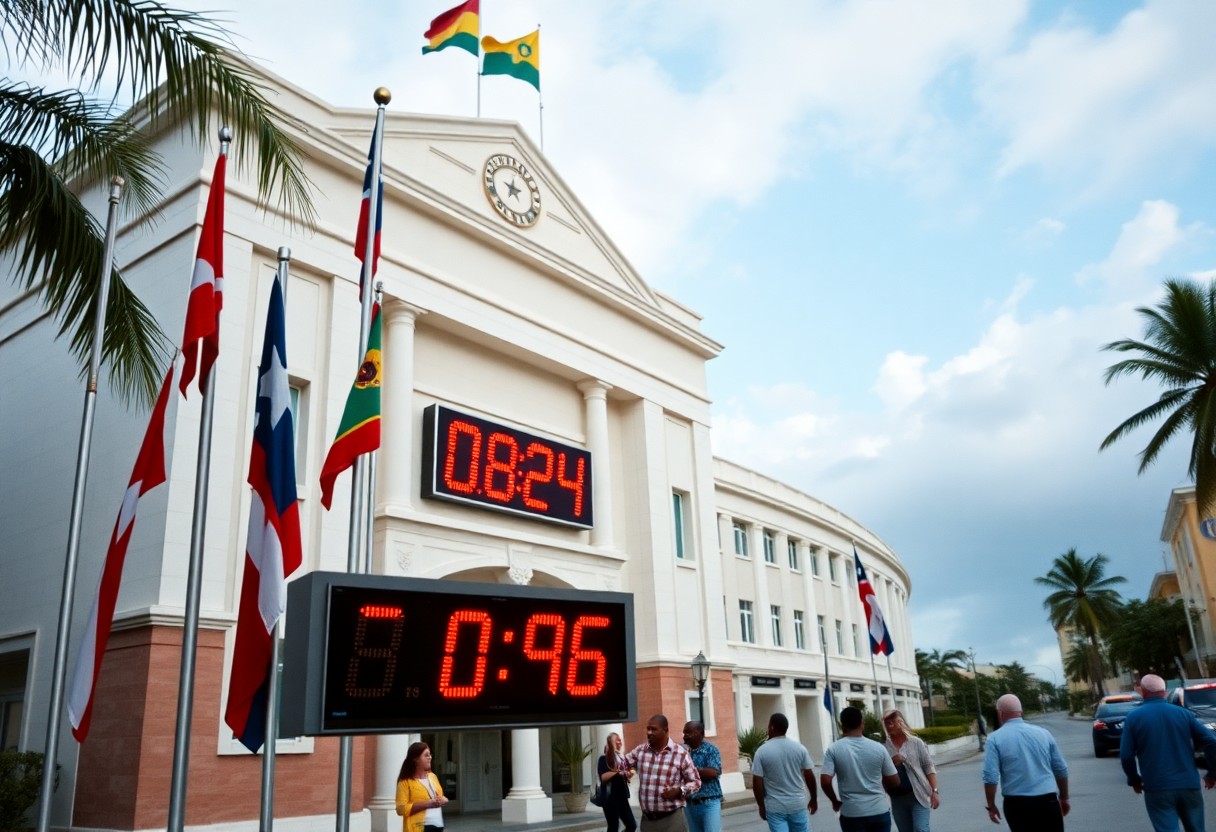
Transitioning into a more stable political and economic framework, Curaçao has faced a series of delays that continuously extend its transition period. Multiple factors such as financial challenges, political disagreements, and external pressures have compounded these delays, affecting governance and development. As stakeholders strive for consensus and effective policies, it becomes evident that the complexities of this transition reflect deeper systemic issues within the island's administration and socioeconomic landscape. Understanding these dynamics is necessary to grasp the ongoing implications for Curaçao's future.
Key Takeaways:
- Political instability has led to repeated delays in implementing necessary reforms.
- Economic challenges and reliance on external funding contribute to ongoing extensions.
- Lack of consensus among local stakeholders hinders progress towards finalizing the transition period.
Understanding Curaçao's Political Landscape
Historical Context
Curaçao's political landscape has been shaped by its colonial past and its relationship with the Kingdom of the Netherlands. Following the dissolution of the Netherlands Antilles in 2010, Curaçao became a separate entity, leading to a new constitutional structure. The shift has resulted in an ongoing struggle for political stability as various factions vie for power, influencing governance and policy-making significantly.
Recent Political Developments
In recent years, Curaçao has witnessed significant political turbulence, marked by frequent cabinet changes and social unrest. The government has faced pushback over fiscal policies, prompting a series of street protests. In 2021, the Prime Minister's administration encountered a no-confidence motion, reflecting deepening public discontent and a fragmented political discourse.









The challenges intensified with the COVID-19 pandemic, which exacerbated existing economic issues and heightened calls for accountability. Legislative gridlock has stalled discussion on critical reforms, affecting necessary sectors like healthcare and tourism. Moreover, a coalition government formed in 2022 struggled to maintain unity, with internal disputes further complicating governance. These developments have fueled skepticism regarding the government's ability to effectively navigate the transition period and deliver stable leadership.
Key Political Players
Several key figures dominate Curaçao's political scene, shaping the island's future. Prime Minister Gilmar Pisas heads the Unity Party but has faced mounting challenges in garnering support across the political spectrum. Opposition leaders, including Evelyn Wever-Croes of the PAR party, have exerted pressure on the administration, advocating for change amidst widespread public dissent.
In addition to Pisas and Wever-Croes, other influential politicians play pivotal roles, such as the leader of the MAN party, which has capitalized on dissatisfaction with the current government. Their opposition further complicates consensus on necessary reforms, resulting in an increasingly polarized environment. Understanding these dynamics is necessary to grasp the ongoing implications for Curaçao's governance and stability during this transition phase.
The Transition Period Defined
What is the Transition Period?
The Transition Period in Curaçao refers to a designated timeframe during which the island is expected to implement significant political and economic reforms mandated by the Kingdom, aimed at enhancing governance and autonomy. This phase is vital for establishing stable governance and addressing longstanding issues affecting the nation's development.
Objectives of the Transition Period
The primary objective of the Transition Period is to facilitate the implementation of structural reforms, improve public sector efficiency, and foster economic resilience. It aims to align local governance structures with internationally recognized standards, thereby reinforcing accountability and transparency.
Additionally, the Transition Period intends to empower local authorities, promote citizen engagement, and build institutional capacity. By addressing these goals, Curaçao seeks to create a more robust political landscape that can attract investment, nurture economic growth, and ultimately enhance living standards for its residents.
Legal Framework Governing the Transition
The legal framework governing the Transition Period is established through various agreements between the Kingdom of the Netherlands and the Curaçao government, focusing on constitutional reforms and financial accountability. Key legislation includes adjustments to the 2010 Charter of the Kingdom, which outlines the responsibilities of individual countries within the kingdom.
This framework not only lays the groundwork for governance reforms but also stipulates the monitoring mechanisms and conditions under which financial assistance is provided. Clear guidelines ensure that progress is tracked effectively, helping to achieve the intended outcomes and maintain momentum during this crucial period.
Factors Influencing the Extension
- Economic Challenges
- Social Unrest and Public Opinion
- International Relations and External Pressures
- Administrative Inefficiencies
Economic Challenges
Economic difficulties in Curaçao, including high unemployment and reliance on tourism, have hindered growth and necessitated extended transition periods. The COVID-19 pandemic exacerbated these issues, leading to budget deficits and increased debt levels. Without significant investment and reform, recovery remains slow.
Social Unrest and Public Opinion
Widespread discontent among the population has led to protests and strikes, highlighting frustrations with governance and economic conditions. As citizens demand accountability and change, public sentiment influences how policymakers proceed, complicating the transition process.
This unrest has manifested in both peaceful demonstrations and disruptive activities, reflecting a growing disenchantment with the ruling authorities. For instance, protests against rising living costs and inadequate public services have often drawn thousands of participants, compelling politicians to reconsider their approaches and priorities to maintain public support.
International Relations and External Pressures
Curaçao faces pressures from external entities, including the Dutch government and international organizations, which influence its political landscape. The need for adherence to international standards in governance and accountability further complicates local decision-making.
Administrative Inefficiencies
Administrative inefficiencies plague Curaçao's government, resulting in slow endorsement and execution of necessary reforms. Bureaucratic bottlenecks, lack of coordination among agencies, and insufficient workforce training contribute to the delays.
Impacts of the Prolonged Transition
Economic Implications
The ongoing transition period has severely strained Curaçao's economy, leading to stagnant growth and increased unemployment. Prolonged uncertainty deters foreign investments and hampers local businesses, contributing to an estimated 10% drop in GDP over the last year alone. This unfavorable climate complicates government efforts to stabilize and revitalize economic activity.
Social Ramifications
The extension of Curaçao's transition period also impacts social cohesion, as citizens grow increasingly disillusioned with the prolonged political instability. A rising sense of frustration contributes to social unrest, demonstrating a deepening divide among various community groups.
Communal tensions have escalated, as citizens' dissatisfaction with governance leads to protests that often turn violent. The youth, in particular, express a sense of abandonment, exacerbating social issues like crime and mental health challenges. With trust in institutions eroding, societal fragmentation is becoming evident, highlighting the urgent need for more effective communication from leaders.
Political Consequences
Politically, the extended transition has weakened the credibility of the government, undermining public confidence in its ability to lead. Political parties are facing increased scrutiny from constituents who demand accountability and transparency in decision-making processes.
As dissatisfaction mounts, the electoral landscape shifts, prompting the rise of new political movements that challenge established parties. Voter apathy is also on the rise, threatening democratic engagement. The lack of a clear path forward fosters an environment where populist sentiments can flourish, potentially destabilizing the political arena further.
Impacts on Governance and Public Trust
The prolonged transition is severely undermining governance structures, as institutions struggle to adapt to shifting political currents. This instability has eroded public trust, with citizens feeling increasingly disconnected from their representatives.
Declining trust in government is manifested in low voter turnout and increased skepticism towards policies. Without visible progress and strong leadership, the society worries about effective governance and the delivery of necessary services. This ongoing crisis may extend beyond the transition, potentially affecting future governance models and societal engagement for years to come.
Comparative Analysis
| Country | Transition Duration |
|---|---|
| Haiti | Over 10 years of transitional governance since the 2010 earthquake |
| Dominican Republic | Extended transitions post-2000 political turmoil |
| Puerto Rico | Years of oversight amid economic crises |
| Jamaica | Several transitional governments since the late 1970s |
Similar Cases in the Caribbean
In recent history, several Caribbean nations have experienced prolonged transitional periods due to political instability, economic hardships, and societal unrest. For instance, Haiti's lasting instability since the 2010 earthquake illustrates how external factors can greatly affect local governance. Likewise, the Dominican Republic has faced intermittent transitional governance following significant political crises, highlighting the regional prevalence of these extended transitions.
Lessons from Other Transitional Governments
Examining other countries' efforts reveals that effective communication and stakeholder engagement are paramount for successful transitions. Transitional governments often struggle without a clear mandate or public trust, leading to prolonged instability. An understanding of this can inform Curaçao's current challenges in securing a stable political landscape.
In countries like Haiti and the Dominican Republic, leaders saw a lack of collaboration from various political factions hampering progress. Additionally, the failure to address socio-economic concerns exacerbated public discontent. Lessons emphasize the importance of transparency, inclusive dialogue, and addressing citizens' needs to foster a more stable environment conducive to progress and long-term governance resolution.
What Makes Curaçao's Situation Unique
Curaçao's unique status stems from its historical ties with the Netherlands, creating distinct expectations for governance and political autonomy. The island's challenges involve balancing local political aspirations with international pressures, especially from the Netherlands. This nuanced relationship complicates its transitional efforts compared to other Caribbean nations that do not share such colonial legacies.
The interplay between local governance and external expectations makes Curaçao's situation particularly complex. Unlike the more homogenous governance models in some Caribbean nations, Curaçao faces demands for greater accountability from the Netherlands while attempting to navigate a politically fragmented local landscape. This dual pressure contributes significantly to the ongoing extension of its transitional period and may require tailored solutions to achieve stability.
Proposed Solutions and Path Forward
Recommendations from Political Experts
Political experts advocate for establishing a clear timeline for reforms, prioritizing transparency and accountability within the government sectors. Implementing regular progress assessments could facilitate targeted interventions, while enhanced cooperation among political factions is important for cohesive governance. Building consensus will enable a more stable political environment, fostering public trust and participation.
Stakeholder Engagement Strategies
Engaging stakeholders effectively is vital for fostering collaboration and driving reform in Curaçao. This involves establishing multi-sectoral forums that include government, business, civil society, and international partners. Regular dialogues can promote shared understanding of challenges and collectively develop tailored solutions.
In practice, these forums can operate as platforms for stakeholders to voice concerns, propose ideas, and negotiate solutions. For instance, quarterly roundtable discussions could allow representatives from various sectors to share insights on economic policies and social programs. By leveraging the expertise and resources of all parties involved, Curaçao can create a more inclusive approach to governance and ensure that the resulting measures address the needs of the broader population.
Role of International Organizations
International organizations play a significant role in supporting Curaçao's transition, providing much-needed technical expertise and funding for reform initiatives. Their involvement can help bridge gaps in local knowledge, ensuring that best practices from other regions are integrated into the reform process.
Organizations like the United Nations and the Caribbean Development Bank can offer targeted support and resources to bolster governance systems and economic restructuring. By promoting knowledge sharing and facilitating access to international funding, these entities can ensure that Curaçao receives the assistance necessary to navigate its complex transition period effectively and sustainably.
To wrap up
Upon reflecting, Curaçao's ongoing transition period extensions can be attributed to political instability, economic challenges, and the complexities of governance within its autonomous status. The interplay between stakeholders, coupled with the need for comprehensive reforms, often leads to delays in achieving desired outcomes. Additionally, external pressures, including the global economic landscape and local societal needs, further complicate the process. As these factors persist, the path to a stable and fully realized governance model remains uncertain, illustrating the intricate dynamics involved in the island's political evolution.
FAQ
Q: Why has the transition period in Curaçao been extended multiple times?
A: The transition period has been extended to allow for more comprehensive governance reforms and to address ongoing economic challenges, ensuring that all necessary structural changes can be effectively implemented without rushing the process.
Q: What specific challenges are contributing to the extensions of the transition period?
A: Key challenges include political disagreements among local parties, economic instability, and the need for additional time to stabilize public services and improve institutional capacities.
Q: How does international oversight play a role in the extension of the transition period?
A: International oversight often calls for extended periods to ensure compliance with agreed-upon standards, particularly in financial management and governance practices, which can delay the transition timeline.
Q: Are there any benefits to extending the transition period for Curaçao?
A: Yes, an extended transition period allows for more thorough planning and implementation of reforms, potentially leading to a stronger, more resilient governance structure and improved economic conditions in the long run.
Q: What is the anticipated timeline for future extensions of the transition period?
A: While specific timelines can be unpredictable, ongoing assessments and consultations with stakeholders are likely to dictate the pace, with future extensions depending on progress made in addressing current issues.

Claire
A highly motivated, results-driven, enthusiastic and ambitious writer. I can offer you well researched and high-quality article writing on any topic for your website or blog and can as well re-write your existing web content.
Related Posts
Finland receives 75 applications for gambling licenses ahead of 2027 launch
September 25, 2026

Blurify updates Openora with new iGaming licenses compliance checklist
September 9, 2026

ThrillTech receives AGCO Licence for Ontario
July 15, 2026