Telemetry that distinguishes whales from at-risk users

Whales represent a significant segment of users who contribute disproportionately to revenue in the gaming and online services industries. Employing advanced telemetry techniques, businesses can effectively identify and segment these high-value users while differentiating them from at-risk users who may pose potential losses. Understanding this dynamic is vital for optimizing marketing strategies and ensuring sustainable growth. This blog post examines into the methodologies and technologies behind telemetry, offering insights into how it can enhance user engagement and retention.
Key Takeaways:
- Telemetry enables differentiation between high-value users (whales) and at-risk users through behavior analysis and engagement metrics.
- Data-driven insights from telemetry help identify patterns that signal potential churn or increased spending likelihood.
- Tailored interventions can be developed for each group by leveraging telemetry data, optimizing user retention and revenue generation.
Overview of Telemetry Technology
Definition of Telemetry
Telemetry involves the process of collecting and transmitting data from remote or inaccessible sources to receiving equipment for monitoring and analysis. This technology allows researchers to gather vital information without direct human intervention, using devices that track various parameters such as location, speed, and health metrics.
Historical Context and Evolution of Telemetry
Telemetry has roots in early scientific endeavors, dating back to the late 19th century with the advent of radio communication. Over the decades, the technology has evolved significantly, transitioning from basic analog signals to advanced digital systems capable of real-time data transmission across vast distances.










The introduction of satellite communication in the 1960s revolutionized telemetry, enabling data collection from global locations. With the development of miniaturized sensors and the internet, modern telemetry systems allow for unprecedented accuracy and detail in tracking events, ranging from wildlife movements to environmental changes. Today, telemetry is integral to marine biology, supporting conservation efforts and ecological research through sophisticated tracking techniques.
Applications of Telemetry in Marine Biology
In marine biology, telemetry is applied to monitor the movements, behavior, and health of aquatic species, particularly endangered ones. Researchers deploy various tracking devices, such as GPS and acoustic tags, to gather insights into migration patterns, habitat preferences, and reproductive behaviors.
Telemetry has proven invaluable in studies of whale migration and dolphin communication, providing data that informs conservation strategies. For instance, the tag tracking of humpback whales reveals critical feeding and breeding areas, aiding in habitat protection efforts. Such applications highlight the growing importance of technology in understanding and preserving marine ecosystems amidst increasing environmental threats.
The Importance of Whales in Marine Ecosystems
Role of Whales in Ocean Health
Whales play a pivotal part in maintaining ocean health by facilitating nutrient circulation through their feeding and migratory patterns. When whales dive and defecate, they release nutrient-rich waste, which supports the growth of phytoplankton, the foundation of the marine food web. This process helps sequester carbon dioxide, thus mitigating climate change impacts and enhancing overall marine biodiversity.
Threats Faced by Whale Populations
Whales confront several threats, including habitat loss, climate change, marine pollution, and entanglement in fishing gear. Commercial whaling also remains a concern, despite international bans. The combined effects of these stressors significantly impact whale populations, pushing many species toward endangerment.
Current data indicates that nearly 40% of whale species are classified as vulnerable or endangered due to human activities. Ship strikes and noise pollution disrupt their communication and navigation, while climate change alters their traditional feeding areas. Critical habitats are shrinking, amplifying the risks faced by these magnificent creatures and necessitating urgent action across global conservation efforts.
Conservation Efforts for Whales
Conservation initiatives aimed at protecting whale populations include international agreements like the Marine Mammal Protection Act and the International Whaling Commission regulations. Organizations are also working to create marine reserves and promote sustainable fishing practices to safeguard critical habitats.
Efforts such as the establishment of designated whale sanctuaries have proven effective in reducing human disturbances. In collaboration with research institutions, these initiatives track whale behaviors, enabling scientists to identify critical habitats and advocate for protective measures. Ongoing awareness campaigns strive to educate the public about the interconnectedness of marine species and the importance of preserving whale populations for overall ocean health.
Distinguishing Features of Whales Using Telemetry
Unique Behavioral Patterns
Telemetry reveals that whales exhibit unique behavioral patterns based on feeding habits, migration routes, and breeding activity. For instance, some whale species, like the humpback, engage in complex feeding strategies such as bubble-net feeding, while others may display solitary behaviors. Identifying these patterns allows researchers to categorize whales effectively, distinguishing them from at-risk users and highlighting the diverse adaptive strategies that can affect their survival.
Migration Tracking and Habitat Use
Telemetry data provides insights into whale migration patterns and habitat preferences, which are crucial for understanding their ecological requirements. By monitoring movements across vast oceanic regions, researchers can identify critical feeding, breeding, and nursing grounds, enabling better conservation strategies tailored to specific species.
Studies show that certain species, like the blue whale, can travel thousands of miles between feeding and breeding grounds, while others may prefer more localized habitats. This variability affects their vulnerability to human threats like shipping traffic and climate change. Tracking these migrations informs marine protected area designations, ensuring that critical habitats are preserved for future generations.
Social Structure and Communication
Telemetry enhances our comprehension of whale social structures and communication methods, revealing intricate relationships within pods. Variations in vocalizations and social interactions reflect distinct cultural practices among species. Understanding these dynamics is imperative for recognizing the impacts of disturbances in their environments.
Research demonstrates that some species, such as orcas, utilize signature calls to establish group identities, while baleen whales may rely on low-frequency songs to communicate over vast distances. These communication methods influence group cohesion and foraging efficiency, highlighting the need for targeted protection of their acoustic environments to maintain social structures.
At-Risk Users and Vulnerable Species
Definition of At-Risk Users in Marine Context
At-risk users refer to marine species and their habitats that are experiencing significant threats due to human activities such as overfishing, habitat destruction, and pollution. These users include not just vulnerable marine life but also communities dependent on these ecosystems for their livelihoods, making the intersection of ecological and social impacts paramount in conservation efforts.
Impact of Environmental Changes on At-Risk Species
Environmental changes, including climate change, ocean acidification, and pollution, significantly disrupt marine ecosystems. These alterations affect the distribution and health of at-risk species, leading to reduced populations and loss of biodiversity. The cascading effects threaten not only marine life but also ecosystems that rely on these species for stability and function.
Case Studies of At-Risk Marine Life
Several case studies provide insight into the plight of at-risk marine species. For instance, the North Atlantic right whale population has dwindled to approximately 340 individuals, severely affecting genetic diversity. Similarly, the vaquita, a small porpoise native to the Gulf of California, has fewer than 30 individuals remaining due to bycatch from illegal fishing practices.
- North Atlantic right whales: approx. 340 individuals remaining.
- Vaquita: fewer than 30 individuals as of 2021.
- Leatherback turtles: 90% decline over the last three decades in some areas.
- Coral reefs: up to 50% loss in coverage globally due to bleaching events.
These case studies emphasize how specific threats, such as fishing bycatch and habitat degradation, have led to alarming population declines. The North Atlantic right whale's reproduction rates remain critically low, attributed to vessel strikes and entanglements. Conversely, the leatherback turtle faces challenges from plastic pollution and climate-induced nesting habitat changes, highlighting the need for multifaceted conservation approaches.
Telemetry Solutions for Distinguishing Whales
Technological Innovations in Tracking Whales
Recent advancements in GPS and IoT (Internet of Things) technologies have significantly enhanced the ability to track high-value customers, often referred to as “whales.” Solutions like real-time behavioral analytics and adaptive machine learning algorithms allow businesses to monitor complex user interactions. Tools such as mobile geolocation and app usage tracking provide detailed insights into whale purchasing patterns, enabling targeted marketing efforts that cater specifically to their preferences.
Data Analysis Techniques and Methodologies
Employing sophisticated data analysis techniques is imperative for distinguishing whales from at-risk users. Techniques such as clustering algorithms identify patterns in customer behavior, while predictive analytics forecast future buying habits. Incorporating multi-dimensional analysis enables companies to refine their target groups, allowing for tailored messaging and customized offerings that appeal specifically to their most valuable customers.
Techniques like regression analysis and machine learning models are vital in understanding user segmentation. By analyzing historical data against current trends, businesses can ascertain which characteristics define a whale. Furthermore, real-time data monitoring allows for continuous adaptation of these methodologies, enhancing the accuracy of identifying high-value clients. This proactive approach not only maximizes retention efforts but also optimizes marketing expenditures.
Challenges in Data Collection and Interpretation
Despite the technological advancements, challenges remain in the collection and interpretation of data related to whale users. Issues such as data silos, privacy concerns, and inconsistent data quality can obscure valuable insights. Moreover, ensuring that collected data reflects a complete picture of user behavior is often complicated by the dynamic nature of consumer interactions across multiple platforms.
Data collection can be impeded by fragmented systems that do not communicate effectively, leading to incomplete datasets. Additionally, privacy regulations, such as GDPR, necessitate careful handling of user information, complicating data aggregation efforts. Interpreting vast amounts of data also poses a significant challenge, as companies must distinguish between mere correlations and causative factors driving customer behaviors. Without clarity in data interpretation, misinformation can lead to misguided business strategies, hampering efforts to effectively distinguish whales from at-risk users.
Ethical Considerations and Implications
Ethical Tracking of Marine Life
Responsible telemetry for marine life focuses on minimizing stress and disruption to whales. Utilizing non-invasive tracking methods, such as lightweight GPS tags and passive acoustic monitoring, respects the natural behaviors of these creatures while gathering vital data. Ethical considerations should also include regular assessments to monitor the impact of tracking on whale populations, ensuring alignment with conservation goals.
Balancing Conservation and Human Activities
Striking a balance between conservation efforts and human activities is vital for sustainable marine ecosystems. As shipping routes and fishing practices expand, understanding the impact on whale populations can help mitigate conflicts. Adaptive management strategies that consider both ecological health and economic activities are critical for long-term sustainability.
Implementing strategies to reduce human impact entails collaborative efforts among stakeholders. Engaging shipping companies in developing quieter vessels, designating marine protected areas, and establishing seasonal fishing restrictions are effective measures that promote whale conservation while allowing vital human activities to continue. Continuous dialogue between scientists, policymakers, and industry leaders can optimize these solutions, ensuring compliance and adaptability as needs change.
Policy Recommendations for Sustainable Practices
Effective policies are necessary to foster sustainable practices around marine conservation and human interaction. Proposals include enforcing stricter regulations on shipping speeds in whale habitats, promoting eco-friendly fishing techniques, and developing incentive programs for industries that adopt sustainable methodologies.
Comprehensive policy frameworks should incorporate scientific data to set thresholds for human activities in sensitive areas. Stakeholder engagement is vital in these discussions, offering fishery and maritime industries an opportunity to influence policies that directly affect them. Such inclusivity fosters ownership of conservation measures, aligning economic interests with the imperative of preserving whale populations and their habitats for future generations.
Conclusion
To wrap up, telemetry serves as a vital tool in distinguishing the behavior and movement patterns of whales from at-risk users. By leveraging advanced tracking technologies, researchers can monitor the physiological responses and environmental interactions of whales, enabling proactive conservation measures. This data-driven approach not only aids in understanding whale populations but also enhances efforts to mitigate risks associated with human activities. Ultimately, the integration of telemetry into marine studies plays a significant role in the preservation of these majestic creatures and their ecosystems.
FAQ
Q: What is the purpose of telemetry in differentiating between whales and at-risk users?
A: Telemetry collects and analyzes user data to identify spending patterns and behaviors, allowing platforms to distinguish high-value users (whales) from those at risk of churn or financial distress.
Q: How does telemetry identify a whale user?
A: A whale user is typically identified through telemetry by tracking metrics such as transaction frequency, average spend per transaction, and overall contribution to revenue. This data highlights users who generate significant income for the platform.
Q: What indicators suggest a user is at risk?
A: At-risk users may exhibit behaviors such as decreased transaction frequency, lower spending amounts, or increased activity in refund requests. Telemetry monitors these changes to signal potential retention issues.
Q: Can telemetry help in strengthening relationships with at-risk users?
A: Yes, by utilizing telemetry data, platforms can tailor communication and offer support to at-risk users, addressing their specific needs and improving their overall experience to reduce churn.
Q: What technologies are used in telemetry for this analysis?
A: Technologies such as data analytics, machine learning algorithms, and real-time reporting systems are employed in telemetry to analyze user data effectively and provide insights into user classification.

Anna Amstill
I am an avid Blogger and Writer with more than 6 years of experience with Content Writing. An Online Marketing expert specializing in Blog writing, Article writing, Website content, SEO specific Keyword content and much more. Education B.A. - business management, York University, Canada, Graduated 2016.
Related Posts
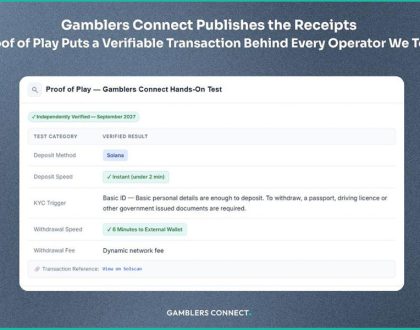
Gamblers Connect launches Proof of Play for transparent operator reviews
September 21, 2026

Ygam reports stronger impact as youth gambling harm prevention expands
September 14, 2026


Kongebonus launches complaints centre for Norway’s online casino players
September 8, 2026


Sweden launches gambling harm inquiry focused on children and young men
September 5, 2026

Mindway AI partners with Gaming1 to advance responsible gambling in NL
September 3, 2026