Comparing UKGC and MGA Gambling Licenses
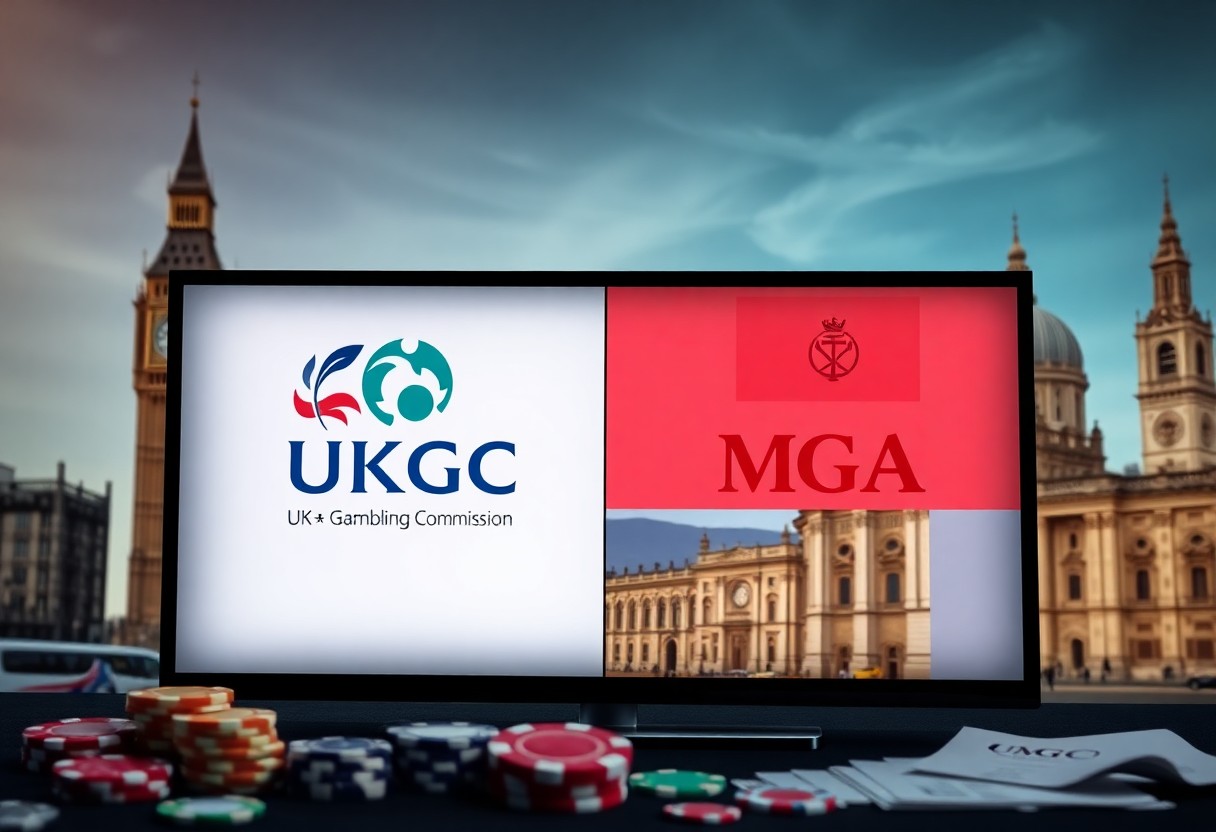
Regulatory note: UKGC and MGA licences serve different legal frameworks and do not automatically authorise activity everywhere. The applicable requirements depend on the product, target market, corporate structure and current regulator guidance. This comparison is general information, not legal advice.
Use the regulators’ primary sources: the UK Gambling Commission and the Malta Gaming Authority. Our European licensing guide adds wider context.
UKGC vs MGA licensing in context
The best comparison starts with jurisdiction, product permissions, compliance workload and player-protection obligations rather than a simple “best licence” claim.









They consider several factors when choosing a gambling license for their business. He weighs the pros and cons of each option, examining the requirements and regulations. She looks for a license that balances regulatory compliance with business needs. The UK Gambling Commission (UKGC) and Malta Gaming Authority (MGA) are two popular choices, each with its own strengths and weaknesses. They seek to understand which license is best suited for their business operations.
Background
To understand the differences between the UK Gambling Commission (UKGC) and the Malta Gaming Authority (MGA), it is crucial to investigate into their backgrounds. The UKGC and MGA are two of the most respected and renowned gambling regulatory bodies in the world. They have been instrumental in shaping the online gaming industry, ensuring that operators adhere to strict standards of fairness, transparency, and player protection. The UKGC is responsible for regulating all forms of gambling in the United Kingdom, while the MGA oversees the gaming industry in Malta, a popular jurisdiction for online gaming operators. Both regulatory bodies have a strong reputation for enforcing stringent regulations, which has helped to establish trust among players and operators alike.
The UKGC and MGA have distinct approaches to regulation, reflecting their unique histories and philosophies. The UKGC is known for its strict enforcement of regulations, while the MGA is recognized for its more flexible and operator-friendly approach. Understanding these differences is vital for operators seeking to obtain a license from either regulatory body. In the following sections, we will explore the history of the UKGC and MGA, highlighting their development, key milestones, and current regulatory frameworks.
History of the UKGC
Beneath the surface of the UKGC's success lies a rich history that has shaped its regulatory approach. The UKGC was established in 2007, following the passage of the Gambling Act 2005, which aimed to liberalize the UK's gaming industry while ensuring greater protection for players. Since its inception, the UKGC has worked tirelessly to create a fair and transparent gaming environment, introducing measures such as age verification, responsible gambling initiatives, and strict licensing requirements. The UKGC's regulatory framework is based on a set of core principles, including ensuring that gambling is conducted fairly and openly, protecting children and vulnerable individuals, and preventing gambling from being a source of crime or disorder.
Believing in the importance of continuous improvement, the UKGC has undergone several changes over the years, adapting to emerging trends and technologies in the gaming industry. The regulatory body has introduced new regulations and guidelines to address issues such as money laundering, problem gambling, and the use of artificial intelligence in gaming. The UKGC's commitment to innovation and player protection has earned it a reputation as one of the most respected and effective regulatory bodies in the world.
History of the MGA
With the advent of online gaming in the 1990s, Malta quickly established itself as a hub for gaming operators, thanks to its favorable business environment and attractive tax regime. The MGA was established in 2001, with the primary objective of regulating the gaming industry in Malta and ensuring that operators adhered to high standards of integrity and fairness. Over the years, the MGA has developed a reputation for being a forward-thinking and operator-friendly regulatory body, introducing initiatives such as the Remote Gaming Regulations and the Licensed Operator Requirements.
With its sights set on maintaining its position as a leading gaming jurisdiction, the MGA has continued to evolve and adapt to changing industry trends. The regulatory body has introduced new regulations and guidelines to address emerging issues such as anti-money laundering, player protection, and the use of blockchain technology in gaming. The MGA's commitment to innovation and operator support has made it a popular choice among gaming operators seeking to establish a presence in the European market.
To further solidify its position as a reputable regulatory body, the MGA has established strong relationships with other regulatory bodies and industry stakeholders, participating in international forums and discussions on gaming regulation. The MGA's collaborative approach has helped to shape the development of the gaming industry, promoting best practices and standards that prioritize player protection and fair gaming. As the gaming industry continues to evolve, the MGA is well-positioned to remain a leading regulatory body, supporting the growth and development of the sector while ensuring that operators adhere to the highest standards of integrity and fairness.
Licensing Process
There's a significant difference in the licensing process between the UK Gambling Commission (UKGC) and the Malta Gaming Authority (MGA). They have distinct requirements and procedures that applicants must follow to obtain a license. The UKGC is known for its rigorous standards, which are in place to ensure that licensees operate in a fair and transparent manner. In contrast, the MGA has a more streamlined process, but still maintains high standards for its licensees. The licensing process is a critical step for any business looking to operate in the gambling industry, and understanding the differences between the UKGC and MGA is crucial for making an informed decision.
The licensing process involves several steps, including submitting an application, paying fees, and undergoing a thorough review. They must provide detailed information about their business, including their ownership structure, financial situation, and gaming operations. The regulatory body will then review the application to ensure that the applicant meets the necessary standards. This process can take several months to complete, and the applicant may be required to provide additional information or clarify certain aspects of their application. The UKGC and MGA have different approaches to the licensing process, which are outlined in more detail below.
Application and Approval for UKGC
Among the key requirements for obtaining a UKGC license is the need for applicants to demonstrate that they are suitable to hold a license. They must show that they have the necessary financial resources, expertise, and systems in place to operate a gambling business. The UKGC also requires applicants to undergo a thorough background check, which includes a review of their criminal history and business dealings. This process is designed to ensure that only reputable and trustworthy operators are granted a license. The UKGC has a reputation for being a strict regulator, and they take a thorough approach to reviewing applications.
They must also comply with the UKGC's technical standards, which cover areas such as software testing, game fairness, and player protection. The UKGC has a detailed set of guidelines and regulations that applicants must follow, and they are expected to demonstrate that they can meet these standards. The application process for a UKGC license can be complex and time-consuming, but it is a necessary step for any business looking to operate in the UK market. The UKGC's licensing process is designed to protect players and ensure that the gambling industry operates in a fair and transparent manner.
Application and Approval for MGA
Against the backdrop of a rapidly evolving gaming industry, the MGA has implemented a licensing process that is designed to be efficient and effective. They have a streamlined application process that allows applicants to submit their applications online, and they offer a range of license types to suit different business needs. The MGA requires applicants to provide detailed information about their business, including their corporate structure, financial situation, and gaming operations. They must also demonstrate that they have the necessary systems and controls in place to ensure player protection and game fairness.
They must comply with the MGA's regulatory requirements, which cover areas such as anti-money laundering, player protection, and game fairness. The MGA has a reputation for being a forward-thinking regulator, and they are committed to creating a favorable business environment for licensees. The application process for an MGA license is generally faster than the UKGC, and they offer a more flexible approach to regulation. This makes the MGA an attractive option for businesses looking to operate in the European market.
Indeed, the MGA's licensing process is designed to be as straightforward as possible, while still maintaining high standards for licensees. They offer a range of resources and guidance to help applicants navigate the process, including a detailed set of guidelines and regulations. The MGA also has a dedicated team that is available to answer questions and provide support throughout the application process. This approach has made the MGA a popular choice for businesses looking to operate in the gaming industry, and they continue to be a major player in the European market. The MGA's licensing process is a key factor in their success, and they are committed to continually improving and streamlining their approach to regulation.
Fees and Costs
The fees and costs associated with obtaining and maintaining a gambling license from the UKGC and MGA are significant factors that they consider when deciding which regulatory body to approach. They must carefully evaluate the costs of licensing, as they can have a substantial impact on their business's bottom line. The UKGC and MGA have different fee structures, and they must understand these differences to make an informed decision. They should consider the various costs, including application fees, annual fees, and other charges, to determine which license is more cost-effective for their business.
The regulatory bodies' fee structures are designed to ensure that they can effectively regulate the gambling industry and protect consumers. They use the fees collected to fund their regulatory activities, including licensing, compliance, and enforcement. The fees also help to support research and education initiatives, as well as problem gambling treatment programs. They must weigh the costs of licensing against the benefits of operating in a regulated market, including increased credibility and consumer trust.
UKGC Fees and Charges
One of the key considerations for businesses is the cost of obtaining and maintaining a UKGC license. They must pay an application fee, which varies depending on the type of license they are applying for. The UKGC also charges annual fees, which are based on the business's gross gaming yield. They must also pay other charges, such as fees for variance applications and compliance assessments. The UKGC's fee structure is designed to be transparent and fair, and they publish their fees and charges on their website.
One way to reduce the costs associated with a UKGC license is to apply for a combined license, which allows businesses to offer multiple types of gambling activities under a single license. They can also take steps to minimize their annual fees by ensuring they have a low gross gaming yield. The UKGC offers guidance and support to help businesses navigate the licensing process and minimize their costs. They can provide advice on the application process, as well as help businesses to understand their fee obligations.
MGA Fees and Charges
Similarly, the MGA has its own fee structure, which they use to fund their regulatory activities. They charge application fees, as well as annual fees, which are based on the business's gross gaming revenue. They must also pay other charges, such as fees for license renewals and compliance assessments. The MGA's fee structure is designed to be competitive and attractive to businesses, and they offer a range of license types to suit different business needs.
They consider the MGA's fees to be relatively low compared to the UKGC, making it an attractive option for businesses looking to minimize their costs. The MGA's fee structure is also designed to be flexible, with fees based on the business's revenue rather than a fixed annual fee. They can take advantage of the MGA's low fees to reduce their costs and increase their profitability.
Fees associated with the MGA license are subject to change, and they should check the MGA's website for the most up-to-date information on fees and charges. They must also consider other costs associated with obtaining and maintaining an MGA license, such as the cost of complying with regulatory requirements and the cost of any necessary infrastructure or systems. They can consult with the MGA or a licensed advisor to get a better understanding of the fees and costs involved and to ensure they are fully compliant with all regulatory requirements. They must carefully evaluate the costs and benefits of an MGA license to determine whether it is the best option for their business.
Regulatory Framework
After examining the gambling licenses offered by the UK Gambling Commission (UKGC) and the Malta Gaming Authority (MGA), it becomes clear that both regulatory bodies have distinct approaches to governing the industry. They have established comprehensive frameworks to ensure fairness, transparency, and player protection. The UKGC and MGA have implemented various regulations and guidelines to maintain the integrity of online gaming, and operators must adhere to these rules to obtain and retain their licenses. He notes that these frameworks are subject to change, and operators must stay up-to-date with the latest developments to avoid any potential issues.
The regulatory framework of the UKGC and MGA is designed to protect players and maintain the reputation of the industry. They have established guidelines for advertising, anti-money laundering, and responsible gaming, among other areas. The UKGC and MGA also conduct regular audits and inspections to ensure compliance with their regulations. They have the authority to impose fines, suspend, or revoke licenses if operators fail to meet their requirements. She believes that a thorough understanding of these frameworks is necessary for operators to navigate the complex regulatory landscape and make informed decisions about their business.
UKGC Regulations and Guidelines
Generally, the UKGC's regulatory framework is considered one of the most stringent in the world. They have established a comprehensive set of guidelines and regulations that operators must follow to obtain and retain their licenses. The UKGC's regulations cover various aspects of online gaming, including game fairness, player protection, and anti-money laundering. They also have strict guidelines for advertising and marketing, ensuring that operators do not target vulnerable individuals or make false claims. He notes that the UKGC's regulations are regularly updated to reflect changes in the industry and to address emerging issues.
Furthermore, the UKGC has implemented a robust system for handling player complaints and disputes. They have established an independent alternative dispute resolution (ADR) service, which provides players with a fair and impartial process for resolving issues with operators. The UKGC also works closely with other regulatory bodies and law enforcement agencies to prevent money laundering and other illicit activities. They have a strong commitment to protecting players and maintaining the integrity of the industry, and operators must demonstrate a similar commitment to obtain and retain their licenses.
MGA Regulations and Guidelines
Beside the UKGC, the MGA is another well-respected regulatory body in the online gaming industry. The MGA's regulatory framework is designed to promote fairness, transparency, and player protection. They have established a comprehensive set of regulations and guidelines that cover various aspects of online gaming, including game fairness, player protection, and anti-money laundering. The MGA also has strict guidelines for advertising and marketing, ensuring that operators do not target vulnerable individuals or make false claims. They have a strong commitment to maintaining the integrity of the industry and protecting players.
Moreover, the MGA has implemented a robust system for handling player complaints and disputes. They have established a fair and impartial process for resolving issues between players and operators, and they work closely with other regulatory bodies and law enforcement agencies to prevent money laundering and other illicit activities. The MGA's regulations are regularly updated to reflect changes in the industry and to address emerging issues, and operators must demonstrate a strong commitment to compliance to obtain and retain their licenses.
Another key aspect of the MGA's regulatory framework is its focus on responsible gaming. They have established guidelines for operators to promote responsible gaming practices, including self-exclusion programs, deposit limits, and reality checks. The MGA also requires operators to provide clear and transparent information about their games, including the rules, odds, and payout structures. They believe that players should have access to accurate and unbiased information to make informed decisions about their gaming activities. By promoting responsible gaming practices, the MGA aims to reduce the risk of problem gaming and protect vulnerable individuals. They have a strong commitment to maintaining the integrity of the industry and protecting players, and operators must demonstrate a similar commitment to obtain and retain their licenses.
Market Access
All businesses in the online gambling industry strive to operate in a market with a large player base and favorable regulations. As far as market access, the UKGC and MGA licenses offer distinct advantages. The UKGC license provides access to the UK market, which is one of the largest and most lucrative in the world. On the other hand, the MGA license offers access to a broader range of international markets. They have to consider the pros and cons of each license when deciding which one to pursue.
All things considered, the choice between the UKGC and MGA licenses ultimately depends on the specific goals and target market of the business. They need to weigh the benefits of operating in the UK market against the potential for expansion into other international markets. By understanding the market access offered by each license, businesses can make an informed decision that aligns with their overall strategy.
UKGC and UK Market Access
Between the two licenses, the UKGC license is the clear choice for businesses that want to operate in the UK market. They can tap into a large and established player base, with a strong demand for online gambling services. The UKGC license also provides a high level of credibility and trust among UK players, which can be beneficial for businesses looking to establish a strong reputation. However, they should be aware that the UK market is highly competitive, with many established operators already present.
Between these two options, businesses may find that the UKGC license is more restrictive in terms of market access, as it is primarily limited to the UK market. They may need to consider obtaining additional licenses to operate in other jurisdictions, which can be time-consuming and costly. Nevertheless, the UKGC license is highly regarded and can provide a strong foundation for businesses looking to establish a presence in the UK market.
MGA and International Market Access
About the MGA license, it offers a more flexible and broader range of market access options. They can operate in multiple jurisdictions, including many European countries, without the need for additional licenses. The MGA license is also recognized and respected by many international players, which can make it easier for businesses to attract customers from around the world. Furthermore, the MGA license provides access to a range of emerging markets, which can offer significant growth opportunities for businesses.
About the specifics of the MGA license, they have a number of advantages when it comes to international market access. They can take advantage of the MGA's reputation for fairness and transparency, which can help to build trust with international players. Additionally, the MGA license allows businesses to offer a wide range of games and services, which can be tailored to meet the needs of different international markets.
In addition to the benefits mentioned earlier, the MGA license also provides businesses with the flexibility to operate in a range of different regulatory environments. They can adapt their services to meet the unique requirements of each market, which can help to ensure compliance and minimize the risk of regulatory issues. By understanding the market access options provided by the MGA license, businesses can make informed decisions about their international expansion strategy and choose the markets that offer the greatest opportunities for growth. They can then use this information to develop a tailored approach to each market, taking into account local regulations, player preferences, and cultural differences.
Reputation and Reliability
Now that the basics of the UKGC and MGA licenses have been covered, it's time to probe into their reputation and reliability. They are two of the most respected regulatory bodies in the online gaming industry, with a strong focus on ensuring fair play and protecting consumers. The reputation of a regulatory body can have a significant impact on the credibility of an online gaming operator, and as such, it's important to examine the reputation and reliability of both the UKGC and MGA. The UKGC, in particular, has a strong reputation for being one of the most stringent and reputable regulatory bodies in the industry.
Their licensing process is rigorous, and they have a strong track record of enforcing regulations and taking action against operators who do not comply. This has helped to establish trust with consumers and has contributed to the UKGC's excellent reputation. On the other hand, the MGA has also built a strong reputation over the years, with a focus on providing a fair and transparent regulatory framework for online gaming operators. They have a reputation for being more flexible and open to innovation, which has made them a popular choice for many operators.
UKGC Reputation and Reliability
Actually, the UKGC's reputation for being a strict regulator has helped to protect consumers and maintain the integrity of the online gaming industry. They have a strong track record of taking action against operators who do not comply with regulations, and their licensing process is rigorous. The UKGC also has a strong focus on responsible gaming and has implemented various measures to protect vulnerable consumers. This includes measures such as age verification, self-exclusion, and limits on spending. The UKGC's reputation for being a reliable and trustworthy regulator has helped to establish trust with consumers and has contributed to the growth of the online gaming industry in the UK.
Generally, the UKGC's reputation is built on their commitment to ensuring fair play and protecting consumers. They have a strong team of experts who work tirelessly to monitor and regulate the online gaming industry, and their website provides a wealth of information for consumers and operators alike. The UKGC also has a strong track record of collaborating with other regulatory bodies and law enforcement agencies to tackle issues such as money laundering and match-fixing. This has helped to further enhance their reputation as a reliable and trustworthy regulator.
MGA Reputation and Reliability
Behind the MGA's reputation for being a flexible and open regulator lies a deep commitment to ensuring fair play and protecting consumers. They have a reputation for being more open to innovation and have implemented various measures to support the growth of the online gaming industry. The MGA has a strong focus on providing a transparent and efficient regulatory framework, and their licensing process is designed to be straightforward and easy to navigate. This has made them a popular choice for many online gaming operators who are looking to establish themselves in the European market.
Usually, the MGA's reputation is built on their commitment to providing a fair and transparent regulatory framework. They have a strong team of experts who work closely with operators to ensure that they are compliant with regulations, and their website provides a wealth of information for consumers and operators alike. The MGA also has a strong track record of collaborating with other regulatory bodies and law enforcement agencies to tackle issues such as money laundering and match-fixing.
This aspect of the MGA's reputation is particularly noteworthy, as it demonstrates their commitment to protecting consumers and maintaining the integrity of the online gaming industry. The MGA's reputation for being a reliable and trustworthy regulator has helped to establish trust with consumers and has contributed to the growth of the online gaming industry in Malta. They continue to work closely with operators and other stakeholders to ensure that the online gaming industry remains a safe and enjoyable place for consumers, and their reputation as a fair and transparent regulator is likely to endure for many years to come.
Conclusion
Ultimately, the decision between a UKGC and MGA license depends on the specific needs and goals of the business. They must carefully consider the target market, business model, and regulatory requirements when making their decision. The UKGC license is highly regarded for its strict regulatory framework and high level of player protection, making it an attractive option for operators who want to establish a strong reputation in the industry. On the other hand, the MGA license offers a more flexible and cost-effective solution, with a wider range of gaming options and a more streamlined application process. He or she must weigh the pros and cons of each option and consider factors such as licensing fees, tax rates, and regulatory compliance costs.
They should also consider the level of player protection and responsible gaming measures required by each jurisdiction. The UKGC has a strong focus on player protection, with strict regulations around advertising, bonusing, and self-exclusion. In contrast, the MGA has a more relaxed approach to regulation, with a greater emphasis on operator responsibility. She must consider the target market and the level of player protection required, as well as the business's ability to comply with the regulatory requirements of each jurisdiction. By carefully evaluating these factors, they can make an informed decision about which license is best for their business and ensure compliance with all relevant regulations, thereby establishing a successful and reputable online gaming operation.
FAQs
What is the UK Gambling Commission (UKGC)?
The UKGC is the regulatory authority responsible for overseeing gambling activities in the UK, ensuring fair play and consumer protection.
What is the Malta Gaming Authority (MGA)?
The MGA is Malta’s primary regulatory body for gaming, offering licensing for online gambling operators with a business-friendly approach.
How do UKGC and MGA licenses differ?
The UKGC enforces stricter compliance and responsible gaming policies, while the MGA offers more flexibility and lower fees for operators.
Which gambling license is better for my business?
The best choice depends on your target market, compliance requirements, operational costs, and desired level of regulatory oversight.
Is it easier to obtain an MGA license than a UKGC license?
Yes, the MGA licensing process is generally faster and more cost-effective, whereas the UKGC has stricter requirements and higher fees.
What are the costs of obtaining a UKGC license?
The UKGC charges application and annual fees based on revenue, along with compliance and renewal costs.
What are the costs of obtaining an MGA license?
MGA fees vary based on license type and revenue, but they tend to be lower than UKGC fees, making it a cost-effective option.
Which license offers better consumer protection?
The UKGC is known for its strong consumer protection policies, including responsible gambling measures and strict compliance regulations.
Can an operator hold both UKGC and MGA licenses?
Yes, many international gaming companies obtain both licenses to expand their market reach and operate in multiple jurisdictions.
Which license is more suitable for European markets?
The MGA license is widely accepted in European markets, while the UKGC license is mainly required for operators targeting UK players.

Michael Schmitt
Michael Schmitt is the founder of TRIDER.UK and Editor of Malta Media. He writes about iGaming, gambling regulation, corporate structures, financial services and market integrity, combining investigative journalism with nearly three decades of experience in corporate services and international business.
Related Posts
Germany’s gambling blocking system struggles with obvious targets
September 19, 2026
Gambling Commission reports growth across Great Britain’s gambling market
September 18, 2026

Stake blocks Irish access as GRAI steps up unlicensed betting enforcement
September 14, 2026

Evolution’s Asian trail did not disappear!
September 12, 2026

Germany intensifies enforcement against illegal online gambling operators
September 11, 2026

Felix Gaming Enters a New Chapter with MGA License
September 10, 2026

Evolution Files investigation challenges claims of full clearance
September 9, 2026

Evolution Spectrum Report findings raise fresh compliance concerns
September 9, 2026