


Illegal Business Setup in Government Owned Property
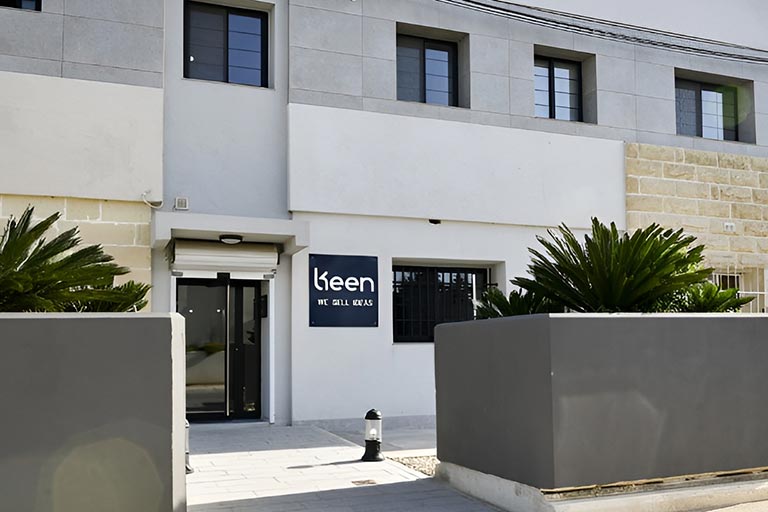
A private real estate company has controversially set up operations within the Xewkija Industrial Estate, a zone that is strictly designated for manufacturing enterprises. This development has sparked significant concerns regarding the improper use of public industrial property, the enforcement of zoning laws, and potential regulatory loopholes that may have allowed such a situation to arise.
INDIS Malta, the government entity tasked with managing and regulating industrial estates, has confirmed to The Shift that Gozo Prime Agency Ltd is currently occupying a premises within the industrial zone without receiving official authorization. The agency has vowed to launch a thorough investigation and implement the necessary legal actions to rectify the situation.
INDIS Commits to Investigation and Potential Legal Actions
Upon receiving inquiries regarding the legitimacy of Gozo Prime Agency Ltd’s presence in the industrial estate, INDIS Malta issued a statement confirming that its inspectors will conduct an on-site inspection to determine whether the business is operating in direct violation of zoning laws. If their findings confirm unauthorized occupation, legal proceedings may be initiated to reclaim the premises and restore the intended purpose of the estate.


This situation has reignited debates about how businesses outside the manufacturing sector have managed to secure operations within industrial zones, particularly in cases where government-subsidized property is being utilized for purposes unrelated to its original designation. Critics argue that this undermines the purpose of industrial estates and takes up valuable real estate that should be allocated to manufacturers, who struggle to find suitable premises for their operations.
Ownership and Business Network of Gozo Prime Agency Ltd
The company at the center of this controversy, Gozo Prime Agency Ltd, is owned by John Abela from Rabat (Malta) and John Falzon from Żebbuġ. The company was officially incorporated in 2022, and its ownership structure suggests a broader business network that extends beyond real estate.
Abela and Falzon jointly own multiple enterprises, one of which is Keen Advertising Agency. This business also operates from within the Xewkija Industrial Estate, raising further questions about whether it, too, has received the necessary authorization to function from a location that is supposed to be restricted to manufacturing companies.
Keen Advertising Agency has an extensive portfolio of high-profile clients, including government entities and institutions such as the Gozo Ministry, the Gozo Regional Development Authority, the Malta Tourism Authority, Minister Anton Refalo’s office, L-Eremita Hotel, and Barts Medical School. Given its broad business reach, it remains unclear whether Keen Advertising Agency has the proper documentation to operate within an industrial zone. If it does not, its presence in the estate could signify a broader systemic issue regarding the enforcement of zoning laws in Malta.
Regulatory Loopholes and the Declining Enforcement of Industrial Zoning Laws
Under Maltese law, industrial estates managed by INDIS Malta are strictly designated for businesses engaged in manufacturing. The objective of these estates is to foster industrial growth, support manufacturing enterprises, and stimulate economic development within key production sectors. However, enforcement of these regulations has become increasingly lax over the years, leading to a growing number of non-manufacturing businesses establishing themselves within these government-subsidized zones.
In recent years, authorities have permitted the inclusion of non-manufacturing businesses that provide essential services to industrial workers, such as cafés and small eateries. These exceptions have been justified on the basis that they enhance the functionality of industrial estates by offering necessary amenities to workers. However, the case of Gozo Prime Agency Ltd does not fall under this category, as real estate services bear no relation to industrial activities.
This regulatory relaxation has led to the improper use of industrial property in several ways. Some businesses that were originally allocated space for manufacturing purposes have since repurposed their facilities for unrelated uses, such as storage or warehousing. Others have taken advantage of government-subsidized rent prices by subletting their premises to third parties, in direct violation of industrial estate regulations.
The lack of stringent enforcement has also created an uneven playing field, where some businesses receive preferential treatment while others struggle to gain access to the industrial spaces they need. This situation raises serious concerns about governance, transparency, and potential conflicts of interest in the management of Malta’s industrial zones.
Authorities’ Response and Challenges in Enforcement
A recurring issue in Malta’s industrial estate management is the apparent inability—or unwillingness—of regulatory bodies to take decisive action against businesses that violate zoning laws. While some companies have managed to navigate the bureaucratic system and secure special permits through official channels, others have bypassed the legal framework entirely, operating without authorization for extended periods.
INDIS Malta has made public commitments to crack down on illegal occupations, and several cases of unauthorized use of industrial properties have been referred to the courts. However, enforcement efforts have been inconsistent, and certain businesses continue to operate in these zones without facing significant consequences.
In the case of Gozo Prime Agency Ltd, INDIS has assured that an investigation is underway, but it remains to be seen whether this will lead to concrete legal action. The outcome of this case may serve as a test for the agency’s ability to uphold industrial zoning laws and prevent further unauthorized commercial activity in publicly owned estates.
The Wider Economic and Legal Implications of Misusing Industrial Estates
The continued misuse of government-subsidized industrial estates poses broader economic and legal implications for Malta. When non-manufacturing businesses take up valuable space in these estates, it restricts opportunities for legitimate industrial enterprises that require specialized facilities for production and manufacturing.
Moreover, the improper allocation of industrial property could potentially result in legal disputes between businesses, government agencies, and regulatory bodies. If certain companies are permitted to operate in industrial zones without facing repercussions, while others are denied access due to strict adherence to regulations, this could lead to allegations of favoritism, corruption, or regulatory failure.
To address these concerns, stricter oversight and enforcement mechanisms must be implemented. Regular inspections, transparent allocation procedures, and decisive legal action against violators are necessary to restore the intended purpose of Malta’s industrial estates and ensure that they serve the manufacturing sector as originally envisioned.
Conclusion: A Need for Stronger Industrial Zoning Enforcement
The unauthorized presence of Gozo Prime Agency Ltd within a government-owned industrial estate highlights significant gaps in the enforcement of Malta’s zoning laws. As industrial estates continue to face challenges related to regulatory oversight, authorities must take a firm stance in ensuring that public industrial spaces are used for their intended purpose.
Going forward, INDIS Malta and other regulatory bodies must implement stricter policies, conduct regular audits, and take swift action against businesses that exploit government resources for private gain. Without robust enforcement, Malta risks further undermining its industrial sector, allowing publicly subsidized spaces to be repurposed in ways that do not contribute to economic growth and industrial development.
Restoring the integrity of industrial estates requires accountability, transparency, and a commitment to upholding the laws that govern them. If these measures are not taken seriously, the misuse of public industrial property will continue to be a persistent issue, with long-term economic consequences for the country.
FAQs
What is Gozo Prime Agency Ltd accused of?
Gozo Prime Agency Ltd is accused of operating within the Xewkija Industrial Estate without authorization, violating zoning laws that restrict the area to manufacturing businesses.
Who owns Gozo Prime Agency Ltd?
The agency is owned by John Abela from Rabat (Malta) and John Falzon of Żebbuġ, who also own other businesses, including Keen Advertising Agency.
What action is INDIS taking against Gozo Prime Agency Ltd?
INDIS has confirmed that it will conduct an investigation and take appropriate measures to address the unauthorized occupation of the industrial premises.
Why are industrial estates reserved for manufacturing businesses?
Industrial estates are government-subsidized zones designed to support manufacturing industries and foster economic growth in production sectors.
How have regulations governing industrial estates changed over time?
Over the past decade, some non-manufacturing businesses, such as cafés and eateries, have been allowed to operate within industrial estates, though real estate services do not typically qualify.
Are there other cases of businesses illegally operating in industrial estates?
Yes, INDIS is currently pursuing court cases against multiple businesses occupying industrial estates without proper authorization.
Is Keen Advertising Agency also operating illegally?
It is unclear whether Keen Advertising Agency has the required permits to operate within the industrial estate, as its business activities are unrelated to manufacturing.
How does the misuse of industrial estates impact other businesses?
When non-manufacturing businesses occupy subsidized industrial spaces, it limits the availability of such premises for legitimate manufacturers, potentially harming industrial growth.
What penalties do businesses face for illegally occupying industrial estates?
Illegal occupants may face legal action, eviction, and financial penalties imposed by INDIS for unauthorized use of government-owned industrial property.
What measures should be taken to prevent such cases in the future?
Stricter enforcement, regular inspections, and transparency in zoning allocations are necessary to prevent further misuse of public industrial estates.

Ash
I like to keep it short. I am a writer who also knows how to rhyme his lines. I can write articles, edit them and also carve out some poetic lines from my mind. Education B.A. - English, Delhi University, India, Graduated 2017.


