Malta’s failure to implement EU sanctions enforcement
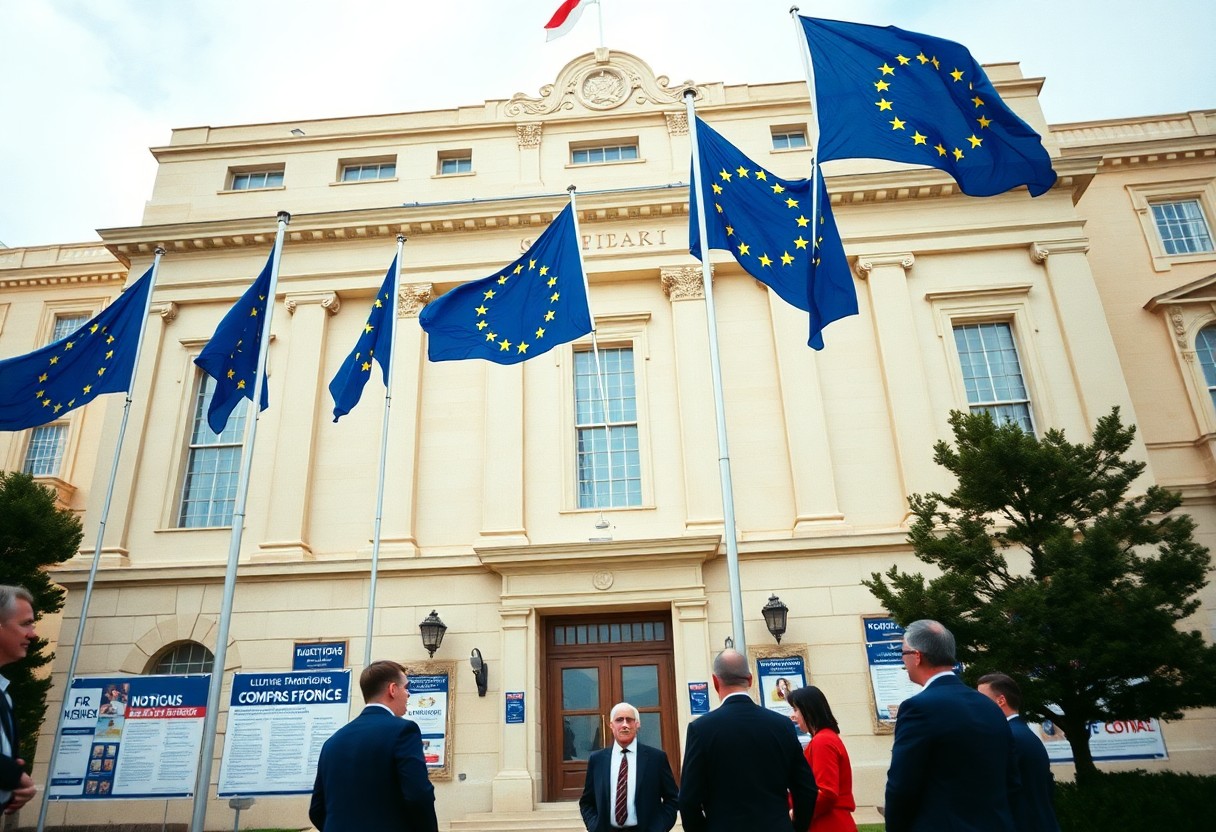
Over the past few years, Malta has faced scrutiny regarding its inconsistent enforcement of European Union sanctions aimed at maintaining international security and integrity. Despite being a member state, Malta's approach to implementing these regulations has raised concerns, particularly in light of ongoing geopolitical tensions. The implications of this lack of enforcement not only affect Malta's reputation but also pose challenges to the EU's collective efforts to uphold its foreign policy objectives. This blog post will explore the underlying issues contributing to Malta's current predicament and the potential consequences for both the nation and the European Union.
Background of EU Sanctions
Your understanding of the European Union's sanctions framework is necessary for comprehending the broader implications of Malta's enforcement challenges. The EU imposes sanctions to promote peace, security, democracy, and human rights, targeting not only states but also individuals and entities involved in activities that threaten these principles. Sanctions can take various forms, including trade restrictions, asset freezes, and travel bans, all designed to compel compliance with international law or to deter aggressive behavior by state and non-state actors.
Overview of EU Sanctions Framework
To appreciate the effectiveness of EU sanctions, one must examine into their structured implementation and legal basis. The overarching framework is governed by treaties, regulations, and decisions that derive from the Common Foreign and Security Policy. The complexity of this system is evident in how each member state is required to transpose EU regulations into national law, allowing for a uniform approach to enforce sanctions. However, the degree of implementation and adherence to these regulations can vary significantly, creating a patchwork of compliance across the EU.










Importance of Compliance
With effective enforcement being a cornerstone of the EU sanctions framework, member states like Malta have a significant role in ensuring compliance. Non-compliance can undermine the integrity and objectives of the sanctions, leading to potential risks in international relations and national security. Additionally, the European Union has mechanisms in place to monitor and evaluate each member state's adherence to sanctions, highlighting the need for strong internal governance and accountability.
At the same time, the importance of compliance extends beyond mere legal obligations; it influences the EU's credibility on the global stage. When members fail to implement sanctions effectively, it can embolden sanctioned individuals or entities, diminishing the overall impact of the sanctions themselves. This lack of uniformity in enforcement can create loopholes that undermine the EU's authority and objectives, making it imperative for all nations, including Malta, to prioritize robust compliance strategies.
Malta's Compliance Record
Historical Context
An examination of Malta's compliance record reveals a complex interplay with EU regulations since the nation's accession to the European Union in 2004. Historically, Malta has shown a commitment to align its legislative framework with EU directives; however, practical enforcement has often lagged behind expectations. The small size of the country and its limited administrative resources have contributed to challenges in effectively implementing and overseeing EU sanctions, particularly in critical sectors such as finance and trade.
Moreover, Malta's geopolitical position in the Mediterranean has exposed it to various external pressures, complicating its adherence to established sanctions regimes. Over the years, perceptions of lax enforcement and regulatory gaps have raised concerns among EU partners, which has led to ongoing discussions about the need for improved compliance mechanisms. This historical context is vital to understanding the trajectory of Malta's efforts in sanctions enforcement and the significance of any recent developments.
Recent Developments
One of the most notable recent developments regarding Malta's compliance came with increased scrutiny from the EU and other international bodies in light of various scandals that highlighted lapses in enforcement. In response, the Maltese government has made efforts to amend existing laws and enhance regulatory oversight, aiming to rectify past failures. The introduction of stricter financial compliance measures, particularly against money laundering and terrorism financing, reflects a recognition of the need for improvement in upholding sanctions consistently.
Understanding the implications of these developments is vital for assessing Malta's standing within the EU framework. While some progress has been recorded, skeptics argue that the pace of reforms may be insufficient to build comprehensive compliance systems. Continued pressure from the EU will likely shape Malta's future actions, as the nation seeks to balance internal reforms with external expectations in sanctions enforcement.
Challenges in Enforcement
While Malta has committed to upholding EU sanctions, various challenges hinder effective implementation. The complexity of sanctions regulations often leads to confusion among authorities, resulting in inconsistent enforcement actions. Additionally, with Malta being a small island nation, resources for monitoring compliance are limited. This situation is exacerbated by the reliance on international firms that may not always align with or prioritize Malta's enforcement of sanctions. Consequently, the lack of robust mechanisms to ensure adherence creates vulnerabilities that can be exploited by those seeking to circumvent EU laws.
Legal Barriers
An array of legal barriers complicates Malta's ability to enforce EU sanctions effectively. One significant challenge stems from the need to transpose EU regulations into national law, which can create delays and inconsistencies. Moreover, the existing legal framework may not provide adequate provisions for enforcement agents to take action against non-compliance, leaving gaps that can be exploited. As a result, there can be significant discrepancies between the regulatory expectations set by the EU and the practical means available for enforcement within Malta.
Political Considerations
By nature, sanctions enforcement can be a politically sensitive issue, and Malta's political landscape is no exception. The governmental desire to maintain strong relationships with various international partners may lead to reluctance in pursuing strict sanctions enforcement. Political allegiances and lobbying from influential entities can result in pressure on policymakers to overlook certain violations that might be deemed beneficial economically or diplomatically. Thus, the intersection of politics and enforcement creates an environment of uncertainty that undermines the effectiveness of Malta's response to EU sanctions.
As Malta navigates these political considerations, the discourse around sanctions enforcement becomes increasingly complex. The interplay between domestic interests and international obligations can create a conflict that impairs the country's commitment to uphold EU policies. When political motivations overshadow the need for strict enforcement, it poses a threat to the integrity of Malta's regulatory environment and its standing within the EU community.
Impacts of Non-Compliance
Once again, Malta finds itself grappling with the consequences of its failure to enforce EU sanctions, a situation that could have far-reaching implications for both the economy and its standing in the international community. Non-compliance in this area undermines the collective efforts of the European Union to achieve a unified stance against aggression and unlawful conduct. This inconsistency not only jeopardizes Malta's credibility but can also embolden other member states to disregard regulations, thus fracturing the integrity of the EU as a whole.
Economic Consequences
Below the surface, the economic ramifications of Malta's non-compliance are manifold and troubling. By failing to implement EU sanctions, Malta exposes itself to potential financial penalties, trade restrictions, and reduced investment opportunities. Businesses operating within Malta may find themselves facing increased scrutiny from international partners, who may hesitate to engage with a country perceived as disregarding crucial governance and legal frameworks. Furthermore, the potential for reduced foreign direct investment looms large, as investors seek stability and compliance with international norms.
Reputation and Diplomatic Relations
One significant area impacted by Malta's lax enforcement of EU sanctions is its diplomatic relations with other nations, particularly those that prioritize adherence to rule-based international order. This non-compliance can strain relationships with key allies and EU partners, leading to a sense of isolation on the global stage. Diplomatic engagements could become increasingly challenging as foreign governments may perceive Malta as a liability rather than an asset within international coalitions.
Further undermining Malta's diplomatic reputation is the scrutiny it faces from international watchdogs and non-governmental organizations that monitor compliance with sanctions. The resulting criticism not only affects relations with other EU member states but also diminishes public trust in the Maltese government's commitment to upholding international law. Such perception could alienate Malta from collaborative opportunities, stifling its ability to influence decisions within regional forums and potentially hampering its economic prospects in a globalized market.
Comparisons with Other EU States
All member states of the European Union are obligated to implement sanctions as defined by EU legislation. However, the effectiveness of enforcement varies significantly across different countries. While Malta has faced criticism for its lack of compliance, countries like Germany and France have demonstrated a more robust approach. To elucidate these differences, the following table outlines the enforcement measures taken by select EU states alongside Malta's efforts:
EU State Sanctions Enforcement Comparison
| EU State | Enforcement Measure |
|---|---|
| Malta | Limited enforcement; few inspections conducted; non-compliance penalties not effectively imposed. |
| Germany | Frequent inspections; rigorous enforcement frameworks; strict penalties for violations. |
| France | Proactive measures; comprehensive reporting systems; heavy fines for non-adherence to sanctions. |
Case Studies of Enforcement
States attempting to enforce sanctions often share similar challenges, but case studies reveal varying levels of success in compliance. An analysis of enforcement actions in several countries provides insight into what may contribute to more effective sanctions regimes. Below are some notable examples based on enforcement data:
- Germany: In 2022, more than 50 violations related to sanctions were penalized, resulting in fines totaling approximately €5 million.
- France: Reported 30 instances of non-compliance in 2023, with penalties imposed leading to over €3 million in fines.
- Italy: Carried out over 100 inspections in 2023 with 20 cases of sanction violations, resulting in €2 million in penalties.
- Spain: Recorded 15 sanction infractions in 2022 with fines surpassing €1.5 million.
- Malta: Conducted 10 inspections in 2022, identifying only 2 cases of violation but without imposing significant penalties.
Best Practices in Compliance
Around the EU, several practices have emerged as effective for ensuring compliance with sanctions. Countries with stricter and more systematic approaches to sanctions enforcement have benefited from established protocols, including regular audits, real-time data sharing, and collaboration between government agencies and the private sector. By integrating these practices into their legal frameworks, EU states have fostered an environment where sanctions are better understood and adhered to by businesses and individuals alike.
And in recognizing these best practices, Malta could strengthen its enforcement mechanisms by adopting similar strategies. This could include enhancing its inspection capabilities, ensuring penalties are sufficient to deter non-compliance, and fostering stronger inter-agency cooperation. By learning from the more diligent approaches observed in other EU nations, Malta can work towards improving its sanctions enforcement framework, ultimately contributing to the integrity of the EU's collective security measures.
Recommendations for Improvement
Policy Adjustments
About the current landscape of EU sanctions enforcement in Malta, there are pressing needs for effective revisions in policy to align with European standards. This can include establishing a systematic framework that ensures adherence to the sanctions imposed by the EU. Policy adjustments may also involve streamlining legislative and regulatory mechanisms that facilitate immediate responses to changes in the sanctions regime, as well as providing clarity on compliance obligations for the private sector and governmental agencies alike.
Furthermore, Malta should consider engaging in a more proactive dialogue with EU partners to share best practices and lessons learned from successful sanctions enforcement programs in other member states. This collaborative approach could foster a stronger commitment to compliance while ensuring that any policy shifts are reflective of the evolving geopolitical climate and the need for a unifying front among EU countries.
Strengthening Institutions
Policy enforcement concerning EU sanctions is heavily reliant on the robustness of the institutions tasked with oversight. Strengthening these institutions is important for efficient implementation, monitoring, and evaluation of sanctions compliance. This necessitates providing adequate resources and training for personnel involved, as well as creating specialized units within law enforcement that focus exclusively on financial crime and sanctions evasion. Enhanced inter-agency cooperation can further bolster enforcement efforts and streamline processes.
But establishing a solid institutional framework goes beyond mere enforcement; it also requires fostering a culture of accountability and transparency. In addition to training and resources, Malta must prioritize the establishment of clear channels for communication and reporting on sanctions-related issues. Regular audits and evaluations of enforcement practices will provide valuable insights and facilitate continuous improvements in the approach towards EU sanctions, ensuring that institutions are not only present but effective in their duties.
To wrap up
Considering all points, Malta's failure to effectively implement EU sanctions enforcement raises significant concerns regarding its commitment to the European Union's collective security measures. The apparent shortcomings in adhering to sanctions against countries that pose geopolitical threats not only undermine the integrity of the EU's foreign policy but also put Malta in a precarious position concerning international relations. The consequences of non-compliance extend beyond Malta's borders, potentially affecting regional stability and cooperation among EU member states.
Furthermore, the inefficiencies in Malta's enforcement mechanisms highlight the need for enhanced oversight and accountability. It is imperative for Malta to align its national policies with EU directives more rigorously to regain trust from its European partners. Strengthening enforcement measures will not only help Malta fulfill its obligations under EU law but also promote a more unified stance against threats that challenge the stability and security of the entire region.
FAQs
What are EU sanctions and why are they imposed?
EU sanctions are restrictive measures imposed to promote peace, democracy, and human rights, targeting states, individuals, or entities threatening these values.
Why is Malta under scrutiny for EU sanctions enforcement?
Malta faces criticism for inconsistent enforcement, raising concerns about its commitment to EU foreign policy and international security goals.
How does Malta’s enforcement differ from other EU countries?
Compared to countries like Germany and France, Malta has limited inspections and rarely imposes penalties, indicating weaker enforcement mechanisms.
What challenges does Malta face in enforcing sanctions?
Malta struggles with limited administrative resources, legal barriers, and political sensitivities that hinder effective sanctions implementation.
What legal hurdles affect Malta’s sanctions compliance?
Delays in transposing EU regulations into national law and insufficient enforcement provisions create gaps in Malta's legal framework.
How does non-compliance impact Malta’s economy?
Non-compliance can lead to financial penalties, reduced foreign investment, and increased scrutiny from international business partners.
What are the diplomatic consequences of Malta’s non-compliance?
Weak enforcement strains Malta's relations with EU allies and damages its credibility in international forums and collaborations.
Have there been improvements in Malta’s sanctions enforcement?
Yes, recent reforms have introduced stricter financial oversight and legal amendments, though critics argue more progress is needed.
What best practices from other EU countries could Malta adopt?
Malta could benefit from adopting practices like regular audits, real-time data sharing, and stronger inter-agency cooperation.
What recommendations are suggested for Malta to improve?
Policy revisions, stronger institutions, better legal clarity, and closer collaboration with EU partners are key to enhancing enforcement.

Anna Amstill
I am an avid Blogger and Writer with more than 6 years of experience with Content Writing. An Online Marketing expert specializing in Blog writing, Article writing, Website content, SEO specific Keyword content and much more. Education B.A. - business management, York University, Canada, Graduated 2016.
Related Posts


Rosi Bremec joins Malta Media as VP Partnerships
July 14, 2026