

















Do Gambling Blacklists Really Protect Players?
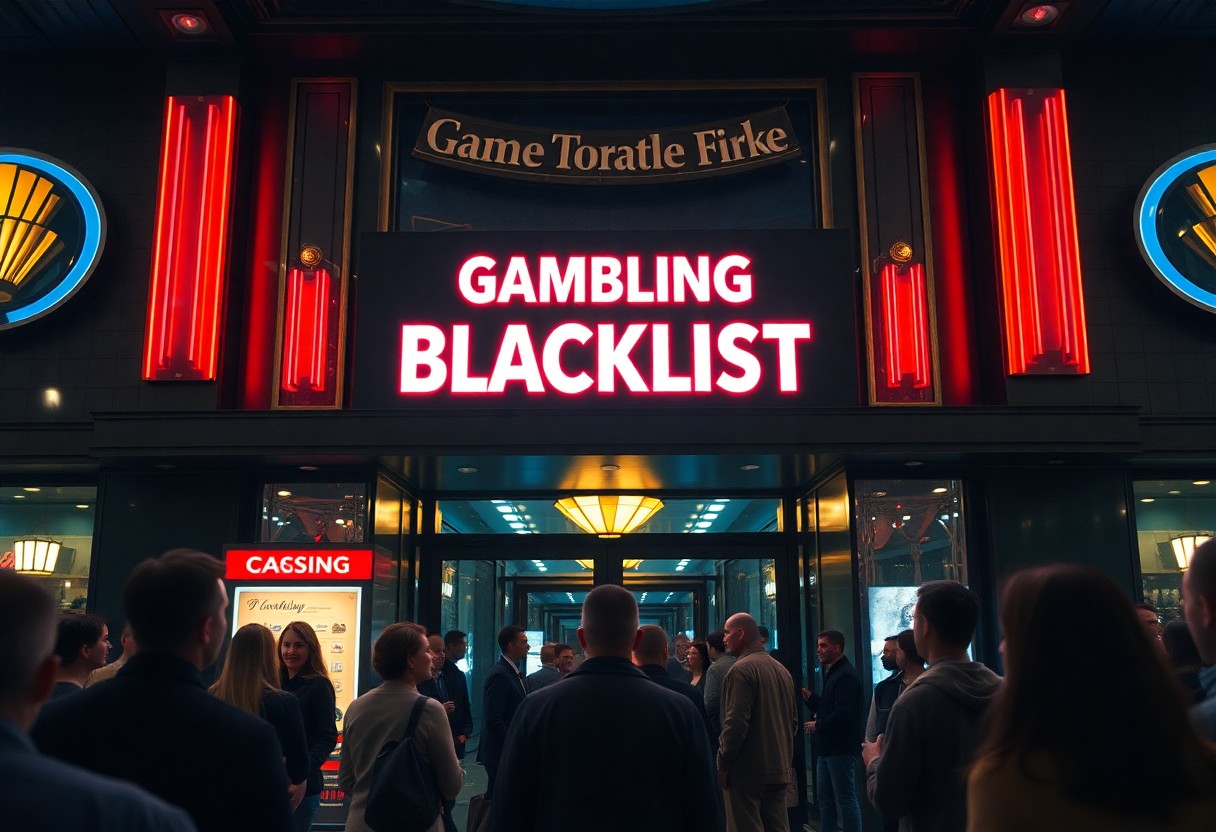
Most regulatory authorities create national gambling blacklists to protect consumers and promote responsible gaming practices. However, the effectiveness of these blacklists has come under scrutiny, raising questions about their true purpose. Are they genuinely designed to safeguard players, or are they merely public relations tools aimed at enhancing the image of regulatory bodies? This blog post probes into the complexities surrounding national gambling blacklists, exploring their origins, implementation, and impact on both the gambling industry and consumer behavior.
The Purpose and Power of National Gambling Blacklists
The Official Role of Blacklists in Regulation
The primary function of national gambling blacklists is to ensure that only reputable and licensed operators are permitted to offer their services within a given country. These lists, maintained by regulatory bodies, serve as a deterrent to illegal operators who might try to exploit vulnerable consumers. For instance, the UK Gambling Commission (UKGC) maintains its own blacklist, which helps to curb illicit gambling activities and protect the integrity of the gambling market. By prohibiting access to these unlicensed operators, regulators aim to create safer environments for players and support those companies that comply with the legal framework.
In addition to safeguarding consumers, these blacklists play a pivotal role in fostering competition within the legal gambling market. Allowing only licensed operators to enter the sector ensures that players have access to trustworthy services, spurring lawful operators to enhance their offerings and maintain high standards. In regulated markets, transparency and accountability are fundamental, and blacklists provide a crucial component of the regulatory framework that holds operators to these principles.










The Promise of Consumer Protection
Consumer protection is a central tenet of national gambling blacklists, intended to shield individuals from dubious gambling practices. By publicly listing operators that fail to adhere to legal and ethical standards, blacklists aim to keep potential players informed about which platforms pose risks. This information empowers consumers to make more educated decisions when it comes to selecting where to gamble. In countries such as Spain and the Netherlands, national gambling authorities have implemented stringent measures that include blacklisting unlicensed sites to promote responsible gambling behaviors.
This protective measure extends beyond just naming and shaming operators. Many gambling blacklists are updated regularly, reflecting the dynamic nature of the gambling industry and its continuous evolution. Consumers can rely on these resources not only for information on untrustworthy platforms but also to discover legitimate websites that prioritize fair play and responsible gambling practices. Ultimately, the efficacy of blacklists in consumer protection hinges on coherent regulation, public awareness campaigns, and cooperation among stakeholders across the gambling sector.
Analyzing the Credibility of Gambling Blacklists
The Criteria for Inclusion on Blacklists
The criteria for inclusion on national gambling blacklists can vary significantly from one jurisdiction to another. Often, these criteria include factors related to unethical business practices, lack of transparency, or non-compliance with local gaming laws. For instance, a gambling operator may be blacklisted if they fail to honor payouts, exhibit fraudulent behavior, or engage in aggressive marketing tactics that target vulnerable individuals. Different regulatory bodies may employ their own standards for what constitutes unacceptable behavior, leading to inconsistencies in how blacklists are constructed across various nations.
Additionally, blacklists can reflect the evolving landscape of the gambling industry, with criteria adjusted as new issues arise. The emergence of online gambling, mobile betting applications, and cryptocurrency has introduced complexities that regulatory bodies must address. A case in point is the increasing scrutiny over how offshore operators manage player funds or the legality of their operations within the jurisdictions where they advertise. Therefore, understanding how criteria are applied is imperative for evaluating the effectiveness and fairness of these blacklists.
The Influence of Economic Interests
Economic interests play a vital role in shaping national gambling blacklists, intertwining regulatory practices with market dynamics. For instance, established operators often hold significant sway with regulators, leading to potential biases in which companies are scrutinized or blacklisted. Meanwhile, new entrants to the market may face a higher barrier to entry, further compounding the effect of economic concerns. Looking at the United States, states with more developed gambling industries may be less aggressive in blacklisting operators that contribute to state revenues, regardless of their practices.
The prevalence of lobbying efforts within the gambling sector is also a critical factor. Well-funded lobbying groups can influence policy decisions, complicating the regulatory landscape. In the UK, for example, operators and affiliated companies have spent millions on lobbying initiatives aimed at shaping regulations that can either promote or hinder the effectiveness of blacklists. The intersection of morality in gambling and financial interests thus presents a paradox, where protective measures for consumers may inadvertently serve profitability goals more than regulatory integrity.
The Public Relations Dilemma
The Thin Line Between Image and Reality
Public perception plays a pivotal role in how national gambling blacklists are viewed. While on the surface these lists appear to be an vital protective measure, they can also mask underlying issues within the regulatory framework itself. The stark contrast between the intended purpose of these blacklists and the realities of their application often leads to skepticism. For instance, a study by the European Gaming and Betting Association revealed that 35% of the industry professionals surveyed felt that blacklists were more about enhancing the regulatory bodies' reputations than genuinely safeguarding consumers. This perception raises questions about whether the focus is on accountability or merely maintaining an image of control and compliance.
This discrepancy can lead to a serious disconnect where regulatory bodies may prioritize the optics of consumer protection over enforcing meaningful change. An example that illustrates this point involves a prominent European betting operator that was placed on a blacklist for dubious practices. The operator vehemently challenged the inclusion, claiming the blacklist was created in response to industry pressure rather than substantiated violations. Consequently, the operator's legal battle highlighted how regulatory bodies may sometimes use blacklists as a PR tool, rather than addressing the root causes of non-compliance.
Blacklists as a Response to Industry Scrutiny
In sectors where public trust is paramount, the response to increasing scrutiny can often manifest in the formation of blacklists. National regulatory bodies sometimes adopt these lists to demonstrate their commitment to regulating industry practices transparently. However, such a strategy provides only a superficial fix; it may deflect attention from broader regulatory failures or inadequate enforcement mechanisms. A case that stands out is the response of the UK Gambling Commission, which released a blacklist after significant media coverage around gambling-related harm and stakeholder outrage. Critics argue that rather than solving underlying problems, the Commission instead relied on blacklists as a public relations salvo to show that they were taking action.
Beyond this tactical deployment, the implications of blacklists extend into how they can inadvertently bolster the credibility of those adhering to compliance standards while stigmatizing the entities listed. As more organizations and stakeholders push for better regulation and accountability, the use of blacklists becomes a double-edged sword. While they can serve a legitimate purpose in protecting consumers, they can also devolve into instruments of reputational management, where the focus is less about meaningful reform and more about creating the illusion of control. Balancing real regulatory action with the pressure to publicly respond to criticism remains a challenge for many governing bodies.
The Impact of Blacklists on Consumer Behavior
Trust and Perception: How Blacklists Shape Player Choices
National gambling blacklists significantly influence consumer trust and perceptions, shaping the decisions players make when selecting where to gamble. Research indicates that 74% of online gamblers consider a site's regulatory status and its inclusion on a blacklist before placing bets. Those listed on such blacklists often find themselves shunned, as players feel safer gravitating toward operators that maintain a clean record. Conversely, blacklisted operators may struggle to regain trust, as only a small percentage of players allow the potential for redemption to weigh against the substantial red flags raised by those listings.
A deeper insight into player behavior reveals that trust does not emerge solely from awareness of blacklists but from the sense of security they provide. Casinos listed as non-compliant raise immediate concerns about fairness and payouts, pushing consumers toward platforms boasting regulatory endorsements. This pattern of behavior not only limits consumer choice but also enables compliant operators to maintain a competitive edge, knowing they can leverage their blacklists-free status as a marketing tool to attract cautious players.
The Risk of False Sense of Security
While blacklists offer a layer of protection for consumers, they can inadvertently foster a false sense of security. Players often believe that adherence to blacklists guarantees a positive gambling experience, overlooking the complexities of online casinos. A site may not appear on a blacklist yet still engage in potentially harmful practices, such as poor customer service or unfair gaming conditions. For instance, recent studies have shown that unlisted operators can still be involved in dubious activities, like charging excessive withdrawal fees or employing deceptive marketing strategies, creating a risk for players who may assume they are wholly safe.
Further analysis reveals that the presence or absence of a blacklist listing provides merely a snapshot of a website's activities. Multiple operators have been found operating under the radar, pursuing profit over ethical practices despite not being blacklisted. This misperception can lead players to become complacent, neglecting to conduct thorough research into the platforms they choose to engage with. Ultimately, reliance on blacklists without comprehensive scrutiny can mislead inexperienced gamblers, risking not only their funds but also their overall gaming experience.
Case Studies: Successes and Failures of Blacklists
Countries with Effective Blacklist Implementation
Several countries have successfully implemented gambling blacklists, leading to noticeable results in consumer safety and industry compliance. For instance, in the UK, the Gambling Commission has been proactive in using its blacklist to protect players. Data from 2021 showed a 12% decrease in complaints from players associated with blacklisted operators. This was attributed to a more stringent enforcement of regulations against those on the blacklist, bolstered by educational campaigns aimed at informing consumers about which gambling entities pose risks.
Sweden offers another compelling case study, having introduced a blacklist in its move to regulate online gambling operations. Following the establishment of the blacklist in January 2019, the Swedish Gambling Authority noted that unauthorized platforms' market share dropped from 30% to just 10% within a year. Additionally, reports indicated that player participation in blacklisted platforms significantly decreased, showcasing the effectiveness of governmental oversight in protecting consumers.
Notable Failures in Enforcement
In contrast, some countries have faced challenges with their blacklist enforcement, resulting in minimal impact on illegal gambling activities. Australia serves as a prime example; despite having a comprehensive national blacklist, many operators continue to operate outside the law. A report from 2022 revealed that over 50% of online gambling websites listed on the Australian blacklist remained accessible to citizens, raising questions about the effectiveness of the enforcement mechanisms in place. Here, the lack of collaboration between federal and state authorities has hindered impactful regulatory intervention.
Another notable failure can be seen in the case of Canada, where individual provinces are responsible for blacklist enforcement, leading to inconsistent application of penalties and regulations. A 2020 consumer report highlighted that almost 60% of Canadians were unaware of the existence of blacklisted sites. As a result, numerous blacklisted operators still managed to attract players, showing that the lack of a cohesive national approach allowed these sites to thrive despite being flagged for illegal practices. This inconsistency calls into question the real impact of national blacklists and their role as effective consumer protection tools.
Regulatory Perspectives: Stakeholder Opinions
Views from Industry Regulators
Regulatory bodies often view national gambling blacklists as an necessary tool for maintaining the integrity of the gambling ecosystem. Agencies like the UK Gambling Commission and the Malta Gaming Authority argue that these lists play a vital role in protecting consumers and ensuring that operators adhere to stringent ethical and legal standards. By flagging unlicensed or rogue operators, regulators believe they can foster a safer environment for players, thereby enhancing overall trust in legitimate gambling sites. The UKGC, for instance, has made considerable efforts to engage directly with players through educational campaigns, emphasizing the importance of only using licensed platforms, which can be supported by the existence of a transparent blacklist.
Contrastingly, some regulators caution against over-reliance on blacklists as a standalone solution. They contend that while blacklists provide a measure of deterrence, they do not completely eliminate the risks posed by unscrupulous operators. Regulators advocate the need for comprehensive strategies that incorporate continuous monitoring, player education, and responsive enforcement mechanisms. In countries where gambling regulation is still evolving, the absence of a sustained partnership between authorities and operators further complicates the effectiveness of blacklisting efforts.
Opinions from Player Advocacy Groups
Player advocacy groups exhibit a mixed response to the existence of national gambling blacklists. Many organizations champion these lists as a legitimate method for informing gamblers about potentially harmful sites. They argue that blacklists empower players to make informed choices, highlighting the importance of consumer protection in an industry laden with risks. For instance, the National Council on Problem Gambling in the U.S. emphasizes that such measures are necessary tools in the fight against gambling addiction, supporting initiatives that provide clear information regarding which operators to avoid.
However, voices within the advocacy community also voice skepticism regarding the effectiveness of blacklists alone. Critics argue that these lists often lack regular updates, thereby providing a false sense of security for consumers. Players may vainly rely on the assumption that blacklists comprehensively cover all illicit gambling platforms. Some groups have urged authorities to focus on broader regulatory efforts that encompass prevention programs and accessible support for problem gamblers, rather than merely labeling certain operators as “bad.” This perspective suggests that while national blacklists can play a role, they must be part of a larger, more holistic strategy to safeguard players.
The Global Landscape: International Comparisons
| Country | Primary Features of Gambling Blacklists |
|---|---|
| United Kingdom | Regulated by the UK Gambling Commission; focuses on consumer protection and responsible gambling. |
| Australia | State-specific regulations; the Australian Communications and Media Authority manages blacklists against illegal operators. |
| United States | No federal blacklist; individual states regulate online gaming with varying degrees of enforcement. |
| Germany | Imposed restrictions on operators; a national blacklist system in place to ensure compliance with licensing conditions. |
| Sweden | National regulator, Spelinspektionen, maintains a roster of legal operators, while illegal sites are blacklisted. |
Variations in Blacklist Policies Across Nations
Countries exhibit significant differences in how they approach gambling blacklists. For instance, in the United Kingdom, the emphasis is heavily on consumer protection, obligating all licensed operators to follow strict compliance rules. The UK Gambling Commission actively utilizes blacklists to inform players about unlicensed sites, leveraging consumer education as a tool to promote safe gambling practices. In contrast, Australia operates with state-level regulation, resulting in a patchwork of policies where the Australian Communications and Media Authority plays a key role in blacklisting illegal operators, leading to inconsistencies across regions.
The United States presents an interesting case where the absence of a federal blacklist complicates matters. States like New Jersey and Nevada have implemented their own regulations, but the lack of a cohesive federal approach means many illegal operators slip through the cracks, with enforcement relying heavily on localized efforts. In Germany, there is a structured national blacklist aimed at ensuring operators adhere to strict licensing laws, whereas Sweden's blacklisting policies are enforced through its national gambling authority to safeguard public interests. These varying frameworks showcase not only how gambling is regulated but also reflect broader national attitudes toward gambling itself.
Lessons from Countries with No Blacklists
Examining nations without formal gambling blacklists reveals alternative strategies and outcomes in managing online gambling and protecting consumers. Countries like Japan and many in Scandinavia, which do not maintain comprehensive blacklists, employ a mix of taxation policies and heavily regulated markets to mitigate risks associated with gambling. Instead of relying on blacklists to curb rogue operators, they focus on creating environments where licensed operators thrive, effectively reducing the presence of unlicensed entities.
Many jurisdictions without blacklists emphasize robust consumer protection measures and alternative accountability methods. For instance, Japan's regulated gambling environment, characterized by limited availability of gaming options, seeks to control gaming access through legal means rather than outright bans. This model fosters a less adversarial relationship between consumers and operators, as the emphasis is placed on responsible gambling practices rather than punitive measures against illegitimate operators. By shifting focus from punitive blacklisting to proactive regulatory measures, these countries may stimulate healthier gambling ecosystems and reduce the need for forced compliance interventions.
The Technology Behind Blacklisting Measures
The Role of Data Analytics in Blacklist Development
Data analytics plays a pivotal role in the development of national gambling blacklists. By analyzing online gambling patterns, regulatory bodies can identify operators that breach established norms or exhibit concerning behaviors. This involves the scrutiny of various data points, including player complaints, the frequency of payout issues, and overall operator transparency. For instance, platforms like Betfair employ sophisticated analytics to monitor fraud levels and suspicious activities in real-time, allowing them to act quickly and decisively against rogue operators before they can cause widespread harm.
Moreover, collaboration with independent research firms adds another layer of sophistication to these analytics. These entities extract and evaluate data on a global scale, providing regulatory bodies with an evidence-based approach for updating their blacklists. Recent studies have shown that jurisdictions using well-integrated data analytics frameworks can detect non-compliant operators up to 60% faster than those relying on traditional methods, demonstrating the effectiveness of proactive measures influenced by robust data analysis.
The Future of AI in Regulatory Practices
The integration of Artificial Intelligence (AI) into regulatory practices signals a transformative shift in the way national gambling blacklists are maintained and enforced. AI systems can analyze vast amounts of data exponentially faster than human regulators, assessing patterns and deviations that might suggest risk or non-compliance. A notable example is the deployment of machine learning algorithms that can predict which online operators are likely to engage in unethical practices based on historical data and current trends.
In the future, AI is expected to fine-tune blacklist curation, allowing for near-real-time updates based on the evolving behavior of online gambling platforms. For instance, AI-driven systems could potentially detect unusual withdrawal patterns or abnormal player losses and immediately flag those operators for investigation. This could drastically reduce the time taken to respond to emerging threats in online gambling, thereby enhancing player protection and ensuring a fairer gambling environment.
The Ethical Implications of Gambling Blacklists
Balancing Player Protection with Industry Freedom
Establishing gambling blacklists often hinges on the need to protect players from rogue operators, ensuring that consumers have a safe environment to engage with gambling services. However, there lies a fine line between protecting players and stifling the legitimate operations of businesses. Regulatory authorities might argue that blacklists uphold industry standards by removing bad actors. However, the lack of transparency in decision-making processes can lead to unjust consequences for operators who have made small mistakes or are undergoing financial difficulties. In some cases, a blacklisted firm may even have enacted changes to rectify issues, only to find themselves still facing the stigma associated with their past.
This scenario creates a dilemma where the rights of players to safe gambling experiences are weighed against the rights of operators to conduct business without unwarranted sanctions. While robust measures against fraudulent practices are vital, overly broad application of blacklisting can stifle competition and innovation, leading to an industry that may prioritize compliance over customer satisfaction. The impact of these blacklists is felt across the entire gambling ecosystem, influencing everything from user trust to investment in new technologies.
The Morality of Shaming and Stigmatization
The practice of blacklisting carries with it significant moral implications, particularly the potential for shaming and stigmatizing operators. Being placed on a blacklist often becomes a public label, marking entities as “bad” in the eyes of consumers. This can transform the landscape into one where fears about reputation overshadow substantive conversations about improvement and reform. Stakeholders may overlook positive changes made by previously problematic entities, focusing instead on the label rather than the lessons learned.
Moreover, applying moral judgment through public shaming raises questions about fairness and ethics in the gambling industry. The assumption that blacklisting guarantees player safety disregards the nuances involved with each operator's circumstances. For instance, an operator may have faced a temporary crisis, such as a cybersecurity breach, leading to a lapse in compliance. However, a blacklisting action could perpetuate a narrative of incompetence that impacts not only the business but its customers, as customers reliant on that service may find themselves without a viable option.
In an industry where entrepreneurship and recovery are vital, labeling companies as “dangerous” can stymie growth and result in significant economic loss for both the operators and their stakeholders. Instead of fostering an environment of rehabilitation, the stigma of blacklisting may deter operators from confronting their issues openly, leading to a culture of secrecy and fear rather than transparency and improvement. Expanding the dialogue around these ethical dilemmas could pave the way for more humane and constructive approaches to regulating these important services.
Best Practices for Responsible Gambling Promotion
Alternatives to Blacklisting: Encouraging Positive Behavior
Promoting responsible gambling through alternatives to blacklisting can foster a more supportive gaming environment. Instead of focusing solely on penalties for offenders, initiatives can spotlight programs that provide resources for self-exclusion and gambling education. For instance, platforms like GamCare in the UK offer informational resources and support networks, encouraging players to manage their gambling behaviors proactively rather than waiting for punitive measures. By integrating these positive strategies into the fabric of gambling culture, organizations can offer players tools for self-regulation and informed decision-making that lead to healthier gambling practices.
Moreover, implementing loyalty programs that reward responsible gambling habits stands as a further alternative. Operators could design incentive structures where players who maintain a balanced approach to gaming could receive bonus points or exclusive promotions. This not only shifts the narrative from one of restriction to recognition but also builds community among players committed to responsible behavior.
Building Trust Without Disparagement
Establishing trust in the gambling community requires a careful balance of transparency and respect. Rather than vilifying individuals on blacklists, a strategic approach emphasizes education about the risks associated with gambling and encourages open conversations. Creating community forums can serve as a platform where individuals share their experiences and learn from each other, further normalizing the discussion around responsible gambling practices. This community-driven approach is supported by research; for instance, a study by the Responsible Gambling Council found that peer support significantly influences gambling behaviors, underscoring the importance of creating positive social environments.
By reframing the narrative, stakeholders in the gambling industry can enhance their credibility without resorting to the stigmatization characteristic of national blacklists. Trust can be built through cooperative partnerships with public health organizations, where both parties work on joint initiatives aimed at education and prevention. This collaborative effort, combined with transparency in operations and decision-making processes, shifts the focus from punitive measures to fostering an informed and engaged player base.
Debunking Myths: Misconceptions about Blacklists
Common Misunderstandings in Public Discourse
Misconceptions regarding national gambling blacklists often stem from a lack of understanding about their true purpose and implementation. Many people believe blacklists exist merely to punish operators, thinking they serve no constructive purpose. However, this perspective misses the underlying aim of blacklists, which focuses on protecting consumers from illegal or unethical practices within the gambling industry. For instance, the inclusion of an operator on a blacklist can signal a serious breach of regulations, from insufficient player protection measures to fraudulent activities, hence informing players about the legitimacy of the platforms they might be considering.
Another common misunderstanding is that blacklists are static lists that never change. In reality, many countries regularly review and update their blacklists based on new evidence or changing regulatory frameworks. Operators can sometimes remove themselves from these lists by rectifying compliance issues, thus promoting accountability and improvement within the gambling sector. For example, in 2021, several online gambling operators were able to successfully appeal their inclusion on the UK Gambling Commission's blacklist by demonstrating significant enhancements in their operational practices.
Clarifying the Role of Blacklists in the Gambling Industry
Blacklists are not merely punitive measures; they play a significant role in establishing a framework for accountability within the gambling industry. Countries that utilize national blacklists often do so to create a safer gambling environment for consumers. They contain information on operators that have violated laws or regulations, providing a necessary warning to players about potential risks. This transparency fosters trust and ensures that players remain informed about the gambling environments they engage with.
In many jurisdictions, blacklists serve as dynamic tools alongside other regulatory measures. They can effectively highlight operators that have come under scrutiny for questionable practices, embedding a culture of compliance within the industry. For instance, the Malta Gaming Authority maintains a well-monitored list of licensed operators, and any deviations invite swift action, reinforcing stringent oversight and ultimately driving operators towards ethical business practices.
Blacklists themselves function as living documents, reflecting the regulatory landscape. Each addition or removal is indicative of an operator's willingness to adhere to laws and regulations, making these lists a vital part of the ongoing conversation about responsible gambling. Additionally, they often align with broader efforts to promote safe gaming, protecting vulnerable populations from exploitation while encouraging operators to elevate their standards.
The Future of Gambling Blacklists in a Changing Landscape
Trends That May Influence Blacklist Efficacy
Digital transformation continues to reshape the gambling industry, with innovations like blockchain technology driving transparency to new heights. Enhanced record-keeping and transaction tracking could reduce the incidence of fraudulent operators, thus impacting the need for blacklists. For instance, crypto-based casinos demonstrate a commitment to accountability; players can trace their transactions on a public ledger, which might render traditional blacklisting measures redundant in some instances. Furthermore, regulatory initiatives in various jurisdictions promote responsible gambling through more robust standards, potentially leading to a decline in the numbers of operators requiring blacklisting.
The rise of online gambling markets has also diversified the ecosystem, prompting regulators to adapt to the complexities of enforcement. With players having access to international platforms, national authorities may find it challenging to keep blacklists current. Instead, the focus might shift towards more collaborative efforts between jurisdictions to create broader, more integrated systems that address shared concerns around player protection and fair play, thereby enhancing the overall efficacy of blacklisting measures.
Potential Reforms and Innovations in Policy
As the conversation around gambling blacklists evolves, so too might the frameworks that govern them. Potential reforms could include integrating technology-driven solutions to foster real-time tracking of non-compliant operators, enhancing the ability of authorities to act swiftly. Collaboration across borders is another area ripe for exploration, with international coalitions capable of sharing data and insights to develop more comprehensive blacklist systems. One proactive model may involve creating a regional blacklist, where neighboring countries share information about problematic operators to prevent them from exploiting regulatory gaps.
Innovations in policy could lead to the establishment of dynamic blacklists that adapt to changing circumstances. For instance, instead of relying solely on historical infractions, future frameworks might include predictive analytics to assess potential risks associated with new entrants in the market. This would not only enhance the prevention of gambling-related harm but also foster an environment where regulatory bodies maintain ongoing engagement with operators, encouraging compliance rather than solely punitive measures. As new technologies emerge and consumer behavior shifts, reimagining blacklisting policies could help ensure they remain effective tools for player protection in an evolving gambling landscape.
The Role of Media in Shaping Blacklist Perceptions
Coverage of Blacklist Effectiveness
The media plays a critical role in shaping public understanding and perceptions of national gambling blacklists. Oftentimes, articles highlight extreme cases where players have been scammed by unregulated operators, reinforcing the idea that blacklists are a necessary tool for consumer protection. However, such coverage frequently neglects to include data on the actual effectiveness of these blacklists or the percentage of players affected by unlisted operators. For instance, a report by the Gambling Commission noted that while complaints against blacklisted operators are reported, the overall incidence of player disputes represents only a small fraction of the total gambling market. This context could lead to a more nuanced understanding of the blacklist's role in safeguarding players.
The sensational nature of media reporting can sometimes lead to an oversimplification of the issue. Coverage tends to focus on the negative aspects of gambling operations, enhancing public fear and anxiety. For example, headlines often emphasize the “dangerous” nature of unlisted gambling sites, without providing comprehensive insights into the actual risks versus the benefits of these blacklisting measures. This one-dimensional portrayal contributes to a perception that blacklists are more effective than they may actually be, leaving consumers with a skewed understanding of their significance and the realities of online gambling.
The Impact of Investigative Journalism
Investigative journalism has brought to light the complexities surrounding national gambling blacklists, often unveiling discrepancies and weaknesses in their enforcement. Reporters have uncovered instances where flagged operators managed to bypass these restrictions, prompting questions about the actual rigor of enforcement protocols. For example, a comprehensive investigation published by a prominent news outlet highlighted that certain blacklisted operators continued to operate, targeting vulnerable populations and exploiting legal loopholes. These findings not only challenge the effectiveness of the blacklisting process but also serve as a clarion call for addressing the systemic issues that allow unscrupulous entities to exist within the gambling landscape.
Such efforts in investigative journalism are pivotal in shaping an informed public discourse about gambling blacklists. By uncovering the underlying realities, journalists can provide a platform for discussions about regulatory gaps, accountability, and the need for stronger consumer protections. This deeper probe the efficacy and integrity of blacklisting measures can influence public policy and push for reforms aimed at enhancing the overall safety of the gambling ecosystem.
To Wrap Up
Drawing together the various aspects of national gambling blacklists, it becomes clear that while these lists are designed to promote responsible gambling and protect consumers, they often function as public relations tools. By highlighting the negative aspects of blacklisted operators, regulatory bodies and governments can project a proactive stance toward gambling safety. However, the effectiveness of these blacklists in genuinely reducing harmful gambling activities is frequently called into question. In many instances, the blacklists may lack proper enforcement mechanisms or may not address the underlying issues of problem gambling, which must be prioritized beyond mere labeling.
Furthermore, the potential for blacklists to inadvertently harm legitimate operators or fail to take into account shifts in the gambling landscape can complicate their intended purpose. Critics argue that a more comprehensive approach is needed, focusing on education, support services, and effective regulation rather than relying solely on blacklisting. As the gambling industry continues to evolve, the role and effectiveness of national blacklists will require ongoing scrutiny and adjustment to ensure they serve their intended function—protecting consumers and promoting fair gambling practices.
FAQs
What is a national gambling blacklist?
A national gambling blacklist is a list maintained by a regulatory authority identifying unlicensed or illegal gambling operators banned from offering services in a country.
Do gambling blacklists actually protect consumers?
Yes, they aim to protect consumers by warning them against unsafe operators, but their effectiveness varies depending on enforcement and public awareness.
Why are some operators added to gambling blacklists?
Operators are typically blacklisted for violating local gambling laws, such as operating without a license, failing to pay winnings, or using unethical practices.
How often are national blacklists updated?
It varies by country, but effective regulatory bodies update blacklists regularly to reflect changes in operator behavior and compliance.
Are gambling blacklists the same in every country?
No, each country sets its own criteria, policies, and enforcement mechanisms, resulting in significant variation in blacklist effectiveness.
Can players still access blacklisted gambling sites?
In some jurisdictions, yes. Technical and legal enforcement challenges can allow continued access despite a site being blacklisted.
Do gambling blacklists affect licensed operators?
Yes, they can help legitimate operators stand out by creating a trusted market environment, encouraging compliance and fair play.
What is the criticism against gambling blacklists?
Critics argue that some blacklists serve more as public relations tools than genuine consumer protection mechanisms, especially if inconsistently enforced.
Can a blacklisted operator be removed from the list?
In some jurisdictions, operators may be delisted if they demonstrate compliance with laws and pass re-evaluation by the regulatory body.
Are there alternatives to national gambling blacklists?
Yes, some countries rely on strong licensing frameworks, player education, and consumer protection laws without using formal blacklists.

Ash
I like to keep it short. I am a writer who also knows how to rhyme his lines. I can write articles, edit them and also carve out some poetic lines from my mind. Education B.A. - English, Delhi University, India, Graduated 2017.
Related Posts


PopOK Gaming Announces Partnership with Bitville Gaming
October 9, 2026


