

















Can Panama Become the Next Gambling Secrecy Hub?
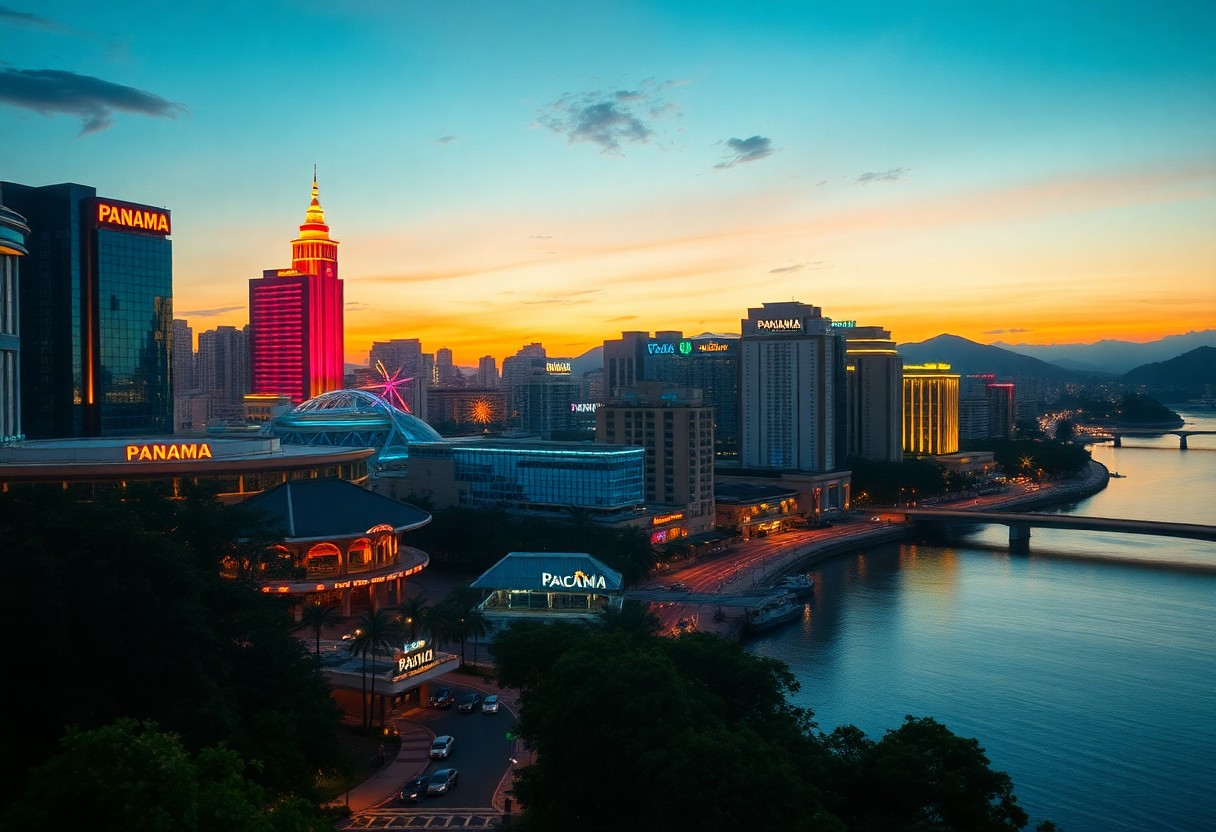
There's growing interest in Panama as a potential hub for online gambling, particularly due to its favorable regulations and strategic location. With a history of offering financial secrecy and a robust infrastructure for international businesses, Panama presents an attractive destination for gaming operators looking to capitalize on the global gambling market. This blog post explores the factors that could contribute to Panama's emergence as a gambling secrecy hub, examining legal frameworks, financial incentives, and comparative advantages over other jurisdictions in the industry.
The Gambling Landscape: A Crossroads of Legislation and Opportunity
Current Global Gambling Trends
During the last decade, the global gambling market has undergone significant transformations, driven by the rapid expansion of online platforms and changing consumer preferences. According to a 2022 report by ResearchAndMarkets, the online gambling market was valued at approximately $63 billion, with projections suggesting it could reach $114 billion by 2028. Factors such as technological advancements, the proliferation of mobile devices, and changing regulatory environments are reshaping how individuals engage with gambling. Regions like Asia, Australia, and Europe continue to dominate the market, but emerging territories are beginning to challenge these established powers.
The rise of cryptocurrencies and blockchain technology has also played a pivotal role, offering players anonymity and quick transactions that traditional banking methods cannot match. Innovative approaches such as live dealer games and enhanced virtual reality experiences are redefining the gambling experience. This evolving landscape presents a lucrative opportunity for countries like Panama, as they can leverage these global trends to position themselves attractively for both operators and players.









Regulatory Frameworks of Major Gambling Hubs
Regulatory frameworks in traditional gambling hubs such as Las Vegas, Monte Carlo, and more recently, the United Kingdom and various Caribbean nations, fundamentally shape the industry. Established jurisdictions offer comprehensive licensing processes, robust player protections, and clear taxation policies—elements that encourage both investment and consumer trust. For instance, the UK's Gambling Commission maintains stringent guidelines that ensure transparency and fair play, enticing legitimate operators while deterring the black market.
Conversely, less regulated environments can lead to an influx of unscrupulous operators, undermining consumer confidence and leading to potential legal challenges. Countries like Malta and Gibraltar have successfully struck a balance, offering favorable tax rates and regulatory oversight that attracts operators while safeguarding player interests. As Panama contemplates the establishment of its own gambling framework, it must learn from both the successes and shortcomings of these established jurisdictions to create an environment that is both appealing and trustworthy for the global gambling community.
The regulatory landscape plays a pivotal role in determining a nation's ability to attract and retain gambling firms. With the implementation of clear regulatory guidelines, Panama could potentially cultivate an inviting environment for both online and land-based operators, encouraging investment and innovation. Crafting a balanced framework that integrates player protections, taxation incentives, and operational flexibility will be vital to competing effectively on the global stage. This presents an exciting opportunity for Panama to position itself as an attractive alternative in the gambling ecosystem.
Panama's Unique Position in the Gambling Market
Geographic and Economic Advantages
Strategically located at the crossroads of North and South America, Panama serves as a natural hub for gambling operators looking to access a diverse market without the regulatory encumbrances present in many jurisdictions. The Panamanian economy, bolstered by the Panama Canal and robust banking systems, features a service sector that drives growth and attracts international investments. The nation's dollarized economy adds a further layer of stability, making it an inviting destination for gambling companies seeking a reliable and familiar financial environment. With proximity to key markets like the U.S. and Colombia, entering Panama can facilitate easier traffic and outreach for gambling businesses seeking to broaden their customer base.
The government of Panama has actively fostered a pro-business climate, offering incentives for foreign investments. This includes tax breaks and streamlined processes for setting up online gambling operations. The country's commitment to modernizing its telecommunications infrastructure enhances its appeal, ensuring that operators can leverage high-speed internet and reliable connectivity—all necessary components for a thriving online gambling sector.
Existing Infrastructure Supporting Gambling Ventures
Panama boasts robust infrastructure that caters specifically to the gambling industry, including numerous casinos and entertainment complexes, which provide a physical presence and enhance the attractiveness of online platforms. Furthermore, the nation's gambling authority has established a regulatory framework that promotes transparency while facilitating ease of compliance for operators. Casinos and sportsbooks currently operating in Panama are equipped with cutting-edge technology and systems capable of supporting both traditional and online betting operations. This existing ecosystem benefits newly established entities that can take advantage of the pre-existing knowledge and resources within the industry.
The well-developed infrastructure extends beyond physical locations; Panama's banking system is also equipped for international transactions, allowing for seamless monetary flows for gambling entities. A number of local banks are familiar with cryptocurrency transactions, positioning the jurisdiction favorably in the rapidly evolving landscape of online gambling. This forward-thinking approach can attract innovators within the sector, positioning Panama as a competitive player in the online gambling market.
Key Players: Who's Making Waves in Panama's Gambling Scene
Major Gambling Enterprises in Panama
Several prominent gambling enterprises have established a strong presence in Panama, capitalizing on the government's favorable regulations and the country's strategic location. One of the major players, Grupo Hopsa, operates multiple gaming establishments throughout the region, catering not only to local bettors but also attracting tourists. Their flagship casino, the Crown Casino, boasts an extensive gaming floor and luxurious amenities that appeal to high rollers and casual players alike. Other notable enterprises include the Sortis Hotel, which integrates a high-end casino experience with hospitality, reflecting a trend that merges entertainment with luxury accommodations.
The landscape also includes international operators, such as BetOnline, which have contributed to the growth of online gambling within Panama. This shift towards digital platforms creates a multi-faceted gambling environment, where traditional brick-and-mortar establishments exist alongside innovative online solutions. By leveraging local partnerships and adhering to regulatory requirements, these enterprises enhance Panama's reputation as a viable destination for both gaming and investment.
Local vs. International Investment Dynamics
Investment dynamics in Panama's gambling sector showcase a blend of local and international interests, each bringing its distinct advantages and challenges to the table. Local investors, familiar with Panama's cultural nuances and market behavior, can offer valuable insights and expertise that foreign entities might lack. Conversely, international firms often bring substantial financial resources and advanced technological capabilities, which can enhance the overall competitiveness of Panama's gambling market.
Disparities in approach can be observed, particularly in the way local and international entities navigate regulatory hurdles. Local investors generally have established networks that facilitate smoother interactions with government bodies, whereas international players often engage in longer negotiations to adapt their operations to local regulations. However, the recent trend shows that partnerships between these two factions are becoming more common. Collaborations enable international operators to benefit from local market knowledge while providing local investors access to global best practices and cutting-edge technology, ultimately fostering an integrated and robust gambling industry in Panama.
Analyzing Panama's Regulatory Environment
Current Gambling Laws and Their Implications
Panama's existing gambling framework is framed largely by Law 13 of 1990, which regulates various forms of gambling including casinos, lotteries, and sports betting. Licensed operators must adhere to specific requirements, such as maintaining a physical presence in the country and obtaining the necessary permits, which inherently limits the opportunities for online-only operators. Additionally, the licensing process is considered cumbersome; prospective businesses often face lengthy bureaucratic regulations that can deter potential investors. This complex landscape has led to a mixed perception among international operators, as the stringent requirements could lead to a loss of potential revenue while fostering a lack of competitive dynamism in the market.
Despite these challenges, the enforcement of current laws has seen some degree of success, with the government generating significant tax revenue from gambling activities. Reports from the Panamanian government indicated that the gambling sector contributed approximately $200 million in taxes in the last fiscal year, a testament to its economic significance. However, the dominance of existing operators has raised concerns about fairness and transparency, leaving room for a robust discussion about the need for regulatory improvements to ensure a competitive and equitable environment for all stakeholders.
Proposed Reforms and Their Potential Impact
Anticipated reforms in Panama's gambling regulations focus on modernizing the existing framework to better accommodate online gambling operators and streamline the licensing process. These reforms, if successfully implemented, are poised to enhance Panama's appeal to international gaming firms. The government has discussed initiatives such as establishing a dedicated regulatory body for online gambling and revising tax structures to make them more favorable for operators, which could lead to increased foreign investment. By attracting a diverse range of operators, Panama could significantly bolster its status in the global gambling landscape.
The proposed changes also aim to foster a transparent operating environment that would allow for increased oversight and monitoring of online gambling operations. Enhanced regulatory frameworks might include measures such as stringent anti-money laundering policies and stronger consumer protection laws. These adjustments could ultimately create a more trustworthy gambling atmosphere that reassures players and investors alike. In turn, this would help Panama position itself favorably as a competitive gambling secrecy hub on the international stage, potentially leading to a transformation of the entire region's gambling landscape.
The Role of Technology in Driving Gambling Growth
Digital Innovations Shaping the Gambling Experience
Advancements in digital technology have transformed the gambling landscape, leading to a surge in online platforms and mobile applications that offer immersive experiences. Virtual Reality (VR) and Augmented Reality (AR) technologies are revolutionizing how players interact with games, blurring the lines between physical casinos and digital environments. These innovations enable users to enter a 3D gaming world, allowing for social interaction with other players and live dealers in real time, enhancing the overall gambling experience. Recent studies indicate that the VR gaming market is projected to exceed $12 billion by 2024, fostering a new dimension in gambling that entices users with its realism and engagement.
Blockchain technology is another pivotal force reshaping the industry. By providing a decentralized ledger for transactions, blockchain enhances transparency and trust, crucial components for players hesitant to participate in online gambling. Cryptocurrencies like Bitcoin and Ethereum are now regularly accepted by online casinos, offering secure and anonymous transactions that appeal to a growing segment of punters. This melding of technology and gaming not only democratizes gambling but also invites an influx of operators looking to capitalize on these digital trends, potentially positioning Panama as a prime destination for tech-savvy investors.
Cybersecurity Challenges in Online Gambling Operations
The rapid growth of online gambling brings significant cybersecurity risks that operators must navigate carefully. With sensitive data including personal and financial information exchanged in digital transactions, breaches can lead to severe reputational damage. According to the 2020 Cybersecurity Ventures report, cybercrime will cost the world an estimated $10.5 trillion annually by 2025, making it imperative for online casinos to implement robust security measures. Failure to protect user data not only risks financial losses but also can deter potential clients from engaging with a brand perceived to be vulnerable.
As online gambling becomes more sophisticated, so do the techniques employed by cybercriminals. Phishing scams and ransomware attacks specifically targeting gambling sites have increased, exploiting the growing number of online players. As evidenced by the recent attack on the Evolution Gaming Group, where hackers infiltrated systems, online operators must proactively adopt advanced cybersecurity protocols. Multi-factor authentication, end-to-end encryption, and regular security audits are just a few measures that can help safeguard against these threats. Establishing a stringent cybersecurity framework not only protects users but also fosters a safe gaming environment, which is vital for maintaining trust and reputation in a burgeoning market like Panama.
Gambling Secrecy: The Trade-off Between Privacy and Transparency
The Appeal of Secrecy for Operators and Players
Operators are drawn to the allure of gambling secrecy for various reasons, particularly when it comes to maintaining competitive advantages. Limited transparency can allow companies to implement unique business models without the heavy regulations that typically come with more transparent practices. For example, lower taxation rates in secrecy jurisdictions, coupled with lenient licensing requirements, often enable operators to offer better odds or bonuses, attracting a larger player base. Players, in return, find the prospect of anonymity attractive, as it offers a means of circumventing local laws or cultural stigmas surrounding gambling.
The desire for privacy also extends to protection from excessive scrutiny. Operators can create an environment where they can innovate without fear of immediate regulatory backlash. This can lead to more creative betting products and diverse gaming experiences. Players appreciate this atmosphere, too; not only do they want their betting habits shielded from prying eyes, but they often feel emboldened in an environment that prioritizes their anonymity and privacy rights.
The Risks Inherent in Gambling Secrecy
However, the secrecy that appeals to both players and operators is a double-edged sword. One significant risk is that a lack of oversight can foster environments prone to unethical business practices, such as fraudulent activities or manipulation of game outcomes. The 2020 scandal involving Eldorado Resorts illustrates the consequences of inadequate regulation. When licenses lack rigorous checks, operators may prioritize profit over player protection, leading to financial losses and damaged reputations.
Additionally, gambling secrecy can attract criminal elements, such as money laundering and other illicit financial activities. Jurisdictions that cater to secrecy need to be vigilant in establishing anti-money laundering (AML) frameworks to avoid becoming hotbeds for financial crime. For instance, a surge in unregulated online betting platforms often correlates with increasing reports of users being scammed, as they operate without the protective safeguards found in regulated environments.
The risks inherent in gambling secrecy don't only affect operators; players are also at risk of being preyed upon. Without regulatory oversight, they may find themselves vulnerable to unfair practices, lack of recourse for disputes, and exploitation by unscrupulous operators. Unsanctioned operators can disappear overnight, taking with them the funds deposited by unsuspecting players. The calls for transparency thus become increasingly valid; it becomes imperative to balance the desire for privacy and the need for a robust regulatory framework that protects all stakeholders in the gambling ecosystem.
How Cultural Factors Influence Gambling in Panama
- Public perceptions of gambling are shaped by societal norms and values.
- The Catholic Church plays a significant role in the discourse surrounding gambling.
- Traditional attitudes towards money and risk inform popular sentiments.
- Gambling is often viewed through the lens of entertainment rather than vice.
- Changes in regulations are closely tied to shifting cultural perspectives.
Public Perception of Gambling Activities
In Panama, the general public's view on gambling reflects a mix of acceptance and skepticism. While many see gambling as a form of leisure and entertainment, various segments of the population remain cautious, influenced primarily by religious and traditional beliefs. In urban areas, casinos and betting establishments are widely frequented, often portrayed in a glamorous light through media and marketing. However, rural communities may still associate gambling with negative outcomes, including addiction and economic instability. This dichotomy in perception underscores a complex relationship that shapes the gambling landscape in the country.
As gambling becomes increasingly integrated into Panama's economy, public discourse grows more dynamic. Advocacy groups and community leaders voice concerns about protecting vulnerable populations from the potential pitfalls of gambling, such as addiction and economic disparity. This pushback has led to calls for better regulations and support systems, ensuring that while gambling remains available, players are safeguarded against its darker consequences. After all, public sentiment plays a critical role in determining the direction of gambling policies and practices in Panama.
The Role of Traditional Values in Shaping Laws
Traditional values in Panama significantly influence the legal framework surrounding gambling. Rooted in a strong Catholic heritage, the country's approach to gambling has historically reflected conservative views that prioritize family and community welfare. Legal provisions often stem from efforts to balance economic opportunities with cultural norms that view gambling with suspicion. The slow evolution of laws indicates a cautious approach, where regulators weigh the potential benefits against the need for moral integrity within society.
Legislative action surrounding gambling has also seen periodic fluctuations, often reversing course in response to cultural shifts. Notably, the past decade has witnessed a gradual transition towards more permissive regulations, as younger generations express more liberal attitudes towards gambling and its integration into everyday life. This shift encourages lawmakers to reconsider outdated laws and develop frameworks that address modern gambling realities, allowing Panama to embrace opportunities while respecting traditional values. After evaluating these dynamics, it's clear that cultural factors will continue to play a pivotal role in shaping the future of gambling in the nation.
Economic Implications of a Thriving Gambling Sector
Job Creation and Economic Growth
Emerging as a central pillar of economic strategy, a burgeoning gambling sector in Panama could lead to significant job creation. The industry not only requires a workforce for direct roles, such as dealers and hotel staff, but also fuels ancillary services, including transportation and event management. According to recent studies, every new casino can create approximately 1,000 direct jobs, as seen in similar economies where gambling has taken center stage. This potential for job creation extends to skilled positions in management, marketing, and regulatory compliance, ultimately contributing to a diverse and robust local economy.
Moreover, the ripple effects of a thriving gambling industry can invigorate local businesses. Increased foot traffic would benefit restaurants, retail shops, and entertainment venues. For instance, in jurisdictions like Macau, the growth of casinos has stimulated not only the hospitality sector but also spurred infrastructure development, attracting investments in transportation and public facilities. Panama can follow this path, leveraging its strategic location and existing tourism infrastructure to create a multi-faceted economic ecosystem.
Tax Revenues: Opportunities and Ethical Considerations
The potential of tax revenues derived from a well-regulated gambling sector presents both opportunities and ethical challenges for Panama. Estimated fiscal contributions from gambling operations could range significantly, with projections suggesting that a mature gambling market could amass several hundred million dollars in annual tax revenues. These funds could be strategically allocated for public services such as education and healthcare, enhancing the overall well-being of the population. However, ethical considerations arise regarding the reliance on gambling as a revenue source, with debates emerging about the societal impacts of such dependency.
The attractiveness of gambling tax revenues doesn't come without strings attached. Policymakers must navigate the complexities of ensuring that gambling operators contribute fair revenue while maintaining a system that discourages problems associated with gambling addiction and societal harm. Harsh regulatory frameworks could deter investment if they result in excessive taxation, leading to a potential black market scenario. Striking a balance between fostering a lucrative gambling environment and prioritizing ethical governance will be imperative as Panama explores this burgeoning sector.
The challenge lies in establishing a framework that not only maximizes tax benefits but also prioritizes the welfare of citizens. Mechanisms like responsible gambling initiatives and community investment programs could ensure that the flourishing gambling industry contributes positively to the nation's social fabric while avoiding the pitfalls associated with increased gambling accessibility.
Global Competition: Where Does Panama Stand?
Comparison with Established Gambling Hubs
In the landscape of international gambling, Panama faces stiff competition from well-established hubs such as Las Vegas, Macao, and Monte Carlo. These locations have built reputations for their extensive infrastructure, diverse range of gaming options, and a deep-rooted history in the gambling world. Las Vegas, for instance, not only attracts millions of visitors annually with its flashy casinos but also boasts advanced technological innovation within the gaming sector. In contrast, Macao has experienced exponential growth, especially in recent years, leveraging its position as the only place in China where gambling is permitted. This creates an enormous market for both players and operators, making it a daunting prospect for Panama to contend with.
On the other hand, Monte Carlo exemplifies the elegance and luxury associated with high-stakes gambling, attracting a wealthy clientele seeking exclusivity. Established regulatory frameworks in these regions ensure player protection and enhance their overall appeal. For Panama to present itself as a viable alternative, it must enhance its offerings, ensuring a player-friendly experience while maintaining a competitive edge in terms of taxation rates and regulatory guidelines. Below is a comparative snapshot highlighting where Panama currently stands against these gambling giants.
| Gambling Hub | Key Highlights |
|---|---|
| Las Vegas | Home to over 150 casinos, advanced technological integration, and approximately 42 million visitors annually. |
| Macao | Largest gaming market globally, generating over $37 billion in revenue in 2019, and catering to the Chinese gambling market. |
| Monte Carlo | Renowned for luxury and exclusivity, attracting high-rollers with a historic casino legacy. |
| Panama | Emerging market with lower taxes, but lacking the infrastructural support and cultural recognition seen in more established hubs. |
The Threat of Emerging Competitors
Despite Panama's longstanding appeal in the gambling sector, emerging competitors such as Colombia and Brazil are gaining traction, posing a significant threat. The Colombian market has recently legalized online gambling, rapidly expanding its reach by implementing modern technology and benefiting from a tech-savvy population. This not only increases competition but also sets a precedent for regulatory frameworks that prioritize transparency and protection for players. On a similar note, Brazil's potential legalization of sports betting opens the door for a larger market that could easily overshadow Panama's burgeoning industry.
Emerging competitors can capitalize on a burgeoning consumer base that seeks innovation and a modern gambling experience. The introduction of mobile betting, esports wagering, and other digital platforms by these new players can lure the demographic that might have otherwise invested in Panama's gambling options. Thus, Panama must act swiftly to enhance its service offerings, streamline its regulations, and market its unique advantages to remain competitive in an evolving global landscape.
The Social Implications of Increased Gambling Activity
Potential for Problem Gambling and Addiction
Increased gambling activity can undeniably lead to a rise in problem gambling, a concern that draws significant attention from both the public and policymakers. Statistics from organizations like the National Council on Problem Gambling indicate that approximately 2-3% of adults are affected by severe gambling problems, while around 4-6% may experience some issues related to their gambling behavior. In Panama, as gambling establishments proliferate, these figures could intensify, resulting in heightened rates of addiction and related social issues. The accessibility of online gambling platforms further complicates this issue, providing easy avenues for individuals to engage in gambling without proper oversight.
Additionally, the social consequences of problem gambling ripple through communities, impacting not just the individuals involved but their families and local economies as well. Disturbingly high rates of debt, mental health issues, and even crime have been documented within communities grappling with gambling addiction. Current educational programs and support services may struggle to keep pace with an influx of gambling opportunities, potentially leaving vulnerable populations at risk of financial and psychological distress.
Community Responses and Resilience Strategies
As gambling becomes more mainstream, communities in Panama will need to develop robust resilience strategies to address the growing concerns associated with problem gambling. Some cities in the United States, for example, have established comprehensive community response plans that incorporate awareness campaigns and support systems targeted at prevention and recovery. Engaging local leaders, healthcare providers, and non-profit organizations is vital to creating an integrated approach to gambling-related issues, thus helping to minimize negative social impacts.
Promoting community-based programs that facilitate education on responsible gambling can empower residents to make informed choices. Initiatives like “Gambling Safely” workshops or school education programs about the risks associated with gambling are effective methods of building awareness. Additionally, providing access to mental health resources and support groups for those adversely affected by gambling can foster community resilience. As local responses adapt alongside the evolving gambling landscape, communities must be proactive in their efforts to safeguard against the potential harms of increased gambling accessibility.
By harnessing local resources and establishing collaborative networks, communities can create a supportive environment that encourages responsible gambling and offers pathways to recovery for those in need. The resilience of these networks will depend on sustained commitment from various stakeholders, including government, educational institutions, and the private sector, to engender a culture that prioritizes health and well-being in the face of shifting gambling norms.
International Relations and Diplomatic Considerations
Trade Agreements Affecting Gambling Policies
Panama's position as a potential gambling secrecy hub is undoubtedly influenced by its trade agreements with various nations. The framework of these agreements often encompasses stipulations regarding gambling operations, which can both enable and restrict the growth of the sector. For instance, the free trade agreements Panama has negotiated with countries across the Americas and beyond, such as the United States and Mexico, have provisions that can dictate how local gambling laws align with international standards. This can create opportunities for the country to attract operators looking for favorable legislative environments, while simultaneously navigating the complexities of regulatory compliance that these international agreements impose.
Moreover, Panama's strategic partnerships can enhance its bargaining power in negotiations, potentially allowing it to carve out exemptions or special provisions within broader trade frameworks that favor its gambling sector. This could lead to a scenario where, through targeted trade agreements, Panama becomes a linchpin for online gambling operators seeking a balance between operational freedom and international scrutiny.
Partnerships with Global Gambling Authorities
Establishing strong relationships with global gambling authorities is imperative for Panama if it aims to position itself as a reputable gambling secrecy hub. Collaborations with organizations such as the International Association of Gaming Advisors and the World Gaming Lawyers Association can provide Panama with valuable insight into best practices, compliance standards, and emerging trends in the gambling space. These partnerships not only lend credibility but also facilitate knowledge sharing that can help Panama shape more progressive legislation that aligns with international expectations.
Furthermore, proactive engagement with global authorities can also prevent conflicts and ensure that Panama's gambling policies are consistently updated to reflect best practices in player protection and responsible gaming. By actively participating in international dialogues about gambling regulation, Panama could lead the way in establishing a model for successfully balancing secrecy and accountability in the gambling industry.
Lessons from Other Gambling Hubs: Successes and Failures
What Panama Can Learn from Las Vegas
Las Vegas represents the epitome of a successful gambling hub, where entertainment, luxury, and gaming converge seamlessly. One notable aspect of Las Vegas's success stems from its robust regulatory framework, which, while being comprehensive, is also able to adapt quickly to market changes and new gaming technologies. By establishing clear guidelines that prioritize integrity and transparency, Las Vegas has built an environment that fosters both consumer confidence and investor interest. For Panama, adopting a similarly adaptable regulatory model could set a solid foundation for its burgeoning gaming industry, especially as online gambling continues to evolve globally.
Moreover, the branding and marketing strategies used by Las Vegas offer valuable lessons. The city is not merely a gambling destination; it also emphasizes diverse entertainment options, high-end dining, and world-class hospitality. This multifaceted approach attracts a broader audience, extending beyond the traditional gambler. Panama could enhance its appeal by developing its tourism sector in conjunction with gambling, creating a more comprehensive entertainment offering that showcases the country's culture, natural beauty, and hospitality, thereby attracting a more diverse clientele.
Cautionary Tales from Less Successful Markets
Examining other gambling jurisdictions that have struggled can provide Panama with critical insights into potential pitfalls. Markets like Greece and certain Caribbean nations faced challenges not just from economic factors, but from regulatory missteps and inability to adapt to consumer preferences. For instance, Greece experienced a decline in gambling revenue despite legalizing online gaming, primarily due to a lack of effective enforcement against illegal operators and a confusion within their regulatory framework. In contrast to Las Vegas, where regulation and enforcement are prioritized, Panama must ensure that its approach is proactive to avoid similar pitfalls.
Moreover, the experience of places like Antigua and Barbuda highlights how a lack of infrastructure and support for responsible gambling can undermine the industry. Despite being one of the early pioneers in online gaming, Antigua struggled due to instability in its regulatory environment, leading to decreased interest from major operators. The gambling sector requires not only a well-structured regulatory body but also a commitment to responsible gambling practices to attract and retain reputable investments. Ensuring a sustainable environment is important for any potential growth in the Dominican Republic's gaming sector.
The Future of Gambling in Panama: Scenarios and Predictions
Optimistic Outlooks: Pathways to Success
The future of gambling in Panama holds great promise, particularly if the country leverages its strategic geographical position as a gateway to both North and South America. With an already established framework for tourism, Panama could attract more international gambling operators and investors. Licensing reforms aimed at transparency and regulatory efficiency could position Panama as a preferred destination for online casinos, sports betting, and poker rooms. By adopting best practices from successful jurisdictions and harmonizing regulations, Panama might cultivate a competitive edge, attracting a wealthier clientele seeking exclusive gambling experiences.
Infrastructure improvements and technological advancements also play a pivotal role in shaping a prosperous future. With the expansion of internet connectivity and mobile technology, Panama can cater to a young, tech-savvy demographic interested in digital gaming platforms. Beyond traditional brick-and-mortar establishments, there is an opportunity to build a vibrant ecosystem of online gambling services complemented by enticing promotional strategies. This evolution could also stimulate local economies, creating jobs and driving tourism as Panama capitalizes on its unique appeal.
Challenges Ahead: Potential Hurdles to Overcome
The path toward establishing Panama as a gambling secrecy hub isn't without its challenges. Regulatory ambiguity surrounding gambling laws has deterred potential investors, leaving many to question the viability of long-term commitments in the sector. Additionally, the Caribbean and Central American regions are rife with competition; neighboring countries with clearer regulations, like Costa Rica, are likely to vie for the same market share, complicating Panama's efforts to attract foreign interests. Furthermore, the stigma attached to gambling activities could present social and political obstacles that need to be navigated carefully.
Another looming concern is the potential backlash from international organizations focused on the fight against money laundering and illicit finance. Should Panama fail to meet compliance standards set forth by regulatory bodies, it risks facing sanctions that could cripple its budding gambling industry. Without strategic measures to tackle these regulatory vulnerabilities, the prospective growth of gambling in Panama could falter at the first hurdle, leading to economic repercussions that might echo through the broader financial landscape.
Summing up
As a reminder, Panama's potential to emerge as a new gambling secrecy hub hinges on various factors, including its existing regulatory framework, political stability, and the global demand for privacy in online gaming. With notable investments in technology and infrastructure, Panama could position itself as an attractive destination for gambling operators seeking to capitalize on a favorable environment. The nation's historical reputation for financial confidentiality coupled with its strategic geographic location enhances its appeal to international gaming enterprises looking for a secure and regulated space to operate.
However, the journey toward becoming the next gambling secrecy hub will not be without challenges. Competition from established markets, potential regulatory hurdles, and evolving international standards on gambling transparency may influence its ambitions. Policymakers will need to balance the desire for limited oversight with the need for responsible gaming practices, ensuring that advancements in the gambling sector do not compromise long-term sustainability and public trust. Only through strategic initiatives can Panama truly realize its potential in the global gambling landscape.
FAQs
What makes Panama attractive for online gambling operators?
Panama offers a pro-business environment, financial stability, and evolving infrastructure that support both traditional and online gambling sectors.
Is online gambling currently legal in Panama?
Yes, online gambling is legal under Law 13 of 1990, but requires a physical presence and proper licensing from Panamanian authorities.
How does Panama’s gambling regulation compare to other countries?
Panama has less stringent oversight than places like the UK, but proposed reforms aim to improve transparency and attract more international operators.
What role does Panama’s location play in its gambling strategy?
Panama’s position between North and South America provides access to diverse markets and makes it ideal for global gambling operations.
Are cryptocurrencies accepted by gambling operators in Panama?
Yes, some operators and banks in Panama support cryptocurrency transactions, making it attractive to tech-savvy users and companies.
What risks are associated with Panama becoming a secrecy hub?
While secrecy offers anonymity, it also risks attracting illicit activity and reducing oversight, potentially harming consumers and reputation.
How is Panama’s local investment climate for gambling ventures?
Panama fosters both local and international investment, with growing partnerships that combine market knowledge with technological resources.
What reforms are being proposed for Panama’s gambling laws?
Planned reforms include easing the licensing process, improving tax structures, and forming a dedicated regulator for online gambling.
How does public perception affect gambling regulation in Panama?
Cultural and religious values shape public views, influencing how quickly or cautiously lawmakers move toward gambling liberalization.
What economic benefits could gambling bring to Panama?
A thriving gambling industry could boost job creation, attract foreign investment, and generate substantial tax revenue for public services.

Claire
A highly motivated, results-driven, enthusiastic and ambitious writer. I can offer you well researched and high-quality article writing on any topic for your website or blog and can as well re-write your existing web content.
Related Posts

Continent 8 Technologies expands with Johannesburg data centre in Africa
September 30, 2026

DEGEN Studios unveils Holy Wilds with an escalating Holy Light mechanic
September 30, 2026

Play’n GO joins Germany’s Online Casino Association to strengthen contacts
September 30, 2026

Gaming Corps expands its UK and Ireland presence with BOYLE Sports deal
September 30, 2026

1xBet returns to Liberia after LIPAY Inc. secures a new gaming license
September 29, 2026

Pragmatic Play details €1.25m Kevin Hart live casino promotion in November
September 29, 2026

1xBet at SBC Summit Lisbon: Why Face-to-Face Still Matters for iGaming
September 28, 2026

Pragmatic Play launches Gates of Olympus 2500 with four bonus game modes
September 28, 2026

Octoplay secures Pennsylvania authorization for North American expansion
September 28, 2026