

















Turkey leads global iGaming acquisition intent growth, Blask data shows
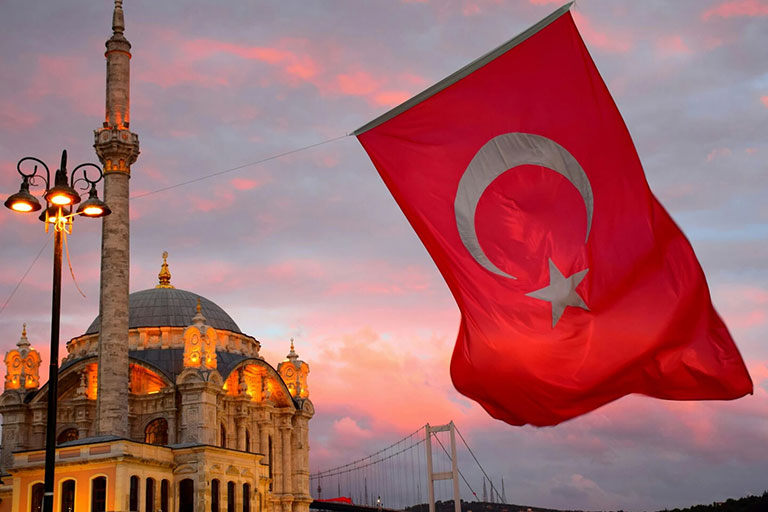
Turkey recorded the largest weekly rise in iGaming acquisition intent during the August 3 to 9 reporting period, according to data attributed to Blask. The increase reached 24.2% as the new 2026-27 Trendyol 1. Lig season began in early August. The Turkish Football Federation confirmed that the second-tier competition was scheduled to start between August 7 and 10, placing the opening fixtures directly within the period measured by the data.
The result provides another indication of how major sporting activity can coincide with short-term changes in consumer interest across betting and iGaming markets. However, the figures should be understood as an indicator of acquisition intent rather than a direct measurement of gambling revenue or player spending.
Blask describes its Blask Index as an AI-powered metric that analyses large volumes of search activity to provide market and brand intelligence. Its platform also uses the Acquisition Power Score to assess a brand's ability to attract new customers based on historical market data and consumer interest.








The distinction is important. A rise in acquisition intent can indicate stronger interest from prospective customers without necessarily demonstrating that operators generated equivalent increases in deposits, wagers or revenue.
Football provides a possible demand catalyst
The timing of Turkey's increase is notable because the Trendyol 1. Lig began its 2026-27 campaign from August 7. The Turkish Football Federation had previously confirmed the opening dates for the competition as August 7, 8, 9 and 10.
Football has long been an important source of engagement for betting audiences. When domestic competitions return after a seasonal break, operators can benefit from renewed consumer attention as fixtures, teams and betting markets become active again.
That does not establish that the football season directly caused the 24.2% increase. A number of commercial and consumer factors can affect acquisition signals at the same time. The most appropriate interpretation is therefore that the beginning of the football campaign coincided with a significant movement in the Blask measurement.
The wider timing also makes the result relevant to operators assessing post-tournament demand. The 2026 FIFA World Cup had concluded only a few weeks earlier, meaning the market was moving from a major international football event into the opening stages of domestic football calendars.
Guinea follows with a promotional boost
Guinea recorded the second-largest increase during the same period, with acquisition intent rising 19.3%.
The movement coincided with promotional activity associated with Guinée Games. The company has an established presence in Guinea's betting and gaming market and publishes information about jackpots and promotional campaigns through its official channels. Its website also identifies a 250 million Guinean franc jackpot for one of its gaming offerings, demonstrating the scale of promotional prize pools used in the market.
The available information does not establish that a particular promotion was solely responsible for the 19.3% increase. It is more accurate to describe the promotion as a market event occurring alongside the increase.
That distinction is especially important when interpreting acquisition analytics. Promotional campaigns can produce temporary increases in search interest and customer consideration. Whether that interest converts into sustained activity depends on factors including product availability, regulatory conditions, marketing exposure and customer retention.
France also posts a notable increase
France ranked third with an 18.2% weekly increase in acquisition intent.
The French market was entering a period of heightened football activity ahead of the new domestic campaign. Several clubs were involved in pre-season fixtures during the reporting period. Rennes, for example, played Brentford on August 8 while the club's official fixture calendar also listed a match against a Brentford XI earlier that day.
The presence of football activity provides useful context for the movement in the French data. It does not, however, demonstrate a direct causal relationship between individual matches and the national acquisition-intent figure.
France remains an important regulated European market where operators operate within a formal regulatory framework. For businesses assessing customer acquisition opportunities, changes in consumer attention around major sporting events can therefore be particularly relevant when combined with broader market intelligence.
Angola's regulatory transition becomes significant
Angola recorded a 17.9% increase, placing it fourth in the weekly ranking.
Unlike Turkey and France, the principal market development highlighted for Angola was regulatory rather than sporting. The country is operating under a revised legal framework following the introduction of Law No. 17/24 on Gaming Activity.
The Instituto de Supervisão de Jogos is responsible for regulating and supervising games of chance, social games and remote gaming in Angola. In April 2026, the regulator issued an instruction establishing administrative and operational procedures for entities seeking authorisation within the gaming sector.
The regulatory transition is relevant to operators because licensing requirements can influence market-entry decisions, investment planning and customer acquisition strategies.
The April instruction also established procedures for applications through Angola's Gaming Supervision System. According to the published text, complete applications can be subject to a decision within a specified administrative period with additional provisions for technically complex cases.
Earlier reporting also described a 30-working-day licensing window associated with the transition to the new regulatory framework. The existence of this licensing activity helps explain why regulatory developments were considered an important market event during the period.
Republic of the Congo completes the top five
The Republic of the Congo recorded a 16.6% increase to complete the five strongest markets in the weekly ranking.
Unlike Angola, the available information does not identify a specific country-level event as the principal explanation for the movement. That makes the result particularly useful as a reminder that acquisition signals can change without a single obvious promotional, sporting or regulatory trigger.
Consumer interest can move in response to several overlapping influences. Search behaviour, brand visibility, advertising activity, sporting interest and broader market conditions can all affect the signals used by market intelligence providers.
For that reason, a one-week increase should not automatically be interpreted as evidence of a structural market shift.
What the Blask Index measures
The Blask Index is designed to provide an indication of market activity and consumer interest rather than conventional financial reporting.
According to Blask, its index analyses billions of search queries and is intended to provide real-time insight into market size and brand performance. Its Acquisition Power Score separately evaluates a brand's ability to attract new customers using accumulated brand power and historical market information.
This methodology means the weekly figures can be valuable for identifying changes in market attention before traditional financial indicators become available.
At the same time, the figures should not be confused with gross gaming revenue, deposits, wagering volume or confirmed customer registrations. Those measures require separate financial or operational data.
For operators and suppliers, the value of an acquisition-intent index therefore lies primarily in identifying emerging movements that may warrant closer examination.
Implications for iGaming operators
The latest figures highlight several different factors that can influence iGaming acquisition activity.
Turkey demonstrates the potential relationship between the return of domestic football and increased consumer attention. Guinea highlights the possible impact of promotional activity. France shows how football calendars can coincide with market movements in established regulated jurisdictions. Angola illustrates the relevance of licensing and regulatory reform while the Republic of the Congo demonstrates that significant movements can occur without an obvious single catalyst.
The common theme is that acquisition trends are highly dynamic.
Operators seeking sustainable growth should therefore avoid treating one-week increases as standalone evidence of market opportunity. A more robust assessment would compare several weeks of data with customer acquisition costs, conversion rates, retention, regulatory requirements and competitive intensity.
This approach is particularly important in markets undergoing regulatory change. Increased consumer interest does not necessarily mean that a market is immediately accessible to every operator. Licensing, compliance, responsible gambling requirements and local restrictions remain fundamental considerations.
Short-term growth does not guarantee long-term momentum
The figures for August 3 to 9 offer a timely snapshot of market activity but they do not establish whether the increases will continue.
Football-related movements can weaken once the initial excitement surrounding a new season settles. Promotional campaigns can also generate short-term attention that does not necessarily translate into long-term customer value.
Regulatory changes can have a different effect because they may influence market structure over a much longer period. In Angola, for example, licensing developments could become more significant as the new framework continues to take effect.
The most meaningful indicator will therefore be whether these markets maintain elevated acquisition intent across subsequent reporting periods.
Conclusion
The latest Blask figures present a diverse picture of changing iGaming acquisition intent across international markets. Turkey led the weekly ranking with a 24.2% increase while Guinea, France, Angola and the Republic of the Congo also recorded notable gains.
The underlying circumstances differed from one market to another. Turkey's movement coincided with the start of the Trendyol 1. Lig season while France was experiencing significant football activity. Guinea's increase occurred alongside promotional activity and Angola was undergoing an important regulatory transition.
These developments reinforce the importance of interpreting market intelligence within its wider context. Acquisition intent can provide an early signal of changing consumer interest but it is not equivalent to revenue or confirmed player growth.
For operators, suppliers and investors, the most useful lesson is that market momentum should be assessed over time rather than through a single weekly movement. Combining acquisition data with regulatory intelligence, sporting calendars, promotional activity and commercial performance can provide a more balanced view of where iGaming demand is developing and whether a short-term increase has the potential to become a lasting trend.
FAQs
What is the Blask Index?
The Blask Index is a market intelligence metric developed by Blask to track activity and consumer interest across gambling and iGaming markets. Blask states that the index uses large-scale search data to provide market and brand insights.
What was Turkey's iGaming acquisition intent increase?
Turkey recorded a 24.2% weekly increase in iGaming acquisition intent for the August 3 to 9 reporting period, according to the figures referenced in the report.
Did football directly cause Turkey's increase?
The timing coincided with the start of the 2026-27 Trendyol 1. Lig season. However, the available figures alone do not establish that football activity directly caused the increase.
What was Guinea's weekly increase?
Guinea recorded a 19.3% increase in acquisition intent during the reporting period.
Why was Guinea's market activity notable?
The increase coincided with promotional activity involving Guinée Games. The company has promoted significant jackpot opportunities in the Guinean market.
How much did France increase?
France recorded an 18.2% weekly increase in iGaming acquisition intent in the period covered by the data.
Why is Angola important for iGaming operators?
Angola is undergoing a regulatory transition under its revised gaming legislation. The Instituto de Supervisão de Jogos has introduced procedures governing applications and authorisations within the sector.
What was Angola's increase?
Angola recorded a 17.9% increase in acquisition intent during the reporting period.
Did the Republic of the Congo record growth?
Yes. The Republic of the Congo recorded a 16.6% increase and completed the five strongest markets in the weekly ranking.
Do higher acquisition-intent figures mean higher gambling revenue?
Not necessarily. Acquisition intent measures consumer interest and potential customer acquisition activity. It should not be treated as a direct substitute for revenue, deposits, wagering volume or confirmed registrations.

Ash
I like to keep it short. I am a writer who also knows how to rhyme his lines. I can write articles, edit them and also carve out some poetic lines from my mind. Education B.A. - English, Delhi University, India, Graduated 2017.
Related Posts

1xBet returns to Liberia after LIPAY Inc. secures a new gaming license
September 29, 2026

Just Slots secures MGA licence and partners with Hub88 for market launch
September 29, 2026

Jdigital raises concerns as Spain advances wider gambling reform measures
September 29, 2026

Pragmatic Play details €1.25m Kevin Hart live casino promotion in November
September 29, 2026

Alea Heads to SBC Summit Lisbon with Two SBC Awards Nominations
September 28, 2026

CT Interactive expands its games portfolio with 25 new certified titles
September 28, 2026

1xBet at SBC Summit Lisbon: Why Face-to-Face Still Matters for iGaming
September 28, 2026

Pragmatic Play launches Gates of Olympus 2500 with four bonus game modes
September 28, 2026

Octoplay secures Pennsylvania authorization for North American expansion
September 28, 2026