

















Player refund demands test legal limits of gambling contracts
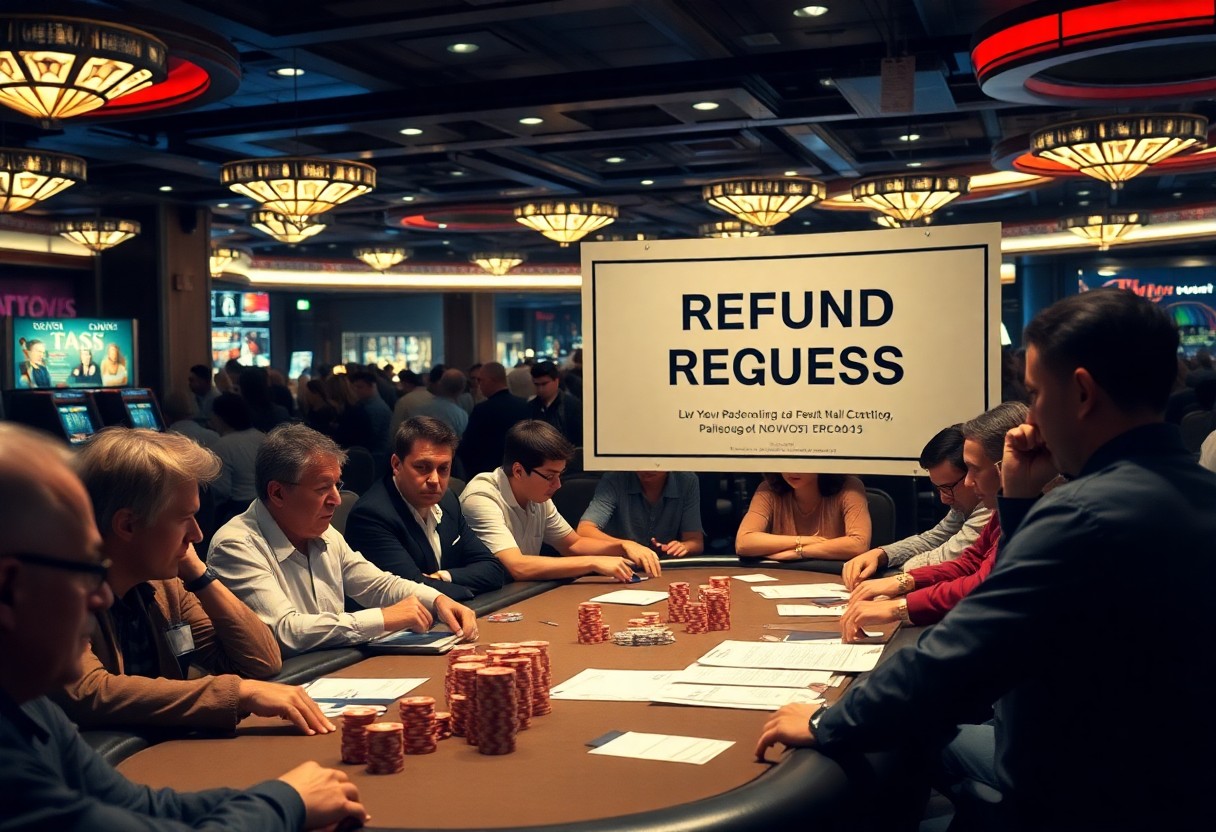
Gambling has seen a surge in player refund demands, prompting a closer examination of the legal boundaries surrounding gambling contracts. As consumers increasingly seek to reclaim their losses, courts and regulators must navigate the complexities of contract law and consumer rights within the gaming industry. This evolving landscape raises important questions about the enforceability of terms and conditions, the obligations of operators, and the broader implications for both players and the sector as a whole.
The Evolution of Gambling Contracts: A Historical Perspective
Early Agreements and Legal Foundations
Early forms of gambling contracts can be traced back to ancient societies, where simple agreements between parties regarding wagers were commonplace. For instance, the Roman Empire saw the establishment of legal codes that governed betting practices, laying the groundwork for modern contractual principles. Such agreements were often informal but became increasingly formalized over time, reflecting society's evolving views on legality and fairness in gambling.
Contemporary Contractual Practices
Today's gambling contracts are significantly more sophisticated, often involving extensive terms and conditions that are digitally accessible to players. Online platforms generate legally binding agreements articulated through user acceptance of terms and the requirement of ID verification. For instance, many jurisdictions require operators to adhere to responsible gaming practices, elaborating refund policies within their contracts, which now face scrutiny amid rising player refund demands.








Contemporary gambling contracts not only emphasize the legal obligations of operators but also reflect the needs of players for transparency and fairness. Companies such as DraftKings and FanDuel provide detailed terms that outline player rights and refund processes, often specifying conditions under which refunds may be granted. As regulatory bodies tighten their grip on the industry, operators must balance protective legal language with user-friendly practices, addressing player concerns while maintaining compliance with evolving legal standards. This dynamic has transformed the relationship between players and gambling operators into a more regulated exchange, increasingly scrutinized for fairness and accountability.
The Rise of Player Refund Demands: Triggers and Trends
Understanding the Surge in Refund Requests
The growing trend of player refund demands signifies a shift in consumer behavior within the gambling industry. Many players now seek refunds for perceived losses, citing poor game experiences, misleading advertising, or unexpected changes in game rules. This surge is reshaping the relationship between players and operators, forcing legislative bodies to reevaluate existing laws surrounding gambling contracts.
Driving Factors: Economic and Psychological Aspects
Several economic and psychological elements contribute to the rise in refund demands. Economic downturns have heightened financial pressures, prompting players to seek recourse for their expenditures. Psychologically, cognitive biases like loss aversion lead players to react strongly to losses, creating a sense of injustice that manifests in refund requests. The emotional investment in gambling often drives players to demand accountability from operators.
- Economic strains amplify perceived losses among players.
- Psychological factors influence the response to gambling outcomes.
- Players may feel entitled to refunds when expectations are unmet.
Recognizing these driving factors is necessary for understanding the broader context of refund demands and the implications for regulatory frameworks in the gambling sector.
In-depth analyses reveal that financial hardships during recessions can elevate pressure on players, pushing them towards refund claims as a means of recouping lost funds. Furthermore, studies indicate that psychological phenomena such as the gambler's fallacy can exacerbate feelings of frustration, incentivizing players to hold operators accountable for their experiences. The dynamic interplay of these economic and psychological aspects shapes the landscape of refund demands.
- The cycle of financial loss often triggers requests for refunds to regain perceived fairness.
- Emotional factors dictate how players interpret their gambling experiences.
- Expectations not met can lead to a sense of betrayal by the gambling operators.
Recognizing these dynamics highlights the need for gambling operators to address player grievances proactively while adjusting their practices to mitigate refund demands.
Legal Principles Governing Gambling Contracts
Enforceability: Key Legal Doctrines in Play
Gambling contracts are subject to several enforceability doctrines, including public policy and unconscionability. Courts may invalidate agreements if they contravene state laws or promote illegal activity. Additionally, if a contract is deemed excessively one-sided, a customer may challenge its enforceability on the grounds of it being unconscionable, thus impacting potential refund claims.
The Role of Consumer Protection Laws
Consumer protection laws significantly impact the enforceability of gambling contracts, providing players with safeguards against unfair practices. For instance, many jurisdictions require clear disclosure of terms and conditions, ensuring that players understand their rights regarding refunds or disputes. These laws can compel gambling operators to uphold fair practices, thereby fostering trust and accountability.
In the United States, the Federal Trade Commission enforces consumer protection regulations that address deceptive practices in advertising and gameplay. These protections vary by state but often include rights for consumers to seek refunds under specific conditions, especially when games are misrepresented or faulty. Notably, some states have enacted laws that provide additional rights to players, leading to a more robust framework for challenging gambling contracts when operators fail to comply.
When Player Demands Clash with Contractual Terms
Common Grounds for Dispute
Disputes frequently arise over issues such as misrepresentation of game odds, unclear promotional terms, or perceived unfair practices by operators. Players may argue that they were not adequately informed about key stipulations in the contract or that the terms were misleading. Such claims can lead to legal battles, as players seek redress while operators rely on the enforceability of their established terms and conditions.
Notable Cases Shaping Legal Precedents
Several landmark cases have influenced the way gambling contracts are interpreted within jurisdictional courts. In the 2016 case of Wexler v. Jackpot Paradise, the court ruled in favor of the player, highlighting how player feedback and experiences could weigh against established contractual terms. Similarly, the 2020 case of Davis v. BetCorp underscored the necessity for clear communication of terms, thereby shifting responsibility towards operators to ensure players understand the conditions of their engagements.
The Wexler case particularly marked a turning point, examining the integrity of promotional claims. Players argued that promotional odds promised during gameplay were misrepresented, and the court upheld their right to dispute the contractual language, effectively emphasizing consumer protection in the gaming industry. Meanwhile, the Davis ruling established that operators must present terms in a way that is easily comprehensible to players, which may require revising how gambling platforms articulate contracts. Collectively, these cases signal a judiciary sensitivity towards player rights in the context of gambling, potentially reshaping future contractual frameworks.
The Impact of Technology on Refund Requests
How Digital Platforms Alter Player Expectations
Digital platforms have transformed the gambling landscape, leading players to expect instant gratification and seamless experiences. With user-friendly interfaces and 24/7 access to games, players anticipate immediate resolutions to issues like refunds. The inability of operators to meet these heightened expectations may spark dissatisfaction and increased demand for refunds, as players are less inclined to tolerate delays or complications in their transactions.
The Role of Data in Supporting Refund Claims
Data analytics play a pivotal role in legitimizing player refund requests. Operators can track individual player behavior and game interactions, enabling them to validate claims based on established patterns and anomalies. Players increasingly leverage data reports to substantiate their grievances, pressing for refunds backed by comprehensive evidence of unfair practices or technical glitches.
This reliance on data can significantly bolster refund claims, particularly when players present detailed logs of transactions or gameplay. For instance, if a player can demonstrate that they incurred losses during a period of technical malfunction, their argument for a refund becomes more compelling. Moreover, the aggregation of data can reveal trends in player disputes, prompting operators to reassess their policies and potentially adopt more favorable resolutions to maintain customer loyalty amid growing scrutiny from regulators and advocacy groups.
Industry Responses: How Gambling Operators Are Adapting
Innovations in Customer Service and Policy
To address increasing player refund demands, many gambling operators are enhancing their customer service protocols. Implementing more transparent refund policies and streamlined complaint resolution processes has become common practice. For instance, operators are utilizing chatbots and AI-driven platforms to provide rapid responses to inquiries while ensuring that players are informed about their rights and the rationale behind refund decisions, thereby minimizing confusion and frustration.
Legal Strategies to Mitigate Refund Claims
Gambling operators are adopting legal strategies that focus on strengthening contractual language and compliance with regulatory frameworks to limit refund claims. Enhanced clarity in terms and conditions is being emphasized to ensure players fully understand their rights and obligations before engaging in gambling activities.
For example, operators are revising their terms to incorporate clearer definitions of acceptable use, game integrity, and player responsibilities. Legal reviews are conducted regularly to ensure compliance with evolving regulations. Some operators are investing in legal insurance products to better manage potential liabilities arising from refund disputes. This multifaceted approach not only helps prevent refund claims but also builds consumer trust by showcasing a commitment to fairness and transparency within the gambling ecosystem.
Players' Rights and Responsibilities in Refund Demands
Navigating the Fine Print: What Players Should Know
Understanding the terms and conditions of gambling platforms is crucial for players considering refund demands. Many contracts include clauses that limit refunds, specify conditions under which refunds are applicable, and outline dispute resolution processes. Players may find that they have agreed to terms that significantly restrict their ability to claim refunds, highlighting the need for thorough review before engaging in gambling activities.
Educating Consumers on Their Legal Options
Players often lack awareness of their legal rights regarding refund demands due to the complexities of gambling legislation. Legal protections vary by jurisdiction, affecting how refund requests are handled. Players should familiarize themselves with local laws, as some jurisdictions may provide stronger safeguards against unfair practices. Accessing consumer protection agencies or legal advice can greatly enhance understanding and negotiation capability regarding refund rights.
In jurisdictions like New Jersey, for instance, players can seek arbitration if platforms deny refund requests without valid grounds. This enables players to challenge unfair practices more effectively, often resulting in favorable outcomes. Educating consumers about their legal rights also includes making them aware of relevant case law and the processes for reporting grievances, which can mitigate the financial risks associated with gambling. Engaging with advocacy organizations can further illuminate these options and empower players in their refund negotiations.
The Future of Player Refund Demands in the Gambling Landscape
Predictions for Legal Developments
Future legal developments in player refund demands are likely to hinge on evolving consumer protections and regulatory frameworks. As jurisdictions assess the balance between protecting players and preserving the business interests of operators, courts may increasingly interpret contracts in favor of consumer rights. Legislative changes, particularly in markets like the UK and EU, may soon see stricter regulations requiring operators to enhance transparency and accountability regarding refund policies.
The Ongoing Debate: Fairness vs. Profitability
The conversation around fairness versus profitability in gambling contracts centers on the perceived obligation of operators to address player grievances while also maintaining a sustainable business model. Advocates for player rights argue that operators should offer more comprehensive refund policies that recognize the erratic nature of gambling, countered by operators who emphasize the financial risks inherent in such proposals.
The clash between fairness and profitability is particularly evident in high-stakes markets. For instance, regulators in various regions have begun to emphasize consumer protection, evident in increasing calls for standardized refund systems. Operators often argue that generous refund policies could lead to potential abuses and affect their bottom line, while advocates suggest that enhancing player confidence through fair practices might ultimately drive loyalty and profitability in a competitive environment. Balancing these aspects remains a critical challenge as the industry evolves.
Conclusion
Presently, refund demands from players are challenging the boundaries of legal frameworks surrounding gambling contracts. As more individuals seek restitution for losses, the effectiveness and enforceability of existing agreements are being scrutinized. This trend may prompt legislative reviews and potential reforms, impacting both operators and consumers in the gambling sector. Understanding the legal implications of these demands is important for all stakeholders involved, as it sets a precedent for future interpretations of gambling contracts.
FAQ
Q: What are player refund demands in the context of gambling contracts?
A: Player refund demands refer to requests made by individuals who seek reimbursement for losses incurred while participating in gambling activities. These demands often arise when players believe they have been treated unfairly or that the gambling operator violated terms of the contract, leading to the request for a refund of their funds.
Q: How do legal limits impact player refund demands?
A: Legal limits establish the framework within which gambling contracts operate. They determine the validity and enforceability of player refund demands. If a demand exceeds these legal parameters or is not supported by contract law, it may be deemed invalid. Players must understand that legal protections vary by jurisdiction and can influence the outcome of their claims.
Q: What factors should players consider when making a refund demand?
A: Players should evaluate the specific terms of the gambling contract, the nature of their claim, and any relevant legal regulations. They should gather evidence supporting their demand, such as transaction history and communication with the gambling operator. Understanding the local laws governing gambling can also assist in determining the likelihood of a successful refund request.

Anna Amstill
I am an avid Blogger and Writer with more than 6 years of experience with Content Writing. An Online Marketing expert specializing in Blog writing, Article writing, Website content, SEO specific Keyword content and much more. Education B.A. - business management, York University, Canada, Graduated 2016.
Related Posts

GGL gambling enforcement raises questions over licence transparency
September 7, 2026

German gambling safeguards face test over cash-funded betting wallets
September 3, 2026





Lotto BW used the World Cup to promote online slots
July 24, 2026