Why Estonia’s licence model is attracting smaller brands
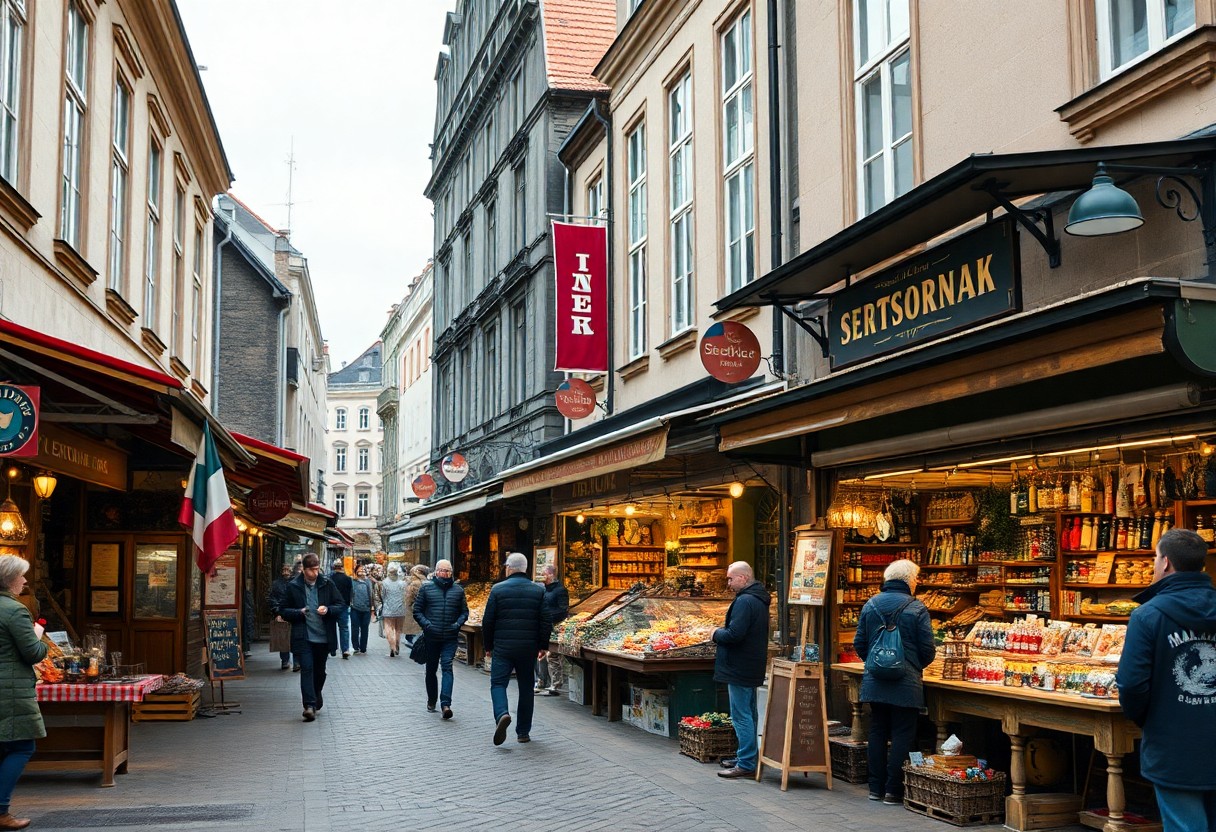
Estonia is emerging as a hotspot for smaller brands seeking entry into competitive markets, thanks to its innovative licensing model. This approach streamlines the regulatory process and reduces operational costs, allowing burgeoning companies to focus on growth and innovation. By leveraging a digital-first strategy and fostering a business-friendly environment, Estonia provides unique opportunities that appeal to startups and established smaller brands alike. As more companies recognize these advantages, Estonia's licensing framework is redefining the landscape for new entrants in various industries.
The Allure of a Simplified Licensing Framework
How Estonia Streamlines the Process for Startups
Estonia's straightforward licensing framework drastically reduces the bureaucratic burden for startups. The online platform enables businesses to apply for licenses swiftly, often within hours instead of weeks. By implementing a one-stop-shop model, authorities minimize the need for multiple applications and complex paperwork, allowing entrepreneurs to focus on growth rather than regulatory hurdles.
Cost Efficiency: A Game-Changer for Emerging Brands
With lower fees and expedited processing, Estonia's licensing model significantly cuts costs for emerging brands. The streamlined nature of the framework helps businesses allocate resources more effectively, paving the way for innovation and competitive pricing in their respective markets.








Cost efficiency isn't just about lower licensing fees; it also encompasses reduced administrative overhead and faster market entry. Brands can save thousands of euros on compliance costs compared to countries with more rigid frameworks. For instance, a small tech startup might spend over €10,000 in licensing fees and legal consultations in a country with stringent regulations, while in Estonia, the cost could drop to a fraction of that. This enables startups to reallocate funds towards product development, marketing, and scaling, necessary for survival in competitive environments.
Navigating the Digital Landscape: E-Residency Benefits
The Advantages of a Virtual Business Identity
E-Residency provides entrepreneurs with a legitimate digital identity, allowing them to establish and manage their businesses from anywhere in the world. This virtual identity facilitates access to Estonian services such as banking, payment processing, and tax reporting, simplifying administrative tasks. By streamlining operations, smaller brands can focus more on growth and innovation, rather than bureaucratic challenges.
Lowering Barriers to Entry in the Digital Economy
Estonia's e-Residency program significantly lowers the barriers to entry for startups and small brands aiming to enter the global market. The ability to register a company online and access European Union markets opens doors previously locked by geographical limitations.
With a straightforward online application process and minimal costs associated with business setup, small brands no longer need to navigate complex regulations or invest heavily in infrastructure. As of 2023, over 75,000 e-Residents have utilized these benefits, showcasing a diverse range of industries—from tech startups to freelance consultants—thriving under this model. By fostering such an inclusive environment, Estonia is not just attracting businesses; it's cultivating a global entrepreneurial ecosystem that empowers creativity and innovation irrespective of borders.
Regulatory Transparency: Building Trust and Security
Estonia's Commitment to Anti-Corruption and Compliance
Estonia has established a robust framework for anti-corruption and compliance, enhancing its reputation as a secure hub for businesses. The government actively invests in technology-driven solutions to monitor transactions and enforce regulations, ensuring that companies adhere to legal standards. With stringent penalties for non-compliance and a dedicated anti-corruption agency, Estonia fosters an environment where ethical business practices are prioritized, directly encouraging international brands to invest confidently.
The Impact of Clear Regulations on Entrepreneurial Confidence
Clear and well-defined regulations in Estonia create an environment conducive to entrepreneurship, instilling confidence in both local and international businesses. This clarity simplifies the process of establishing and operating a business, reducing the uncertainties often associated with compliance. Startups benefit from predictable legal frameworks that facilitate growth and innovation, allowing entrepreneurs to focus on their core business strategies without the anxiety of ambiguous legislative changes.
The streamlined regulatory environment significantly lowers barriers to entry for new ventures, with clear licensing requirements and predictable timelines for approval. For instance, the digital applications for business licenses often yield responses within days, contrasting with the lengthy processes in other jurisdictions. Such efficiencies empower businesses to establish themselves quickly, effectively turning regulatory clarity into a competitive advantage that promotes sustained entrepreneurial activity and economic growth.
Innovation-Friendly Environment: Fostering Growth
How Estonia Nurtures Tech Startups
Estonia has positioned itself as a tech startup haven, fostering an innovative culture through initiatives like Startup Estonia, which supports entrepreneurs with funding, mentorship, and networking opportunities. The nation's digital infrastructure allows startups to launch quickly and efficiently, while initiatives like the Estonian Startup Visa facilitate international talent acquisition. With a growing number of tech accelerators and co-working spaces, Estonia creates a vibrant community where ideas can flourish.
The Role of Government Incentives in Supporting SMEs
Government incentives in Estonia significantly bolster the growth of small and medium enterprises (SMEs), including tax breaks and grants available to fledgling companies. These financial aids are tailored to various industries, ensuring businesses can focus on innovation rather than the financial burden of operational costs. Such support not only promotes entrepreneurship but also drives job creation and economic diversification in the region.
Government-backed initiatives such as the Start-up Grant provide vital funds to cover initial operational expenses, while the recent establishment of a 0% corporate tax for reinvested profits encourages companies to grow rather than distribute dividends. Estonia's business-friendly tax regime, coupled with significant public investment in technology and innovation, creates an environment where SMEs can thrive and contribute to the larger economy, highlighting why smaller brands are drawn to its progressive licensing model.
Global Appeal: Attracting International Brands
The Benefits of EU Membership for Emerging Markets
Estonia's EU membership enhances its attractiveness to international brands by providing access to a vast single market of over 500 million consumers. This affiliation ensures regulatory alignment, streamlined trade processes, and protection of intellectual property, which are particularly appealing for emerging market businesses looking to expand without bureaucratic barriers. Furthermore, Estonia's position as a digital pioneer aligns with EU goals for innovation, allowing brands to leverage advanced technology and e-governance frameworks across member states.
Case Examples: International Brands Thriving in Estonia
Numerous international brands have already established a successful presence in Estonia, demonstrating the nation's growth potential. Companies like TransferWise (now Wise) and Bolt have leveraged Estonia's conducive business environment to innovate and expand their market reach. These brands have harnessed local talent, favorable regulations, and a tech-savvy population to thrive in the competitive landscape.
Wise, a fintech company founded in Estonia, revolutionized money transfers through its transparent fee structure and real-time exchange rates, quickly scaling to millions of customers worldwide. Similarly, Bolt, the ride-hailing service, capitalized on the local tech ecosystem to launch its operations, becoming one of the largest mobility platforms in Europe. Both examples illustrate how Estonia's unique advantages foster rapid growth and attract ambitious international players interested in tapping into the EU market. Their success stories highlight the efficacy of the Estonian model for smaller brands aiming to make a significant impact on a global scale.
The Community Factor: Networking and Collaboration Opportunities
Building Relationships in a Supportive Ecosystem
Estonia's vibrant startup scene fosters relationship-building among its entrepreneurs, creating an environment rich in networking possibilities. Meetups, workshops, and community events regularly occur, allowing smaller brands to connect with peers and industry leaders. This culture of collaboration encourages sharing insights and resources, which can lead to valuable partnerships and potential investment opportunities.
The Importance of Local Partnerships for Small Brands
Local partnerships serve as a significant growth catalyst for smaller brands in Estonia. Collaborating with established businesses can open doors to new customer bases, streamline supply chains, and enhance brand visibility. Small brands benefit from mentorship and the cumulative knowledge of local stakeholders, which can accelerate their market entry and success.
Working with local partners not only amplifies brand reach but also cultivates trust among consumers. For example, Estonian brands that align with local producers or service providers can leverage community loyalty, aiding in marketing efforts and enhancing credibility. Collaborative initiatives, such as joint marketing campaigns, further solidify these relationships, often resulting in increased sales and stronger brand recognition in the competitive landscape.
Lessons from Estonia: How Other Countries Can Adapt
Evaluating Estonia's Model for Different Markets
Estonia's licensing framework encourages smaller brands to enter regulated markets with minimal barriers. Other countries can tailor this approach by analyzing local regulatory environments and consumer behaviors. Adopting a flexible licensing system, perhaps emphasizing digital solutions like Estonia, could enhance accessibility for emerging brands while ensuring compliance and consumer protection. Evaluating market dynamics is key to implementing a successful model.
The Future of Licensing Practices in the Global Economy
The evolution of licensing practices will likely hinge on technological advancements and changing consumer expectations. As digital platforms continue to reshape industries, countries may adopt more adaptive licensing frameworks, allowing for rapid responses to market demands. This agility will enable smaller companies to thrive alongside larger corporations and foster competition. Additionally, standardization across borders could simplify international operations for brands.
The global economy is leaning towards collaborative licensing practices, potentially harmonizing regulations across regions to facilitate trade and innovation. Countries may prioritize policies that reflect the digital economy's fluidity, creating a balance between regulation and support for entrepreneurship. The rise of global platforms may accelerate this trend, with shared licensing frameworks enabling smaller brands to leverage new markets effortlessly. As international cooperation grows, fostering a more interconnected licensing environment will attract diverse businesses and stimulate economic growth worldwide.
To wrap up
Conclusively, Estonia's licence model appeals to smaller brands due to its streamlined regulations, affordability, and efficient online processes. This framework enables businesses to operate with minimal bureaucratic hurdles, fostering innovation and agility. Additionally, the digital infrastructure supports remote operations, allowing brands from diverse backgrounds to establish a presence with ease. As more companies seek flexibility in their licensing, Estonia's approach stands out as a progressive solution that encourages growth and competitiveness in the global marketplace.
FAQ
Q: What is Estonia's licence model for businesses?
A: Estonia's licence model allows companies to operate under a simple and efficient framework that minimizes bureaucracy. It offers streamlined registration processes, low operational costs, and digital infrastructure that enables businesses to run remotely.
Q: How does Estonia's approach benefit smaller brands compared to larger companies?
A: Smaller brands benefit from lower entry barriers, including reduced licensing fees and minimal administrative requirements. This environment fosters innovation and allows smaller entities to focus resources on growth rather than navigating complex regulations.
Q: What features of Estonia's e-residency make it appealing to small businesses?
A: Estonia's e-residency provides access to various digital services such as online banking, tax filing, and e-commerce. This convenience allows small businesses to manage operations globally with ease, enhancing their competitiveness in international markets.

Esther
I am a professional writer with 8 years of experience in this field and I can provide you with the best-written content you can find. Education B.A. - English, George Washington University, United States, Graduated 2011.