Abela changes stance on Manoel Island deal

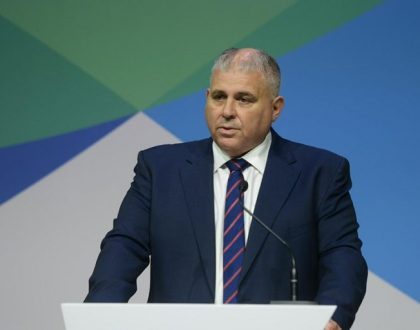
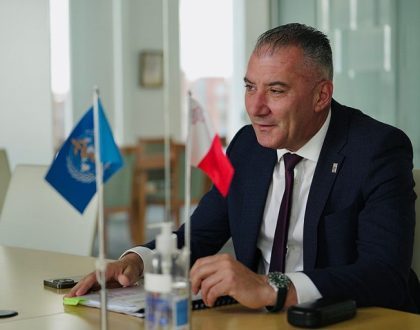
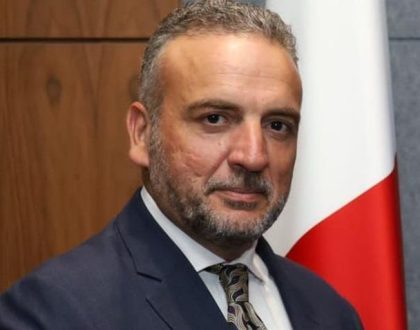
On 4 June, Prime Minister Robert Abela announced that Labour MP Edward Zammit Lewis and Labour Party President Alex Sciberras had been appointed to review the Manoel Island concession agreement with MIDI plc. The objective was to assess whether the developers had breached the terms of their contract. In a matter of days, their review concluded, with Abela publicly stating that the developers had indeed violated the agreement’s terms.
This rapid turnaround was presented as a decisive government response. However, it has instead triggered serious concerns over governance, transparency, and the actual independence of the review process. It has raised uncomfortable questions about why action was delayed for so long, despite years of public outcry and documented evidence of contractual breaches.
Background: A long-standing concession under scrutiny
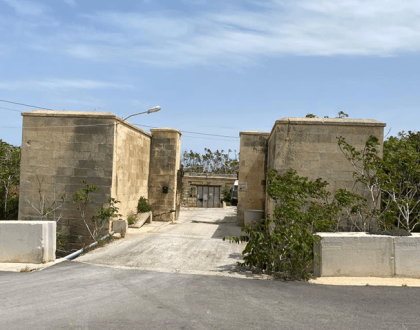
MIDI plc was granted the concession for Manoel Island under an agreement that required, among other conditions, public access to the foreshore. However, allegations that the developers had restricted access to public land have persisted for years.





















In 2016, a judicial protest was filed by a Labour-led government against MIDI, accusing the company of failing to comply with these basic contractual terms. Despite this formal protest, no further significant action was taken for years.
Even former Prime Minister and current Member of the European Parliament Alfred Sant acknowledged publicly that successive administrations had “closed their eyes” to MIDI’s contractual breaches.
Muscat’s compromise: A pivotal moment
In 2018, then Prime Minister Joseph Muscat, who was subsequently embroiled in multiple scandals, chose not to revoke the agreement. Instead, he renegotiated the terms and permitted MIDI to retain the concession. Muscat promoted the arrangement as a balanced solution and facilitated the establishment of a so-called “guardianship” framework to oversee the project.
Muscat presented this compromise as a model of collaboration between investors and communities. He argued that the developers’ rights had long been granted and that maintaining the agreement was the most pragmatic route forward.
Shifting narratives: From defence to denunciation
When Robert Abela succeeded Muscat, he maintained his predecessor’s line, defending the validity of the concession. For years, his administration did not take steps to hold MIDI accountable. It was only after increasing public pressure—including a petition signed by nearly 29,000 citizens and vocal criticism from within the Labour Party—that Abela reversed his stance.
The transformation was abrupt. One week he supported the agreement; the next, he was alleging serious contractual violations. This shift has led many to believe that the change in position was not driven by legal or ethical considerations, but rather by political necessity.
A questionable review process
To investigate potential breaches by MIDI, Abela selected two individuals—Edward Zammit Lewis and Alex Sciberras—who had previously expressed opinions in favour of terminating the agreement. This has prompted criticism regarding the objectivity and impartiality of the review.
There is also concern about the involvement of the Labour Party President in a task that is fundamentally a matter of public administration and legal compliance. Government legal matters should be handled by neutral state institutions such as the State Advocate’s office, which possesses the expertise and legal authority for such tasks. The reliance on party officials for this review further blurs the lines between party and state, raising issues of conflict of interest and due process.
MIDI’s response and sudden openness to negotiations
Following the government’s accusations, MIDI initially defended its position, stating that it had a “right and obligation” to complete the Manoel Island development. However, within 24 hours, the company pivoted, expressing a willingness to negotiate a return of the site to the government.
In a formal statement, MIDI declared it was “ready to negotiate” and remained “committed to finding a solution.” This apparent readiness for compromise after years of holding firm has raised further speculation about the motives and timing on both sides.
Deeper governance concerns emerge
The most troubling aspect of this affair is not the concession itself but what it reveals about how public land and national resources are managed. Prime Minister Abela’s claim that MIDI was allowed to “do whatever they wanted” raises alarming questions about oversight, regulation, and state responsibility.
If this was the case for Manoel Island—a high-profile project in a central location—then what of the dozens, possibly hundreds, of other agreements and concessions across Malta involving private entities and public assets? Are these being adequately monitored? Are the terms being enforced? Or are they, too, subject to political convenience and lack of scrutiny?
The illusion of legal action and accountability
On 9 June, Abela stated that his administration would consider an out-of-court settlement that would see Manoel Island returned to the state. However, the very next day, the government filed a legal letter demanding penalties from MIDI for failing to fulfil contractual obligations.
These penalties, notably, had gone unclaimed for the entire duration of Abela’s tenure until public pressure forced his hand. The sudden enforcement action therefore appears to many as a reactive, not proactive, measure—again suggesting political expediency rather than legal or ethical consistency.
Political survival as the real motivator?
Perhaps the most significant takeaway from this episode is what it reveals about the government’s relationship with public accountability. The reversal of position was not based on newly uncovered facts or legal opinions, but rather on a shifting political landscape.
As public support wavered and internal criticism mounted, the prime minister altered his stance. This points to a troubling governance model in which state action is determined less by law and policy and more by political calculation.
In this context, public mobilisation—such as the petition opposing the MIDI deal—proves not only effective but essential. It serves as a check on a political system that, at times, seems unresponsive until its political legitimacy is threatened.
The path forward: safeguarding national interests
The Manoel Island controversy has exposed more than just a flawed concession agreement. It has revealed systemic weaknesses in Malta’s governance structures, particularly in how state assets are managed and political accountability is enforced.
If Malta is to protect its land, public resources, and the integrity of its institutions, the current model must be reformed. This requires a clear separation between party politics and public administration, consistent enforcement of contracts, and transparent mechanisms for handling public-private partnerships.
The country deserves a governance model that prioritises the national interest over political calculations. It is only through sustained public engagement, independent oversight, and institutional reform that such a model can be realised.
Conclusion
The Manoel Island concession saga serves as a revealing case study in how political expediency can eclipse legal responsibility and public accountability. Prime Minister Robert Abela's sudden policy reversal, prompted not by institutional oversight but by public and internal party pressure, underscores systemic weaknesses in Malta’s governance framework. Years of governmental inaction, despite known breaches of contract, highlight a troubling pattern of tolerance toward private interests at the expense of public trust and state integrity.
This episode also casts doubt on the transparency and impartiality of government decision-making, particularly when politically affiliated individuals are tasked with reviewing sensitive state agreements. While MIDI’s apparent willingness to negotiate marks a potential resolution, it cannot undo years of regulatory complacency. Moving forward, structural reforms and genuine political will are essential to ensure that public resources are protected, legal obligations are upheld, and the interests of the Maltese people are placed above short-term political gain.
FAQs
What is the Manoel Island concession controversy?
It refers to the agreement between the government and MIDI plc to develop Manoel Island, which allegedly breached public access obligations and became a political issue.
Who is MIDI and what were they accused of?
MIDI plc is a private developer accused of breaching the concession terms by limiting public access to parts of Manoel Island's foreshore.
Why did Prime Minister Abela act now?
Abela acted following a petition signed by nearly 29,000 citizens and increasing political pressure, not as a result of newly discovered information.
Was there prior knowledge of these breaches?
Yes, even in 2016 a judicial protest highlighted non-compliance, and former officials had acknowledged the government’s failure to act.
What role did Joseph Muscat play?
Muscat renegotiated the agreement in 2018, allowing MIDI to keep the concession and promoting the arrangement as a balanced solution.
Why is the review process being criticised?
The individuals appointed to review the contract had already stated their view on the concession, undermining the impartiality of the review.
Did MIDI agree to return the land?
MIDI indicated a willingness to negotiate returning the site, after initially defending its right to continue development.
What does this reveal about government oversight?
The case highlights weaknesses in state oversight of public land concessions and raises questions about political interference in legal processes.
Is the government considering other legal action?
Yes, the government issued a legal letter demanding penalties and threatening not to extend deadlines for the project's commencement.
What are the broader implications for Malta?
The controversy underscores the need for transparent, depoliticised governance structures and stronger enforcement of contractual obligations.

Ash
I like to keep it short. I am a writer who also knows how to rhyme his lines. I can write articles, edit them and also carve out some poetic lines from my mind. Education B.A. - English, Delhi University, India, Graduated 2017.