Abela’s High Stakes in 2024 Political Gambles
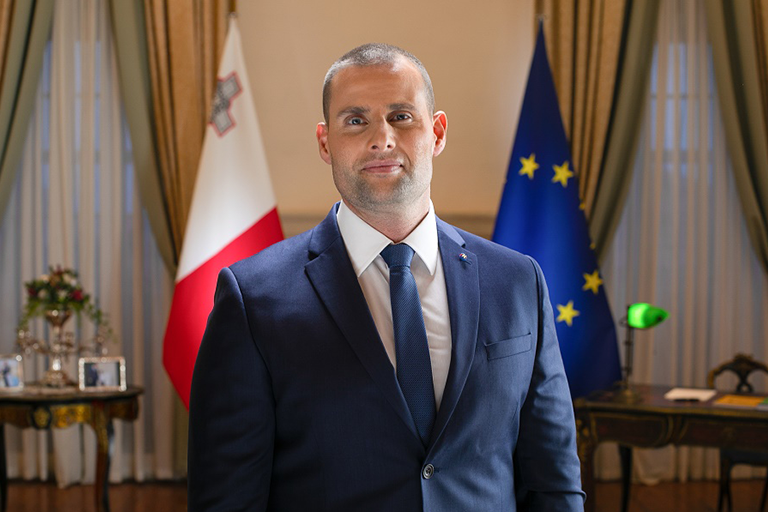
While 2023 was characterized by a series of political setbacks and embarrassing U-turns for Malta's Prime Minister Robert Abela, 2024 saw him taking significant risks, some of which paid off and others that are still in play. The year marked a turning point for both Abela and his Labour Party, as he navigated a series of high-stakes political gambles that ultimately reshaped the landscape of the country's politics.
A Shifting Political Landscape: From Embarrassment to Gambles
If a week is a long time in politics, then 2024 was an eternity. The year proved to be one of transformation and tumultuous change for the governing party, with Abela’s leadership being put to the test. What began as a period defined by mishandled crises and political missteps soon turned into a game of high-risk decisions that would either solidify or destroy his political standing.
In the wake of 2023's political defeats, Abela took bold steps that either redefined or complicated his leadership. From aligning with controversial figures to risking his credibility on untested appointments, Abela’s choices demonstrated a determination to consolidate his power—no matter the cost.





















The Gamble on Chris Fearne: A Political Misstep
One of the earliest and most significant gambles of 2024 was Abela's decision to back Chris Fearne, Malta’s former deputy prime minister and health minister, as the country's next European Commissioner. At the outset of the year, Fearne appeared to be a promising candidate—his handling of the pandemic had earned him national recognition, and his long tenure in the Labour Party made him a natural fit for the role.
However, the tide began to turn when the Vitals inquiry reached its conclusion, which implicated Fearne in a series of troubling charges. Despite the mounting allegations, Abela refused to abandon his plan to nominate Fearne, stating publicly that the charges would not deter his decision.
In a turn of events, Fearne resigned from Cabinet following the formal charges and withdrew his nomination, but Abela still attempted to salvage the situation. He wrote an open letter urging Fearne to reconsider his resignation, showcasing his loyalty to the embattled politician.
As the legal proceedings unfolded over the summer, Abela’s resolve was tested further. Despite the growing controversy, Abela publicly stated that if the court did not find sufficient evidence to indict Fearne, he would re-nominate him for the European Commissioner position. But as the legal battle progressed, Fearne was officially indicted, leaving Abela with no choice but to withdraw his support and seek a new candidate.
In the end, Abela nominated Glenn Micallef, his chief of staff, for the position. However, Micallef, a relatively inexperienced figure with no prior executive experience, was handed a much less significant portfolio than Abela had originally lobbied for. The Mediterranean portfolio, which Abela had pushed for, was given to another country.
Thus, Abela's gamble on Fearne, one that had the potential to boost his political capital, ultimately ended in failure. Fearne, once seen as a potential European Commissioner, now sits as a backbencher, focusing on clearing his name in the courts. Abela’s move, meant to reinforce his leadership, backfired, leaving him with egg on his face.
Reviving Joseph Muscat: A Controversial Move
Another significant gamble for Abela came in the form of a controversial attempt to bring back his predecessor, Joseph Muscat, into the political fold. On January 25, Manuel Cuschieri, a prominent Muscat loyalist, posted on social media asking whether Muscat should return to the Labour Party as a Member of the European Parliament (MEP). The post stirred up a wave of support among the Labour Party’s grassroots, causing a surge of excitement for Muscat’s potential return.
Abela, keen to capitalize on this momentum, soon declared that he would not block Muscat from running as a Labour candidate for the European Parliament. This move, however, was fraught with risks. Muscat, who had been forced to resign as Prime Minister amid widespread corruption scandals, remained a deeply divisive figure in Maltese politics. While popular among certain Labour factions, his return would likely alienate moderates and voters who had grown disillusioned with the scandals that marked his time in office.
Nonetheless, Abela continued to support Muscat’s potential return. As the months passed and the European Parliament and local council elections approached, Abela’s decision to align himself with Muscat seemed increasingly problematic. His public defense of Muscat and harsh criticisms of the judicial inquiry into Muscat’s involvement in corruption further fueled suspicions that Abela was risking his political future by backing a controversial figure.
When the election results were finally tallied, the Labour Party saw its once formidable majority slashed to a mere 8,000 votes. Whether Muscat’s re-entry helped mitigate a more significant loss or turned more voters away remains an open question. Abela’s gamble on Muscat's return may have secured the support of Labour’s hard-core base, but it also deepened divisions and further damaged Abela’s image among a broader electorate.
Internal Labour Party Politics: Struggling for Control
Abela’s political gambles were not limited to the public stage. He also had to navigate the murky waters of Labour Party internal politics. The party’s internal elections in September 2024 were another high-stakes moment for Abela, who was faced with the challenge of maintaining control over the party while also appeasing various factions.
The Labour Party was in search of two new deputy leaders and a new president after the incumbents announced they would not seek re-election. One of the deputy leadership posts was uncontested, with Ian Borg—a figure who was seen as acceptable to both Abela and Muscat supporters—easily securing his position. However, the other deputy leader post became the center of controversy.
Jason Micallef, a staunch Muscat loyalist, announced his intention to run for the deputy leadership. This sparked fears within the party that Muscat’s loyalists might attempt to take over the party by proxy. To counter this, Abela brokered a compromise, accepting MEP Alex Agius Saliba as a candidate for the post. Micallef withdrew his candidacy, and Agius Saliba, while a Muscat ally, was seen as more moderate and a less direct threat to Abela's leadership.
However, the election of Norma Saliba as the new party president was a setback for Abela. Saliba, seen as a loyalist, lost narrowly to Alex Sciberras, a vocal outsider. This result left Abela without any absolute loyalists in the party’s top leadership positions, but it did help to bridge the divide between the Abela and Muscat factions.
Conclusion: A Year of Risk and Uncertainty
As 2024 draws to a close, it is clear that Robert Abela’s gambles have left him with a weakened hand. While he may have successfully navigated some political challenges, the year has exposed his vulnerabilities and left him facing an uncertain future. His decisions to back Chris Fearne and bring Joseph Muscat back into the fold were fraught with risk, and their consequences are still unfolding.
Abela’s actions throughout the year show a Prime Minister willing to bet his political future on high-stakes gambles. Whether these bets will pay off in the long run remains to be seen, but one thing is clear: 2024 will go down as a year that shook the Labour Party to its core and left Abela’s leadership hanging in the balance.
FAQs
What was Robert Abela's gamble in 2024?
In 2024, Robert Abela made several high-risk decisions, including backing Chris Fearne for European Commissioner and bringing Joseph Muscat back into the political fold.
Why did Robert Abela back Chris Fearne for European Commissioner?
Abela believed that Fearne, with his experience and handling of the pandemic, was the ideal candidate for the position, despite the charges against him.
What happened with Chris Fearne's nomination for European Commissioner?
Fearne resigned from Cabinet after formal charges were filed against him, and Abela eventually had to withdraw his support, selecting Glenn Micallef as the new nominee.
Why was Joseph Muscat's return controversial?
Muscat, who resigned amid corruption allegations, remained a polarizing figure. Abela’s decision to support his return to politics risked alienating moderate voters.
What were the outcomes of the 2024 elections for the Labour Party?
The Labour Party saw its majority reduced to a slim 8,000 votes, raising questions about whether Abela’s gambles helped mitigate a larger loss.
How did Abela handle the Labour Party’s internal elections?
Abela navigated the internal elections by making compromises with Muscat loyalists, securing positions for figures like Ian Borg and Alex Agius Saliba.
What role did Jason Micallef play in the Labour Party elections?
Jason Micallef, a Muscat loyalist, announced his candidacy for deputy leader, but Abela brokered a deal to prevent a Muscat-led takeover by backing Alex Agius Saliba instead.
Did Robert Abela's decision to support Muscat pay off?
It’s unclear whether supporting Muscat helped the Labour Party’s election performance or if it alienated more voters, leaving Abela’s gamble uncertain.
What challenges did Robert Abela face in 2024?
Abela faced political turmoil, from the fallout over Fearne’s charges to the divisiveness of Muscat’s return, making his leadership a topic of intense scrutiny.
What is the future of Robert Abela’s leadership?
Abela’s political future remains uncertain, with his gambles in 2024 resulting in both successes and failures, leaving him with a weakened position in the party.

Claire
A highly motivated, results-driven, enthusiastic and ambitious writer. I can offer you well researched and high-quality article writing on any topic for your website or blog and can as well re-write your existing web content.