Abela’s Vision for a Quality Malta Future

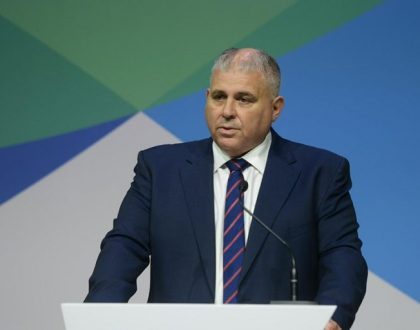
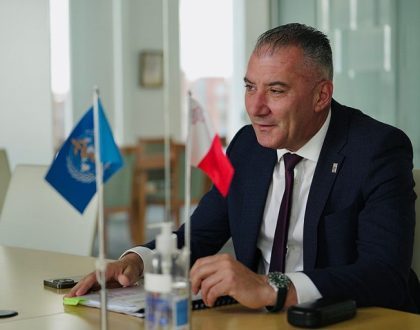
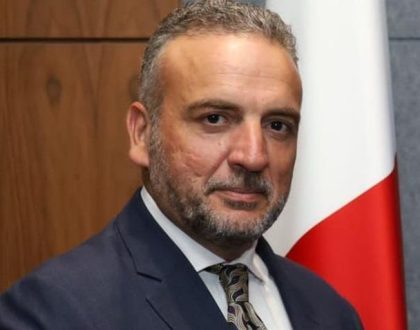
In his budget speech, Prime Minister Robert Abela set forth a bold vision to guide Malta toward a more prosperous and resilient future. Striking a passionate tone, Abela underscored the significance of prioritizing “quality” in all aspects of governance, from economic growth to infrastructure and public welfare. His address was notably punctuated with strong critiques of the Nationalist Party (PN), as he sought to contrast Labour’s reform-oriented agenda with what he described as the opposition's lack of direction.
Abela’s address covered an array of vital issues, including tourism, labor migration, infrastructure, and family welfare, emphasizing a shift from quantitative to qualitative metrics in assessing national success. He also outlined Malta’s strategies for economic recovery, focusing on resilience in the face of both global and local challenges.
Emphasis on ‘Quality’ as a Guiding Principle
Abela opened his speech by identifying the unique challenges Malta faces, ranging from economic stability to environmental sustainability. His call for a “quality leap” resonated as he championed an agenda that seeks to prioritize long-term value over short-term gains. In his view, quality should be the cornerstone of all government efforts.





















Reflecting on the successes of recent years, particularly Malta’s handling of crises such as the COVID-19 pandemic and immigration, Abela framed his administration as well-equipped to tackle new challenges. He argued that a focus on quality would allow Malta to build a more sustainable economy and society, setting it apart as a leader in the region.
Tourism: Focusing on Quality Over Quantity
A significant portion of Abela’s address centered on transforming Malta’s tourism sector. He highlighted the need to pivot from merely attracting high numbers of tourists to attracting high-quality visitors who spend more, stay longer, and appreciate the island’s cultural richness. Abela acknowledged that while Malta’s history and cultural heritage are powerful draws, they alone are not enough to attract affluent visitors who expect a clean, safe environment and high standards of service.
To address these concerns, Abela announced plans for a tourism policy consultation process set to begin later this year. This process will consider several pressing issues, including the rise of apartment rentals and their impact on housing availability for locals. The government aims to balance tourism growth with the needs of Maltese citizens, ensuring that development in the sector contributes positively to the community.
Reforming Labor Migration Practices
Abela’s speech also addressed labor migration, a topic of significant political and social relevance. While acknowledging that foreign labor is essential to certain sectors of Malta’s economy, he emphasized that the Labour government would not allow businesses to exploit this workforce to suppress local wages.
Abela expressed particular concern over the hiring practices of temping agencies, which he described as often chaotic and exploitative. These agencies, he noted, have operated for years in an unregulated environment, a situation his government addressed by introducing a comprehensive regulatory framework aimed at protecting workers' rights and ensuring fair treatment. Abela argued that this approach aligns with the government’s broader objective of promoting a high-quality, skilled workforce in Malta, reducing reliance on low-wage labor.
Family Welfare and Economic Support Measures
Abela reaffirmed his government’s commitment to supporting Maltese families through practical measures. Key initiatives in this year’s Budget include increases in children’s allowances and targeted income tax reductions. These measures, Abela explained, are designed to ease the financial burden on families, effectively providing an additional month’s salary over the course of a year.
Addressing concerns raised by the Nationalist Party, Abela clarified that while pension eligibility requirements have been adjusted, there are no plans to raise the retirement age. Instead, his government’s focus remains on creating a sustainable pension system without overburdening future generations.
Infrastructure Overhaul: From Traffic Management to Waste Collection
Infrastructure development was another central theme in Abela’s address. He criticized Malta’s existing traffic and waste management systems as outdated, arguing that the country needs to adopt cutting-edge solutions to keep pace with modern demands. He outlined plans for a significant shift to digital traffic management systems, envisioning the use of artificial intelligence and drone technology for real-time monitoring and control.
Abela drew an analogy, comparing Malta’s current infrastructure to using CDs in an age dominated by streaming platforms. He made a compelling case for a smarter, technology-driven approach to infrastructure that would alleviate traffic congestion and improve public services.
Enhancing Health Services and Mental Health Support
Health care is another priority for the Maltese government, with Abela announcing a €14 million partnership with private health providers aimed at reducing waiting times for surgeries. His government is also expanding mental health services, including telehealth options and community outreach programs, to make mental health care more accessible and reduce stigma.
Abela’s emphasis on mental health reflects a broader shift in government policy, acknowledging the importance of addressing mental health as part of overall community well-being. By improving accessibility to these services, Abela hopes to create a more supportive environment for Maltese citizens.
Education and Youth Engagement
Abela also highlighted the importance of education, particularly the need to reduce early school leaving rates. He stressed that Malta’s future success depends on an educated, skilled workforce, and called for renewed efforts to engage young people and encourage them to pursue further studies. Ensuring that youths remain in school and are motivated to learn is essential to sustaining Malta’s economic and social development in the coming years.
Abela’s support for education was further underscored by his congratulations to Glenn Micallef, Malta’s newly confirmed European Commissioner, positioning Micallef’s appointment as a testament to Malta’s growing role on the European stage.
Support for the Public Sector and Investments in Gozo
Abela’s speech included an announcement of a new €1.2 billion agreement to support public sector employees, providing a six-year package with additional paid emergency leave. This investment reflects the government’s recognition of the public sector as a critical component of national development.
In addition, Abela expressed his commitment to enhancing connectivity and development in Gozo, Malta’s second-largest island. He outlined a €93 million investment that will include adding a ferry to the Gozo Channel fleet, improving transport links and accessibility.
Critique of the Nationalist Party
Throughout his speech, Abela did not shy away from criticizing the Nationalist Party. He accused the PN of lacking a coherent plan and being internally divided on key issues. Abela also took issue with the PN’s failure to publish a pre-Budget document and questioned its commitment to transparency.
The Prime Minister pointedly criticized the opposition’s stance on foreign labor, accusing the PN of hypocrisy in its rhetoric. He framed the Labour Party as the only viable political force capable of implementing the reforms necessary to secure Malta’s future.
Closing Remarks: A Call for Unity and Progress
In concluding his speech, Abela reiterated his commitment to progressive reform, resilience, and unity. He emphasized that the Labour Party is ready to face Malta’s challenges head-on, asserting that it alone has the vision and capacity to lead Malta toward a brighter future.
FAQs
How does Prime Minister Abela define a “quality Malta”?
Prime Minister Abela describes a “quality Malta” as one that prioritizes long-term, sustainable growth across tourism, infrastructure, labor, and family welfare, rather than focusing only on economic quantity.
What changes in tourism policy does Abela propose?
Abela advocates for attracting higher-quality, affluent tourists who stay longer and spend more, rather than simply increasing visitor numbers.
Why does the Maltese government focus on family welfare?
Family welfare is central to Abela’s vision; he introduced measures like higher children’s allowances and tax reductions to ease financial pressure on Maltese families.
How is the Maltese government addressing labor migration?
The government aims to regulate labor migration to prevent wage suppression and improve conditions for both local and foreign workers, with a focus on skills training.
What initiatives are proposed for Malta’s infrastructure?
Abela plans a digital overhaul for traffic management, incorporating AI and drone technology, alongside improvements in waste collection systems.
How is Malta expanding healthcare services?
Malta’s government is partnering with private providers to reduce surgery waiting lists and expanding mental health services through telehealth and community programs.
What is the government's stance on education?
Abela emphasized reducing early school leaving rates and promoting further education as essential to Malta’s future economic and social progress.
What measures support the public sector?
A €1.2 billion agreement was announced to support public sector employees with a six-year package that includes added paid emergency leave.
What investment is planned for Gozo?
The government has pledged €93 million to improve connectivity in Gozo, including adding a new ferry to the Gozo Channel fleet.
What is Abela’s critique of the Nationalist Party?
Abela criticized the Nationalist Party for lacking a clear plan, failing to publish their pre-Budget document, and for inconsistency on issues like foreign labor.

Anna Amstill
I am an avid Blogger and Writer with more than 6 years of experience with Content Writing. An Online Marketing expert specializing in Blog writing, Article writing, Website content, SEO specific Keyword content and much more. Education B.A. - business management, York University, Canada, Graduated 2016.