Agricultural Cooperation: Cyprus, Greece & Malta
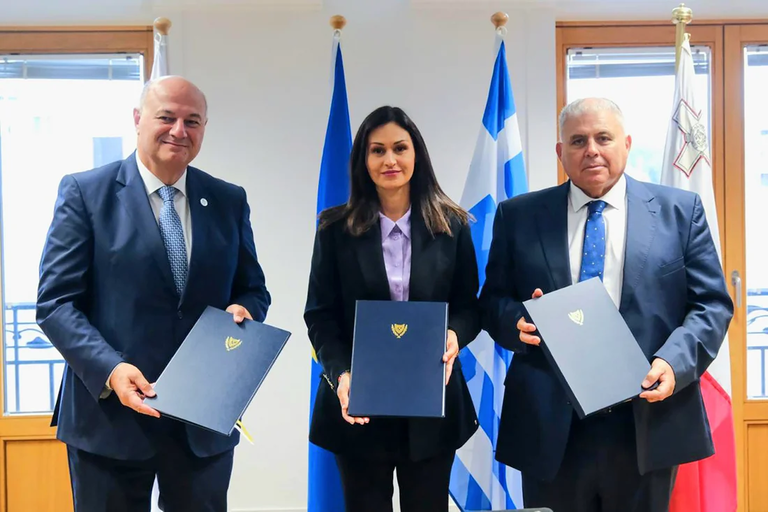
In a significant development for the agricultural sector, Cyprus, Greece, and Malta have formalized their commitment to enhance cooperation through a recently signed memorandum of understanding (MoU). This strategic partnership aims to foster innovation, sustainability, and resilience in agriculture, addressing the pressing challenges faced by these Mediterranean nations. The agreement was finalized during the Agriculture and Fisheries Council in Brussels, marking a pivotal moment in agricultural collaboration among these countries.
Context of the Agreement
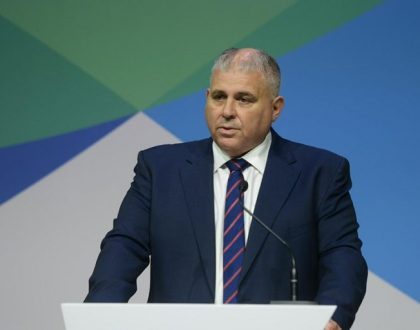
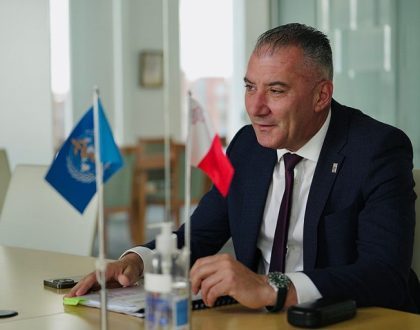
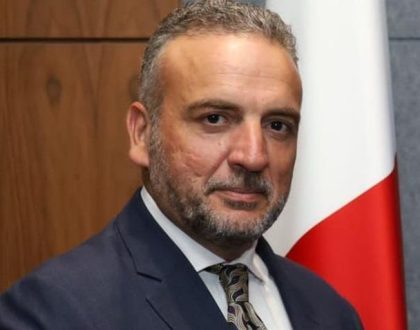
On a recent Monday, Agriculture Minister Maria Panayiotou of Cyprus joined her counterparts, Konstantinos Tsiaras from Greece and Anton Refalo from Malta, to sign the MoU. This agreement signals a united front in tackling the complex issues affecting the agricultural sector. With increasing pressures from climate change, economic shifts, and evolving market demands, the need for cooperation among these nations has never been more critical.
The MoU emphasizes the exchange of knowledge and best practices, which is essential for advancing agricultural methods and promoting sustainable practices. It particularly highlights the importance of supporting young farmers and enhancing female employment in the agricultural sector. By focusing on these demographics, the agreement aims to invigorate the agricultural workforce, ensuring a diverse and capable future for the industry.





















Shared Goals and Mutual Benefits
One of the core objectives of the MoU is to reinforce agricultural ties among Cyprus, Greece, and Malta, promoting mutual benefits and shared goals for sustainable farming. The collaboration encompasses a variety of initiatives designed to develop sustainable practices and improve productivity. Key areas of focus include soil quality improvement, efficient water management, carbon capture techniques, and strategies for reducing greenhouse gas emissions.
These initiatives are particularly relevant in light of the environmental challenges these countries face. With water scarcity and drought becoming increasingly prevalent in the Mediterranean region, the partnership seeks to identify and implement alternative farming methods. By promoting innovative practices such as hydroponics and aquaculture, the signatories aim to create more resilient agricultural systems that can withstand climate variability.
Innovative Farming Practices
The MoU places a strong emphasis on alternative and sustainable farming methods, recognizing the urgent need for innovative solutions to address the challenges of water scarcity and land degradation. Hydroponics, a method of growing plants without soil, has emerged as a viable alternative in regions where traditional farming faces limitations due to poor soil quality or insufficient water resources. This method not only conserves water but also allows for higher crop yields, making it an attractive option for farmers in Cyprus, Greece, and Malta.
Aquaculture, or fish farming, is another area of focus. By promoting aquaculture, these countries can enhance food security and provide a sustainable source of protein for their populations. The MoU encourages the development of best practices in aquaculture, ensuring that environmental sustainability remains a priority.
Education and Training Initiatives
Recognizing that knowledge is a vital component of agricultural success, the MoU aims to facilitate access to education and training in agriculture. By providing educational resources and training programs, the partnership seeks to equip farmers with the skills and knowledge necessary to implement innovative farming techniques. This emphasis on education will also help to inspire the next generation of farmers, ensuring the longevity and sustainability of the agricultural sector.
Furthermore, the MoU outlines the importance of mentoring and support networks for young farmers. By fostering an environment that encourages collaboration and knowledge sharing, the agreement aims to build a robust agricultural community that can adapt to future challenges.
Environmental Sustainability
The collaborative efforts outlined in the MoU are not solely focused on economic benefits; they also prioritize environmental sustainability. As climate change poses significant risks to agricultural productivity, the partnership seeks to implement practices that not only enhance yield but also protect natural resources. Initiatives aimed at improving soil health and water management are critical components of this strategy, as they contribute to the long-term viability of agricultural practices in the region.
The agreement also highlights the importance of reducing greenhouse gas emissions within the agricultural sector. By adopting sustainable practices, such as crop rotation and organic farming, Cyprus, Greece, and Malta can work towards minimizing their carbon footprints while simultaneously boosting productivity.
Conclusion
In conclusion, the signing of the memorandum of understanding between Cyprus, Greece, and Malta represents a significant milestone in agricultural cooperation. This agreement establishes a framework for collaboration aimed at promoting innovation, sustainability, and resilience in agriculture. By focusing on knowledge exchange, supporting young farmers, and implementing sustainable practices, the partnership is poised to address the pressing challenges faced by the agricultural sector in these nations.
As the Mediterranean region grapples with the effects of climate change and economic shifts, this collaboration serves as a beacon of hope for a more sustainable agricultural future. Through their shared commitment to innovative solutions and mutual support, Cyprus, Greece, and Malta are setting a precedent for agricultural cooperation that can inspire other nations facing similar challenges.
FAQs
What is the purpose of the MoU signed by Cyprus, Greece, and Malta?
The MoU aims to strengthen cooperation in agriculture, focusing on innovation, sustainability, and resilience.
What are the key areas of focus in the MoU?
Key areas include soil quality improvement, water management, carbon capture techniques, and reducing greenhouse gas emissions.
How does the MoU support young farmers?
It emphasizes knowledge exchange and provides resources to support young farmers and promote their employment in agriculture.
What alternative farming methods are promoted in the MoU?
Hydroponics and aquaculture are highlighted as sustainable practices to address water scarcity and enhance food security.
Why is education and training important in this agreement?
Education and training are crucial for equipping farmers with the necessary skills to implement innovative agricultural practices.
How does the MoU address environmental sustainability?
It promotes practices that protect natural resources, improve soil health, and reduce greenhouse gas emissions.
What challenges are Cyprus, Greece, and Malta facing in agriculture?
These countries face challenges such as climate change, water scarcity, and the need for economic diversification in agriculture.
What role does knowledge exchange play in the MoU?
Knowledge exchange facilitates sharing best practices and experiences to improve agricultural productivity and sustainability.
How can the MoU impact food security in the region?
By promoting sustainable practices and alternative farming methods, the MoU aims to enhance food security for the populations of these countries.
What is the significance of the agreement for future agricultural cooperation?
The MoU establishes a framework for ongoing collaboration, setting a precedent for similar partnerships among other nations.

Claire
A highly motivated, results-driven, enthusiastic and ambitious writer. I can offer you well researched and high-quality article writing on any topic for your website or blog and can as well re-write your existing web content.