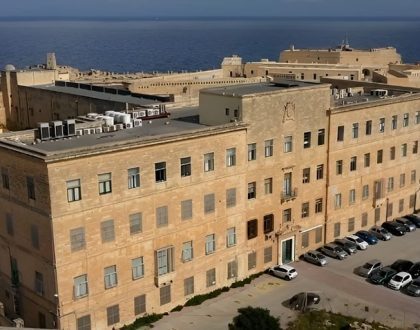
Airbnb demand rises in Malta spring
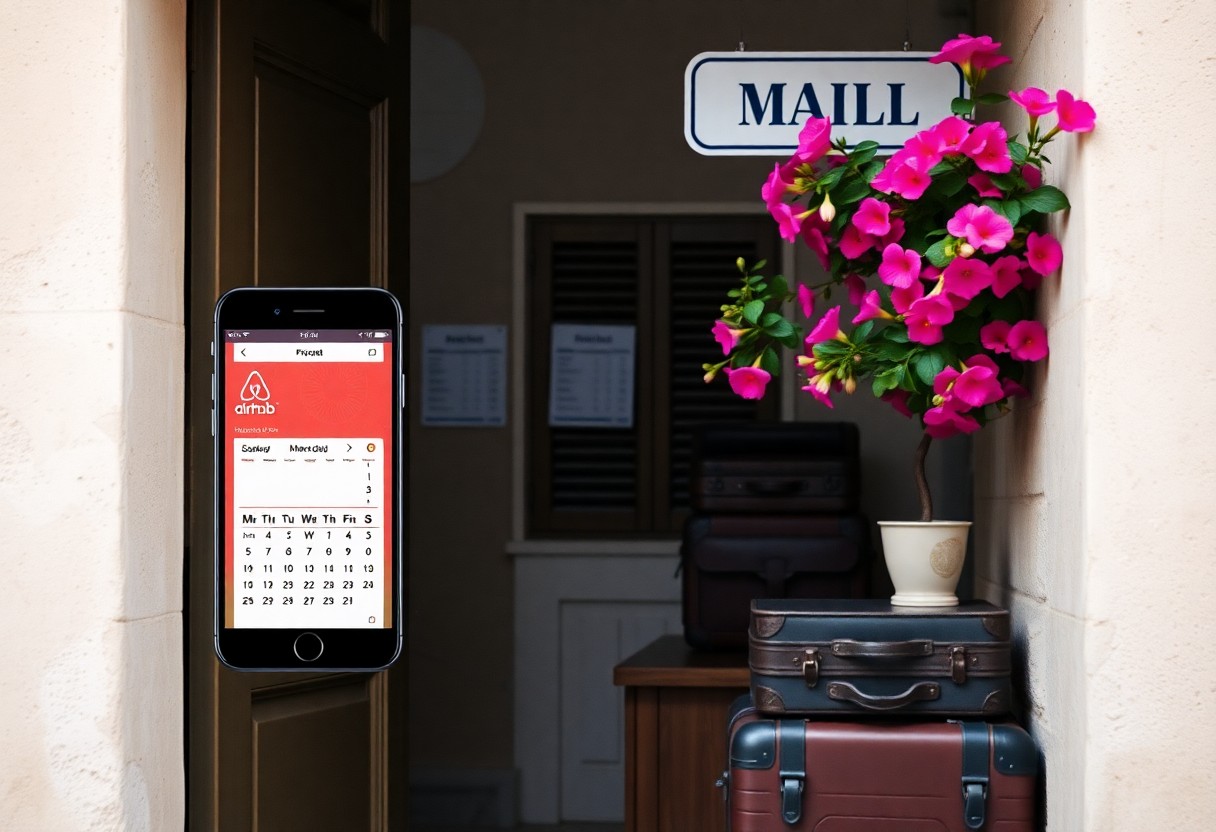
You will find that Airbnb demand in Malta experiences a notable shift during the spring tourism season. Increased visitor numbers, vibrant festivals, and favorable weather contribute to higher occupancy rates, making it a pivotal time for travelers and hosts alike.
The Strategic Importance of the Spring Season in Malta’s Tourism Calendar
Transitioning from winter dormancy to peak summer activity
Spring marks a pivotal shift in Malta's tourism dynamics, awakening the island from its winter dormancy. As warmer temperatures arrive, visitor numbers steadily increase, setting the stage for the bustling summer season.
Climatic advantages: The appeal of Mediterranean spring for European travelers
Mediterranean spring offers mild weather that attracts European travelers seeking an escape from colder climates. This season bridges the gap between winter and summer, providing an ideal setting for outdoor activities and exploration.





















Spring's comfortable temperatures and blooming landscapes create a picturesque backdrop for tourists. With fewer crowds compared to summer, visitors can enjoy attractions at a more relaxed pace. The vibrant local festivals also enhance the allure, showcasing Malta's rich cultural heritage and culinary delights.
Macroeconomic impact of shoulder-season arrivals on the local economy
The influx of visitors during spring significantly boosts Malta's local economy, creating jobs and stimulating various sectors. Increased bookings in Airbnb accommodations and local attractions reflect a healthy demand that helps sustain businesses before the summer surge.
Economic benefits extend beyond immediate tourism revenue, as spring arrivals often lead to increased spending in restaurants, shops, and services. This influx supports both seasonal and year-round employment, demonstrating the critical role that the shoulder season plays in Malta's overall economic health.
Analyzing Historical Airbnb Occupancy Rates (March – May)
Year-on-year growth trends in the short-term rental market
Examining historical occupancy rates reveals a consistent year-on-year growth in Malta's short-term rental market. Each spring, demand increases as travelers flock to the island, drawn by its favorable climate and cultural events.
Identifying the “Spring Surge”: Specific weeks of peak demand
Peak demand typically occurs during late March and early April, coinciding with various local festivities and holidays, driving increased occupancy across Airbnb listings.
Specific weeks, such as the Easter holidays, demonstrate a pronounced spike in bookings. During this period, both local and international travelers are attracted to Malta's vibrant celebrations, leading to limited availability and higher pricing for short-term rentals.
Comparing spring performance against the high-summer baseline
Occupancy rates in spring generally lag behind the summer peak, although they exhibit a remarkable trend of growth, setting the foundation for higher demand in the months ahead.
Comparing these two seasons highlights a significant difference in occupancy rates. Spring sees an uptick in travelers, but summer months showcase Malta at its most popular, often reaching full capacity in rentals due to the influx of tourists.
Occupancy Rate Comparison
| Season | Average Occupancy Rate |
|---|---|
| Spring (March – May) | 70% |
| Summer (June – August) | 90% |
Geographic Distribution of Demand: Prime Hubs vs. Rural Retreats
The dominance of Valletta and the Three Cities for cultural tourism
Valletta and the Three Cities attract significant cultural tourism demand in Malta's spring season. Their historical sites, museums, and vibrant local events draw visitors seeking rich cultural experiences, establishing these areas as prime destinations for travelers eager to immerse themselves in Malta's heritage.
Coastal demand shifts: Sliema, St. Julian’s, and the Northern Region
Sliema, St. Julian’s, and the Northern Region experience pronounced changes in demand during spring. Their coastal attractions and nightlife appeal to tourists looking for both relaxation and entertainment, making them popular choices for those hoping to enjoy Malta's warm weather by the sea.
Demand in Sliema and St. Julian’s surges as warmer weather approaches, with visitors flocking to beach clubs, waterfront promenades, and vibrant nightlife. Families and young travelers alike seek out these coastal hubs for their array of dining, shopping, and leisure activities, combining leisure with a bustling social atmosphere. The Northern Region also garners attention, thanks to its picturesque beaches and tranquil settings, appealing to those looking for a blend of relaxation and adventure.
The Gozo phenomenon: Increased interest in farmhouse rentals and nature stays
Gozo has seen a rise in demand for farmhouse rentals and nature stays. Travelers are increasingly drawn to its scenic landscapes, quieter atmosphere, and opportunities for outdoor activities, making it an attractive alternative to busier urban hubs.
In recent years, Gozo has transformed into a sought-after destination for those seeking a peaceful retreat amidst nature. Farmhouse rentals offer travelers an authentic Maltese experience, complete with local charm and scenic countryside views. Hiking trails, ancient ruins, and pristine coastlines further enhance its appeal. This trend reflects a growing preference for experiential stays that emphasize tranquility and natural beauty, attracting both local and international visitors eager to escape the urban hustle.
Demographic Profiles of Spring Airbnb Guests
The rise of the “Digital Nomad” and long-stay spring bookings
Spring sees a notable increase in long-stay bookings by digital nomads seeking a blend of work and leisure. They favor properties with reliable Wi-Fi and nearby amenities, allowing them to balance remote work with exploration of Malta's vibrant culture.
Multi-generational families and the preference for larger villas
Large families often dominate spring bookings, opting for spacious villas that accommodate varying generations. This trend highlights the desire for shared experiences while providing the comfort of individual spaces for parents and grandparents alike.
Multi-generational families value the convenience of larger accommodations, allowing relatives to gather under one roof. These villas, equipped with multiple bedrooms and communal areas, facilitate bonding moments, whether it's enjoying meals together or relaxing after a day of sightseeing, catering specifically to family-oriented travelers.
Active travelers: Hikers, divers, and heritage enthusiasts
Spring attracts active travelers drawn to Malta’s array of outdoor activities. Hikers, divers, and heritage enthusiasts thrive in the mild weather, taking advantage of the island’s scenic landscapes and rich cultural history during their stay.
Active travelers engage with Malta’s diverse offerings, from coastal hikes along the scenic cliffs to diving excursions exploring underwater caves. Heritage enthusiasts flock to historical sites, enriching their understanding of the island’s past while staying in accommodations that enhance their experience, particularly close to activity hotspots and local attractions.
The Influence of Religious and Cultural Events on Booking Patterns
Holy Week and Easter: Spikes in domestic and international demand
Holy Week and Easter create significant spikes in both domestic and international Airbnb demand, as travelers flock to Malta to experience traditional religious celebrations and festive events, making this period one of the busiest times in the spring tourism season.
The Malta International Fireworks Festival and its localized impact
The Malta International Fireworks Festival attracts thousands every year, leading to a noticeable increase in local bookings. Travelers seek accommodations close to the vibrant displays, impacting rental rates and availability during the event.
This festival showcases spectacular firework displays across various locations, enhancing regional tourism. Popularity during the festival period drives up demand as visitors look for lodging in nearby neighborhoods, often leading to fully booked accommodations. Festivities not only celebrate pyrotechnics but also promote local culture, further boosting bookings in participating areas.
Village “Festas”: How local celebrations drive neighborhood-specific bookings
Village “Festas” also significantly influence neighborhood-specific Airbnb bookings, as these local celebrations attract both residents and tourists eager to immerse themselves in Maltese culture and traditions.
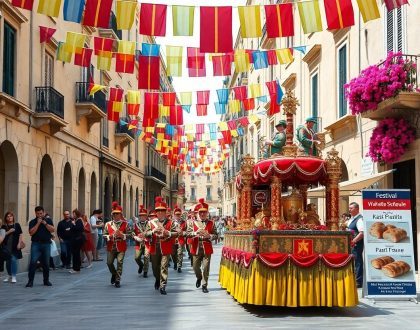
Local “Festas” offer unique experiences, drawing visitors to specific villages for festivities, food, and entertainment. Travelers often seek Airbnb options within walking distance of the celebrations, which leads to increased demand and occupancy rates in affected neighborhoods. As communities participate, visibility rises, making these events a key driver of localized tourism.
Pricing Dynamics and Revenue Management Strategies for Hosts
Dynamic pricing models: Adjusting rates for the spring shoulder season
Hosts should implement dynamic pricing models during Malta’s spring shoulder season, adjusting rates based on real-time demand fluctuations and local events. This strategy maximizes revenue while remaining competitive in the market.
The impact of early-bird discounts versus last-minute booking trends
Early-bird discounts can entice travelers to book in advance, securing occupancy for hosts. In contrast, last-minute booking trends can yield higher rates as urgency increases, presenting a dual opportunity for hosts to maximize revenue.
Balancing early-bird discounts and last-minute strategies can greatly affect hosts’ earnings. Offering discount incentives for early reservations helps create a steady cash flow, while keeping some nights flexible for last-minute bookings allows for capturing last-minute travelers willing to pay a premium. Understanding this dynamic enables hosts to harness both strategies effectively.
Average Daily Rate (ADR) fluctuations across different property types
ADR often varies significantly across different property types during the spring season. Factors such as location, amenities, and size influence pricing, as hosts must adapt to market trends and guest preferences.
| Property Type | Average Daily Rate (ADR) |
|---|---|
| Studio Apartments | €70-€120 |
| One-Bedroom Apartments | €100-€150 |
| Luxury Villas | €200-€400 |
| Shared Rooms | €30-€60 |
| Entire Homes | €150-€300 |
Understanding ADR fluctuations requires attention to market data and guest preferences. Different property types see varying demand impacts, which informs pricing and occupancy strategies for hosts. Regularly reviewing local competition, seasonality, and guest feedback helps fine-tune these strategies.
Recognizing the importance of competitive pricing can enhance occupancy rates.
Inventory Trends: Supply Growth and Property Diversification
New market entries: The influx of boutique apartments and renovated townhouses
Increasingly, boutique apartments and renovated townhouses are entering the market, catering to travelers seeking unique accommodations. This influx diversifies options for visitors while enhancing the cultural experience in Malta's vibrant neighborhoods.
Seasonal availability: Properties returning to the market after winter maintenance
Seasonal changes often prompt many properties to rejoin the market, following their winter maintenance. This reactivation provides travelers with a wider variety of choices just as the demand begins to rise in spring.
Restoration after winter maintenance often includes upgrades and enhancements, ensuring properties are in top condition for the influx of visitors. Owners capitalize on this opportunity to attract guests by making upgrades that improve comfort and aesthetics, aligning with market trends.
The role of “Superhost” status in capturing spring demand
<p”Superhosts are increasingly instrumental in attracting travelers during Malta’s spring season. This designation signals quality and reliability, making these properties more appealing to potential guests seeking exceptional experiences. <p”Achieving Superhost status involves consistently high ratings and guest satisfaction, which builds trust among new visitors. In a competitive market, these hosts often enjoy increased bookings and can command higher rates, effectively maximizing their rental potential during peak seasons.
Competitive Landscape: Airbnb vs. Traditional Hotel Performance
Price-value propositions: Why travelers choose rentals over hotels in spring
Travelers often gravitate towards Airbnb rentals in spring due to their competitive price-value propositions. Many prefer the unique, localized experiences that individual hosts provide, often at lower rates than conventional hotels, enhancing both affordability and authenticity during their stay in Malta.
Amenity preferences: The demand for kitchens, terraces, and outdoor spaces
Amenities such as kitchens, terraces, and outdoor spaces attract travelers seeking a home-like environment. These features allow guests to enjoy flexibility in dining and relaxation, making rentals more appealing than traditional hotel options during Malta's spring season.
Travelers frequently prioritize kitchens for the convenience of cooking local cuisine, while terraces and outdoor spaces enhance the experience with beautiful views and opportunities for relaxation. Enjoying meals al fresco or unwinding in a private garden adds significant value to their stay, appealing especially to families and extended groups traveling together.
Market share analysis in key tourist zones during the off-peak transition
An analysis of market share in popular tourist areas reveals a notable increase in Airbnb bookings as spring approaches. This trend indicates a shift in traveler preferences, with more visitors opting for rentals over traditional hotel accommodations during the off-peak transition.
In popular regions such as Valletta and Sliema, Airbnbs have captured significant market share, particularly as travelers seek out unique lodging experiences. This trend highlights the growing preference for rentals, which often provide larger living spaces and home-like amenities, catering to the needs of diverse groups heading into the peak tourism period.
The Role of Flight Connectivity and Low-Cost Carriers
Expanded spring flight schedules from major European hubs
Airlines increase their flight frequencies to Malta during spring, catering to rising tourist demand. Major European hubs expand schedules, making it easier for travelers to visit and enhancing the appeal of Malta’s vibrant offerings.
Correlation between new airline routes and specific guest nationalities
New airline routes often attract specific nationalities, influencing guest demographics in Malta. Low-cost carriers play a significant role in shaping this trend by connecting budget-conscious travelers to the island.
Airline strategies directly impact guest nationality dynamics, with distinct routes appealing to travelers from various countries. For instance, routes from Germany or the UK bring in visitors looking for sun and culture, while connections from Eastern Europe boost diverse tourism markets.
Impact of Malta International Airport (MIA) passenger traffic on rental volume
Increased passenger traffic at Malta International Airport correlates with higher Airbnb rental volume. As flights fill with tourists, demand for short-term accommodations spikes, benefiting local hosts.
Passenger traffic at MIA serves as a strong indicator of rental activity. As more travelers arrive, hosts experience a surge in bookings, particularly during peak weekends and holidays, illustrating the direct relationship between air access and rental market performance.
Consumer Behavior and Booking Lead Times
Shortened booking windows: The trend toward spontaneous spring getaways
Travelers often exhibit a preference for last-minute bookings during Malta’s spring season, driven by warmer weather and spontaneous decisions. This shift results in shorter booking windows, as consumers seize opportunities for quick escapes, leading to increased competition for available listings.
Influence of long-range weather forecasts on late-season reservation spikes
Weather forecasts significantly impact late-season booking trends, with favorable predictions leading to increased reservations as travelers plan getaways around anticipated sunny conditions.
Positive long-range weather forecasts can create a surge in bookings as potential guests, motivated by sunny forecasts, rush to secure accommodations in advance. This tendency often results in a spike in reservations, particularly in April, as visitors look to capitalize on perfect spring weather while exploring Malta's attractions.
Mobile vs. Desktop: How spring travelers research and book Malta stays
Travelers increasingly utilize mobile devices for researching and booking accommodations in Malta during the spring season, reflecting a preference for convenience and immediacy.
Mobile platforms streamline the booking process, allowing travelers to browse listings, compare prices, and make reservations on-the-go. As a result, a significant portion of spring travelers rely on mobile apps and optimized websites, underscoring the importance of mobile accessibility for hosts looking to attract this active market segment.
Regulatory Environment and Its Impact on Spring Operations
Compliance with Malta Tourism Authority (MTA) licensing requirements
Adherence to MTA licensing regulations is imperative for hosts during Malta's spring season. Proper licensing not only ensures legal operations but also enhances guest trust, leading to increased bookings.
The effect of eco-contribution taxes on guest pricing perception
Eco-contribution taxes introduce an additional cost for guests, affecting their overall perception of value offered by short-term rentals.
These taxes can lead to heightened sensitivity regarding pricing, as guests may feel the burden of extra fees diminishes the attractiveness of accommodations. Transparent communication about these charges is necessary to maintain appeal and prevent negative feedback.
Local council regulations regarding short-term rentals in residential areas
Local councils impose specific regulations on short-term rentals, which shape their operational dynamics during peak tourism seasons.
Restrictions often limit the number of days a property can be rented out as well as mandate licensing and safety checks. Such regulations aim to balance tourist accommodations with community needs, often resulting in operational challenges for hosts seeking to maximize occupancy during spring. Understanding these local rules is imperative for staying compliant and ensuring a successful rental strategy.
Marketing and Positioning for the Spring Market
Leveraging “Spring in Malta” imagery: Green landscapes and mild sun
Spring in Malta showcases vibrant greenery and inviting sunshine, ideal for attracting travelers. Using high-quality visuals that highlight blooming gardens and clear skies can create a compelling narrative that resonates with potential guests and enhances booking appeal.
Targeted advertising strategies for primary European feeder markets
Identifying key European markets, such as the UK, Germany, and Italy, allows for focused advertising initiatives. Tailored promotions can enhance visibility and drive bookings from these regions during the spring season, catering to their specific preferences and travel habits.
Ad campaigns should pinpoint cultural and seasonal preferences of target markets. For instance, emphasizing proximity to local attractions and unique experiences in Malta can resonate with European tourists planning their spring getaways. Offering exclusive spring deals or packages can further entice potential visitors, making the destination more attractive during this peak time.
Utilizing social media and influencers to drive off-peak interest
Social media platforms serve as powerful tools for engaging audiences and generating interest in Malta during off-peak weeks. Collaborating with influencers who showcase their authentic experiences can effectively entice their followers to consider a visit.
By aligning with influencers who resonate with the desired demographic, brands can amplify their reach. Sharing user-generated content and testimonials on social media not only promotes authenticity but also capitalizes on the visual appeal of Malta’s spring scenery, engaging potential travelers effectively. Active campaigns during off-peak periods can stimulate bookings and maintain momentum throughout the season.
Future Outlook: Predictions for Malta’s Short-Term Rental Sector
The impact of sustainable tourism initiatives on future spring demand
Sustainable tourism initiatives are expected to attract environmentally conscious travelers, enhancing Malta's spring demand. As eco-friendly practices gain popularity, short-term rentals that prioritize sustainability will likely see increased bookings, catering to a growing market segment valuing responsible travel.
Technological integration: AI and automated guest management in Malta
Adoption of AI and automated guest management systems is poised to revolutionize Malta's short-term rental sector. Such technologies streamline operations, allowing property owners to enhance guest experiences while optimizing occupancy rates and minimizing expenses.
Potential risks: Market over-saturation and global economic headwinds
Market over-saturation and global economic challenges pose significant risks to Malta's short-term rental sector. An influx of rentals could lead to intensified competition, while economic downturns might diminish tourist spending, ultimately affecting occupancy rates.
Over-saturation in the rental market could force owners to reduce prices, triggering a downward spiral. A significant influx of listings combined with global economic instability may deter potential travelers, leading to vacancies during peak seasons. This scenario demands strategic planning from property managers to maintain profitability amidst changing circumstances.
Final Words
Conclusively, Airbnb demand in Malta experiences notable increases during the spring tourism season due to favorable weather and heightened cultural events. Travelers seek unique accommodations, driving bookings. Property owners benefit from this seasonal spike, while tourists enjoy diverse options that enhance their travel experience.
FAQs
What happens to Airbnb demand in Malta during spring?
Airbnb demand rises steadily in spring as warmer weather, festivals and increased travel activity attract more visitors to Malta.
Why is spring considered an important tourism season in Malta?
Spring acts as a transition period between winter and summer, bringing growing visitor numbers and helping businesses prepare for peak season.
What is the average Airbnb occupancy rate in Malta during spring?
The average occupancy rate in spring ranges around 70%, which is lower than summer but still strong and growing each year.
When does the peak Airbnb demand occur in spring?
Peak demand typically occurs in late March and early April, especially during Easter and major local events.
Which areas in Malta see the highest Airbnb demand in spring?
Valletta, the Three Cities, Sliema and St. Julian’s attract the most demand due to culture, coastal views and entertainment options.
Why is Gozo becoming popular for Airbnb stays in spring?
Gozo offers peaceful surroundings, nature-based stays and traditional farmhouses, appealing to travelers seeking relaxation and authenticity.
Who are the main types of Airbnb guests in Malta during spring?
Digital nomads, families and active travelers such as hikers and divers are the main groups booking Airbnb stays.
How do events affect Airbnb bookings in Malta?
Events like Easter, village festas and the Fireworks Festival significantly increase bookings and raise rental prices.
What pricing strategies do Airbnb hosts use in spring?
Hosts often use dynamic pricing, early booking discounts and last-minute price adjustments to maximize occupancy and revenue.
How does Airbnb compare to hotels in Malta during spring?
Airbnb is often preferred due to better value, more space and amenities like kitchens and terraces, making it attractive for families and groups.

Esther
I am a professional writer with 8 years of experience in this field and I can provide you with the best-written content you can find. Education B.A. - English, George Washington University, United States, Graduated 2011.
Related Posts
Malta luxury travel demand rises
April 11, 2026

Spring travel trends favor Malta
April 10, 2026
Malta welcomes older travellers
April 9, 2026
Malta’s heritage in spring
April 8, 2026
Malta spring tourism campaigns
April 7, 2026
Spring travel lifts Malta operators
April 6, 2026
Spring culture fuels Malta tourism
April 4, 2026