Allegations of €700,000 Bribe in Nadur Road Project

Allegations of corruption and financial impropriety have engulfed the Nadur road project in Gozo, a critical infrastructure initiative that has now become a symbol of public outrage and political tension. At the center of this controversy are claims of a €700,000 bribe, reportedly linked to the project’s spiraling costs, which lawyer and former parliamentarian Jason Azzopardi has sought to bring under judicial scrutiny.
Minister Clint Camilleri, who oversaw the project, has categorically denied the allegations, describing them as part of a politically driven campaign to tarnish his reputation. As public discussions intensify, the case sheds light on significant governance issues in Malta's public sector, including project management, transparency, and the oversight of public funds.
The Nadur Road Project and its Cost Explosion
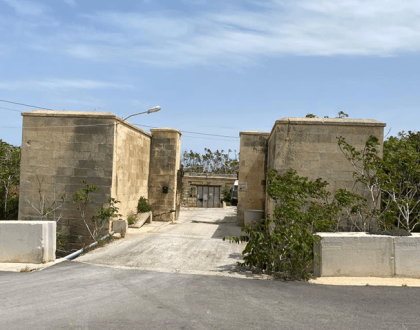
The project in question involves the reconstruction of Triq L-Imġarr, a vital road connecting Nadur and Għajnsielem in Gozo. Originally budgeted at €1.8 million, the project was justified as an urgent measure to address damages that had rendered the road unsafe. However, the scale of the works quickly escalated due to the deteriorated condition of the road, leading to a second agreement with contractors.





















By December 2023, total expenses had surged to €17 million, including an additional €1.5 million for ancillary services. This tenfold increase from the original estimate has drawn criticism from the National Audit Office (NAO), which highlighted insufficient planning and mismanagement as major contributors to the inflated costs.
The NAO’s findings revealed that initial assessments underestimated the scope of the necessary repairs, forcing the ministry to revise its plans significantly. Minister Camilleri had initially projected an €8 million price tag for the project in 2020, a figure that has now been dwarfed by the final costs.
Allegations of Corruption
Jason Azzopardi has accused several individuals of serious misconduct, including Minister Camilleri, John Borg, the permanent secretary of the Gozo Ministry, and architects Godwin Agius and Andrew Ellul. In his request for a magisterial inquiry, Azzopardi pointed to possible offenses ranging from bribery and fraud to money laundering and false declarations.
Central to these allegations is the claim that a €700,000 bribe was paid under the guise of consultancy fees. Azzopardi states that this information came to him through confidential sources protected by professional secrecy. He has also emphasized the importance of preserving evidence such as emails, documents, and electronic messages to ensure a thorough investigation.
Azzopardi's call for an inquiry is supported by media reports and the findings of the NAO, both of which have drawn attention to the Gozo Ministry’s handling of the project. The National Audit Office, in particular, noted that poor management practices not only increased costs but also undermined the project’s overall efficiency.
Minister Camilleri’s Response
In the face of these allegations, Minister Clint Camilleri has mounted a vigorous defense, dismissing the claims as baseless and politically motivated. Taking to social media, he accused his opponents of engaging in a coordinated smear campaign aimed at discrediting him and his family.
Camilleri characterized the allegations as an example of what he described as a broader pattern of political persecution. He argued that his opponents had filed the request for an inquiry not out of genuine concern for accountability, but as part of a deliberate strategy to undermine his work.
Camilleri also pointed out that the project was a critical initiative to restore a vital access point for Nadur residents. He suggested that previous administrations had neglected the road's deteriorating condition, leaving his ministry to address the urgent need for repairs.
In a further statement, Camilleri reaffirmed his willingness to cooperate with any investigations, saying he had “no problem answering questions when the need arises.” However, he maintained that the accusations were unfounded and driven by political agendas rather than facts.
Broader Governance Concerns
This scandal has reignited debates about governance and accountability in Malta’s public sector, particularly regarding large-scale infrastructure projects. Critics argue that the Nadur road project exemplifies systemic flaws, including inadequate planning, insufficient oversight, and a lack of transparency in procurement processes.
The significant budget overruns have also fueled public frustration. Residents of Nadur and the surrounding areas, while grateful for the road’s reconstruction, have expressed anger over the excessive costs. Many believe the funds could have been managed more effectively, avoiding the need for such an enormous financial outlay.
The NAO’s critical report further highlights the need for reforms in how public projects are planned and executed. It recommends stricter oversight mechanisms to prevent similar cases of mismanagement in the future.
Azzopardi’s Broader Allegations
The Nadur road project is not the only focus of Jason Azzopardi’s recent actions. Earlier in December, he filed a separate request for a magisterial inquiry into alleged corruption involving mooring spaces at Mgarr harbor. This inquiry implicates both the Gozo Ministry and Transport Malta, the latter being where Camilleri’s wife works.
In both cases, Azzopardi has positioned himself as an advocate for transparency and accountability, arguing that systemic corruption must be addressed at its roots. His critics, however, view his actions as politically motivated, aimed at undermining the current administration.
Public and Political Reactions
Public reactions to the controversy have been polarized. Supporters of Azzopardi see his efforts as a necessary step toward uncovering the truth and holding officials accountable. Meanwhile, Camilleri’s defenders argue that he is being unfairly targeted for political gain.
Political analysts have noted that the timing of the inquiry request—filed on Christmas Eve—has added to the perception of a politically charged agenda. This has further fueled the debate over whether the allegations are a genuine attempt to address corruption or a strategic move to damage Camilleri’s reputation.
The Road Ahead
As the magisterial inquiry proceeds, its findings will be crucial in determining the credibility of the allegations. If evidence supports Azzopardi’s claims, it could lead to significant legal and political consequences for those implicated. Conversely, a lack of evidence would vindicate Camilleri and potentially damage Azzopardi’s standing.
The case underscores the critical need for robust mechanisms to ensure accountability and transparency in Malta’s public administration. Beyond its immediate implications, it serves as a reminder of the importance of responsible governance and the effective management of public resources.
Conclusion
The Nadur road project controversy highlights critical challenges in Malta’s governance and public administration. Allegations of corruption and mismanagement have sparked intense debate, reflecting widespread frustration with how public funds are managed and infrastructure projects are executed. While Jason Azzopardi’s call for a magisterial inquiry underscores the importance of accountability, the polarized public and political reactions reveal deep divisions over the motivations behind these allegations.
As the inquiry unfolds, its findings will not only determine the truth of these claims but also shape public confidence in Malta’s institutions. Regardless of the outcome, this case serves as a stark reminder of the need for greater transparency, rigorous oversight, and responsible governance to restore trust and ensure that public resources are used effectively for the benefit of all citizens. The lessons drawn from this controversy will be pivotal in charting a course toward more accountable and efficient public administration in Malta.
FAQs
What is the Nadur road project?
The project involves reconstructing Triq L-Imġarr, a key road linking Nadur and Għajnsielem in Gozo.
Why is the project controversial?
It is controversial due to significant budget overruns and allegations of corruption, including a €700,000 bribe.
Who is Jason Azzopardi?
Jason Azzopardi is a lawyer and former parliamentarian who filed a request for a magisterial inquiry into the project.
What did the National Audit Office find?
The NAO reported poor planning and mismanagement, which caused costs to escalate significantly beyond the initial budget.
How has Minister Clint Camilleri responded?
He has denied all allegations, calling them politically motivated and pledging to cooperate with any investigations.
What are the broader implications of the case?
The case raises concerns about governance, transparency, and the oversight of public funds in Malta.
What other allegations has Azzopardi made?
He has also alleged corruption involving mooring spaces at Mgarr harbor, implicating both the Gozo Ministry and Transport Malta.
How has the public reacted?
Reactions are divided, with some supporting Azzopardi’s actions and others viewing them as politically motivated.
What could happen if the allegations are proven?
There could be serious legal and political consequences for those implicated in the scandal.
Why is the case significant?
It highlights systemic issues in Malta’s public sector and underscores the need for reforms in project planning and oversight.

Michael
With nearly 30 years in corporate services and investigative journalism, I head TRIDER.UK, specializing in deep-dive research into gaming and finance. As Editor of Malta Media, I deliver sharp investigative coverage of iGaming and financial services. My experience also includes leading corporate formations and navigating complex international business structures.