Allegations of Evidence Concealment in Malta Scandal
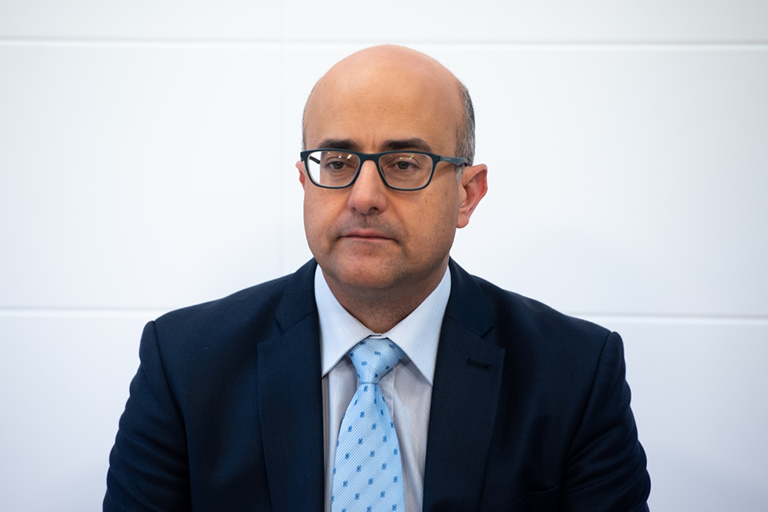
A fresh controversy has emerged in Malta’s ongoing investigation into the privatization of public hospitals, as lawyer Jason Azzopardi accuses a government entity of deliberately withholding crucial evidence. This allegation brings to light significant concerns about transparency and accountability in a case already steeped in controversy.
The issue revolves around the contentious concession of three public hospitals, initially awarded to Vitals Global Healthcare (Vitals) and later transferred to Steward Health Care (Steward). Allegations of corruption and mishandling have led to public outrage and extensive judicial inquiries, with high-profile political figures implicated in the scandal.
The Controversial Hospitals Concession
The hospitals concession, one of Malta's largest public-private partnerships, has faced scrutiny since its inception. Vitals, a previously unknown healthcare company, was awarded the lucrative contract to manage three hospitals: St. Luke’s, Karin Grech, and the Gozo General Hospital. The agreement was fraught with irregularities, leading to accusations of mismanagement and a failure to fulfill contractual obligations.





















In 2018, Steward acquired the concession from Vitals, promising to improve operations and deliver on unmet commitments. However, the arrangement continued to face criticism for alleged financial improprieties and the lack of tangible benefits for Malta’s healthcare system.
Jason Azzopardi’s Allegations: Concealed Documents
On Sunday, Jason Azzopardi revealed that he had filed a legal application in his own name, claiming that a government entity intentionally hid critical documents from the inquiring magistrate, Gabriella Vella. Azzopardi stated that the concealed evidence, which he received under conditions of professional secrecy, was supposed to have been disclosed to the court following a 2020 directive.
While he declined to identify the government entity involved, Azzopardi emphasized the importance of these documents for the ongoing investigation. He also assured the court of his willingness to testify under oath and present the documents if required.
Legal Proceedings: The Role of the Attorney General
Magistrate Vella, who is overseeing the inquiry, determined that it is the prosecution’s responsibility—through the Office of the Attorney General—to decide how to handle the newly discovered evidence. Azzopardi respected this decision, refraining from publicizing his application immediately to allow the proper legal process to unfold.
The Attorney General has since been informed of the matter, and her decision on the handling of the documents is now awaited. This raises pressing questions about the integrity of the investigation and whether justice will be served in a case already riddled with allegations of corruption.
Broader Implications: Accountability in Governance
The concealment of evidence, if proven, represents a significant breach of legal and ethical standards, casting doubt on the transparency of government institutions. It also brings to the forefront systemic issues in Malta’s governance, particularly regarding public-private partnerships and the oversight of large-scale contracts.
The allegations against former Prime Minister Joseph Muscat, his chief of staff Keith Schembri, and former Health Minister Konrad Mizzi have become emblematic of Malta’s struggles with corruption. International observers, including the European Union, have repeatedly called for stronger measures to combat corruption and improve institutional accountability.
Public Reaction: Erosion of Trust
The hospitals concession scandal has eroded public trust in Malta’s governance and legal systems. Allegations of concealed evidence only deepen the skepticism surrounding the case and raise concerns about whether justice can truly be achieved.
Transparency advocates have highlighted the need for stronger whistleblower protections to encourage individuals to come forward with critical information. This case underscores the importance of ensuring that public entities comply with court orders and legal obligations to foster a culture of accountability.
Calls for Reform: A Way Forward
The hospitals concession scandal has reignited calls for governance reforms in Malta. Transparency International and other watchdog organizations have stressed the need for robust mechanisms to monitor public contracts and ensure that decision-making processes are free from undue influence.
Reforms in the judiciary and the public administration could help restore faith in Malta’s institutions. Enhanced oversight mechanisms, combined with stronger penalties for misconduct, may deter future cases of corruption and mismanagement.
Conclusion: A Test of Malta’s Commitment to Justice
Jason Azzopardi’s allegations of concealed evidence have added a new dimension to an already controversial case. As the Attorney General deliberates on the newly uncovered documents, the case serves as a litmus test for Malta’s commitment to transparency, accountability, and the rule of law.
This scandal has not only highlighted the challenges facing Malta’s governance but also presented an opportunity for meaningful reform. The outcome of this case will likely have far-reaching implications for the country’s political and legal landscape, shaping public trust for years to come.
FAQs
What is the Malta hospitals concession scandal?
The scandal involves allegations of corruption and mismanagement in the privatization of three public hospitals, initially awarded to Vitals Global Healthcare and later transferred to Steward Health Care.
Why is Jason Azzopardi’s court application significant?
Jason Azzopardi’s application alleges that a government entity deliberately withheld crucial documents from the ongoing investigation, raising concerns about transparency and justice.
Which government officials are implicated in this case?
Former Prime Minister Joseph Muscat, his chief of staff Keith Schembri, and former Health Minister Konrad Mizzi are among those implicated in the scandal.
What evidence has been allegedly concealed?
Azzopardi claims to have received documents that were withheld from the inquiring magistrate, despite a court order to disclose them.
What role does the Attorney General play in this case?
The Attorney General is responsible for deciding how the newly uncovered evidence presented by Jason Azzopardi should be handled.
How has the public reacted to the scandal?
The public has expressed outrage over allegations of corruption and evidence concealment, leading to calls for greater accountability and transparency.
What are the broader implications of this case for Malta?
The case highlights systemic governance issues in Malta and underscores the need for reforms to prevent similar scandals in the future.
What measures can prevent such scandals in the future?
Enhanced oversight mechanisms, judicial reforms, and stronger whistleblower protections can help prevent future cases of corruption and mismanagement.
How has this case impacted Malta’s reputation?
The scandal has drawn international criticism and eroded public trust in Malta’s governance and judicial systems.
What is the significance of transparency in this case?
Transparency is crucial for ensuring accountability and maintaining public trust in legal and governmental institutions.

Anna Amstill
I am an avid Blogger and Writer with more than 6 years of experience with Content Writing. An Online Marketing expert specializing in Blog writing, Article writing, Website content, SEO specific Keyword content and much more. Education B.A. - business management, York University, Canada, Graduated 2016.