Payment System in iGaming
Most people who engage in #iGaming may not fully understand the intricate workings of the #payment systems that facilitate their transactions. In the world of online #gambling, a payment system is not just a simple mechanism for transferring money; it is a crucial component that ensures the smooth and secure flow of funds between players, operators, and regulatory bodies.
Understanding the anatomy of a payment system in iGaming is imperative for players to make informed decisions about where and how they choose to play. From payment gateways to e-wallets, each element plays a vital role in ensuring fast, secure, and reliable transactions within the iGaming industry. By delving into the inner workings of these systems, players can better protect their funds and make the most of their online gaming experience.
The Fundamentals of iGaming Payment Systems
Defining Payment Systems in the iGaming Context
The landscape of iGaming payment systems is a crucial aspect of the industry, governing how players deposit funds, withdraw winnings, and engage in monetary transactions within online casinos and betting sites. Payment systems in iGaming encompass the diverse methods and technologies that facilitate the transfer of funds securely and efficiently between players and operators.





















Key Components of Payment Systems
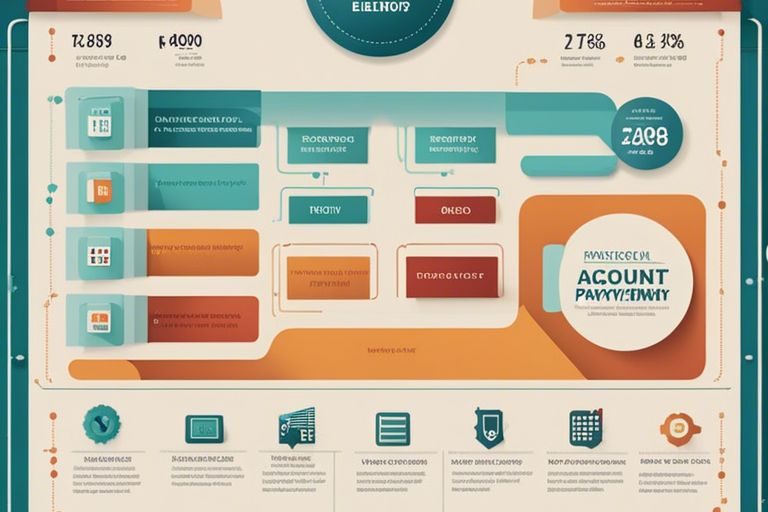
Any iGaming payment system consists of several core components that work in tandem to provide a seamless and secure transaction environment. These components include payment gateways, processors, fraud detection tools, and payment methods. Payment gateways act as the bridge between the player and the operator, securely transmitting transaction data. Processors handle the authorization and settlement of transactions, ensuring that funds are transferred accurately. Fraud detection tools play a vital role in safeguarding against fraudulent activities, protecting both players and operators from potential risks.
Payment systems in iGaming are designed to prioritize security, efficiency, and convenience for players while also adhering to regulatory requirements and industry standards.Operators strive to offer a variety of payment methods to cater to the diverse preferences of their player base, ensuring a positive and trustworthy gaming experience.
Types of Payment Solutions in iGaming
While the world of iGaming continues to evolve, various payment solutions have emerged to cater to the diverse needs of players. Here, we will explore the different types of payment methods commonly used in the iGaming industry.
Traditional Payment Methods
|
Payment methods such as credit/debit cards, bank transfers, and prepaid cards have long been the go-to options for players in iGaming. These methods offer familiarity and reliability, making them popular choices for many users. Any gaming platform looking to attract a wide range of players should consider offering traditional payment options alongside newer alternatives.
E-Wallets and Digital Currencies
|
An increasing number of players are turning to e-wallets and digital currencies for their iGaming transactions. For instance, e-wallets like PayPal offer convenience and speed, while cryptocurrencies provide anonymity and security. With the growing acceptance of digital currencies, iGaming operators are beginning to integrate these payment options into their platforms.
Mobile Payment Options
Payment solutions that cater to mobile devices have gained traction in the iGaming industry due to the rise of mobile gaming. With the increasing use of smartphones and tablets for gaming, players seek seamless and secure payment options that can be accessed on the go.
With the convenience of making payments using a mobile device, players can enjoy uninterrupted gameplay without the need to switch to a desktop or visit a physical location to complete transactions. Mobile payment options also offer enhanced security features such as biometric authentication and encryption, ensuring player data remains safe during transactions.
Cryptocurrencies and Blockchain Technology
One of the most revolutionary developments in the iGaming payment landscape is the integration of cryptocurrencies and blockchain technology. This decentralized approach offers players greater control over their funds, faster transactions, and increased privacy.
Types of cryptocurrencies like Bitcoin, Ethereum, and Ripple are gaining popularity in the iGaming sector due to their secure and efficient nature. Additionally, blockchain technology provides a transparent and tamper-proof system for verifying transactions, ensuring fair gameplay and trust between players and operators.
Payment System Integration into iGaming Platforms
Integration Process
Platforms integrating payment systems into their iGaming services undergo a meticulous process to ensure seamless transactions for their users. This involves collaborating with payment service providers, integrating APIs, and implementing necessary software and hardware components. Testing and fine-tuning the integration are critical steps to validate the system's functionality and security before going live.
Security Considerations and Compliance
For iGaming platforms, ensuring the security and compliance of their payment systems is paramount. Adhering to industry regulations, such as PCI DSS compliance, is a must to safeguard users' financial information and maintain trust. Implementing robust encryption protocols, secure sockets layer (SSL) technology, and multi-factor authentication are common practices to enhance security.
Considerations
Platforms must also consider fraud prevention measures and invest in monitoring tools to detect suspicious activities promptly. Regular audits and compliance checks are necessary to uphold the integrity of the payment system and protect both the platform and its users from potential risks.
User Experience and Interface Design
Experience designing a user-friendly payment interface is imperative to streamline the transaction process and enhance user satisfaction. Intuitive layouts, easy navigation, and quick processing speeds are key factors in optimizing the payment experience for players. Incorporating multiple payment methods and currencies further improves usability and accessibility.
This ensures that users can easily deposit funds, withdraw winnings, and navigate payment options without any hassle. The design should instill confidence and convenience, fostering a positive perception of the platform's commitment to user satisfaction and security.
Payment Processing and Transaction Management
Authorization and Authentication Processes
All transactions in the iGaming industry must go through rigorous authorization and authentication processes to ensure security and compliance. Authorization verifies the cardholder's identity and confirms they have sufficient funds to complete the transaction. Authentication involves validating the user's identity through various methods such as passwords, PINs, biometrics, or two-factor authentication.
Fraud Prevention and Risk Management
Any payment system in iGaming must prioritize fraud prevention and risk management to protect both the operator and the players. Utilizing advanced technologies like machine learning, AI algorithms, and geolocation tracking can help detect and prevent fraudulent activities in real-time.
To effectively combat fraud, operators must continuously monitor transactions, analyze patterns, and implement security measures such as encryption, tokenization, and secure sockets layer (SSL) protocols. Regular audits and reviews of the payment system are also crucial to identify vulnerabilities and implement necessary updates to stay ahead of potential threats.
Settlements and Payouts
Settlements and payouts are crucial components of the payment process in iGaming. Settlements involve the transfer of funds between the players, operators, and payment service providers. Payouts refer to the distribution of winnings to players based on the outcome of games or bets.
Authentication mechanisms play a key role in ensuring that settlements and payouts are accurate and secure. Implementing robust authentication protocols can help prevent unauthorized access to funds and protect both the players' winnings and the operator's revenue.
Regulatory Environment for iGaming Payment Systems
International Regulatory Framework
Your iGaming payment system operates within a complex international regulatory framework that governs the transfer of funds for online gambling. Regulations vary widely by country, and compliance is crucial to ensure seamless payment processing for players worldwide. The key international regulatory bodies that impact iGaming payment systems include the Financial Action Task Force (FATF), the International Association of Gaming Regulators (IAGR), and the European Gaming and Betting Association (EGBA).
Country-Specific Regulations and Compliance
Environment iGaming operators must navigate a myriad of country-specific regulations and compliance requirements to facilitate payments for their players. Each country has its own set of rules regarding online gambling activities, payment processing, and anti-money laundering measures. Regulatory compliance is important to avoid penalties, fines, or even the suspension of operations in a particular market.
Regulatory authorities closely monitor iGaming payment systems to prevent fraud, money laundering, and other illicit activities. Operators must stay abreast of evolving regulations to ensure the security and legality of their payment processes.
Innovations and Trends in iGaming Payment Systems
Emerging Technologies and Their Impact
Not all innovations in payment systems are created equal. Advancements such as blockchain technology, artificial intelligence, and biometric authentication are revolutionizing the way transactions are conducted in the iGaming industry. These technologies provide enhanced security, speed, and efficiency in processing payments, ultimately improving the overall user experience for players.
Future Trends in Payment Solutions
Any iGaming operator looking to stay ahead of the curve must keep an eye on the future trends in payment solutions. Mobile payments, cryptocurrency integration, and seamless e-wallet experiences are poised to dominate the industry in the coming years. Players are demanding convenience and security in their transactions, and these trends are set to meet those expectations.
One trend that is gaining momentum in the iGaming industry is the personalization of payment solutions. Players are looking for tailored payment options that suit their individual preferences and needs. By embracing this trend, operators can enhance player loyalty and satisfaction, ultimately driving growth and revenue.
Case Studies of Innovative Payment Systems
The iGaming industry has seen a rise in innovative payment systems that are transforming the way players make transactions. Here are some case studies showcasing successful implementations of these systems:
- PayPal: With over 300 million active users, PayPal has become a popular payment method in iGaming due to its ease of use and security features.
- Apple Pay: Apple's mobile payment solution has gained traction in the industry, offering players a seamless and convenient way to make deposits and withdrawals.
- Bitcoin: The cryptocurrency has been embraced by some iGaming operators for its decentralized nature and fast transactions.
Trends in payment systems within iGaming are constantly evolving, with new technologies and solutions emerging to meet the growing demands of players and operators. By staying informed and adaptable, industry stakeholders can capitalize on these trends to drive success in the competitive market.
Challenges and Solutions in iGaming Payment Systems
Mitigating Fraud and Security Threats
Solutions: Mitigating fraud and security threats is one of the top priorities for iGaming payment systems. With the online gambling industry attracting a large volume of transactions, it becomes a prime target for fraudsters and cybercriminals. To combat this, iGaming operators deploy advanced security measures such as encryption, tokenization, two-factor authentication, and real-time transaction monitoring. By implementing these measures, operators can detect and prevent fraudulent activities, safeguarding the integrity of the payment ecosystem.
Navigating Regulatory Hurdles
Payment: Navigating regulatory hurdles is a significant challenge in iGaming payment systems. The online gambling industry is subject to a complex web of regulations and licensing requirements that vary across jurisdictions. iGaming operators must ensure compliance with anti-money laundering (AML) laws, Know Your Customer (KYC) regulations, and data protection laws. Failure to adhere to these regulations can result in hefty fines, loss of license, and damage to the operator's reputation.
Enhancing User Experience
To: Enhancing user experience is crucial in iGaming payment systems to attract and retain customers. iGaming operators strive to provide seamless and convenient payment options to players, ensuring quick deposits and withdrawals. By offering a variety of payment methods, including e-wallets, credit/debit cards, and bank transfers, operators cater to the diverse preferences of their players. Additionally, implementing responsive customer support services and user-friendly interfaces further enhances the overall user experience.
Final Words
With these considerations in mind, it is evident that the anatomy of a payment system in iGaming is a complex structure that involves multiple layers of security, efficiency, and convenience. From the players' perspective, having a seamless and secure payment process is crucial for a positive gaming experience. For operators, incorporating a variety of payment options and ensuring compliance with regulatory requirements are key factors in running a successful iGaming platform.
Overall, understanding the intricate workings of a payment system in iGaming is necessary for both players and operators alike. By staying informed about the latest trends, technologies, and regulations in the payment industry, stakeholders can adapt and optimize their payment systems to meet the evolving needs of the online gaming market.
FAQs
What are the key components of an iGaming payment system?
The key components include payment gateways, processors, fraud detection tools, and various payment methods. Payment gateways secure transaction data, processors handle authorization and settlement, and fraud detection tools protect against fraudulent activities.
How do e-wallets benefit iGaming transactions?
E-wallets offer convenience, speed, and enhanced security for transactions. They allow players to deposit and withdraw funds quickly without needing to enter payment details repeatedly.
What role do cryptocurrencies play in iGaming payment systems?
Cryptocurrencies like Bitcoin and Ethereum provide secure, anonymous transactions and faster processing times. They also integrate blockchain technology, which offers transparency and prevents tampering.
How does iGaming ensure payment system security?
iGaming platforms ensure security by adhering to regulations like PCI DSS, implementing encryption, SSL technology, and multi-factor authentication. Regular audits and fraud prevention measures are also crucial.
What are the challenges associated with iGaming payment systems?
Challenges include mitigating fraud, navigating complex regulatory environments, and enhancing user experience. Operators must address these by employing advanced security measures, staying compliant with laws, and offering user-friendly payment options.

Michael
With nearly 30 years in corporate services and investigative journalism, I head TRIDER.UK, specializing in deep-dive research into gaming and finance. As Editor of Malta Media, I deliver sharp investigative coverage of iGaming and financial services. My experience also includes leading corporate formations and navigating complex international business structures.
Related Posts

Golden Whale appoints Jaime Ocampo as Asia Managing Director
April 13, 2026





Onlyplay launches Hot Dunk basketball slot with free spins
April 10, 2026