Armin Ernst faces €20M freeze over Malta hospitals deal
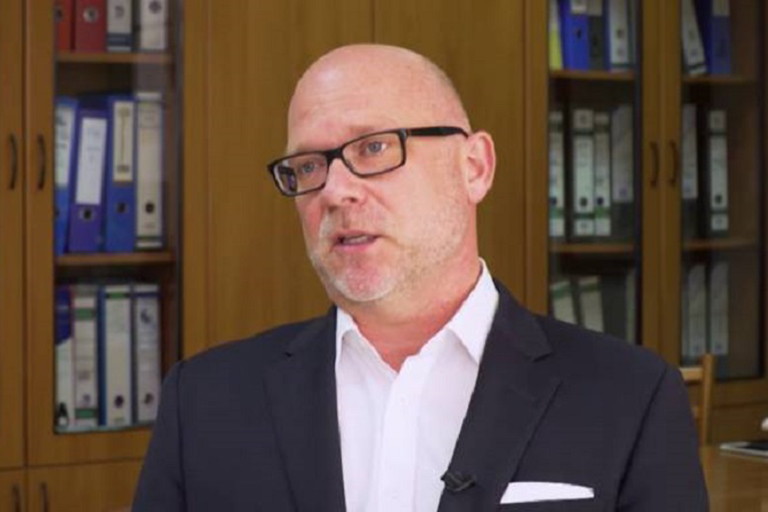
Armin Ernst, the former CEO of Vitals Global Healthcare (VGH) and later Steward Malta, has become a central figure in one of Malta's most high-profile legal controversies involving the management of state hospitals. Recently, Ernst was hit with a €20 million freezing order on his assets, including properties in Tigné, Sliema, following a series of criminal charges tied to alleged fraudulent activities in the hospital concession deal.
This case not only raises questions about Ernst's personal conduct but also exposes deeper systemic concerns regarding public-private partnerships in Malta’s healthcare sector. The ongoing proceedings highlight how large-scale healthcare contracts can become entangled in financial mismanagement and alleged criminal misconduct, affecting government accountability and public trust.
Background of Vitals Global Healthcare and the Hospitals Deal
In 2015, the Maltese government awarded a 30-year concession for the management of three state hospitals to Vitals Global Healthcare, a relatively new company with limited experience in hospital administration. The deal was widely criticized at the time for a perceived lack of transparency and for being overly favorable to the company, leaving public health assets vulnerable to potential mismanagement.





















VGH quickly became a controversial entity in Malta due to the scale of its operations and the financial stakes involved. Reports suggested that the company was struggling with funding and operational efficiency almost from the outset. These early warnings were overlooked as the government pressed forward with the concession, believing that private sector management could bring improvements in efficiency and service quality.
In 2018, after VGH encountered severe financial difficulties, the concession was transferred to Steward Malta, a subsidiary of U.S.-based Steward Health Care. This transition, approved by the Maltese government, added another layer of scrutiny, given Steward Malta’s foreign ownership and the opaque nature of the transfer process. Critics argued that the transfer raised questions about whether due diligence had been properly conducted and whether taxpayer interests were adequately protected.
Legal Proceedings and Criminal Charges
In September 2025, Armin Ernst, a 63-year-old German national residing in the United States, was formally arraigned in a Maltese court. Ernst faces multiple criminal charges, including:
- Misappropriation of funds
- Money laundering
- Conspiracy
- Bribery
- Trading in influence
The charges are linked to his role as the main intermediary between the Maltese government and VGH/Steward Malta during the period in which the controversial concession and its subsequent transfer took place. Ernst has consistently pleaded not guilty.
Magistrate Rachel Montebello issued a decree imposing a €20 million freezing order on Ernst’s assets. This directive, communicated to all financial institutions and relevant parties, prohibits him from transferring or selling any assets—including real estate in Tigné, Sliema—without prior approval from the court. The measure is intended to preserve assets that could potentially be used to reimburse the state in the event of a conviction.
Ernst’s role was particularly significant due to his dual position as CEO of both VGH and, later, Steward Malta. His transition between the two entities raised red flags among investigators, given that Steward acquired the concession from VGH almost immediately after Ernst moved to the new role. This arrangement has been described by some analysts as a conflict of interest and a key factor in the alleged fraudulent scheme.
Connections to Maltese Political Figures
The investigation into Ernst’s activities is part of a broader magisterial inquiry that has implicated several high-profile Maltese political figures. Among those prosecuted are former Prime Minister Joseph Muscat, former Minister Konrad Mizzi, and former OPM Chief of Staff Keith Schembri.
Ernst was identified as the primary liaison between the government and the companies, playing a pivotal role in negotiating terms and facilitating the concession and transfer agreements. Prosecutors argue that Ernst’s actions were central to the alleged misappropriation of public funds and manipulation of state hospital contracts for private gain.
The involvement of these political figures, some of whom are now facing separate legal proceedings, has intensified public scrutiny over government transparency and accountability in large-scale infrastructure deals. It has also raised concerns about systemic weaknesses in Malta’s oversight of public-private partnerships, particularly in the healthcare sector.
International Dimensions of the Case
The legal complications surrounding Ernst are not confined to Malta. U.S. authorities have reportedly investigated Steward Health Care, Ernst’s former employer, in connection with its international operations. During the investigation, Ernst and Steward’s parent company CEO, Ralph de la Torre, had their mobile devices seized by U.S. authorities as part of a broader probe into corporate practices and financial management.
This international element underscores the cross-border implications of corporate governance failures in multinational healthcare companies. It also reflects the increasing willingness of authorities to pursue investigations that may involve multiple jurisdictions, particularly when public funds and healthcare services are at stake.
Impact on Malta’s Healthcare Sector
The VGH-Steward Malta case has cast a long shadow over Malta’s healthcare system. Public trust in healthcare management has been eroded, and there is growing concern over the potential long-term consequences of mismanaged hospital contracts. The case has sparked a national debate over the suitability of outsourcing critical healthcare infrastructure to private companies, especially foreign-owned entities.
Healthcare analysts argue that the scandal highlights the urgent need for comprehensive reforms, including:
- Stricter vetting and due diligence for private contractors
- Increased transparency in contract negotiations
- Stronger monitoring and auditing of public-private partnerships
- Clearer accountability measures for executives and government officials
The case also has potential financial ramifications. If Ernst or other involved parties are found guilty, Malta may seek restitution to recover misappropriated funds. The €20 million freezing order represents an initial step toward securing such funds, but the ultimate recovery process could be complex and prolonged.
Ernst’s Defense and Legal Strategy
Armin Ernst’s defense maintains that he acted within the scope of his professional duties and received compensation for services provided in good faith. His legal team argues that he cannot be held personally responsible for decisions made collectively by VGH’s board or for directives issued by government officials.
Ernst’s legal strategy will likely focus on challenging the prosecution’s evidence, questioning the interpretation of his role, and emphasizing the procedural aspects of the concession and transfer agreements. Legal experts suggest that the case may take years to resolve fully, particularly given the international dimensions and the involvement of multiple high-profile defendants.
Broader Lessons and Implications
The Ernst case serves as a cautionary tale for both governments and private corporations engaged in public-private partnerships. It highlights the risks of inadequate oversight, potential conflicts of interest, and the consequences of opaque decision-making processes.
For Malta, the case may drive significant reforms in how large-scale public contracts are awarded, monitored, and managed. For multinational healthcare companies, it emphasizes the need for rigorous compliance and transparent corporate governance practices when operating across borders.
Conclusion
The legal proceedings against Armin Ernst represent one of the most complex and high-profile corporate and political scandals in Malta’s recent history. With charges ranging from money laundering to bribery and misappropriation of funds, the case has implications that extend far beyond the individuals involved.
As Malta and international authorities continue their investigations, the outcome of this case could set important precedents for public-private partnerships, corporate governance, and cross-border accountability in healthcare management. The freezing of Ernst’s assets signals the seriousness with which authorities are approaching the matter, and it underscores the potential legal and financial consequences for executives who engage in misconduct in complex, multinational contracts.
FAQs
What is the Vitals Global Healthcare deal?
The VGH deal was a 30-year concession awarded by the Maltese government in 2015 to manage three state hospitals, which later became controversial due to governance and transparency issues.
Who is Armin Ernst?
Armin Ernst is a German national who served as CEO of VGH and Steward Malta. He faces criminal charges linked to alleged fraudulent activities surrounding the hospitals concession.
What criminal charges does Ernst face?
Ernst is charged with misappropriation of funds, money laundering, conspiracy, bribery, and trading in influence related to his role in the VGH-Steward Malta concession.
What is the €20 million freezing order?
The freezing order prevents Ernst from selling, transferring, or accessing assets, including property, to preserve funds that could potentially reimburse the Maltese state.
Has Ernst pleaded guilty?
No, Ernst has pleaded not guilty to all charges, asserting that he acted within his professional duties.
Who are other individuals implicated in the scandal?
Other individuals include former Prime Minister Joseph Muscat, former Minister Konrad Mizzi, and former OPM Chief of Staff Keith Schembri.
What impact does this case have on Malta’s healthcare system?
The case has led to increased scrutiny of public-private partnerships, highlighting risks in outsourcing critical healthcare infrastructure and calling for greater accountability.
Are there international investigations involved?
Yes, U.S. authorities have investigated Steward Health Care’s operations, including seizing devices from executives, highlighting potential cross-border legal implications.
What reforms might result from this case?
Possible reforms include stricter due diligence, transparency in contracts, stronger monitoring, and clearer accountability measures for public-private partnerships.
What is the next step in Ernst’s legal proceedings?
Further court hearings will review evidence and arguments from both prosecution and defense, determining the progression and potential outcomes of the case.

Ash
I like to keep it short. I am a writer who also knows how to rhyme his lines. I can write articles, edit them and also carve out some poetic lines from my mind. Education B.A. - English, Delhi University, India, Graduated 2017.