















Experience the Authentic Malta
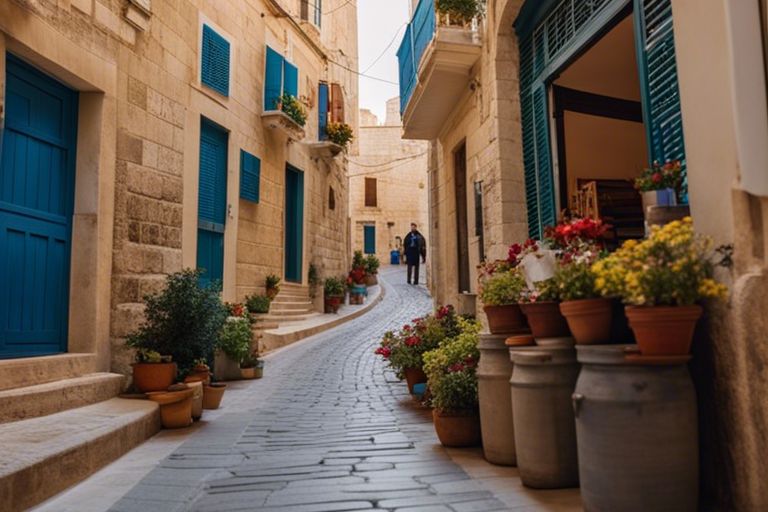
Heritage #Malta, an island nation in the #Mediterranean, is a treasure trove of #history, #culture, and natural beauty waiting to be explored. For travelers seeking an off-the-beaten-path adventure, there is no better way to experience the authentic Malta than through the eyes of a local guide. In this comprehensive guide, you will discover hidden gems, local #hotspots, and insider tips that will ensure your visit to Malta is truly unforgettable.
From wandering through ancient historical sites to savoring traditional Maltese cuisine, this guide will take you on a journey off the tourist trail and into the heart of Malta's vibrant local culture. Explore the charming villages, pristine beaches, and bustling markets that make Malta a unique destination unlike any other. Get ready to immerse yourself in the rich tapestry of Malta's history and tradition, guided by those who know it best.
Whether you're a history buff, a foodie, or simply a curious traveler, this guide will equip you with the knowledge and resources needed to experience Malta like a true local. So pack your bags, initiate on a journey of discovery, and get ready to uncover the authentic Malta that most tourists never get to see.





















Uncovering the Hidden Gems of Malta
Exploring less known historical sites
For those looking to truly experience the rich history of Malta beyond the popular tourist attractions, exploring less known historical sites is a must. You can uncover hidden gems such as the Tarxien Temples, a prehistoric site dating back to 3600 BC, or the impressive catacombs of St. Agatha’s Crypt in Rabat. These sites offer a glimpse into Malta’s ancient past and are often less crowded, allowing for a more intimate and authentic experience.
Exploring these lesser-known historical sites also provides a unique opportunity to learn about Malta’s diverse cultural influences, from the Phoenicians to the Knights of St. John. By delving into these hidden treasures, you can gain a deeper understanding of the island’s fascinating history and heritage.
Whether you are a history enthusiast or simply curious to explore off-the-beaten-path sites, immersing yourself in Malta’s lesser-known historical sites is sure to be a rewarding and enriching experience.
Discovering tranquil coastal spots
Assuming that the popular beaches in Malta may be overcrowded during peak tourist seasons, discovering tranquil coastal spots can offer you a peaceful retreat away from the crowds. Exploring hidden coves like Mgarr ix-Xini in Gozo or the charming fishing village of Marsaxlokk can provide you with a serene environment to relax and soak in the natural beauty of the Maltese coastline.
These lesser-known coastal spots are perfect for those seeking a more secluded and tranquil beach experience. You can enjoy crystal-clear waters, picturesque views, and a sense of tranquility that is harder to find at the more popular beaches. Whether you prefer sunbathing on the rocks or exploring underwater caves, these hidden coastal gems have something for every nature lover.
Immersing yourself in the serene surroundings of Malta’s undiscovered coastal spots can be a soothing and rejuvenating experience. Away from the hustle and bustle of the more touristy areas, you can truly unwind and appreciate the natural beauty of the Maltese archipelago.
Embracing the Maltese Cuisine
Traditional dishes and where to find them
Even while exploring the authentic charm of Malta, one cannot miss out on the delicious Maltese cuisine. The traditional dishes of this Mediterranean island are a true reflection of its cultural heritage and history. Some must-try dishes include fenkata (rabbit stew), pastizzi (flaky pastries filled with ricotta cheese or mushy peas), and ftira (a traditional Maltese bread topped with tomatoes, olives, capers, and tuna or anchovies).
When looking for authentic Maltese cuisine, be sure to visit local farmhouses or family-run restaurants in the villages rather than touristy areas. Places like Marsaxlokk, Mdina, and Xaghra are known for offering a true taste of Maltese flavors in a rustic and traditional setting.
For a truly immersive experience, consider participating in a cooking class where you can learn to prepare these traditional dishes yourself, using fresh, local ingredients. This hands-on approach will not only deepen your appreciation for Maltese cuisine but also provide you with valuable culinary skills to take back home.
Tips for experiencing an authentic Maltese meal
Now, if you want to research deeper into the Maltese culinary scene, there are a few tips to keep in mind. Firstly, be open to trying new flavors and ingredients that may be unfamiliar to you. Embracing the local cuisine is a deliciously immersive way to understand the culture of a place.
- Engage with locals to get recommendations on the best places to eat and hidden gems off the beaten path.
- Savor the food slowly, appreciating each bite and flavor profile, rather than rushing through the meal.
- End your meal with a traditional coffee or digestive liquor to complete the experience.
Thou shalt surely leave with a newfound appreciation for the vibrant and diverse Maltese cuisine.
Understanding the Maltese cuisine
Now, it's necessary to understand that Maltese cuisine is a unique blend of Mediterranean flavors with influences from Italian, Spanish, Arabic, and British cuisines. The heavy reliance on fresh seafood, local produce, and herbs makes Maltese dishes flavorful and aromatic.
One of the most popular and traditional dishes, fenkata, may not be suitable for vegetarians or vegans due to its focus on rabbit meat. However, there are plenty of other vegetarian-friendly options like bragioli (beef olives) and kaponata (a Maltese version of ratatouille).
Despite the communal style of eating in Maltese culture, portion sizes are often generous, so it's common to share dishes with your dining companions. Embrace the inviting and warm hospitality of the Maltese people as you indulge in their rich and flavorful culinary traditions.
Navigating Transportation Like a Local
Understanding public transport routes and schedules
You might find public transport in Malta a bit different from what you are used to, but once you grasp the system, it can be a convenient way to get around. Buses are the primary mode of public transportation, and they cover most of the island. The main bus terminal is in Valletta, making it easy to connect to different parts of Malta from there. Understanding the bus routes and schedules may seem daunting at first, but there are resources available online, such as route maps and timetables, to help you navigate the system like a local.
For a more personalized experience, consider hiring a driver or guide who can show you around the island and provide insights into the local culture and history. This option may be more expensive than public transport, but it offers convenience and flexibility in your itinerary. Taxis and ride-sharing services are also available in Malta, providing another option for getting around, especially if you prefer door-to-door service.
Exploring Malta by public transport allows you to immerse yourself in the local way of life and interact with residents. You can observe daily routines, learn the language, and discover hidden gems off the beaten path. Make sure to validate your ticket when boarding the bus and be prepared for some crowded rides during peak hours.
Factors to consider when renting a car or scooter
When considering renting a car or scooter in Malta, there are several factors to keep in mind to ensure a smooth and safe experience. Firstly, make sure you have a valid driver's license that is accepted in Malta. Renting a vehicle gives you the flexibility to explore the island at your own pace and visit remote locations that may not be easily accessible by public transport.
- Insurance coverage: Ensure that the rental vehicle has adequate insurance coverage to protect you in case of any accidents or damages.
- Road conditions: Be aware that roads in Malta can be narrow and winding, especially in rural areas. Drive cautiously and be prepared for unexpected obstacles.
- Parking: Finding parking in popular tourist areas or cities like Valletta can be challenging. Look for designated parking areas or garages to avoid fines or towing.
The freedom of having your own transportation in Malta allows you to explore hidden coves, picturesque villages, and historical sites at your leisure. However, it is imperative to familiarize yourself with local driving laws and road signs to ensure a safe journey. Perceiving the unique driving patterns and etiquette in Malta will help you navigate the roads confidently.
Delving Into the Maltese Language
Phrases to know for everyday communication
Keep in mind that Malta boasts a unique language – Maltese, alongside English. Learning a few basic phrases in Maltese can enhance your experience and help you connect with the locals on a deeper level. Simple greetings like “bonġu” for hello, “għandi gost” for please, and “grazzi” for thank you can go a long way in making interactions more meaningful.
It's important to note that the Maltese language is a blend of various influences, including Arabic, Italian, and English. This makes for an interesting linguistic landscape that reflects the diverse history of the Maltese islands. By familiarizing yourself with some key Maltese phrases, you can show respect for the local culture and demonstrate your interest in truly immersing yourself in the Maltese way of life.
Embrace the opportunity to practice these phrases with locals during your stay in Malta, and you'll likely be met with smiles and appreciation for your efforts to engage with the language and immerse yourself in the authentic Maltese culture.
The role of language in experiencing culture
While English is widely spoken in Malta, especially in tourist areas, delving into the Maltese language allows you to access a deeper layer of the local culture and heritage. Language serves as a key to unlocking insights into the Maltese way of life, traditions, and values. By making an effort to communicate in Maltese, you show your respect for the rich tapestry of Malta's linguistic history.
Understanding the nuances of the Maltese language can also provide you with a greater appreciation for the island's cultural expressions, such as traditional folk songs, proverbs, and idioms that are deeply rooted in the language. Taking the time to learn a few phrases and understand the context behind them can enrich your overall experience in Malta and offer you a more profound connection to the local community.
Participating in Local Festas and Events
Despite the small size of Malta, the island is known for its vibrant local festas and events that allow visitors to immerse themselves in Maltese culture. These celebrations are deeply rooted in tradition and are a key aspect of local life. Attending a festa is a fantastic way to experience the authentic Malta and witness the islanders' passion for their heritage.
A how-to guide for festa etiquette
Local festas are religious celebrations that hold great importance to the Maltese people. When attending a festa, remember to dress modestly and respectfully as a sign of reverence. It's also customary to greet the locals and participate in the festivities with enthusiasm. Be mindful of the noise levels during the processions as silence is often appreciated during certain parts of the ceremonies.
Respect the traditions and customs of the festa, such as not interrupting the religious rituals and refraining from inappropriate behavior. If you are invited into a local's home during the festa, it is considered polite to bring a small gift as a token of appreciation. By observing these etiquettes, you will be welcomed warmly into the community and have a truly authentic experience.
Participating in the local festas is a unique opportunity to witness the strong community bonds and the rich cultural heritage of Malta. Embrace the festive spirit, savor the traditional delicacies, and join in the revelry to make the most of your festa experience and create lasting memories of your time in Malta.
Calendar of must-experience events
You cannot miss the Valletta International Baroque Festival, a celebration of Baroque music held in various historic venues across the capital city. Another highlight is the Malta International Fireworks Festival, where you can witness spectacular pyrotechnic displays lighting up the night sky. For a taste of local traditions, attend the Għanafest, a festival celebrating Maltese folk music and arts.
Make sure to mark your calendar for the Mnarja – a traditional Maltese feast held in honor of St. Peter and St. Paul in June, featuring folk singing, dancing, and horse racing. The Birgufest in October is another must-visit event, transforming the historic city of Birgu into a lively hub of music, food, and heritage activities.
Immerse yourself in the vibrant cultural scene of Malta by attending these must-experience events throughout the year. From music festivals to religious celebrations, each event offers a unique insight into the Maltese traditions and customs, providing an unforgettable experience for visitors seeking an authentic taste of Malta.
Shopping in Malta: From Crafts to High Street
Not just a sunny destination known for its beaches and historical sites, Malta is also a shopping haven for those looking to take a piece of the island's culture and craftsmanship back home. From artisanal products to high-street fashion brands, the shopping scene in Malta caters to all tastes and preferences.
Where to find artisanal products and souvenirs
Shopping for artisanal products and souvenirs in Malta is a delight for those seeking unique and handcrafted items. Visit the numerous craft markets and shops scattered across the island to discover intricate lacework, beautiful ceramics, and intricate filigree jewelry. The village of Ta' Qali is a must-visit for those interested in traditional Maltese crafts, with artisanal workshops offering one-of-a-kind souvenirs to take back home.
For a more modern take on local craftsmanship, explore the boutique stores in Valletta and Sliema, where you can find contemporary designs inspired by the Maltese heritage. Look out for handmade leather goods, organic skincare products, and locally produced gourmet food items that make for excellent gifts or keepsakes.
Don't miss the opportunity to visit Mdina Glass in Ta' Qali, where you can witness skilled artisans creating colorful glassware using traditional techniques. This unique experience allows you to see the craftsmanship up close and purchase stunning glass creations to adorn your home or gift to loved ones.
How to navigate the main shopping areas effectively
An necessary tip for navigating the main shopping areas in Malta is to plan your visit strategically. Start your shopping spree in Valletta, the capital city, where you can explore the charming streets lined with a mix of high-street brands and local boutiques. The bustling Merchant Street and Republic Street are excellent spots to find everything from fashion to homeware.
When in Sliema, take a leisurely stroll along the promenade and browse the stylish shops and designer stores that offer the latest trends in fashion and accessories. For a more relaxed shopping experience, visit The Point Shopping Mall, Malta's largest shopping center, where you can find a wide range of international brands under one roof.
Don't forget to haggle when shopping at the local markets and independent stores in Malta. While prices are generally fixed in malls and established shops, you can try your hand at bargaining for a better deal when purchasing artisanal products or souvenirs from smaller vendors.
Finding the Perfect Accommodation
After deciding to visit Malta for an authentic experience, the next step is finding the ideal accommodation that will enhance your stay. Whether you prefer a bustling city vibe or a more serene seaside retreat, choosing the right location is crucial. Here are some tips to help you narrow down your options and find a place that suits your travel style:
Tips for choosing a location that suits your travel style
- Research extensively on the different areas of Malta to understand their unique charms and attractions.
- Consider your preferences – do you want easy access to nightlife, historical sites, or tranquil beaches?
- Look into transportation options to ensure you can easily explore the island from your chosen location.
Assume that a central location like Valletta, the capital city, provides easy access to historical sites and cultural experiences, while coastal towns like Marsaxlokk offer a more relaxed seaside atmosphere.
FAQs
What are some hidden historical sites to visit in Malta?
Hidden historical sites in Malta include the Tarxien Temples, which date back to 3600 BC, and the catacombs of St. Agatha’s Crypt in Rabat. These sites offer a more intimate experience compared to the popular tourist attractions.
Where can I find tranquil coastal spots in Malta?
Tranquil coastal spots in Malta include Mgarr ix-Xini in Gozo and the fishing village of Marsaxlokk. These locations provide serene environments with crystal-clear waters and picturesque views, away from crowded beaches.
What are must-try traditional Maltese dishes?
Must-try traditional Maltese dishes include fenkata (rabbit stew), pastizzi (flaky pastries with ricotta or mushy peas), and ftira (Maltese bread with toppings like tomatoes and olives). These dishes reflect Malta’s rich culinary heritage.
How can I experience Malta’s local festas?
To experience Malta’s local festas, dress modestly, greet locals warmly, and participate in the festivities. Be respectful of religious rituals and consider bringing a small gift if invited into a local's home.
What should I know about navigating public transport in Malta?
Public transport in Malta is primarily by bus, with the main terminal in Valletta. Familiarize yourself with bus routes and schedules, and consider hiring a driver or using taxis for more flexibility. Ensure to validate your bus ticket and be prepared for crowded rides during peak times.

Michael
With nearly 30 years in corporate services and investigative journalism, I head TRIDER.UK, specializing in deep-dive research into gaming and finance. As Editor of Malta Media, I deliver sharp investigative coverage of iGaming and financial services. My experience also includes leading corporate formations and navigating complex international business structures.
Related Posts
Malta luxury travel demand rises
April 11, 2026

Spring travel trends favor Malta
April 10, 2026
Malta welcomes older travellers
April 9, 2026
Malta’s heritage in spring
April 8, 2026
Malta spring tourism campaigns
April 7, 2026
Spring travel lifts Malta operators
April 6, 2026
Spring culture fuels Malta tourism
April 4, 2026
Airbnb demand rises in Malta spring
April 3, 2026

Spring tourism drives Malta’s rentals
April 2, 2026