

















Bank account freezes and judicial oversight in practice
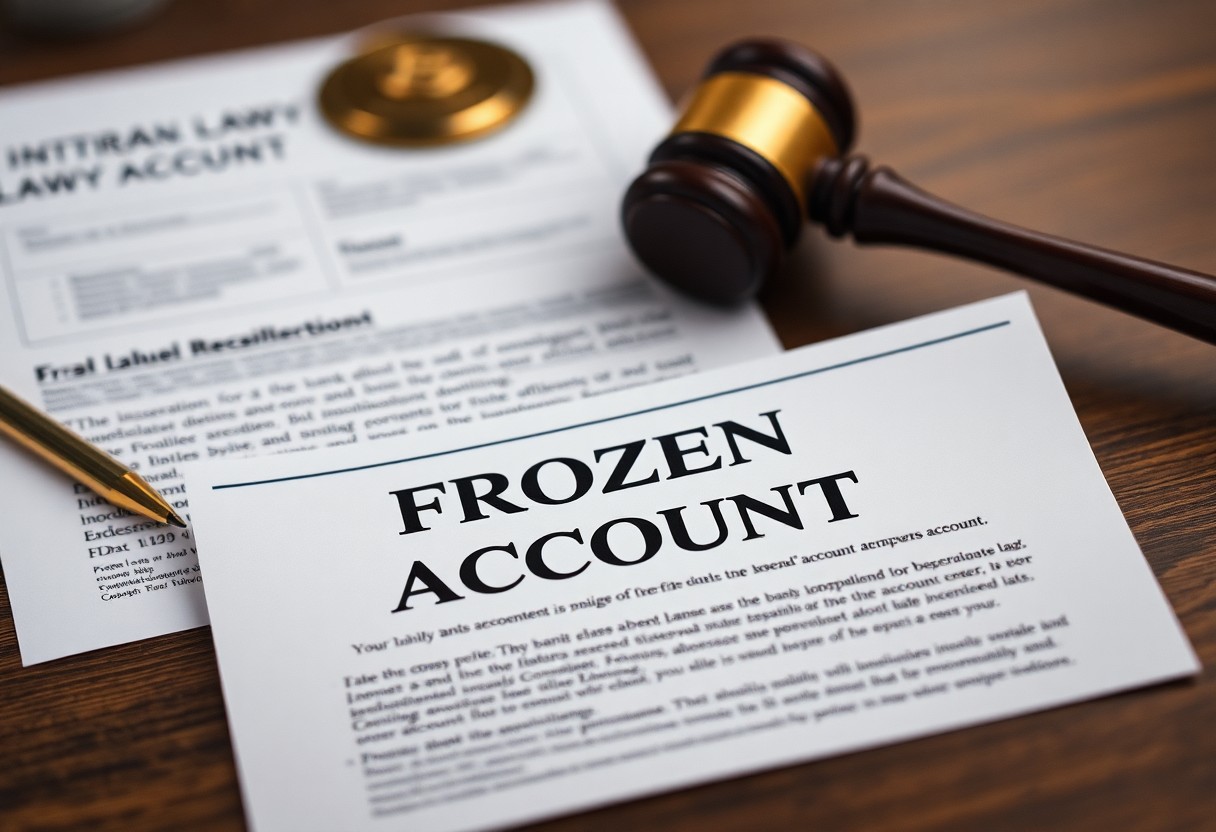
Oversight of bank account freezes is necessary for maintaining a balance between financial security and individual rights. In this blog post, we will examine the legal frameworks that govern the freezing of bank accounts, the role of judicial oversight in ensuring fairness, and the implications for account holders. By understanding the processes and regulations involved, individuals can better navigate the complexities of financial management and protect their assets from unwarranted actions by financial institutions or legal authorities.
The Legal Framework of Bank Account Freezes
Statutory Authorities for Freezes
Bank account freezes are primarily governed by statutes that empower regulatory bodies and law enforcement agencies to act in the interest of justice and financial integrity. In the United States, for instance, the Bank Secrecy Act (BSA) mandates financial institutions to report suspicious activities that may indicate money laundering or fraud. The Internal Revenue Service (IRS), the Financial Crimes Enforcement Network (FinCEN), and other regulatory entities have the authority to issue freeze orders under specific circumstances. Moreover, the USA PATRIOT Act enhances these powers, allowing for expedited investigative processes against entities suspected of terrorist financing or money laundering. These statutes create a framework that, while intended to protect the financial system, may also lead to significant impacts on individuals with legitimate accounts.
Various state laws complement federal statutes, allowing local authorities to enact freezes in cases involving domestic violence, child support, or tax delinquencies. For example, some states have laws that enable creditors to claim funds directly from a debtor's account upon obtaining a court order. In these situations, the statutory authority to freeze bank accounts relies heavily on the ability of the creditor to demonstrate a legitimate claim against the funds. Depending on the jurisdiction, the threshold for issuing a freeze can vary, often influenced by the severity of allegations or the potential for loss to the claimants. These disparate frameworks create a landscape where individuals may find their funds inaccessible without formal accusation of wrongdoing, raising questions of due process.








Judicial Orders and Their Implications
Judicial involvement in the bank account freeze process typically comes into play when law enforcement seeks a court order to restrain funds during an ongoing investigation or litigation. Courts can issue these orders based on evidence presented by the requesting party, which may range from claims of fraud to potential violations of financial regulations. A significant aspect of these orders is the requirement for a compelling demonstration of the likelihood of success on the merits of the case, alongside potential harm if the freeze is not enacted. The implications are profound for affected parties, as they often find access to their own funds abruptly halted, leading to broader financial repercussions.
The duration of judicial freezes can vary widely, often leading to situations where funds remain inaccessible for extended periods. Depending on the complexity of the case and the judicial system's efficiency, these freezes can last from a few weeks to several months or longer. For instance, the case of *United States v. $124,700 in U.S. Currency* illustrates how a judicial freeze can ensnare innocent individuals in the legal crossfire. Here, the funds were tied up for over a year while the court determined the legitimacy of criminal allegations. Ultimately, not only does this extend the financial anxiety for individuals, but it also places unwarranted pressure on them to clear their names amid often drawn-out legal battles. The intersection of judicial oversight and statutory authorities in freezes highlights the need for robust legal standards to protect individuals' rights in the face of potentially overreaching asset seizures.
Triggers for Account Freezes: What You Need to Know
Criminal Investigations and Fraud Allegations
Authorities can initiate a bank account freeze when a criminal investigation is underway, particularly in cases involving fraud allegations. For instance, if a person's account is linked to suspicious activities such as money laundering, the financial institution must act swiftly to comply with legal requests. Law enforcement may obtain a court order to freeze the account while further investigations are conducted, preventing the potential dissipation of assets. Individuals may find themselves unaware of any wrongdoing until they attempt to withdraw funds, only to discover their account access has been obstructed.
Fraud allegations can arise from various circumstances, such as identity theft or unauthorized transactions. Banks are required to report any suspicious activity under regulatory laws like the Bank Secrecy Act. Victims of fraud may also face account freezes as their banks scramble to secure funds against potential losses. This paves the way for a swift investigation but can leave accountholders in a precarious financial situation, often prompting immediate inquiries about their rights and options for addressing the freeze.
Civil Judgments and Debt Collection Processes
Civil judgments can lead to account freezes when a creditor successfully obtains a legal ruling against a debtor. In situations where a debtor has failed to settle outstanding debts, creditors may petition the court for a writ of garnishment or similar order, which authorizes the bank to freeze the debtor's account. Depending on state laws, the freezing process can be rapid, sometimes occurring within days of a judgment, leaving individuals scrambling to address their financial requirements without immediate access to their funds.
Bank policies and state regulations vary regarding the amount that can be frozen. Often, only a portion of funds can be seized, especially if there are protections in place for certain types of income, such as Social Security benefits or unemployment payments. The details surrounding the judgment—including the creditor's ability to enforce compliance—drastically influence how quickly and thoroughly an account can be frozen in response to outstanding debts.
In civil judgments and debt collection, organizations often utilize various tools to ensure compliance with court orders. Additional legal mechanisms, such as lien placements and property attachments, may accompany a bank account freeze to safeguard creditors' interests. This combination illustrates a systematic approach to enforce debt recovery, highlighting the potential disruption individuals can face when entangled in financial disputes. Despite protections available to debtors, it's important to understand the specifics of local laws regarding exemptions and the extent to which creditors can pursue recovery through account freezes.
The Role of Financial Institutions in the Freezing Process
Compliance Obligations of Banks
Financial institutions operate under stringent compliance obligations when it comes to the freezing of accounts. These obligations stem from federal and state laws, which mandate banks to act promptly upon receiving a valid court order or notice from law enforcement agencies. Institutions must meticulously scrutinize the requests and adhere to the specifications provided, ensuring that only the necessary accounts are affected. Failure to comply accurately could result in legal repercussions for the institution, including liability for any damages incurred by the account holders due to improper freezes.
Additionally, banks are required to maintain records of all account freezes. This documentation serves as a fundamental part of regulatory audits and helps ensure that institutions are meeting their compliance standards. Records typically include details of the initiating authority, the reason for the freeze, and transaction histories prior to the freeze. Regular audits and compliance checks enhance the credibility of financial institutions while protecting them from potential liabilities.
Internal Protocols for Handling Freezes
Internal protocols play a critical role in how financial institutions manage account freezes efficiently. Most banks develop comprehensive guidelines that outline the steps personnel must follow once notified of a freeze. These procedures often include verifying the legitimacy of the freeze, categorizing the freeze type, and determining its duration. For instance, a temporary freeze may allow specific transactions, while a more permanent freeze prohibits all activity. Employees typically go through training sessions to ensure they fully understand these protocols.
Strict adherence to internal protocols ensures consistency and accountability within operations. For example, a bank may employ a dedicated compliance team specialized in handling such cases, demonstrating a proactive approach to financial governance. In addition, clear communication channels are established, enabling quick escalation of issues and minimizing potential harm to customers. Institutions that routinely update their protocols, based on evolving legal standards and operational efficiencies, demonstrate their commitment to best practices in financial compliance.
Judicial Oversight: Balancing Rights and Regulation
The Process for Contesting a Freeze
Individuals whose accounts have been frozen due to suspected illegal activity or a pending investigation have the right to contest the freeze through a formal process. This usually begins with the affected party submitting a request for a hearing or filing a motion in a relevant court. Within this motion, the individual must articulate their reasons for contesting the freeze, providing compelling evidence that counters the claims made by the financial institution or law enforcement that justified the action. Each jurisdiction may have specific forms and deadlines, which vary significantly, ensuring that this process is navigated carefully to avoid additional complications.
The court then reviews the submitted documents and, in many cases, may schedule a hearing where both parties have the opportunity to present their evidence and arguments. During this process, it's not uncommon for the judge to impose a temporary release of funds or place certain restrictions on the account until a final decision is made. The goal of this judicial oversight is to afford protection and due process to the account holder while upholding the integrity of ongoing investigations where necessary.
The Role of Courts in Safeguarding Consumer Rights
Courts play an indispensable role in the protection of consumer rights when it comes to bank account freezes. Judicial oversight ensures that actions taken by financial institutions or government authorities do not violate individuals' rights. By enforcing constitutional principles such as due process, courts are tasked with evaluating the legitimacy of a freeze against the backdrop of the law. If a financial institution or government action appears excessive or unfounded, the courts have the authority to lift the freeze, thus safeguarding the consumer's access to their funds and the principle of fair treatment under the law.
This judicial review is pivotal, as it not only reflects on individual cases but also sets important precedents for future actions concerning financial regulations. For instance, high-profile cases have arisen where individuals have successfully challenged the legality of freezes, leading to clarifications on the standards required for imposing such significant restrictions on personal assets. Through this continued scrutiny, courts maintain a critical balance between the need for regulatory measures and the protection of personal liberties.
The Consumer Experience: Navigating Account Freezes
Immediate Steps to Take After a Freeze
Receiving notification of a bank account freeze can be bewildering and stressful. First, confirm the details directly with your bank. They will be able to provide specific information about the freeze, including the reason it was initiated and the governing authority behind it. Understanding whether the freeze is linked to criminal activities, overdue debts, or another issue is imperative. This knowledge will dictate your next steps in resolving the matter. Having documentation handy, such as bank statements or past communications with creditors, may prove beneficial during discussions with your bank or financial institution.
Next, act promptly to communicate with the relevant authorities or legal bodies. If the freeze is due to an ongoing investigation or has originated from a court order, determining the jurisdiction and the specifics of the investigation will be pivotal. Reach out to your attorney or seek legal guidance to ascertain your rights and understand if any immediate actions can be taken to expedite the release of funds. Pro-active measures often assist in alleviating the situation more swiftly.
Legal Resources and Support for Affected Consumers
Navigating the complexities of a bank account freeze often necessitates legal support, particularly for consumers who feel their rights have been violated. Various organizations offer resources that can help individuals in these situations. For instance, the National Consumer Law Center provides extensive information on consumer laws and rights, while individuals may also explore local legal aid societies that specialize in consumer issues. Many states have specific consumer protection offices dedicated to assisting residents who encounter financial difficulties stemming from issues like account freezes.
Accessibility to expert legal aid can make a significant difference. Some law firms specialize in banking and consumer rights and are equipped to advise affected clients on the best course of action. Legal services may include assistance in filing appeals against unjust account freezes or representation in cases of identity theft or wrongful accusations. Additionally, specific online platforms exist that connect consumers with attorneys offering initial consultations, often free of charge, providing a pathway to understanding how best to navigate the challenges posed by bank account freezes.
Implications of Account Freezes on Financial Health
Short-term and Long-term Effects on Individuals
Experiencing an account freeze can significantly disrupt an individual's financial stability, particularly in the short term. Immediate effects often include an inability to access funds for everyday expenses such as groceries, rent, and utilities. Individuals may find themselves scrambling to rearrange finances, leading to late payments and potential fees that can compound their financial troubles. For instance, a client unable to pay their mortgage on time due to a frozen account could face penalties, an increased interest rate, or even foreclosure, resulting in long-lasting damage to their credit score.
In the long term, the repercussions can be even more severe. The stigma associated with account freezes, whether due to legal entanglements or suspected criminal activity, can deter future lenders and impact an individual's ability to secure loans or credit. Additionally, the psychological stress of financial insecurity often leads to adverse effects on mental health, potentially resulting in diminished productivity at work or strained relationships. Over time, individuals may find themselves trapped in a cycle of financial instability, relying on high-interest loans or credit cards just to manage basic necessities.
The Broader Economic Impact on Banking and Commerce
The implications of account freezes extend beyond individual consumers, affecting the banking sector and general commerce as well. Financial institutions that frequently initiate account freezes may face increased operational costs as they navigate compliance with regulations and manage customer relations. For example, the legal resources required to handle disputes and clarifications regarding account freezes can divert funds from other investments that could drive profitability. This can lead to higher fees for consumers, further exacerbating financial stress on those already affected.
Additionally, when account freezes become a prevalent concern within communities, overall consumer confidence takes a hit. Situations where people are unable to access their funds can lead to decreased spending, impacting local businesses reliant on consumer transactions. According to research from the American Bankers Association, a considerable rise in account freezes can correlate with a slowdown in economic growth within affected areas, as reduced spending leads to fewer transactions and less revenue for businesses. Moreover, as banks adjust their risk assessment strategies, individuals often face stricter lending criteria, making it challenging for those impacted to recover economically.
Best Practices for Individuals and Businesses
Proactive Measures to Prevent Account Freezes
Establishing a comprehensive understanding of the factors that can lead to account freezes is fundamental for both individuals and businesses. Regular monitoring of your financial transactions can help you detect any irregularities early on. Setting alerts for significant withdrawals or unusual activity can equip you with immediate insights, allowing potential issues to be addressed swiftly. Further, maintaining accurate and updated personal information with banks reduces the risk of account freezes due to identity verification issues. For businesses, implementing robust compliance programs that ensure adherence to regulatory requirements mitigates risks tied to investigations or accusations of financial misconduct.
In addition to proactive monitoring, having a clear communication strategy with banks can set the stage for quick resolutions in the event of a freeze. This involves establishing a relationship with your bank's fraud prevention team, which can be a critical asset when issues arise. Businesses, in particular, benefit from regular training sessions for employees on compliance protocols and best practices in financial management, ensuring everyone from accounts payable to upper management understands the risks and responsibilities associated with maintaining an active bank account.
Effective Strategies for Managing Notification from Banks
Receiving notifications from banks often signals that immediate action is required, especially when they pertain to potential account freezes. Developing a protocol for responding to these notifications can save time and reduce stress. For individuals, organizing important financial documents and maintaining easily accessible records of account usage can aid in resolving discrepancies swiftly. Cultivating a habit of checking emails and texts regularly, especially those from your bank, ensures that you remain informed on any operational issues affecting your account. Having a designated point person within a business to handle these notifications can also streamline communication and facilitate prompt action in response to alerts.
Having a checklist of steps to follow upon receiving a notification can enhance preparedness and reduce panic. For instance, individuals should verify the sender's authenticity, gather relevant account details, and reach out to the bank directly to clarify the situation. Businesses can establish an internal communication channel to relay information promptly to the concerned departments, such as accounting and legal teams, thus ensuring that everyone is on the same page and can contribute to resolving the matter effectively. By implementing these strategies, both individuals and businesses can navigate the complexities of bank notifications with confidence and clarity.
Future Trends: The Evolving Landscape of Banking Oversight
Technology and Account Freezes: What's on the Horizon?
As financial institutions increasingly adopt advanced technologies such as artificial intelligence and machine learning, the processes surrounding account freezes are set to undergo significant transformations. Predictive analytics can aid banks in swiftly assessing the risk of fraud or criminal activity, potentially automating decisions surrounding account holds. For instance, AI algorithms can analyze transaction patterns in real-time, flagging suspicious behavior far more efficiently than traditional methods. This could lead to faster, more accurate account freezes that minimize the impact on innocent customers, allowing banks to balance security concerns with consumer convenience.
Moreover, blockchain technology holds promise for transparent tracking of transactions, creating immutable records that could deter fraud. Should banks integrate blockchain methods into their risk management processes, it might enhance trust and accountability within the system. Customers could receive real-time notifications regarding the status of their accounts or alerts on transactions deemed suspicious, increasing their overall awareness and control over their financial resources.
Legislative Changes and Consumer Protection Movements
Legislative reforms are shaping the future landscape of banking oversight, especially as consumer protection becomes a focal point of regulation. Recent proposals call for stricter guidelines on how banks handle account freezes, ensuring that customers are given ample justification for any action taken. Innovatively, advocates for consumer rights are pushing for laws that mandate a review process, potentially introducing mechanisms for independent oversight. As a result, not only would individuals benefit from clearer communication, but financial institutions would also enhance transparency and accountability.
Legislative attention is increasingly directed at aligning financial regulations with the needs of modern consumers. The proposed legislation often includes provisions that require banks to provide clear disclosures about why accounts may be frozen and the recourse available to customers. In some jurisdictions, efforts are underway to establish consumer advocacy boards that give a voice to the public in financial regulatory discussions, encouraging a collaborative approach to creating fair banking practices. This shift aims not only to protect consumer rights but also to restore public trust in financial systems, balancing the banks' need to mitigate risks with consumer freedoms.
Summing up
To wrap up, the practice of bank account freezes plays a significant role in the broader context of financial governance and law enforcement. While these freezes are typically initiated to safeguard funds that may be linked to illegal activities or pending legal actions, they often raise important questions regarding the balance between individual rights and the need for judicial oversight. In many jurisdictions, judicial involvement is important to ensure that such freezes are justified, proportionate, and time-bound. This oversight serves to mitigate potential abuses, providing individuals with legal recourse to challenge unjust freezes that may adversely affect their financial stability.
Furthermore, the effectiveness of this oversight hinges not only on the legal frameworks in place but also on the timely and transparent processes established by financial institutions and judicial bodies. As financial fraud activities evolve, the methodologies surrounding account freezes must also adapt, necessitating ongoing dialogue and reform among stakeholders. Ultimately, a well-regulated environment, guided by clear policies and robust judicial review, is vital for maintaining public trust and ensuring that the mechanisms designed to protect society do not inadvertently infringe upon individual rights.

Paula Nancy
Hello and Welcome to my profile. I'm a UK based entrenched full-time Blogger, Journalist, columnist and a certified writer with many years of sound writing experience. If you need a high-quality and original content, I'm here to provide you with the best writing services.
Related Posts

The real cost of nominee networks for banks
January 14, 2026

Why Swiss Banks Are Courting Maltese Fund Managers
January 10, 2026

How Malta’s Banks Screen High-Risk Clients in 2025
January 10, 2026

Open banking for KYC in Malta’s casinos – what works today
January 9, 2026

Is the Banking Union Really Helping Small Jurisdictions
January 2, 2026

Why Crypto Firms Still Struggle with Banking in the EU
December 31, 2025

How EU Banks Detect Risk in Complex Holding Structures
December 27, 2025

How Regulatory Arbitrage Shapes Europe’s Banking Map
December 24, 2025

Inside the Corporate Banking Bottleneck in Valletta
December 23, 2025