Bank failures and deposit guarantee triggers in Malta
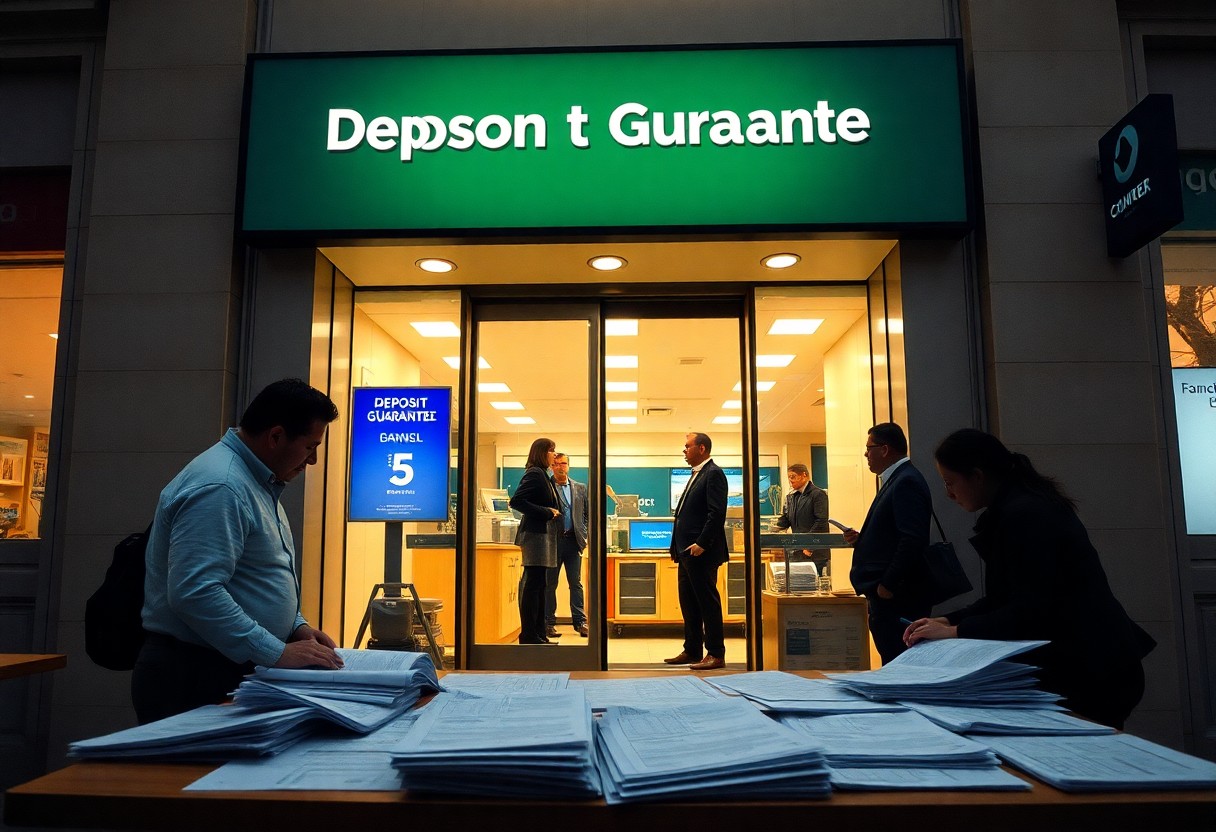
Guarantee mechanisms are in place in Malta to protect depositors in the event of bank failures. Understanding these deposit guarantee triggers is necessary for consumers and investors alike, as they outline the safeguards that ensure the safety of savings. This blog post will explore into the regulatory framework governing deposit guarantees in Malta, examine recent instances of bank failures, and elucidate the processes that activate these protective measures. By gaining insight into this critical aspect of the banking landscape, stakeholders can better navigate the financial ecosystem and safeguard their assets.
The Economic Landscape of Malta's Banking Sector
Historical Context and Evolution of Banking in Malta
Malta's banking landscape has undergone significant transformation over the decades, transitioning from a predominantly local and limited banking system to one that is integrated into the European financial framework. Established as a British colony in the 19th century, the banking sector initially catered primarily to the needs of local trade and colonial governance. The establishment of the Central Bank of Malta in 1968 marked a pivotal moment, granting greater autonomy and a regulatory framework for banking operations, which laid the groundwork for modern practices. Over the years, liberalization reforms in the late 20th century enabled foreign banks to enter the Maltese market, fostering competition and enhancing the diversity of financial services available to consumers and businesses alike.
In the early 2000s, Malta's accession to the European Union introduced a new era for its banking sector, aligning it with EU regulations and standards. This shift not only attracted international banks but also facilitated Maltese banks in expanding their services across borders, leveraging Malta's strategic geographical position and its commitment to regulatory compliance. The introduction of the euro in 2008 further solidified Malta as a financial hub within the eurozone, allowing for smoother transactions and financial stability amidst global economic changes.





















Recent Economic Shifts and Their Impact on Banking
The recent economic landscape in Malta reflects a dynamic interplay of growth and instability, influenced by various global factors and domestic policies. The effects of the COVID-19 pandemic posed challenges to the banking sector, including increased default risks and a need for liquidity management. However, the economic recovery has shown signs of resilience, driven by sectors such as tourism, technology, and financial services. The vibrant growth observed in the tech sector, particularly in FinTech and Digital Banking, has compelled traditional banks to adapt by enhancing their digital offerings and securing robust cybersecurity measures to maintain consumer trust.
In recent years, the Maltese banking sector confronted regulatory pressures stemming from both localized scrutiny and broader EU directives aimed at mitigating risks associated with money laundering and financial crimes. This has resulted in banks intensifying their compliance measures, often at the expense of efficiency. As the industry adapts to these shifts, a notable trend is the growing importance placed on sustainability and green financing initiatives, reflecting a global movement towards responsible banking practices. Continued adaptation to a transformative environment will be vital for sustaining competitiveness and fostering long-term growth in Malta's banking sector.
Defining Bank Failures in Malta
Criteria for Measuring Bank Solvency
Bank solvency is determined by assessing a financial institution's ability to meet its long-term obligations. In Malta, several criteria are used to gauge solvency, including the capital adequacy ratio (CAR), which compares a bank's capital to its risk-weighted assets. The minimum regulatory CAR requirement under EU directives is set at 8%, but many institutions in Malta maintain a higher ratio to buffer against financial volatility. Another vital aspect is the Tier 1 capital ratio, focusing on the bank's core capital, which signifies the financial strength available for absorbing losses. A drop below the stipulated thresholds can signify financial distress and raise concerns about the bank's long-term viability.
In addition to these quantitative measures, qualitative factors such as management competency and operational strategies play a significant role in determining a bank's solvency. Regular stress tests conducted by the Central Bank of Malta assess how well these banks can withstand economic shocks or downturns, providing further insight into their overall financial health. A combination of these criteria offers a comprehensive view of a bank's ability to survive in a challenging fiscal environment.
Key Indicators of Financial Instability
Identifying financial instability requires monitoring various key indicators. One of the primary indicators is the Non-Performing Loans (NPL) ratio, which measures the percentage of loans that are in default or close to default in a bank's portfolio. A rising NPL ratio usually signals underlying issues in credit risk management, potentially leading towards insolvency. Malta historically maintains a low NPL ratio compared to European averages, but any increase in this metric could trigger concerns about the stability of its banks.
Another crucial indicator is liquidity ratios, particularly the liquidity coverage ratio (LCR), which ensures a bank has sufficient liquid assets to meet its short-term liabilities. Banks in Malta are currently required to maintain a minimum LCR of 100%, reflecting the emphasis placed on liquidity in an evolving financial landscape. Should there be a decline in these indicators or a drastic fluctuation in market confidence, financial instability remains a tangible threat.
Market confidence also plays an often-overlooked role in financial stability. Even when quantitative indicators look favorable, shaken investor confidence can lead to sudden withdrawals and instability. A bank that appears solvent might face a liquidity crisis when customers sense trouble, causing index fluctuations. In Malta, past indicators have prompted regulatory bodies to act swiftly to safeguard the banking sector and reassure the public about the robustness of the domestic financial system.
Triggers of Deposit Guarantee Mechanisms
The Role of European Banking Union Regulations
The European Banking Union plays a significant role in harmonizing the regulatory framework across member states, including Malta. This institution oversees the implementation of the European Deposit Insurance Scheme (EDIS), which aims to protect depositors by covering deposits up to €100,000 in the event of a bank failure. The regulations set forth by the Banking Union ensure that banks maintain rigorous capital adequacy standards and that sufficient mechanisms are in place to trigger the deposit guarantee in case of insolvency. As such, the triggers for the deposit guarantee are firmly linked to the underlying stability of the banking sector, monitoring both economic indicators and individual bank health.
These regulations lead to a cohesive approach among European nations, where the failure of a bank in Malta could prompt immediate assessments of its impact on regional financial stability. Defined triggers include circumstances where the national supervisor assesses that a bank is unable to meet its obligations. In this atmosphere of enhanced scrutiny, the transition from potential bank stress to formal failure can invoke rapid response measures, ensuring that depositor interests are prioritized and protected under a unified framework.
Malta's National Deposit Guarantee Scheme
Malta operates its own National Deposit Guarantee Scheme, which is designed to complement the regulations established by the European Banking Union. This scheme guarantees depositors against the loss of their deposits should their bank become insolvent. Under Malta's framework, eligible deposits are secured up to a limit of €100,000 per depositor, per bank, similar to the European standard. The scheme is funded through contributions from financial institutions operating within Malta, which helps build a safety net that can be activated in cases of bank failures.
The National Deposit Guarantee Scheme serves as a vital safety measure for depositors in Malta, particularly in turbulent economic periods or heightened financial uncertainties. As of the latest data, the scheme has accumulated substantial reserves, allowing it to provide swift responses should a bank encounter severe financial distress. The cooperative relationship between Malta's scheme and European regulations not only enhances depositor confidence but also reinforces the integrity of Malta's financial system as a whole.
Exploring High-Profile Bank Failures in Malta
Analysis of Recent Bank Failures and Their Causes
Malta has witnessed a series of notable bank failures in recent years, with the collapse of Pilatus Bank being one of the most prominent cases. Established in 2014, Pilatus Bank became embroiled in controversy as it faced allegations of money laundering and regulatory non-compliance, ultimately leading to its closure by the Central Bank of Malta in 2018. Financial mismanagement, a lack of transparency in operations, and insufficient regulatory oversight contributed significantly to its downfall, spotlighting vulnerabilities in the local banking sector. Pilatus served as a cautionary tale, illustrating the risks associated with banks that operate under weakened governance frameworks.
Another significant event was the failure of Malta's own Banco di Sardegna in 2020. Although not as widely publicized as Pilatus, this bank's insolvency highlighted operational weaknesses exacerbated by the economic downturn resulting from the COVID-19 pandemic. The combination of over-leveraging, poor credit risk assessments, and an unsustainable business model culminated in its inability to meet depositor demands. The divergent trajectories of these banks underscore the complex interplay of external factors, regulatory environments, and management practices leading to bank failures in Malta.
Responses from Regulators and the Public
In the wake of these high-profile failures, regulators in Malta have taken decisive steps to reinforce the integrity of the banking system. The Central Bank of Malta, along with the Financial Services Authority (MFSA), has implemented stricter oversight measures and enhanced compliance requirements aimed at improving governance standards and operational transparency in financial institutions. This includes regular stress testing and implementing more rigorous risk assessment protocols to identify potential threats before they escalate into crises.
The public's reaction to these bank failures has been one of concern and mistrust, leading to calls for greater accountability within the banking sector. Depositors have expressed fears over the safety of their savings, prompting increased interest in the deposit guarantee scheme provided by the government, which guarantees deposits up to €100,000. Public discourse has also shifted towards advocating for transparency and improved communication from banks regarding their financial health, pushing for an informed depositor base that can make better decisions regarding their financial institutions of choice.
The regulators' responses, coupled with the public's demand for accountability and transparency, are steering Malta towards a more robust banking framework. This ongoing collaboration may foster a culture of compliance within local banks, reducing the risk of future failures and restoring public confidence in the financial system.
The Aftermath: Recovery and Compliance Strategies
Measures Taken Post-Failure by Affected Banks
In the wake of bank failures in Malta, affected institutions have made concerted efforts to restore their credibility and operations. Initiatives include the restructuring of their governance frameworks and bolstering risk management protocols. For instance, banks faced with insolvency enacted comprehensive internal audits to evaluate their financial health thoroughly and identify vulnerabilities that led to the crisis. This approach enabled them to align their operations with best practices and implement lessons learned from the fallout.
Additionally, most compromised banks reached out to their depositors with transparent communication, assuring them of their commitment to safeguarding deposits amidst the challenging circumstances. Some banks even engaged in goodwill gestures, such as offering higher interest rates on new deposits or loans to lure back customers and rebuild trust in their services. This proactive strategy helped mitigate potential long-term damage to their reputations and customer relationships.
Regulatory Changes and Increased Safeguards
Regulatory bodies have responded to the bank failures by amending existing frameworks and introducing stricter compliance measures. The implementation of additional capital requirements has become a priority to ensure that banks maintain a sufficient buffer against sudden failures. Following the failures, the demand for greater transparency in financial reporting led to the establishment of more stringent audit processes, ensuring regulators have better oversight of bank operations.
Moreover, the introduction of a comprehensive stress testing regime has equipped banks with tools to measure their resilience against economic downturns and unforeseen financial shocks. These rigorous evaluations enable both banks and regulators to identify weaknesses before they escalate into crises. Regulatory bodies have also prioritized enhancing deposit insurance schemes, with increased coverage caps to help depositors feel secure in their financial institutions and minimize potential panic during adverse situations.
The focus on compliance and risk management reflects a broader commitment to sustainable banking practices. By learning from the prior failures, Malta's financial sector is undergoing a transformation aimed at preserving stability while fostering a healthy connection between banks and their customers. This renewed commitment to regulatory oversight not only enhances the safety of individual deposits but also contributes to the overall solvency and credibility of the Maltese banking system.
Impact on Depositors and Public Confidence
Effects of Bank Failures on Consumer Trust
The consequences of bank failures extend beyond financial loss, deeply affecting consumer trust in the banking system. A significant event, such as the collapse of a bank, can lead depositors to question the stability of other institutions. For example, in Malta, the global financial crisis of 2008 saw a ripple effect as several banks worldwide faced collapse. Even banks that emerged unscathed saw a decline in customer confidence, leading to an increase in withdrawal rates as consumers sought to safeguard their savings. Surveys conducted post-events like these often reveal a stark drop in trust, with many customers preferring to hold their funds in cash rather than bank deposits.
Further illustrating this trend, analysis post-bank failures in various countries highlighted how trust issues can linger for years. Consumers often shift toward more conservative banking choices and alternative financial solutions, such as credit unions or peer-to-peer lending platforms, which they perceive as safer. In turn, this shift can lead to liquidity challenges for traditional banks, hampering their operations and growth prospects.
The Role of Public Awareness and Financial Education
Public understanding of the financial system plays a critical role in fostering confidence in banking institutions, particularly in times of crisis. A well-informed consumer is likely to be more resilient when faced with potential bank failures. For instance, financial education initiatives in Malta aimed at explaining how deposit guarantee schemes work can enhance depositors' understanding and reduce anxiety about the safety of their savings. In 2020, the Central Bank of Malta partnered with various educational institutions to launch programs focusing on financial literacy, resulting in significant strides in public engagement with personal finance topics.
Empowering consumers with knowledge about the banking system, the extent of deposit insurance, and the steps they can take to protect their finances can serve as a buffer against the fear that often follows bank failures. Initiatives that educate consumers on their rights and the protections afforded to their deposits help to demystify financial processes and reinforce trust in the banking system.
Moreover, effective communication strategies from financial institutions during crises can help restore confidence. Timely updates regarding a bank's stability, clarity on deposit insurance coverage, and transparency about the measures being taken to protect consumer deposits can mitigate panic. Continuous efforts to promote financial literacy, including workshops and online resources, will better prepare consumers for any future upheavals in the banking landscape.
Looking Forward: Future of Banking Stability in Malta
Predictions for Regulatory Changes in the Banking Sector
The landscape of banking in Malta is expected to undergo significant regulatory transformations in the coming years, driven by both local and international pressures. The European Central Bank (ECB) is likely to push for stricter compliance measures as part of a broader initiative aimed at stabilizing the banking sector across the euro area. Malta may adopt enhanced transparency requirements, mandating banks to disclose more about their financial health and risk management practices. This could involve more frequent stress testing and capital adequacy assessments to ensure banks possess sufficient buffers against future crises.
In parallel to outside influences, domestic regulatory bodies like the Malta Financial Services Authority (MFSA) are poised to strengthen governance frameworks. This might include tougher penalties for non-compliance and more rigorous monitoring of banks' operational practices. Institutions could be required to adopt more agile risk assessment methodologies, enabling them to quickly identify financial stress signals and mitigate risk effectively. These anticipated changes reflect an overarching trend toward safeguarding consumer interests while promoting a more resilient banking sector.
Potential Threats and Opportunities Ahead
Malta's banking system is on the brink of facing challenges that could either fortify its stability or expose vulnerabilities. Global economic shifts, such as interest rate fluctuations and geopolitical tensions, stand as potential threats that can impact liquidity and customer confidence. Local banks may struggle to maintain profitability when facing increased competition from fintech firms that offer innovative, lower-cost financial solutions. Given the fast-paced development of technology, banks must balance the need to adopt new financial technologies while managing operational risks associated with cybersecurity breaches.
Despite these threats, opportunities abound in the evolving banking landscape. As digital banking becomes increasingly mainstream, banks in Malta can leverage this trend to enhance customer relations and streamline operations. The rise of digital currencies and blockchain technology may offer new avenues for growth, encouraging banks to innovate product offerings tailored to a tech-savvy clientele. Moreover, sustainable finance is emerging as a focal point, with numerous banks exploring eco-friendly investment options in response to growing consumer demand for socially responsible banking solutions.
The dual nature of these potential threats and opportunities calls for strategic foresight among key stakeholders in the Maltese banking industry. By investing in advanced technologies and adapting to changing regulations, banks can not only navigate the challenges ahead but also seize opportunities that align with evolving market dynamics and consumer preferences.
To wrap up
Conclusively, bank failures in Malta have significant implications for the financial stability of the nation and its depositors. The regulatory framework in place, including the Deposit Guarantee Scheme, aims to protect depositors and maintain trust in the banking system. In the event of a bank failure, the triggers for deposit guarantees are designed to promptly compensate eligible depositors, ensuring that public confidence is preserved while minimizing systemic risk. Understanding these mechanisms is important for stakeholders, including policymakers, financial institutions, and the public, to navigate the complexities of the banking environment effectively.
Furthermore, ongoing assessment and adaptation of these frameworks are necessary to address emerging challenges and maintain a robust financial system. As trends in banking evolve and new risks surface, it is imperative that Malta's financial authorities remain vigilant and proactive in safeguarding the interests of depositors. This ensures not only the protection of individual finances but also the overall integrity of Malta's banking sector, fostering a secure economic landscape for years to come.

Ash
I like to keep it short. I am a writer who also knows how to rhyme his lines. I can write articles, edit them and also carve out some poetic lines from my mind. Education B.A. - English, Delhi University, India, Graduated 2017.
Related Posts








Allwyn reports steady FY2025 growth with strategic expansion
March 19, 2026