















Bedingfield Unveils Budget for Cleaner Malta

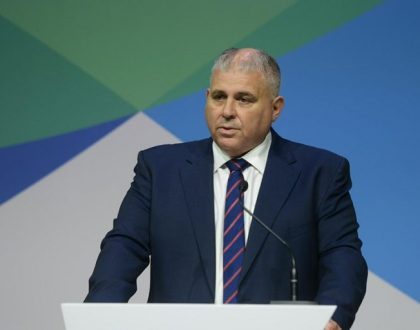
The Maltese government's commitment to enhancing public cleanliness and environmental aesthetics has reached a pivotal point, as announced by Glenn Bedingfield, the Parliamentary Secretary for Public Cleanliness. In a recent address to the media, Bedingfield revealed that the Cleansing and Maintenance Division will receive a budget increase amounting to nearly one-third of its previous annual budget. This significant financial boost signals a renewed focus on maintaining and improving the cleanliness of the Maltese islands, a commitment that has far-reaching implications for public health and the quality of life for residents and visitors alike.
Enhancing the Quality of Life in Malta
The decision to allocate additional resources to the Cleansing and Maintenance Division stems from a broader government initiative aimed at transforming Malta into a cleaner and more enjoyable place to live. Bedingfield emphasized that this budget increase is not merely a financial maneuver but rather a strategic investment in the future of Malta’s urban and rural landscapes. “We are dedicated to creating a cleaner environment where citizens can thrive, and visitors can appreciate the beauty of our islands,” he stated during the press conference.
The government’s efforts are designed to improve the overall aesthetic appeal of Malta, which plays a critical role in elevating the quality of life for its residents. A cleaner environment is inherently linked to better mental and physical well-being, fostering a sense of pride among citizens and encouraging a more vibrant community life. The increased budget allows the Cleansing and Maintenance Division to pursue innovative strategies and solutions to achieve these goals effectively.





















The Impact of Cleanliness on Community Well-Being
Bedingfield articulated the vital importance of maintaining clean public spaces, asserting that they are not only aesthetically pleasing but also crucial for public health. Clean environments significantly reduce the risk of disease transmission and promote healthier lifestyles among residents and tourists. “When public areas are well-maintained, it creates a safer, healthier space for everyone,” he remarked.
The relationship between cleanliness and community respect is also noteworthy. Bedingfield pointed out that when individuals observe that their surroundings are well-kept, they are more likely to adopt similar behaviors. This collective responsibility fosters a culture of respect for the environment, which is essential for sustainable community development.
Economic Implications of Clean Public Spaces
Moreover, the Parliamentary Secretary highlighted the economic benefits associated with clean public areas. He stated, “A clean environment is an attractive one. It draws both tourists and investors, creating new opportunities for local businesses and contributing to economic growth.” The synergy between cleanliness, trade, and economic vitality cannot be overstated. Public cleaning efforts not only improve the visual appeal of localities but also enhance their functionality, making them more conducive to commerce and tourism.
Bedingfield’s insights illustrate how investments in public cleanliness are investments in the local economy. Cleaner streets, parks, and beaches are likely to attract more visitors, thus generating revenue for local businesses. Furthermore, enhanced public spaces can lead to job creation as the demand for services increases. This creates a virtuous cycle where cleanliness drives economic growth, which in turn facilitates further investments in cleanliness.
Technological Advancements and Resource Allocation
One of the key components of the increased budget will be the investment in new technological equipment and modern resources. The Cleansing and Maintenance Division will have the opportunity to adopt innovative cleaning technologies that can significantly enhance efficiency. For example, advanced waste management systems, automated cleaning machinery, and eco-friendly products can help streamline operations and reduce environmental impact.
Bedingfield stated, “We must leverage technology to ensure that we are not only maintaining cleanliness but doing so in a way that respects our environment.” This reflects a growing trend among governments worldwide to embrace sustainability in public service operations. As Malta moves toward a greener future, the integration of modern technologies will be crucial in achieving the dual goals of cleanliness and environmental responsibility.
Workforce Expansion to Meet Increased Demands
In addition to technological investments, the budget increase will allow for the hiring of more workers within the Cleansing and Maintenance Division. A larger workforce will enable the division to tackle more areas effectively and ensure that cleanliness standards are upheld across the islands. This initiative is particularly significant as Malta continues to experience growth in its population and tourism sectors.
The commitment to enhancing public services through workforce expansion signifies the government's recognition of the essential role that dedicated personnel play in maintaining community well-being. “The success of our initiatives depends on the people who carry out this work,” Bedingfield noted, underscoring the importance of human capital in achieving cleanliness goals.
Public Engagement and Community Involvement
The government recognizes that maintaining cleanliness is not solely the responsibility of the Cleansing and Maintenance Division; it requires active participation from the community. Bedingfield emphasized the need for public engagement in cleanliness initiatives. “We encourage citizens to take pride in their neighborhoods and participate in community clean-up events,” he urged. Such initiatives foster a sense of ownership and responsibility among residents, which is vital for sustaining cleanliness efforts in the long term.
Community involvement also plays a pivotal role in educating the public about the importance of maintaining clean environments. The government plans to implement awareness campaigns aimed at informing citizens about the impact of littering and waste management. By fostering a culture of environmental stewardship, Malta can ensure that the benefits of its increased budget allocation extend beyond immediate cleaning efforts.
Conclusion: A Vision for a Cleaner Malta
In conclusion, the budget increase for the Cleansing and Maintenance Division marks a significant step forward in the Maltese government's commitment to enhancing public cleanliness and quality of life. By prioritizing cleanliness, the government aims to foster a healthier environment, stimulate economic growth, and engage the community in responsible practices.
As Malta embarks on this journey toward a cleaner future, the collective efforts of the government, public servants, and citizens will be crucial in achieving the vision of a cleaner, more organized Malta. The implications of these initiatives will resonate throughout the islands, ensuring that residents and visitors alike can enjoy the beauty and cleanliness of Malta for generations to come.
FAQs
What is the budget increase for the Cleansing and Maintenance Division?
The Cleansing and Maintenance Division has received a budget increase equivalent to nearly one-third of its previous annual budget.
Why is the government investing in public cleanliness?
The government aims to enhance the quality of life, public health, and the aesthetic appeal of the Maltese islands through this investment.
How will the increased budget improve community cleanliness?
The budget increase will allow for more efficient operations, investment in technology, and hiring additional workers to maintain cleanliness.
What are the economic benefits of clean public spaces?
Clean public spaces attract tourists and investors, contributing to local economic growth and job creation.
How does cleanliness affect public health?
Maintaining clean public areas reduces disease transmission risks and promotes healthier lifestyles for residents and visitors.
What role does the community play in maintaining cleanliness?
Community engagement is essential for fostering a culture of respect and responsibility towards public cleanliness.
How will technology be utilized in cleanliness efforts?
The budget will support investments in advanced cleaning technologies and eco-friendly resources to enhance operational efficiency.
What initiatives will promote public involvement in cleanliness?
The government plans to implement community clean-up events and awareness campaigns to encourage citizen participation.
How does public cleanliness relate to tourism?
A clean environment enhances the attractiveness of tourist destinations, leading to increased visitor numbers and economic benefits.
What is the long-term vision for cleanliness in Malta?
The goal is to create a cleaner, more organized Malta that prioritizes public health, environmental well-being, and community pride.

Paula Nancy
Hello and Welcome to my profile. I'm a UK based entrenched full-time Blogger, Journalist, columnist and a certified writer with many years of sound writing experience. If you need a high-quality and original content, I'm here to provide you with the best writing services.
Related Posts
Malta luxury travel demand rises
April 11, 2026

Spring travel trends favor Malta
April 10, 2026
Malta welcomes older travellers
April 9, 2026
Malta’s heritage in spring
April 8, 2026