Hidden State Aid in EU Tax Rulings
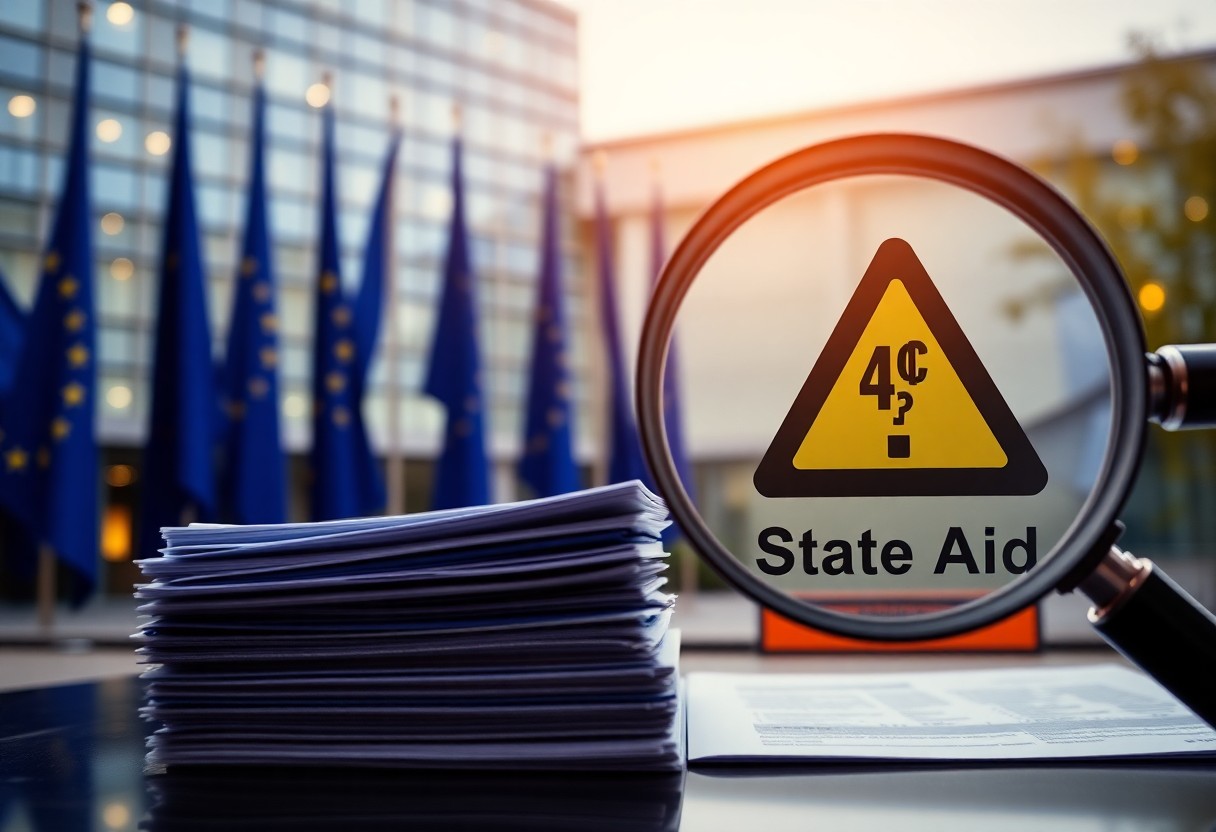
Most businesses operating in the European Union may not realize that certain tax rulings can be deemed as hidden state aid under EU regulations. Recent scrutiny from Brussels has highlighted concerns over tax arrangements that favor specific companies, raising questions about fairness in competition and compliance with EU laws. This blog post will probe into the implications of these rulings, the legal framework surrounding them, and how they affect both businesses and governmental practices within member states.
Unearthing the Hidden Costs of Tax Rulings
The Mechanics of State Aid in the EU
State aid within the European Union framework operates under strict regulations aimed at maintaining fair competition among member states. The EU Treaty prohibits any aid granted by a member state or through state resources that distorts, or threatens to distort, competition by favoring certain firms or the production of certain goods. However, tax rulings can fall into a gray area, where governments may inadvertently provide advantages to specific multinational corporations. These rulings, which clarify tax obligations and may lower tax liabilities, are often scrutinized to assess whether they constitute illegal aid under article 107 of the Treaty on the Functioning of the European Union (TFEU).
This concern is particularly pronounced with the European Commission's ongoing investigations into tax rulings, especially those involving major corporations such as Apple in Ireland and Starbucks in the Netherlands. The issue revolves not solely around the legitimacy of the tax rulings themselves but also their broader implications on the competitive landscape in the EU. Companies benefitting from favorable tax arrangements can undercut rivals, raising significant concerns regarding the equitable enforcement of EU regulations.





















How Tax Rulings Function Within Member States
Tax rulings serve as advance agreements between tax authorities and multinational corporations, clarifying how specific tax rules apply to their unique financial situations. Many member states employ these rulings to attract foreign direct investment by offering companies assurances about their tax obligations, thus creating a more predictable business environment. However, the competitiveness of this framework is questioned when the benefits of these rulings significantly deviate from what smaller or domestic firms receive, leading to imbalances in market dynamics.
Moreover, the regional diversity in tax policies complicates the matter further. For instance, while countries like Ireland utilize tax rulings alongside low corporate tax rates to draw in tech giants, other nations may find themselves unable to replicate the same strategies due to budgetary constraints or different economic structures. This creates a patchwork of tax advantages across Europe, often seen as undermining the single market's principle of a level playing field.
Given the EU's stringent regulations, tax rulings can also place significant pressure on national governments as they navigate compliance with state aid rules. The need for transparency emerges as a pivotal concern; tax authorities must balance attracting multinational investment while ensuring they do not inadvertently grant unlawful advantages. This complex interplay highlights ongoing tensions between member states striving for economic growth and the overarching EU mandate to uphold fair competition.
The Regulatory Framework: EU Policies on State Aid
Key Treaties Impacting State Aid Regulations
Several foundational treaties shape the landscape of state aid regulations within the EU. The Treaty on the Functioning of the European Union (TFEU) serves as the cornerstone, particularly Article 107, which outlines the basic principles of what constitutes state aid and provides the framework for its regulation. This article explicitly prohibits state aid that distorts competition and affects trade between member states. Additionally, the Treaty Establishing the European Community (TEC), while largely superseded by the TFEU, established precedents in how assistance provided by a government can be scrutinized and regulated. The European Union's intent is clear: to promote fair competition and prevent member states from gaining undue advantages through financial support that could disrupt the internal market.
Over the years, amendments and additional protocols have further clarified and expanded upon these foundational documents. For example, the Lisbon Treaty, which came into effect in 2009, emphasized the importance of maintaining a level playing field in the EU and reinforced the powers of the European Commission in monitoring and approving state aids. Each iteration of these treaties has refined the balance between allowing necessary state intervention for economic development and preventing unfair competition among the member states.
The Role of the European Commission in Enforcement
The European Commission plays a pivotal role in enforcing state aid rules, acting as the guardian of EU laws and maintaining the integrity of the single market. It has the authority to assess, approve, or block state aid measures, ensuring compliance with EU regulations. Businesses and national governments alike must submit any plans for state aid to the Commission to determine their legality under Article 107. The Commission's rigorous scrutiny process involves analyzing proposed measures for their potential impact on competition and trade.
This enforcement mechanism is supported by detailed guidelines and regulations established by the Commission, which provide clarity on permissible state aid frameworks, such as the General Block Exemption Regulation. Through this regulation, certain categories of aid are exempt from prior notification requirements, streamlining the process for governments and encouraging regional development without distorting competition. The Commission also conducts in-depth investigations when it suspects that illegal state aid has been granted. These investigations can result in the recovery of aid deemed incompatible, ensuring that member states adhere to the rules and maintain equal competitiveness within the market.
Case Examples: High-Profile Tax Rulings Investigated
Apple: Ireland's Tax Arrangement Under Scrutiny
In 2016, the European Commission ruled that Apple received illegal state aid from Ireland, allegedly allowing the tech giant to pay an effective tax rate as low as 0.005% on its European profits. The investigation revealed that two Irish subsidiary companies, which purportedly conducted all of Apple's European sales and services, managed to minimize their tax burden through dubious accounting practices. This preferential treatment sparked widespread condemnation as it breached EU state aid regulations aimed at ensuring fair competition among firms within the single market. Apple was ordered to pay approximately €13 billion in back taxes plus interest, highlighting the extent of its questionable arrangements.
This landmark case raised fundamental issues regarding how multinational corporations exploit gaps in international tax law. Ireland's legal framework and its low corporate tax rate have made it an attractive destination for large firms seeking to reduce their tax liabilities. The controversy prompted further discussions within the EU about the potential need for unified tax regulations among member states, aiming to prevent a race to the bottom in corporate taxation that undermines national budgets and public services across Europe.
Starbucks: The Dutch Tax Ruling Controversy
Starbucks faced scrutiny as a result of its tax arrangements in the Netherlands, where it was accused of benefiting from a favorable tax ruling that allowed the company to attribute a significant portion of its profits to intellectual property rather than traditional retail business activities. In 2015, the European Commission deemed this arrangement provided illegal state aid as it enabled Starbucks to significantly lower its taxable income in a country with one of the higher corporate tax rates in Europe. The investigation found that the corporation was paying less tax than other companies within the same economic sector, raising ethical questions about fairness and transparency in taxation.
The Dutch tax ruling also spotlighted the practice known as “transfer pricing,” where corporations manipulate prices for goods and services exchanged between subsidiaries in different jurisdictions to achieve tax advantages. This strategy is particularly pervasive among global corporations aiming to minimize tax exposure through artificial profit allocation. The backlash from the Starbucks case spurred calls for a reevaluation of tax codes and mechanisms to ensure accountability and compliance within the EU, as member states work to create equitable taxation frameworks.
The Implications of Flagged Tax Rulings
Economic Consequences for Affected Firms
Affected firms facing the repercussions of flagged tax rulings may experience significant economic strain. For example, companies such as Apple and Starbucks have previously encountered hefty financial adjustments due to retroactive tax payments following inquiries from Brussels. These financial shifts could mean repaying millions in unpaid taxes, leading to declines in perceived profitability and, consequently, stock value. Business forecasting becomes increasingly precarious, as companies need to account for potential liabilities that can arise suddenly from regulatory scrutiny.
In addition to the immediate financial burden, affected firms might find it difficult to attract investment. Investors usually favor businesses with stable regulatory environments, eager to avoid potential pitfalls arising from unresolved tax issues or ongoing investigations. As firms grapple with reputational damage and the looming specter of further penalties, the cost of capital could rise, stunting growth potential and innovation in the long run.
Long-Term Effects on EU Tax Policy
The fallout from flagged tax rulings will likely catalyze significant changes in EU tax policy. The European Commission's increasing scrutiny signifies a shift toward a more harmonized tax approach among member states. Countries will need to align their fiscal regimes to prevent any advantage that may arise from divergent practices. This trend might eliminate the previously permissive tax environments enjoyed by some corporations, ensuring a more uniform landscape that limits aggressive tax avoidance strategies.
As member states adapt to the evolving rules surrounding state aid and tax policy, the EU may move toward centralized tax standards more reflective of a cohesive economic zone. Such a transformation could lead to the establishment of a minimum corporate tax rate across the region, reducing the competition among countries for lower tax rates and potentially increasing overall state revenues. The long-term effects will extend well beyond compliance; they may reshape corporate strategies and influence where businesses choose to establish operations, as the EU's collective stance on taxation evolves.
The Politics of State Aid: Tensions Among Member States
Conflicting National Interests and EU Regulations
National interests often clash with the overarching EU regulations on state aid. Member states frequently adopt tax policies that cater to local industries, aiming to enhance competitiveness or attract foreign investments. This can lead to an uneven playing field across the EU, where smaller economies might feel pressured to adopt more aggressive tax incentives to keep pace. For instance, the case of the Netherlands and its favorable tax arrangements has raised eyebrows, as smaller nations argue that such practices create an imbalance, undermining efforts to maintain a fair single market.
The European Commission's task is to provide a uniform approach to prevent distortions caused by state aid; however, the implementation of these regulations is complicated by the diverse economic landscapes and political agendas of member states. Countries like France and Germany often advocate for stricter controls on state aid, viewing monopolistic practices as detrimental to the EU's economic health. In contrast, nations like Luxembourg and Ireland, which have benefited from attracting multinational corporations through lenient tax policies, resist tighter regulations that might impact their economic growth.
How Larger Economies Influence EU Decisions
Larger EU economies, particularly Germany and France, exert considerable influence over the direction of state aid regulations. Their economic clout not only comes from the size of their markets but also from their ability to drive policy discussions. Germany, for example, has often pushed for more stringent regulations that aim to level the playing field, arguing that excessive state aid harms competition and innovation across the EU bloc. This has resulted in various proposals aimed at curtailing aggressive tax schemes, reflecting the interests of larger member states that prioritize a balanced marketplace.
The power dynamics within the EU's decision-making bodies often mean that larger economies can shape the rules to reflect their national priorities. This was evident in responses to Country-by-Country Reporting initiatives, where bigger states championed increased transparency to deter tax avoidance, thus impacting smaller states that rely on favorable tax regimes for economic viability. Ultimately, the ongoing tussle between the interests of larger nations and the need for competitive fairness signals a potential reshaping of the EU's regulatory landscape in determining what constitutes permissible state aid practices.
Future Outlook: Tackling the State Aid Challenge
Proposed Reforms to the State Aid Framework
The European Commission has called for a comprehensive review of the existing state aid framework, with the goal of creating a more transparent and efficient system that aligns with digital economy realities. Proposed reforms include redefining what constitutes state aid and expanding the scope for permissible aid measures that promote innovation and sustainability. For instance, the draft plans suggest allowing more flexibility for member states to provide targeted assistance to startups and enterprises undertaking green initiatives, as the EU pushes towards its climate goals.
Further, the European Commission is advocating for the introduction of predefined guidelines, simplifying the approval process for aid measures deemed compatible with EU competition rules. Proponents of this move argue it could reduce the burden on both companies and national administrations, enabling faster responses to economic crises. The outcome of these reforms will significantly influence how nation-states can design tax incentives to attract foreign investments without falling into the hidden state aid trap.
The Role of Transparency in Tax Affairs
Transparency in tax policies is emerging as a pivotal element in mitigating concerns around state aid. As flagged tax rulings illustrate, a lack of clarity can lead to misunderstandings and accusations of unfair advantages. By fostering an environment where tax affairs are visible and comprehensible, EU nations can help assure regulators and the public that their practices remain compliant with state aid regulations. Moreover, promoting transparency provides a robust framework for businesses to operate within, preventing the inadvertent crossing of state aid boundaries.
Tax partnerships, such as the OECD's Base Erosion and Profit Shifting (BEPS) initiatives, further highlight the importance of transparency in tax matters. These frameworks not only encourage countries to adopt clear and fair tax regimes but also help establish a common understanding among jurisdictions. By adopting transparent tax practices, firms can demonstrate their commitment to fair competition, mitigating the risk of having their tax rulings scrutinized as hidden state aid by Brussels.
Perspectives from Tax Experts and Economists
Insights on Fair Competition in the Single Market
Tax experts underscore that fair competition is paramount for ensuring a level playing field within the EU's Single Market. The European Commission's interventions aim to curtail the advantages gained by multinationals through favorable tax schemes that constitute hidden state aid. For instance, a recent analysis estimated that Luxembourg's tax arrangements saved companies like Amazon over €250 million in taxes. This not only distorts competition but also provides unfair leverage to companies that can afford high-quality legal and tax advice, leaving smaller firms disadvantaged.
Economists advocate for reforming tax systems to discourage aggressive tax planning while promoting transparency. The OECD's Base Erosion and Profit Shifting (BEPS) initiative has been instrumental in laying the groundwork for more robust tax policies that discourage such “race-to-the-bottom” practices. By aligning national tax policies with an agreed framework, EU nations could mitigate the risk of undercutting each other and thus establish fair competition that drives innovation and economic growth.
The Balance Between Sovereignty and EU Oversight
Finding the balance between national sovereignty and EU oversight remains a contentious theme among member states. While sovereignty allows countries to control their tax policies, it must be exercised within the context of EU regulations that seek to uphold market integrity. This tension is evident in the case of Ireland, which has fiercely defended its low corporate tax rate, arguing that it is a sovereign right to attract business investment. However, these practices drew scrutiny from Brussels, which viewed them as harmful to the collective EU effort to establish equitable tax standards.
As nations grapple with EU oversight, experts emphasize the importance of cooperative frameworks that respect both individual rights and collective goals. A more harmonized approach could reduce tensions, ensuring that all member states contribute fairly to the market while preserving their ability to set distinct tax regimes. The challenge lies in fostering dialogue that recognizes the diverse economic landscapes of EU countries while discouraging practices that facilitate competitive imbalance.
Concluding Thoughts: The Path Forward for EU Tax Strategies
Redefining Tax Compliance in the EU
Shifting the focus of tax compliance within the EU requires a re-examination of the existing tax rulings system. With the European Commission's recent scrutiny, businesses should anticipate an evolving landscape that encourages transparency over traditional, opaque tax planning strategies. Companies may need to strengthen their tax governance frameworks and actively engage with EU tax regulations, with a keen eye on ensuring compliance to avoid penalties and reputational damage. This means undertaking regular reviews of current tax practices and investing in training for teams on the evolving regulatory environment.
Collaboration and Knowledge Sharing
Fostering collaboration among member states can lead to more unified tax policies that benefit all stakeholders. The EU's Economic and Financial Affairs Council (Ecofin) has emphasized the need for increased cooperation, particularly in sharing best practices regarding tax rulings. Some member states have already begun joint initiatives, pooling resources to enhance their understanding of EU tax law and develop more robust compliance systems. The pooling of knowledge can lead to significant advancements in how tax issues are approached across borders, ultimately creating a more stable economic environment.
Leveraging Technology for Better Compliance
Incorporating technology into tax strategies will pave the way for better compliance systems. Data analytics tools and artificial intelligence are showing promise in helping businesses analyze their tax positions and predict potential areas of scrutiny. By utilizing these technologies, firms can identify discrepancies or inconsistencies in their tax data, proactively address them, and maintain compliance with both local and EU regulations.
Aligning with Sustainable Development Goals
As the EU moves towards sustainability, aligning tax strategies with broader societal goals is becoming increasingly relevant. The European Green Deal and the accompanying focus on sustainability suggest that tax policies may evolve to reward environmentally conscious business practices. Organizations that proactively integrate sustainability into their tax strategies could find themselves at a competitive advantage. For instance, companies investing in renewable energy might benefit from favorable tax treatment, reflecting the EU's priorities for a greener economy.
Preparing for Future Challenges
Navigating the complexities of flagged tax rulings will require adaptability and foresight. The onus is on businesses to remain informed about geopolitical developments and potential changes in the regulatory landscape. Continuous engagement with policymakers, alongside participation in public consultations, can ensure that firms have a voice in shaping future tax legislation. By staying ahead of the curve, organizations can mitigate risks associated with sudden regulatory shifts and position themselves favorably in the evolving EU tax environment.
Conclusion
The growing scrutiny of tax rulings within the European Union highlights the delicate balance between national fiscal autonomy and the overarching principles of fair competition enshrined in EU law. As investigations into high-profile cases like Apple and Starbucks have shown, what may appear as routine tax arrangements can, in fact, constitute hidden forms of state aid with far-reaching consequences. These rulings not only distort market dynamics but also undermine public trust in the fairness of the tax system.
The European Commission’s assertive role in enforcing state aid rules underscores the EU’s commitment to maintaining a level playing field across all member states. For businesses, the evolving regulatory landscape demands increased vigilance, transparency, and adaptability in tax planning and compliance strategies. For member states, it signals a push toward greater alignment and cooperation on corporate taxation. As the EU moves forward, the challenge will lie in reconciling national economic interests with the collective need for a uniform and equitable internal market—ensuring that growth and competitiveness are not achieved at the expense of integrity and fairness.
FAQs
What is considered hidden state aid under EU law?
Hidden state aid refers to advantages given by governments, such as favorable tax rulings, that distort competition by benefiting specific companies unfairly.
Why are tax rulings under scrutiny by the European Commission?
Tax rulings are examined to ensure they do not confer illegal advantages that violate Article 107 of the TFEU and distort competition in the EU market.
How can tax rulings affect fair competition?
Favorable rulings may lower tax burdens for certain multinationals, giving them an unfair edge over competitors, especially smaller domestic firms.
What legal framework governs state aid in the EU?
The primary framework is Article 107 of the Treaty on the Functioning of the European Union (TFEU), supported by regulations like the General Block Exemption Regulation.
What happened in the Apple tax case in Ireland?
The European Commission ruled in 2016 that Apple received illegal state aid from Ireland, requiring it to repay €13 billion in unpaid taxes.
Why was Starbucks' Dutch tax ruling controversial?
Starbucks shifted profits to reduce taxable income, leading to a ruling by the Commission that it had received illegal state aid through unfair tax advantages.
How do tax rulings attract foreign investment?
They offer predictability and lower tax obligations, making certain jurisdictions more attractive to multinational corporations.
What are the economic consequences for firms found to have received illegal aid?
These firms may face retroactive tax bills, reputational damage, decreased investor confidence, and regulatory uncertainty.
How does state aid enforcement affect national tax sovereignty?
It limits how far member states can go in offering tax incentives, requiring alignment with EU laws and Commission oversight.
Could the EU adopt unified tax regulations in the future?
Yes, ongoing enforcement and cases may drive the EU toward more harmonized tax policies to ensure fairness and reduce tax avoidance.

Claire
A highly motivated, results-driven, enthusiastic and ambitious writer. I can offer you well researched and high-quality article writing on any topic for your website or blog and can as well re-write your existing web content.
Related Posts





Italy reconsiders gambling ad ban to boost football funding
April 10, 2026

KSA flags Unibet operator Optdeck for AML non‑compliance
April 10, 2026