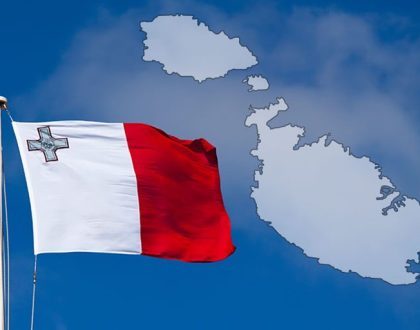
Chamber of SMEs Urges Reform in EU Tax Impact
In a recent interview, Malta Chamber of SMEs President Paul Abela voiced concerns over the lack of diligence displayed by Members of the European Parliament (MEPs) and government officials when participating in decision-making processes in Brussels. According to Abela, it is essential that those representing Malta exercise caution and thoroughly evaluate the impact of EU decisions on the nation’s economy and businesses.
The Chamber President highlighted how a key EU decision, the imposition of emissions taxes on shipping, has had significant repercussions for local businesses and consumers alike. With Malta relying heavily on imports, the increased costs are inevitably passed down to the end consumer. Abela emphasized the necessity for officials to pay closer attention to how such policies will affect Malta’s unique economic environment.
Impact of the EU Emissions Trading System on Malta's Shipping Sector
One of the primary concerns raised by Abela was the introduction of the EU-wide Emissions Trading System (ETS), which includes a tax on shipping emissions. This tax is intended to reduce carbon emissions but has created additional expenses for businesses that rely on international trade.





















Abela noted that the tax, which adds approximately €100 per shipping container, has already started to strain the logistics sector. The cost is initially borne by the large shipping companies, but, as Abela pointed out, these companies are quick to pass on the expense to businesses and, ultimately, to consumers. “It is biting already,” Abela remarked, underscoring the financial impact this tax is having on small and medium-sized enterprises (SMEs) in Malta.
Given Malta’s reliance on shipping for most of its imports, the added costs could lead to price increases across a wide range of goods. This, in turn, threatens to exacerbate inflation and make it harder for Maltese households to afford basic goods and services.
The Need for Impact Assessments
Abela's message to MEPs and government officials was clear: more rigorous evaluation is needed before implementing policies that will affect Malta’s economy. “Whenever there is a decision impacting Malta, they have to delve into the details to see what impact it will have,” he stated.
He also referenced the European Commission’s policy requiring an impact assessment for every new regulation or measure proposed. These assessments are intended to determine the potential economic and social ramifications of new legislation, particularly on small businesses. Abela argued that this process must be strictly followed to prevent harmful outcomes for Maltese businesses.
The Chamber of SMEs has called on both MEPs and government officials to make use of such assessments and to advocate more effectively for Malta’s interests when engaging with EU bodies in Brussels. Failure to do so, Abela warned, could lead to further economic burdens for the country’s businesses and consumers.
Malta’s Labour Shortage Amid a Booming Population
In addition to concerns over EU decisions, Abela raised the issue of a growing labor shortage that is affecting SMEs across Malta. Despite a growing population, local businesses are finding it increasingly difficult to hire enough workers to meet their needs.
This paradox is partly explained by the fact that while the population is increasing, much of the growth has come from foreign workers in certain sectors, leaving other industries struggling to find employees. Abela stated, “Our businesses are telling us that there are not enough employees ready to engage in their work.” This shortage has become a significant barrier for SMEs trying to expand their operations and invest in growth.
Abela stressed the need for a comprehensive discussion on how the labor force can be balanced across different sectors of the economy. He pointed out that the government’s focus has been disproportionately on one sector, leading to oversaturation in some areas while others are left with insufficient manpower.
Overreliance on Foreign Workers in Certain Sectors
Prime Minister Robert Abela recently commented on the issue, noting that certain sectors in Malta are oversaturated with foreign workers. The Chamber of SMEs has echoed this concern, with Abela stating that the government has concentrated too heavily on sectors like courier services, neglecting other important areas of the economy.
Abela called for a broader analysis of labor needs across different industries. He warned that continuing to focus on just a few sectors could lead to long-term problems, as other areas of the economy may struggle to find the workforce needed to sustain growth.
Addressing the Identita' Scandal and Its Impact on Foreign Workers
Another issue complicating the labor shortage is the ongoing Identita' scandal, which involves the administration of documentation for foreign workers. Abela explained that this scandal has created a significant obstacle for businesses trying to hire foreign workers, further exacerbating the labor shortage.
He urged the government to resolve the issue swiftly, as the scandal has introduced uncertainty into the hiring process. “Any scandal creates a lot of uncertainty,” Abela said, “and the problem must be solved if we are to move forward.”
Abela emphasized the importance of addressing these challenges in the upcoming budget, calling on the Minister of Finance to take action. “The economy as a whole will suffer if this problem is not addressed,” he warned.
Youth Emigration: A Contributing Factor to the Labour Shortage
The labor shortage is further exacerbated by the emigration of young Maltese citizens. According to Abela, many young people are choosing to move abroad, attracted by better job prospects and a more comfortable standard of living.
He noted that Malta’s youth are increasingly looking to countries where wages are higher and living conditions are better aligned with their expectations. This trend poses a long-term risk for Malta’s workforce, as the country’s future economic stability depends on its ability to retain young talent.
Proposal to Lower Corporate Income Tax
During the same interview, Chamber of SMEs Council Member Beppe Muscat discussed the Chamber’s proposal to reduce Malta’s corporate income tax rate from 35% to 25%. Muscat argued that the current rate is uncompetitive and hampers businesses’ ability to invest and grow.
Muscat emphasized that lowering the tax rate would not only provide businesses with more cash flow but would also increase compliance with tax laws. “Historically, when taxes are reduced, tax revenues tend to increase,” he said, referencing similar instances where lower tax rates led to higher government revenues due to improved compliance.
He also pointed out that Malta’s current tax structure creates an unfair playing field for local businesses, which face a higher corporate tax rate compared to foreign companies operating in Malta.
Economic Benefits of Lowering Corporate Taxes
Muscat further argued that lowering the corporate tax rate would stimulate economic growth by leaving more money in the hands of businesses. With greater financial flexibility, businesses would be more likely to invest in new projects, expand operations, and create jobs.
This, Muscat said, would have a ripple effect throughout the economy, benefiting not just the business community but also workers and consumers. He also noted that both the government and opposition had included this proposal in their electoral campaigns, suggesting broad political support for the idea.
Conclusion
The concerns raised by the Malta Chamber of SMEs highlight the need for careful consideration of EU decisions and their impact on Malta's economy. The introduction of the EU emissions tax, combined with a labor shortage and issues like the Identita' scandal, pose significant challenges for local businesses. The Chamber's call for lower corporate taxes and a balanced approach to workforce distribution reflects a broader need for policy adjustments to ensure sustainable growth and economic stability in Malta.
FAQs
What is the EU Emissions Trading System (ETS)?
The EU Emissions Trading System is a carbon trading scheme that aims to reduce emissions by taxing companies for their carbon output.
How does the ETS affect Malta's shipping industry?
The ETS adds an extra cost of about €100 per shipping container, which is passed down to businesses and consumers, raising the cost of goods.
What are the concerns raised by the Chamber of SMEs regarding EU decisions?
The Chamber of SMEs has expressed concerns that EU decisions, like the emissions tax, may harm Malta’s economy if not carefully considered by MEPs and government officials.
Why is Malta experiencing a labor shortage despite a growing population?
The labor shortage is due to an oversaturation of foreign workers in certain sectors, leaving other industries struggling to find employees.
How is the Identita' scandal affecting Malta’s labor market?
The Identita' scandal, involving foreign worker documentation, has created uncertainty and delays in hiring, exacerbating the labor shortage.
What is the Chamber of SMEs’ proposal regarding corporate income tax?
The Chamber has proposed lowering the corporate income tax rate from 35% to 25% to improve business cash flow and competitiveness.
Why does the Chamber believe lowering corporate taxes will increase government revenue?
Historically, lower taxes have led to higher compliance and increased tax revenues, as businesses are more willing to pay when rates are lower.
What impact could lower corporate taxes have on the Maltese economy?
Lower taxes would likely lead to greater business investment, job creation, and economic growth by providing businesses with more financial flexibility.
Why are Maltese youths leaving the country?
Many young Maltese citizens are emigrating due to better job prospects and a higher standard of living abroad.
What sectors in Malta are oversaturated with foreign workers?
The government has focused heavily on sectors like courier services, leading to an oversaturation of foreign workers in these areas.

Esther
I am a professional writer with 8 years of experience in this field and I can provide you with the best-written content you can find. Education B.A. - English, George Washington University, United States, Graduated 2011.