Charles Polidano’s Xemxija development plans raise concern

Newly accessed planning documents have uncovered the full scale of businessman Charles Polidano’s latest proposed development in Xemxija, shedding light on a project larger than previously disclosed. According to these plans, the project appears far more extensive than what has been formally disclosed to the public and the Planning Authority.
Polidano, widely known by his nickname ic-Caqnu, has officially filed an application for the construction of a seven-level underground car park, topped with 11 storeys above ground. The development would result in two towers alongside a hotel. However, documents reviewed show that the full project is significantly larger in scale and ambition, extending across multiple streets in the seaside locality.
The revelation has added further controversy to an already sensitive case, with residents and the local council expressing alarm at the potential impact on the community, the environment, and public infrastructure.





















Controversy over blocked streets and parking
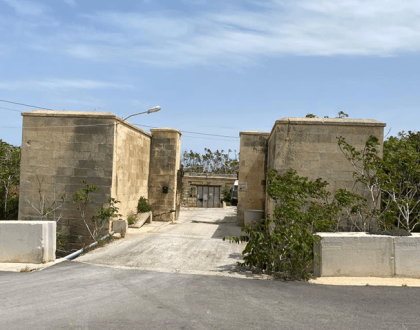
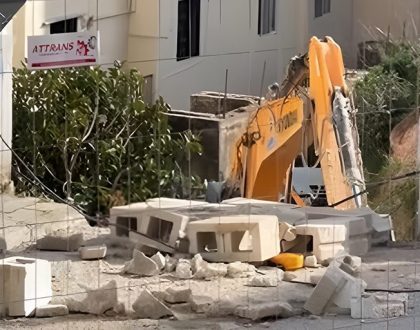
Initial works have already sparked discontent. Residents reported that a substantial wall was erected, blocking off public parking spaces and sealing access across three street levels. Critics argue that such actions have disrupted daily life and eroded public access to common areas.
While the development has been described publicly as a multi-storey car park and two towers, the documents suggest a sprawling residential and commercial complex encompassing a wide footprint.
What the plans reveal
According to submissions made by Xemxija Estates Ltd, the company owned by Polidano, the proposed project is designed to feature:
- 156 residential units
- A 64-room hotel
- Over 20,000 square metres of retail and commercial space
- Parking facilities for 665 vehicles
The project footprint stretches from Triq Raddet ir-Roti, across Triq is-Simar, and down to the seafront, covering an extensive portion of the urban area. If approved, the development would dominate the surrounding residential zone and overshadow nearby properties.
Opposition from the local council
The St Paul’s Bay local council has filed an official objection, criticising what it referred to as a “savage intensification” of construction within a zone originally designated for low-density residential use.
Under the North West Local Plan, the Xemxija area was intended to remain a quiet residential neighbourhood, with a small-scale centre serving local needs. Councillors argue that the new scheme directly contradicts this vision.
Concerns extend beyond zoning issues. Council members warned that existing roads, sewage systems, and water networks are already insufficient, even without additional strain. They highlighted that the unstable clay substrata in the area adds further risk, potentially complicating large-scale construction.
Road access and public rights
Another concern highlighted involves the obstruction of a planned road meant to connect Triq Raddet ir-Roti with Triq is-Simar, a route originally designated for public access. In its place, Polidano’s company has suggested creating two side passageways flanking a significantly expanded central site, now allocated for a blend of residential and commercial development. The local council warned that such alterations would undermine the initial planning framework and permanently transform the character of the neighbourhood.
A history of controversial projects
Polidano’s projects in Xemxija have previously drawn controversy. Over ten years ago, a neighbouring development became the subject of legal proceedings after it was alleged that construction had extended onto land belonging to third parties. In the same locality, the company was also found to have taken over government-owned property, a move that sparked criticism but was eventually sanctioned by the Lands Authority.
The newly disclosed scale of the current project risks heightening tensions further, as residents, environmental activists, and the council continue to express concern about unchecked urban expansion in one of Malta’s most sensitive coastal zones.
Infrastructure concerns and cumulative impact
The Xemxija project is not occurring in isolation. This project would mark the third large-scale development on Triq Raddet ir-Roti, a street already set to accommodate more than 700 apartments on the site of the former Mistra Village Hotel. Together with Polidano’s proposal, these projects could bring around 1,000 new apartments to the same street.
For residents and local authorities, this raises pressing questions about cumulative impact. Every summer, Xemxija already experiences sewage overflows and persistent power cuts, triggered by a relatively small seasonal increase in residents and tourist rentals. The prospect of an additional 1,000 apartments, alongside new commercial activity and hotel visitors, has intensified fears that local infrastructure will be unable to cope.
Plans for additional towers
Beyond the current proposal, Polidano has expressed intentions to construct another tower of 13 storeys on an upper level in Xemxija. This site is located near a protected garigue landscape, home to cart ruts and other archaeological features. Critics argue that the development could endanger Roman baths believed to lie beneath the area. A new road has also been proposed to accommodate increased traffic linked to the project.
Civil society response
Local residents are not alone in voicing concerns. Moviment Graffitti, a prominent activist organisation, has joined calls for government intervention. The group has stressed the need to protect public land, preserve cultural and natural heritage, and safeguard open spaces from excessive development.
Hundreds of objections have reportedly been filed with the Planning Authority in response to the proposals.
When approached about the disruptions caused, Polidano remarked: “Sorry for the inconvenience caused.”
A fragile balance between development and heritage
The unfolding controversy highlights a wider national debate in Malta: the balance between economic development and the preservation of community character, environmental sustainability, and cultural heritage.
On the one hand, large-scale projects bring investment, jobs, and potential tourism opportunities. On the other, they pose significant risks to infrastructure, the natural environment, and the quality of life of long-standing residents.
For Xemxija, a coastal town with both residential and heritage value, the debate is particularly acute. Residents and campaigners stress that decisions taken now will shape the locality for generations to come.
Conclusion
The controversy surrounding Charles Polidano’s Xemxija project underscores the complex and often contentious nature of large-scale development in Malta. While the plans promise substantial investment, new housing, and commercial opportunities, they also raise pressing concerns about overdevelopment, inadequate infrastructure, and the preservation of natural and cultural heritage.
For residents and the St Paul’s Bay local council, the project represents more than just another construction site; it is viewed as a turning point that could permanently alter the character of a coastal locality long valued for its relative tranquility. The influx of apartments, commercial activity, and visitors may generate economic benefits, but it also risks straining fragile resources and undermining community well-being.
Civil society organisations and residents alike have voiced strong opposition, framing the issue as part of a broader struggle over Malta’s planning priorities. Whether the authorities will prioritise development ambitions over environmental safeguards and community needs remains to be seen.
Ultimately, the Xemxija project has become a test case for how Malta balances growth with sustainability. The outcome will not only affect the skyline of one town but could also set a precedent for future coastal development across the island.
FAQs
What is Charles Polidano’s Xemxija project?
It is a proposed large-scale development including residential units, a hotel, commercial space, and underground parking across multiple streets in Xemxija.
How many residential units are planned in the project?
The plans indicate 156 residential apartments, in addition to hotel rooms and commercial facilities.
What commercial elements are included?
Over 20,000 square metres of retail and commercial space are included in the submitted plans.
Why has the project sparked controversy?
Critics argue it will overwhelm local infrastructure, alter the character of the area, block public access, and threaten cultural and natural heritage sites.
What is the local council’s position?
The St Paul’s Bay local council has lodged a formal objection, citing overdevelopment, inadequate infrastructure, and risks linked to the unstable clay substrata.
Has Polidano faced similar criticism before?
Yes, previous developments in Xemxija by his company were subject to legal disputes and criticism for occupying government land.
How many parking spaces are included in the plans?
The project would include underground parking facilities with space for 665 vehicles.
What impact will the project have on infrastructure?
Residents and the council fear that sewage, water, and electricity networks will be unable to handle the additional demand from the large-scale development.
Are there concerns about heritage sites?
Yes, campaigners have warned that nearby cart ruts and Roman baths could be at risk from associated construction.
What is Moviment Graffitti’s involvement?
The activist group has joined residents in opposing the project, calling on the government to protect land, heritage, and public access.

Anna Amstill
I am an avid Blogger and Writer with more than 6 years of experience with Content Writing. An Online Marketing expert specializing in Blog writing, Article writing, Website content, SEO specific Keyword content and much more. Education B.A. - business management, York University, Canada, Graduated 2016.