Comino Hotel Project Reduces Footprint Amid NGO Criticism

The planned overhaul of the long-established hotel and bungalow site on Comino has sparked significant concern among environmental groups and members of civil society, prompting closer examination of its potential ecological impact. At the heart of the controversy lies the Planning Authority’s approval of the redevelopment plans and the subsequent legal appeal filed by various environmental groups.
In response, HV Hospitality, the company behind the project, has publicly defended its vision and intentions, emphasising significant reductions in the project's scale, the restoration of previously degraded land, and compliance with stringent environmental standards. According to the developer, the project has undergone substantial modifications in response to public concerns and has been reviewed through a transparent and judicially vetted planning process.
The scope of the redevelopment project
Existing development on Comino
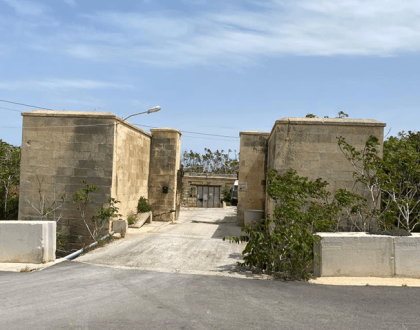
The redevelopment plan focuses on a pre-existing hotel and a cluster of bungalows situated on Comino Island. This site has served tourism-related functions for several decades and is not a new incursion into undeveloped land. The developer, HV Hospitality, contends that its plans do not involve the expansion of the built footprint into untouched areas of ecological or public value.





















Reducing footprint and guest capacity
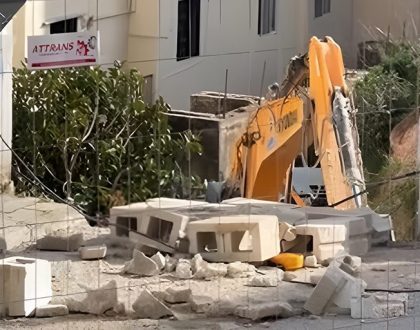
A key element of the company’s communication has been the assertion that the project will reduce rather than increase human impact on Comino. Specifically, HV Hospitality states that the redevelopment will result in a net reduction of 8,200 square metres of built structures. Obsolete infrastructure, such as ageing foundations, utility installations, and dilapidated buildings, will be dismantled, and some areas will be returned to their natural state through environmental restoration efforts.
The number of guest bungalows has been revised downward from 21 to 16 units, and the total guest capacity of the hotel will be lower than that of the previous structure. This downsizing, the developer argues, is part of a deliberate effort to shift towards low-density tourism, which it believes is more compatible with Comino’s ecological sensitivities and limited carrying capacity.
Environmental safeguards and restoration commitments
LEED certification and green building principles
HV Hospitality has also committed to pursuing LEED (Leadership in Energy and Environmental Design) certification for the new development. LEED is an internationally recognised framework for evaluating sustainable building practices and environmental performance. This includes considerations such as energy efficiency, water conservation, materials selection, and minimising the carbon footprint of the construction process.
The company emphasises that it intends to design the hotel and bungalows in compliance with the strictest sustainability benchmarks, using environmentally responsible materials, integrating renewable energy systems where feasible, and reducing long-term operational emissions.
Restoration of degraded land
The project includes a pledge to restore land that was previously degraded due to outdated infrastructure and long-term wear. While specific details of these restoration activities have not been fully disclosed in public statements, HV Hospitality has expressed an intention to rehabilitate parts of the property for ecological purposes. This could involve soil remediation, replanting of native vegetation, and the removal of non-native structures or landscaping features that interfere with the natural environment.
Legal and procedural background
Planning Authority approval and public objections
The project received formal approval from the Planning Authority of Malta, triggering a strong reaction from multiple environmental NGOs. These groups argue that the project, regardless of the planned reductions, remains an inappropriate intervention on a Natura 2000 site—Comino being part of a European-wide network of protected areas under the EU Habitats Directive.
Following this approval, a formal legal appeal was lodged by a coalition of NGOs, including Moviment Graffitti, BirdLife Malta, Flimkien għal Ambjent Aħjar, and others. Their appeal challenges the decision-making process and raises doubts about whether sufficient consideration was given to environmental sensitivities and public access concerns.
Developer's response to legal challenge
In response to the legal action, HV Hospitality has reiterated its position that the project was subject to a transparent and thorough planning process, which lasted more than five years. According to the company, this process included multiple rounds of consultation, comprehensive environmental impact assessments, and independent peer reviews.
All submitted studies, the company adds, have undergone judicial scrutiny and have been found to be methodologically sound and legally compliant. Therefore, HV Hospitality maintains that the basis of the appeal lacks factual or procedural substance.
Balancing tourism with environmental protection
Comino’s sensitive ecological profile
Comino is a unique island within the Maltese archipelago, known for its rugged beauty, marine biodiversity, and relative lack of development. It attracts thousands of day-trippers during the summer months, particularly to the famed Blue Lagoon. However, it is also a protected Natura 2000 site, and any development—no matter how reduced in scale—is automatically subjected to heightened scrutiny.
Environmentalists argue that any form of private development, even on already used land, risks opening the door to over-commercialisation and the degradation of the natural environment. They also express concern that increased infrastructure may lead to further pressures on Comino’s fragile ecosystems, even if the immediate footprint of the development is technically reduced.
HV Hospitality's vision for sustainable tourism
Despite these concerns, HV Hospitality continues to promote its project as a model for “low-density, sustainable tourism.” The company argues that completely abandoning the site would lead to further decay and environmental hazards from unmaintained structures. Instead, it believes that redeveloping the site with modern, sustainable infrastructure and responsible visitor limits offers a pragmatic way to preserve both the site’s ecological integrity and its cultural legacy.
Moreover, HV Hospitality states it remains open to dialogue with stakeholders and has actively incorporated feedback into its evolving development plans. The company affirms that it views its role as a “steward” of the land, not merely a commercial operator, and intends to invest in long-term conservation efforts as part of the operational strategy.
Public access and transparency
Allegations of reduced public access
A persistent concern raised by objectors relates to public access. NGOs have alleged that the redevelopment could result in de facto privatisation of parts of the island, especially areas near the shoreline, which are traditionally accessible to the public.
HV Hospitality has categorically denied these claims, asserting that no part of the development will infringe upon areas designated for public use. The company has maintained that pedestrian access will remain uninterrupted and that all facilities will operate in compliance with national laws governing coastal access.
Claims of transparency in planning process
To further address criticism, HV Hospitality underscores that the project has been shaped by public and institutional consultation. The developer claims to have participated in all required stages of the regulatory process, including Environmental Impact Assessments (EIA), Strategic Environmental Assessments (SEA), and the necessary public hearings.
While NGOs remain sceptical, the company insists that any opposition must be grounded in verified data and not in what it characterises as “misconceptions and misrepresentations.”
Conclusion
The transformation of the Comino hotel and bungalow site is becoming a prominent example of the delicate balance between tourism growth, environmental preservation, and the wider public interest in Malta. While the developer argues that it is reducing its ecological footprint and restoring land, objectors maintain that any redevelopment risks altering the character of a fragile island ecosystem.
As the legal appeal moves through the judicial system, the future of the project—and of Comino itself—remains uncertain. What is clear, however, is that the outcome will likely set a precedent for how Malta balances commercial interests and environmental preservation on its most delicate natural landscapes.
FAQs
What is the Comino hotel project?
The Comino hotel project involves the redevelopment of an existing hotel and bungalow complex on Comino Island, aimed at reducing its environmental footprint and promoting sustainable tourism.
Who is behind the project?
The redevelopment is being led by HV Hospitality, a company that specialises in sustainable tourism and hospitality ventures in Malta and abroad.
Has the number of bungalows been reduced?
Yes, the number of bungalows has been reduced from 21 to 16 units in the revised project plans.
Will any new development take place on untouched land?
No, the developer claims that no construction will occur on previously undisturbed land and that the project focuses on redeveloping an already-built area.
Why are NGOs opposing the project?
Environmental NGOs argue that the project could harm Comino’s fragile ecosystems and fear that it may reduce public access to coastal areas.
What environmental standards will the project follow?
The developer aims to meet LEED certification standards, which involve strict environmental performance benchmarks for design and construction.
Has the project been legally approved?
Yes, the Planning Authority approved the project. However, NGOs have filed a legal appeal challenging the decision.
What will happen to the old structures on the site?
Obsolete and degraded infrastructure will be removed, and parts of the site will be restored to a more natural state.
Is the developer open to further changes?
HV Hospitality says it remains engaged in dialogue with stakeholders and is open to refining its plans in response to valid concerns.
What is the future of Comino if the project proceeds?
The developer envisions a model of low-impact tourism with modern, eco-friendly facilities, though the project’s ultimate future now depends on ongoing legal proceedings.

Ash
I like to keep it short. I am a writer who also knows how to rhyme his lines. I can write articles, edit them and also carve out some poetic lines from my mind. Education B.A. - English, Delhi University, India, Graduated 2017.