Controversial planning laws draw public scrutiny

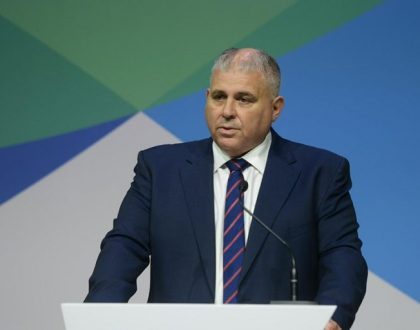
In a development that has raised questions about transparency and public accountability, Robert Musumeci, a prominent figure closely associated with Malta’s Labour Party, has been placed on a new publicly funded retainer just days before beginning his latest government assignment. Known for his architectural expertise and media presence, Musumeci’s close connections with both political parties over the years have made him a central figure in shaping the country’s planning landscape.
According to investigations conducted by The Shift, since April, Musumeci has been receiving an additional €900 per month from public funds. This sum is in addition to multiple other public consultancies he has secured since 2013, highlighting a longstanding relationship with government institutions that extends across successive administrations.
Musumeci’s role in drafting new planning laws
A spokesperson for the Planning Authority (PA) confirmed that Musumeci serves as the principal consultant for the drafting of new planning laws and is compensated accordingly for this work. However, the PA has yet to make public the contract awarded to him, raising concerns over procedural transparency.





















Sources close to the matter informed The Shift that Musumeci’s engagement was initiated directly from the Office of the Prime Minister, with the formal contract being signed by PA CEO Johann Buttigieg. The PA stated that it has no other consultants engaged specifically for this legislative drafting, aside from Musumeci.
Further information from sources suggests that Musumeci has engaged additional lawyers to assist him in his efforts, although their identities and whether they are receiving remuneration from public funds remain undisclosed.
Political background and career trajectory
Musumeci’s career trajectory is notable for his strategic political alliances. A former PN Mayor of Siggiewi, he switched allegiance to the Labour Party in 2013 when Joseph Muscat assumed office. Since then, he has maintained a visible presence in public life, regularly appearing on television programs and publishing opinion pieces in newspapers. In these appearances, he often defends decisions made by Labour administrations and positions himself as an expert in planning and related legal matters.
In addition to his architectural qualifications, Musumeci also holds a warrant to practice law. Critics argue that this dual role could represent a potential conflict of interest, particularly given his extensive involvement in government consultancy contracts. Over the years, Musumeci has benefited from a series of public consultancy appointments, covering a broad spectrum of areas including planning law, government property management, land issues, and even pension-related advisory services.
Influence in planning and development
An earlier analysis by The Shift highlighted Musumeci as one of the most sought-after architects for development planning applications, particularly in Outside Development Zones (ODZ). Reports suggest that he is considered highly effective in altering recommended refusals into granted permits in sensitive areas, a reputation that has drawn both attention and criticism from civil society organizations.
These roles, coupled with his media presence, have contributed to his image as an influential figure capable of shaping policy and development outcomes, often aligning with the interests of major developers.
Controversy surrounding new planning bills
The controversy surrounding Musumeci’s latest engagement coincides with the introduction of several controversial bills in Parliament. These bills, presented just days before the summer recess, have faced strong criticism from civil society groups and even members of the Labour Party itself.
In response to the backlash, Prime Minister Robert Abela announced a consultation process to review the proposed legislation. While the government has so far refrained from scrapping the bills entirely, officials have indicated that a modified, diluted version may be introduced.
Observers have noted that the timing of these legislative proposals—amid an electoral cycle—could be significant, as major developers, who often contribute to Labour Party campaigns, are likely to benefit from changes in planning regulations.
Concerns over transparency and governance
The decision to award Musumeci a public retainer without a prior open call for consultancy services has raised questions about the transparency of government contracting. Critics argue that such arrangements may undermine public trust in regulatory institutions, particularly when individuals with strong political ties receive preferential treatment.
The Planning Authority’s limited disclosure regarding the terms of Musumeci’s engagement, as well as the involvement of undisclosed legal advisors, has intensified calls for greater openness and accountability in public sector appointments.
Musumeci’s media and public presence
Beyond his formal consultancy work, Musumeci has cultivated a prominent media profile. He frequently appears on television programs to discuss planning and development matters and contributes opinion pieces to national newspapers. These activities not only enhance his personal visibility but also reinforce his position as a recognized authority on planning and legal issues, further solidifying his influence within Malta’s political and regulatory framework.
Historical context of government consultancies
Musumeci’s trajectory is emblematic of a broader pattern in Malta, where professionals with political connections frequently receive multiple consultancy contracts across different administrations. Since 2013, Musumeci has amassed experience advising on a wide array of government projects, ranging from planning and property management to pension schemes.
Such engagements underscore the complexities of governance in a small state, where close personal and professional networks can intersect with public policy, creating both opportunities and perceptions of preferential treatment.
Legal and ethical considerations
While Musumeci’s consultancy appointments are legally permissible, the dual roles of architect and lawyer raise ethical considerations. The potential for conflicts of interest, particularly when involved in shaping legislation that directly impacts planning approvals, has been highlighted by legal experts and civil society observers.
At the same time, the lack of publicly available contractual details fuels speculation about the fairness and integrity of the procurement process. Transparency advocates argue that clear disclosure of contracts, payment terms, and the selection process is essential to maintaining public confidence in regulatory institutions.
Potential political implications
The timing of the legislative proposals and Musumeci’s engagement has drawn attention in political circles. Analysts suggest that aligning planning reforms with electoral cycles may be strategically advantageous for the ruling party, as the beneficiaries of policy changes—often major developers—could provide critical campaign support.
This dynamic underscores the broader debate on the role of political influence in public administration and highlights the ongoing need for robust oversight mechanisms to ensure that legislation serves the public interest rather than individual or corporate agendas.
Looking ahead
The unfolding situation involving Musumeci, the Planning Authority, and the controversial bills illustrates the intersection of expertise, political alignment, and public accountability in Malta’s governance landscape. While the government has signaled an intent to modify the proposed legislation, ongoing scrutiny from civil society, media, and political observers is likely to continue.
As Malta prepares for potential electoral campaigns, the interplay between regulatory reform, consultancy appointments, and political strategy will remain a key topic of public debate. Transparency, accountability, and ethical considerations will be central to evaluating both Musumeci’s role and the broader process of legislative drafting in the coming months.
Conclusion
The case of Robert Musumeci’s new publicly funded retainer highlights the complex intersection of political influence, professional expertise, and public accountability in Malta. While legally permissible, his dual role as an architect and lawyer, coupled with longstanding political connections, raises important ethical and transparency considerations. The controversy surrounding the recent planning bills, the undisclosed consultancy contract, and the engagement of additional legal advisors underscores the need for greater openness in government appointments and legislative processes.
As Malta navigates upcoming electoral cycles and continues to reform its planning regulations, the scrutiny of such appointments will remain crucial. Ensuring transparency, minimizing conflicts of interest, and prioritizing public trust are essential steps for maintaining confidence in the integrity of regulatory institutions. The unfolding situation serves as a reminder that effective governance requires clear checks and balances, particularly when expertise intersects with political influence.
FAQs
Who is Robert Musumeci?
Robert Musumeci is an architect and lawyer who has served as a public consultant in Malta, known for his close ties to political parties.
What role does Musumeci play in planning law reforms?
He serves as the principal consultant for drafting new planning laws, receiving remuneration from public funds.
How much is Musumeci paid for his latest government assignment?
Since April, he has been receiving an additional €900 per month for his consultancy work.
Was Musumeci’s contract publicly tendered?
No, the Planning Authority has not made the contract public, raising transparency concerns.
Who approved Musumeci’s engagement?
Sources indicate that the engagement was initiated by the Office of the Prime Minister, with the PA CEO signing the contract.
Has Musumeci worked with other lawyers on this project?
Yes, but their identities and whether they are paid by public funds have not been disclosed.
What is the controversy surrounding the new bills?
The bills have been criticized by civil society and some Labour Party members for potentially benefiting major developers.
Does Musumeci have conflicts of interest?
Some observers highlight potential conflicts since he is both a lawyer and an architect influencing planning decisions.
Why is the timing of these bills significant?
The bills coincide with an electoral cycle, raising concerns about political influence and developer interests.
How has the government responded to criticism?
Prime Minister Robert Abela announced a consultation process and suggested a diluted version of the bills may be introduced.

Ash
I like to keep it short. I am a writer who also knows how to rhyme his lines. I can write articles, edit them and also carve out some poetic lines from my mind. Education B.A. - English, Delhi University, India, Graduated 2017.