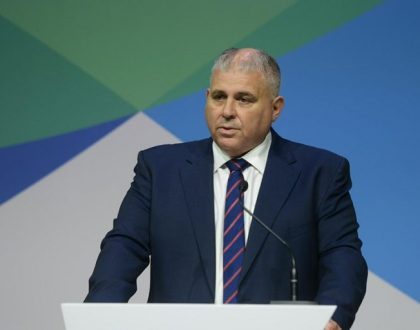
Controversial Qajjenza Development by Paul Attard Nears Approval

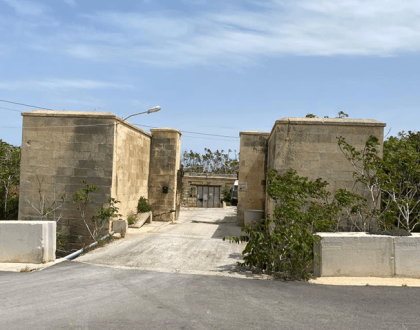
A major development project led by Paul Attard, secretary general of the Malta Developers Association (MDA) and a central figure in the local construction industry, is expected to secure planning approval this week despite public concern and objections from environmental organisations. The development, which is located on part of the site of the former LPG bottling facility in Qajjenza, will consist of three substantial blocks—two intended for residential apartments and one designated as a care home for the elderly.
The site, located in Birżebbuġa, a coastal town in Malta's south, has already been subject to extensive planning modifications which have allowed Attard to pursue a development much denser and taller than previously permitted. The changes to local planning configurations, introduced in what critics argue was a piecemeal and opaque fashion, now permit structures up to seven storeys tall—far exceeding original local plan limits.
From expansive ambition to scaled-back plans
Attard initially envisioned a far more ambitious project that extended beyond the current application. His early informal plans reportedly sought to take over roughly two-thirds of the decommissioned LPG facility, land that had originally been allocated to Enemalta, the state-owned energy provider. These original plans included large-scale residential and commercial developments along the seafront, a proposal that would have dramatically transformed the landscape of the Qajjenza area.





















However, the original vision did not progress. Following a report by investigative news outlet The Shift, revealing the full extent of Attard’s ambitions, the community of Birżebbuġa—long a stronghold of Labour Party support—reacted with significant backlash. In response to this public discontent, Energy Minister Miriam Dalli, who represents the constituency, disassociated herself from the project, and the plans for broader commercialisation were shelved.
Revised development scope and financing structure
According to the revised plans now under review, Attard’s project will be built on a third of the decommissioned plant, specifically an 8,000 square metre parcel acquired from private landlords. The acquisition was secured via a promise of sale agreement for a reported sum of €12 million. Notably, this significant purchase was funded through the issuance of public bonds, a method that raised eyebrows given the potential risks and implications for public interest.
The approved design includes two blocks containing approximately 200 residential apartments and a third block accommodating a 240-bed care home for the elderly. The development also includes two subterranean levels providing parking space for 236 vehicles. The blocks will rise to a height of seven floors—an element of the proposal that has attracted criticism from various sectors, including environmental and civic groups.
Civil society objections and planning authority interpretation
Notably, two respected environmental and heritage advocacy groups, Din l-Art Ħelwa and Moviment Graffitti, lodged formal objections to the project, focusing particularly on the excessive building height of the elderly care home. They argued that the structure would exceed even the exceptions granted to Attard under the revised planning framework.
Despite these concerns, the Planning Authority’s case officer dismissed the objections, asserting that building height must be calculated based on the plot’s highest natural ground level. This interpretation conveniently aligned with Attard’s development parameters and has been criticised by activists as favouring the developer's interests over the intent of local planning laws.
Photomontages prepared for the application process suggest that the new structures will have a pronounced visual impact on the surrounding area, further fuelling concerns about overdevelopment and the erosion of coastal character.
Lack of local council involvement
The Birżebbuġa Local Council, under Labour Party leadership, did not engage in the Planning Authority’s consultation process regarding the proposed development—a decision that has left many residents frustrated and raised eyebrows among planning observers. The absence of any formal input or objection from the council—despite the magnitude and visibility of the project—has been interpreted by some as an act of political alignment or negligence.
Given the council’s statutory role in representing the local population’s interests in planning matters, its silence on this project raises questions about transparency, democratic accountability, and whether political considerations may have overshadowed the council’s duty to its constituents.
Developer’s expanding footprint in the care home sector
If approved, the Qajjenza development would mark Paul Attard’s third major project in the elderly care sector, under the banner of his newly formed company Plan Group. He also retains a one-third ownership in GAP, the prominent construction group behind several large-scale projects, including the Fort Cambridge high-rise development in Sliema.
Attard’s two existing elderly homes, located in Għargħur and Baħar iċ-Ċagħaq, are already in operation and have been contracted by the government under lucrative direct order agreements. These contracts, awarded without competitive tender, involve substantial leasing arrangements where beds are rented by the state, contributing millions of euros to Attard’s ventures.
This public-private partnership model has become increasingly controversial, particularly in the context of rising scrutiny over how public funds are disbursed and the apparent concentration of government contracts among a small group of politically connected developers.
Implications for planning policy and public confidence
The Qajjenza project is emblematic of broader trends in Maltese planning and development—particularly the practice of making incremental changes to local plans that appear tailored to facilitate specific private developments. Critics argue that such tactics erode the integrity of urban planning and risk undermining public trust in regulatory institutions.
The opacity of the planning process, the lack of genuine consultation with affected communities, and the deference shown to influential figures in the construction industry, continue to be sources of concern among planning reform advocates. The fact that a prominent developer such as Attard can secure significant alterations to planning rules, acquire public land under advantageous terms, and fund projects through public bond issues—while facing limited institutional resistance—raises questions about governance, equity, and the separation of business and political interests in Malta.
A test case for reform and accountability
As the Planning Authority prepares to make its final decision on this contentious proposal, the case serves as a litmus test for the government's professed commitment to transparency, fair planning processes, and public interest. Regardless of whether the project is ultimately approved or not, it underscores the urgent need for planning reform, especially in relation to local council participation, public consultation, and the regulatory treatment of politically influential developers.
Moreover, the outcome will likely shape public perception of the Labour Party's handling of development issues, particularly in traditionally loyal localities like Birżebbuġa, where quality of life and environmental concerns are becoming more pressing.
Conclusion
The impending approval of Paul Attard’s Qajjenza development underscores the persistent tensions between private development interests, public planning policy, and community wellbeing in Malta. While the project promises new housing and elderly care infrastructure—sectors that are both in demand—it also raises significant questions about transparency, equitable access to development opportunities, and the long-term consequences of incremental planning amendments that disproportionately benefit a few influential individuals.
The lack of local council engagement, the selective interpretation of planning rules, and the reliance on public financing mechanisms for private profit suggest a system in need of reform and greater oversight. As Malta continues to grapple with rapid urbanisation and growing public concern over environmental degradation and overdevelopment, projects like this serve as critical test cases for the credibility and independence of the country's planning institutions.
Ultimately, the Qajjenza case reflects deeper systemic challenges that go beyond one developer or one locality. It calls for a national dialogue on development ethics, institutional accountability, and the balance between economic growth and sustainable urban living. Without meaningful change, the public's confidence in planning governance will likely continue to erode—posing long-term risks not just to Malta's landscape, but to its democratic fabric.
FAQs
What is the Qajjenza development project by Paul Attard?
It is a proposed redevelopment of part of the former LPG bottling plant in Qajjenza into residential apartments and an elderly care home.
Who is Paul Attard?
Paul Attard is a developer, secretary general of the Malta Developers Association, and a shareholder in GAP, one of Malta’s leading construction groups.
Why is the project controversial?
The project is controversial due to planning changes allowing excessive building height, the use of public bonds for funding, and perceived political influence.
What changes were made to the local plan for this project?
The planning configuration was altered to permit buildings of up to seven storeys, despite the area originally having stricter height limitations.
Was public land involved in the project?
While the larger plan included public land, the current proposal only involves an 8,000 sqm plot acquired from private owners via a promise of sale.
How did the local council respond to the project?
The Birżebbuġa local council did not participate in the Planning Authority’s consultation process and did not file an objection.
What objections were raised?
Din l-Art Ħelwa and Moviment Graffitti objected to the project, particularly its height and potential visual impact.
How did the Planning Authority respond to objections?
The case officer dismissed the height-related objections, arguing that the building height should be measured from the plot’s highest point.
What is Plan Group?
Plan Group is the development vehicle under which Paul Attard is executing this and other elderly care projects, including two others already operational.
How is the project funded?
The acquisition of the site was financed through public bonds, a detail that has attracted scrutiny given the public nature of the investment.

Claire
A highly motivated, results-driven, enthusiastic and ambitious writer. I can offer you well researched and high-quality article writing on any topic for your website or blog and can as well re-write your existing web content.