Controversy rises over DB Group tower expansion

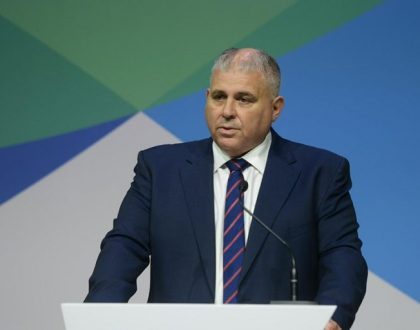
Prime Minister Robert Abela is facing growing scrutiny from the public and civic organisations over his recent attempts to introduce new planning laws perceived as favouring large corporations. The controversy intensified after the Planning Authority (PA) unexpectedly postponed a decision on the DB Group’s latest application to add 13 floors to its residential towers at the former ITS site in St George’s Bay, raising questions about government influence on the planning process.
The decision to halt the meeting came at a critical moment, as the Planning Board was set to discuss the controversial application from DB Group, which seeks to extend its two residential towers in Pembroke. Minutes before the discussion was due to begin, Planning Board Chairman Manuel Camilleri requested a ten-minute recess. Upon returning, he announced that the meeting would be immediately suspended because one of the board members, Romano Cassar, representing a non-governmental organisation (NGO), was not present. According to Camilleri, Cassar’s nomination had yet to be published in the Government Gazette.
The announcement, delivered at the last minute and after the Board had already deliberated on another permit, left many attendees stunned. Observers interpreted the suspension as a possible maneuver to delay the approval of DB Group’s permit. Concerns arose that the decision was politically motivated and designed to manage public and media scrutiny, rather than being based on procedural legality.





















Controversy surrounding the Board’s decision
Several officials within the Planning Authority have indicated that the excuse given for the halt—Cassar’s absence—is not supported by existing legislation, specifically the Development Planning Act, which governs Planning Board procedures. Critics noted that the same Board had previously proceeded to deny an application from developer Marco Gaffarena to convert farmland in Kirkop into warehouses, even when Cassar was not present. This discrepancy has fueled suspicion that the suspension regarding DB Group’s application may have been selective.
“Romano Cassar was not present for the same session when the same Board shot down the Gaffarena permit. What happened in the meantime and why was the session abruptly halted as soon as the discussion was about to start on the DB’s permit?” PA officials asked on condition of anonymity, highlighting the apparent inconsistency.
Another senior PA official commented to The Shift, stating, “It is obvious that Robert Abela wants this permit to be issued after the budget to avoid further controversy.” The remark reflects ongoing concerns that the timing of planning decisions is being manipulated to align with government priorities and to reduce public backlash.
Public opposition and planned protests
Civil society organisations and NGOs have responded swiftly to these developments, announcing plans for a large protest outside Parliament on Budget Day. The demonstration is intended to voice opposition to what activists describe as Abela’s “pro-business planning reforms” that favour large developers over community interests.
The situation has been exacerbated by recent reports indicating that the Pembroke local council, which has a Labour Party majority, had shifted its stance to oppose the DB Group’s extension. Interestingly, the council had initially submitted no objections to the DB Group’s permit when it was first published. Subsequent revelations showed that the council had reached a financial agreement with DB Group regarding the development of community spaces in the area, raising concerns about conflicts of interest and the transparency of local governance.
The reversal of the council’s position at the last minute has been interpreted by many in the local community as a response to public pressure and media scrutiny. Residents and community groups have expressed dissatisfaction with the perceived lack of transparency and fairness in the planning process, particularly regarding decisions that have long-term impacts on the local skyline, environment, and housing availability.
The DB Group’s ambitious development plans
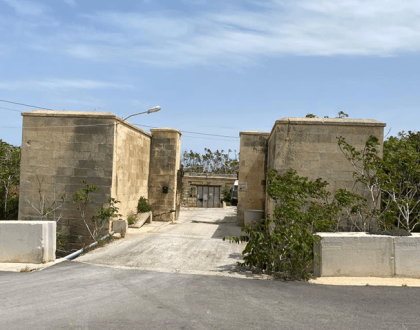
The DB Group, a prominent developer in Malta, was granted a concession for public land following a tender issued by the Labour Government under former Prime Minister Joseph Muscat. The company is currently redeveloping the former ITS institute site into a five-star hotel alongside two residential towers. The proposed addition of 13 extra floors to these towers would result in 82 new apartments, intensifying concerns among local residents regarding overdevelopment and the strain on infrastructure.
Critics argue that such large-scale developments can alter the character of local communities, create traffic congestion, and put pressure on public services. They also raise questions about the equitable distribution of housing and urban space, as projects of this scale are often oriented toward high-end buyers, potentially reducing access to affordable housing in the area.
Political implications for Robert Abela
The suspension of the Planning Board meeting has placed Prime Minister Robert Abela under additional political pressure. Critics assert that delaying the permit until after the budget allows the government to mitigate public backlash and avoid scrutiny during a sensitive fiscal period. By postponing decisions on high-profile projects like the DB Group towers, the government may seek to control the narrative and limit political fallout.
Opposition parties have seized on these developments, framing the issue as evidence of preferential treatment for large developers. Parliamentary debates are expected to intensify as Budget Day approaches, with legislators scrutinising the planning process and its alignment with broader government policies.
Community concerns and urban planning
Urban planning experts and community leaders have emphasised the importance of transparency, accountability, and public consultation in the approval of large-scale developments. They argue that decisions affecting urban landscapes must consider not only economic benefits but also social, environmental, and cultural impacts.
“The public has a right to understand how and why decisions are made, particularly when they involve high-rise developments in residential areas,” noted one urban planning analyst. “Failure to ensure transparency undermines trust in the planning process and fuels public opposition.”
Local residents have echoed these concerns, organising petitions and community meetings to discuss the potential implications of the DB Group project. These efforts highlight a broader trend of increased civic engagement in urban development decisions, reflecting heightened public awareness of environmental sustainability, community cohesion, and quality of life.
Transparency and governance challenges
The sudden suspension of the Planning Board meeting has raised questions about governance practices within Malta’s planning system. While the Development Planning Act provides guidelines for Board operations, critics argue that the law is sometimes interpreted selectively, allowing for ad hoc decisions that favour particular stakeholders.
Legal experts suggest that procedural irregularities, even when minor, can have significant implications for public trust. Ensuring that Planning Board decisions are conducted transparently and consistently is essential for maintaining legitimacy and mitigating claims of political interference.
Looking ahead
As the debate over DB Group’s proposed towers continues, attention is likely to focus on several key areas: the final decision by the Planning Authority, the response of local government bodies, the level of public engagement, and the broader implications for urban planning policy in Malta. Stakeholders, including residents, NGOs, and political actors, will continue to monitor developments closely.
The unfolding situation also serves as a case study in balancing economic development with community interests. While large-scale investments can bring financial growth and job creation, they must be carefully weighed against social, environmental, and aesthetic considerations to ensure sustainable and inclusive urban development.
Conclusion
Prime Minister Robert Abela’s handling of the DB Group permit controversy highlights the challenges of navigating public opinion, corporate interests, and governance standards. The suspension of the Planning Board meeting has intensified scrutiny of Malta’s planning processes, drawing attention to questions of transparency, consistency, and political influence. As community protests and political debate continue, the outcome of this case may shape both public trust and future urban development policy in Malta.
FAQs
What was the DB Group planning application about?
The DB Group applied for permission to add 13 extra floors to its residential towers at the former ITS site in St George’s Bay.
Why was the Planning Authority meeting suspended?
The meeting was halted because board member Romano Cassar was absent, as his nomination had not yet been published in the Government Gazette.
Has Romano Cassar missed previous board sessions?
Yes, he was absent during the discussion of another permit, but that application was still processed, raising questions about the consistency of the Board’s actions.
Why are NGOs protesting against the planning reforms?
NGOs believe the reforms favour large developers and undermine community interests, prompting a planned protest outside Parliament on Budget Day.
What role did the Pembroke local council play?
The council initially submitted no objections but later reversed its position, reportedly after reaching a financial agreement with DB Group regarding community spaces.
Who granted DB Group the land concession?
The land was granted through a government tender by the Labour Government under former Prime Minister Joseph Muscat.
How many additional apartments would the new floors create?
The proposed extension would create 82 additional residential apartments.
Why is the decision politically sensitive?
Delaying the permit until after the budget is seen as a strategy to avoid public and media scrutiny during a critical fiscal period.
What are the main concerns of local residents?
Residents are concerned about overdevelopment, traffic, strain on public services, and changes to the local community character.
How might this affect Malta’s planning policy in the future?
The controversy may prompt stricter transparency requirements, greater public engagement, and more scrutiny of politically sensitive urban development projects.

Anna Amstill
I am an avid Blogger and Writer with more than 6 years of experience with Content Writing. An Online Marketing expert specializing in Blog writing, Article writing, Website content, SEO specific Keyword content and much more. Education B.A. - business management, York University, Canada, Graduated 2016.