Court orders €170,000 payout to Maestro Brian Schembri
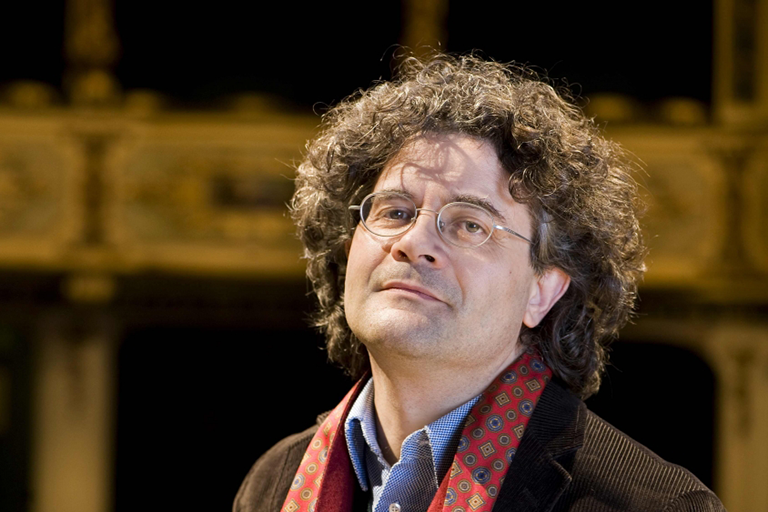
A long-standing legal battle between renowned conductor Maestro Brian Schembri and Malta’s national orchestra has ended with a court ruling that may result in a public payout of nearly €170,000 from state funds. The Court of Appeal found that Schembri’s dismissal in 2017 was both unlawful and procedurally flawed, a decision now resulting in substantial damages, including compensation for lost salary and legal expenses.
At the heart of the case lies a bitter power struggle between Schembri and Sigmund Mifsud, a government-appointed executive at the orchestra, which dates back to 2013. Despite the court’s clear ruling, the broader ramifications of the conflict continue to raise questions about political appointments in Malta’s cultural institutions and the use of public funds.
Background: From political appointment to professional conflict
The dispute can be traced back to 2013, when Sigmund Mifsud, a former musician with the orchestra and an unsuccessful Labour Party electoral candidate, was appointed chairman and chief executive of the national orchestra. The appointment was facilitated under the administration of former prime minister Joseph Muscat, bypassing standard public appointment procedures in favor of politically-aligned figures.





















Although José Herrera served as culture minister at the time, it was Muscat who gave informal clearance for Mifsud’s decision to appoint Schembri as artistic director and conductor of the national orchestra. Mifsud’s intentions initially appeared progressive; bringing in a high-caliber conductor like Schembri was seen as an investment in raising the orchestra’s international profile. However, that vision quickly began to unravel.
Breakdown of relations and contested authority
Despite initial optimism, the working relationship between Schembri and Mifsud deteriorated. Reports suggest that both parties clashed over artistic autonomy and governance. Schembri, internationally respected and operating with a strong sense of creative independence, found himself at odds with Mifsud’s management approach. The discord was exacerbated by unclear boundaries of authority and a lack of ministerial oversight.
Efforts by Culture Minister Owen Bonnici, who assumed the portfolio after Herrera, to mediate or intervene proved negligible. According to court findings, Schembri had formally requested assistance from Bonnici to de-escalate tensions, but the minister allegedly declined to become involved, citing an unwillingness to “take sides.”
Contract termination and legal fallout
In 2017, the strained relationship reached a breaking point. Mifsud unilaterally terminated Schembri’s second three-year contract, which had only recently commenced. The contract, however, included a clause guaranteeing the full payment of the agreed salary if prematurely terminated without cause. Rather than negotiating a resolution or observing contractual obligations, Mifsud reportedly accused Schembri of abandoning his duties. Conversely, Schembri maintained that Mifsud had actively attempted to diminish his artistic role and authority.
In response, Schembri initiated a lawsuit against the national orchestra, alleging that his termination constituted a breach of contract and was carried out unlawfully. After years of litigation, the Court of Appeal ruled in Schembri’s favor in 2024, affirming that his removal had indeed been procedurally improper and contractually indefensible.
The judgment awarded €168,000 in damages to cover unpaid salary over the duration of the prematurely terminated contract, plus additional legal costs—collectively to be paid by the orchestra and, by extension, the Maltese taxpayer.
Court’s decision underscores accountability gaps
In delivering the ruling, the Court of Appeal emphasized that the national orchestra’s board of directors, under Mifsud’s leadership, had failed to act in accordance with legal standards and contractual obligations. The court refrained from directly attributing personal liability to Mifsud, since the legal action was brought against the orchestra as an entity. Nonetheless, the outcome illustrates how politically-driven appointments, when mismanaged, can lead to public liabilities and reputational damage for state institutions.
Of further concern is the orchestra’s operational management, which allowed a single executive to override contractual protections without adequate oversight or internal review.
Broader implications for governance and public funding
The financial consequences of this case add to a growing list of controversies involving government appointees in Malta’s public and cultural sectors. Questions are increasingly being asked about the appointment process for key posts, especially when individuals are selected based on political affiliation rather than experience in institutional governance or legal compliance.
In Schembri’s case, the irony is particularly stark. The government had recruited him to elevate the artistic standing of the national orchestra, only to be embroiled in a dispute that rendered him unable to perform for three years and ultimately saw the public treasury fund the fallout.
Sigmund Mifsud’s continued public involvement
Despite the controversy surrounding the dismissal of Maestro Schembri and its financial consequences, Sigmund Mifsud has remained active in state-linked projects. In 2022, he was forced to step down from the orchestra’s leadership following a separate legal issue—allegations of sexual harassment brought forward by an employee. The criminal proceedings are still underway, with Mifsud firmly rejecting all accusations made against him. He has not been convicted, and the presumption of innocence continues to apply.
Nevertheless, just weeks before the latest court judgment in the Schembri case, Mifsud reportedly received a new government-backed role, assisting Public Broadcasting Services (PBS) in matters related to the Eurovision Song Contest. While the contract’s nature and terms remain undisclosed, this appointment has raised further questions regarding transparency in public recruitment, particularly for individuals previously involved in misconduct allegations or litigation exposing state liabilities.
PBS has refused to release information about Mifsud’s contract, citing internal policy. Legal observers and civil society groups, however, argue that transparency in public spending must prevail, particularly where taxpayer funds are used to compensate individuals already involved in controversial incidents.
Schembri’s legacy and cultural contribution
Maestro Brian Schembri, a native of Żejtun, remains one of Malta’s most internationally respected conductors. Before returning to Malta, he held prestigious posts abroad and conducted leading orchestras across Europe. His reputation, both at home and internationally, suffered due to the fallout with the national orchestra, yet he has maintained a dignified silence throughout much of the legal process.
His legal victory may offer some form of institutional redress, although it does little to recover the three years of lost work or the reputational toll inflicted by the long-running conflict. It also raises fundamental concerns about the treatment of high-caliber professionals in Malta’s public sector when faced with politicized management structures.
Moving forward: Legal and institutional lessons
The ruling in favor of Brian Schembri serves as a clear reminder that public institutions are legally bound to uphold contractual agreements, irrespective of political considerations. It also demonstrates the judiciary’s role in maintaining checks and balances where internal governance fails.
For government ministries, particularly the Ministry for Culture, the case underscores the need for transparent hiring practices, conflict mediation mechanisms, and stronger legal review of executive actions. Failure to implement such safeguards risks undermining the credibility of Malta’s cultural institutions and places unnecessary financial burdens on the taxpayer.
Conclusion
The legal resolution in favor of Maestro Brian Schembri marks a significant moment not only for the parties involved but also for Malta’s broader public sector and cultural governance. At its core, this case underscores the serious consequences of mismanagement, politically-motivated appointments, and the failure to uphold contractual and legal responsibilities within state institutions. The Maltese taxpayer is now bearing the financial burden of what the courts have clearly recognized as an unlawful dismissal—an outcome that could have been avoided through transparent oversight, professional management, and timely ministerial intervention.
For Schembri, the decision may restore some degree of justice and public recognition of his professional integrity, though it cannot undo the reputational and personal toll of years spent in litigation. For the government and cultural bodies, however, the case should serve as a cautionary tale—highlighting the urgent need for reform, legal accountability, and a commitment to insulating public institutions from undue political influence. Only through such measures can Malta ensure that its cultural and public sectors operate in a manner that is both legally sound and deserving of public trust.
FAQs
What was the court case involving Brian Schembri about?
It involved the unlawful termination of Maestro Schembri’s contract as artistic director of the national orchestra by its then-chairman, Sigmund Mifsud.
How much is the Maltese government required to pay Brian Schembri?
Approximately €170,000, including €168,000 for lost salary and additional legal costs.
Who was responsible for terminating Schembri’s contract?
Sigmund Mifsud, the then-chairman and CEO of the national orchestra, terminated the contract in 2017.
Why was the termination ruled unlawful?
The court found that the orchestra failed to honor contractual obligations, particularly a clause that guaranteed full salary if the contract was ended prematurely.
Did the Culture Ministry intervene in the dispute?
Culture Minister Owen Bonnici declined to intervene, reportedly choosing not to take sides during the conflict.
Was Brian Schembri accused of abandoning his role?
Yes, Mifsud publicly accused him of doing so, but the court rejected this claim and sided with Schembri.
What role did Joseph Muscat play in the appointment?
Muscat reportedly approved Mifsud’s decision to appoint Schembri, bypassing standard ministerial processes.
What is the current status of Sigmund Mifsud?
He remains active in public projects and recently received a paid role with PBS, despite ongoing legal proceedings in a separate harassment case.
Is the harassment case against Mifsud concluded?
No, it remains ongoing. Mifsud denies the allegations, and the court case has yet to conclude.
What are the broader implications of the case?
It highlights the risks of politicized appointments and the need for stronger legal oversight in public institutions.

Anna Amstill
I am an avid Blogger and Writer with more than 6 years of experience with Content Writing. An Online Marketing expert specializing in Blog writing, Article writing, Website content, SEO specific Keyword content and much more. Education B.A. - business management, York University, Canada, Graduated 2016.