Crypto Wallets – The Increasing Target for Cybercriminals
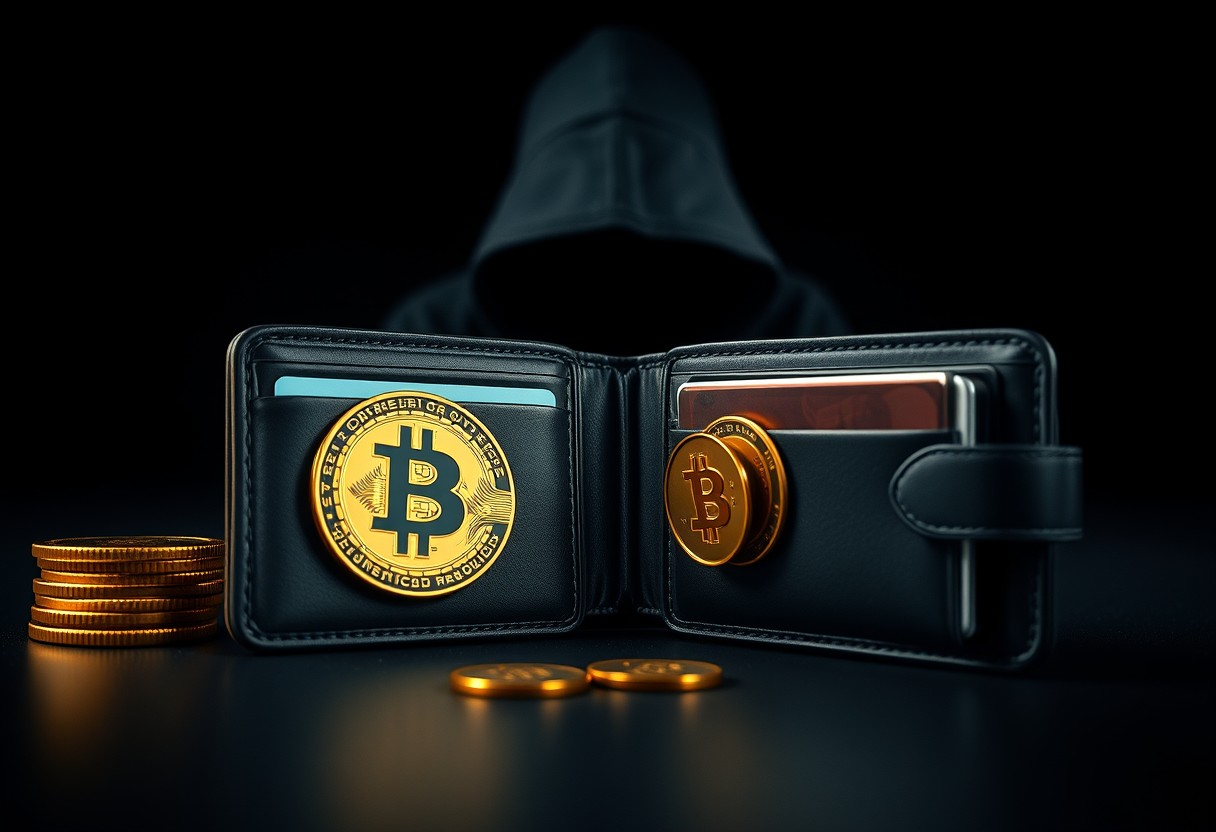
Just as the cryptocurrency market has exploded in popularity, so too has the interest from cybercriminals looking to capitalize on the assets you hold. In this blog post, I will explore how crypto wallets have become prime targets for hackers and scammers, revealing the tactics they use and the protective measures you can adopt. Understanding these threats is crucial for safeguarding your digital assets, as data breaches and phishing attempts grow more sophisticated. Let's examine into the world of crypto security and empower you to better protect your investments.
Understanding Crypto Wallets
A crypto wallet is a digital tool that allows you to store, send, and receive cryptocurrencies. Unlike traditional wallets that hold physical cash, crypto wallets contain your public and private keys, which are important for managing your digital assets. I find it important to understand how these wallets work in order to safeguard your investment and navigate the increasingly complex world of cryptocurrency.
Types of Crypto Wallets
There are various types of crypto wallets, each with distinct features:





















- Hardware Wallets
- Software Wallets
- Web Wallets
- Mobile Wallets
- Paper Wallets
Perceiving the differences among these wallet types can significantly affect your overall security and access convenience.
| Type of Wallet | Security Level |
|---|---|
| Hardware Wallet | High |
| Software Wallet | Medium |
| Web Wallet | Low |
| Mobile Wallet | Medium |
| Paper Wallet | High |
Functionality and Security Features
Security is a paramount concern when it comes to crypto wallets. These wallets come with various features designed to protect your assets, such as two-factor authentication, encryption, and recovery phrases. I recommend researching wallet features before choosing one, as the level of security may vary greatly among different options.
Plus, the functionality of each wallet can differ significantly. For instance, hardware wallets are ideal for long-term storage and high security, while mobile wallets excel at convenience for daily transactions. Understanding these features will help you select a wallet that aligns with your security needs and usage patterns, ensuring your cryptocurrencies remain secure and accessible.
Cyber Threat Landscape
Even with advancements in technology, the threat landscape surrounding cryptocurrency continues to evolve, making it a prime target for cybercriminals. As more people and businesses adopt cryptocurrencies, the potential for malicious attacks increases, threatening the security of crypto wallets and the assets they hold. Understanding these threats is vital for anyone who engages in digital currency transactions.
Overview of Cybercriminal Tactics
Overview of cybercriminal tactics reveals a diverse array of methods employed by hackers to exploit vulnerabilities. From phishing scams designed to trick users into revealing private keys to sophisticated malware aimed at stealing sensitive information, cybercriminals are continually adapting their strategies. It's crucial for you to stay informed and vigilant to protect your assets.
Vulnerabilities Specific to Crypto Wallets
On the topic of vulnerabilities specific to crypto wallets, I have seen that these digital storage solutions can be particularly susceptible to attacks. Issues such as poor key management, outdated software, and inadequate user awareness can create openings for cybercriminals. A single oversight can lead to significant financial losses.
Cyber vulnerabilities unique to crypto wallets stem from their inherent design and the user's interaction with them. For instance, the reliance on private keys means that if you mishandle or share them, malicious actors can gain unrestricted access to your funds. Additionally, not all wallets have the same level of security, with software wallets often being more at risk than hardware wallets. Regular updates and staying educated on potential scams are critical in mitigating these risks.
High-Profile Wallet Hacks
Now, as the popularity of cryptocurrencies surges, cybercriminals are increasingly targeting high-profile wallets, leading to significant losses for individuals and platforms alike. These hacks highlight the vulnerabilities inherent in various wallets and the urgent need for enhanced security measures to protect digital assets. Understanding these breaches can help you fortify your defenses against potential attacks.
Notable Incidents
HighProfile wallet hacks, such as the 2016 Bitfinex breach where hackers stole over $70 million in Bitcoin, serve as stark reminders of the risks involved. Another significant incident occurred in 2020 when hackers compromised the funds of several high-profile Twitter accounts, leading to a substantial amount of Bitcoin being siphoned off. These incidents underscore the critical importance of robust security strategies for all cryptocurrency users.
Lessons Learned
The recent spate of hacks provides valuable lessons about the importance of securing your crypto assets. To protect yourself, it's crucial to adopt multi-factor authentication, use hardware wallets for storing large amounts, and remain vigilant about phishing attempts that could compromise your wallet's security. Awareness and education can significantly reduce the risks associated with cryptocurrency storage.
To further enhance your security practices, consider diversifying your storage solutions by using multiple wallets. This way, even if one wallet is compromised, your other assets remain secure. Staying informed about the latest security developments in the crypto world will empower you to make smarter decisions. Regularly updating your software and employing strong, unique passwords for your wallets can also play a crucial role in safeguarding your digital currency investments.
Protecting Your Crypto Assets
For anyone involved in cryptocurrency, safeguarding your assets should be a top priority. With cybercriminals increasingly targeting crypto wallets, it's vital to adopt strong security measures to protect your investments. Implementing best practices for encryption, backup, and multi-factor authentication can significantly reduce the risk of unauthorized access. Always stay vigilant and keep abreast of evolving security threats in the crypto space.
Best Practices for Wallet Security
Crypto enthusiasts must prioritize wallet security by employing a mix of hardware wallets, secure passwords, and regular updates. Utilizing strong, unique passwords and enabling two-factor authentication adds layers of security that can deter potential threats. I recommend keeping your private keys offline and regularly checking for software updates to fix any security vulnerabilities.
Recommendations for Users
On top of implementing basic security measures, it is crucial to stay educated about potential scams and phishing attacks. You should also diversify your crypto holdings across multiple wallets to minimize risk. Additionally, I recommend storing only a small amount of cryptocurrency in online wallets, while keeping the majority in offline storage.
Plus, being proactive in your approach to security can make all the difference. Regularly monitoring your accounts for suspicious activity and being wary of unsolicited communications can help you avoid becoming a victim of fraud. Engaging in community discussions and forums can also provide helpful insights on the latest security practices and tools available to protect your crypto assets. By staying informed and cautious, you can significantly enhance the security of your digital investments.
Regulatory Landscape and Compliance
Not addressing the regulatory landscape surrounding crypto wallets can leave users vulnerable to legal repercussions and security breaches. As governments around the world work to formulate and enforce regulations, it's crucial for both individuals and providers to stay informed about the compliance requirements that could affect their transactions and wallet security. Understanding these regulations will help you navigate the complexities of cryptocurrency with confidence.
Emerging Regulations
For many users and operators in the cryptocurrency space, the rapidly evolving regulations can be both a challenge and an opportunity. As different jurisdictions implement their own rules regarding digital assets, it's crucial to recognize how these emerging regulations influence the way you manage your crypto assets. Being proactive about compliance can help ensure that you remain on the right side of the law and safeguard your investments.
Impact on Wallet Providers
Wallet providers are increasingly compelled to adapt their services to comply with various regulations. This can involve implementing stricter Know Your Customer (KYC) checks and Anti-Money Laundering (AML) practices, significantly affecting the operation and accessibility of their products.
Landscape changes in regulatory compliance necessitate that wallet providers not only secure their services but also enhance their reporting and transparency measures. As compliance becomes a core part of business operations, I see it creating potential barriers to entry for new players, while established providers may find it easier to adapt. These operational shifts may also lead to increased fees passed onto users, reinforcing the importance of choosing a wallet that prioritizes security while adhering to the required regulations.
The Future of Crypto Wallet Security
Once again, the landscape of crypto wallets is undergoing significant transformation as we look ahead. As cybercriminals adapt and evolve, I believe that we must also enhance our security protocols to safeguard our digital assets. The future will require a multi-faceted approach that encompasses advanced technology, user education, and robust regulatory frameworks to secure our crypto investments effectively.
Technological Innovations
Security in the crypto wallet space will heavily rely on technological innovations. I foresee the implementation of cutting-edge technologies such as biometrics, hardware isolation, and AI-driven threat detection systems, which will play a crucial role in safeguarding our wallets. As these technologies advance, I am optimistic that user experiences will improve while security risks are mitigated.
Evolving Security Measures
With the constant evolution of cyber threats, I am convinced that security measures must adapt accordingly. New strategies, including decentralized storage solutions and enhanced encryption techniques, will be vital in fortifying our wallets against potential attacks. These evolving measures will also emphasize user accountability, urging you to remain proactive in protecting your digital assets.
Understanding the importance of evolving security measures is crucial for anyone engaged in crypto investing. As hackers become more sophisticated, it's vital for I and you to keep abreast of developments like secure access protocols, recovery options, and regular wallet updates. By staying informed about the latest security practices and leveraging state-of-the-art tools, we can work together to bolster our defenses against potential threats and safeguard our digital currencies effectively.
Summing up
Presently, I recognize that crypto wallets have become prime targets for cybercriminals seeking to exploit vulnerabilities in the rapidly evolving digital currency ecosystem. As you engage with cryptocurrencies, I advise you to prioritize the security of your wallet through strong passwords, two-factor authentication, and regular software updates. Your awareness and proactive measures can significantly reduce the risks associated with cyber threats. Staying informed about security best practices is crucial in protecting your digital assets in this ever-changing landscape.

Michael
With nearly 30 years in corporate services and investigative journalism, I head TRIDER.UK, specializing in deep-dive research into gaming and finance. As Editor of Malta Media, I deliver sharp investigative coverage of iGaming and financial services. My experience also includes leading corporate formations and navigating complex international business structures.
Related Posts








Allwyn reports steady FY2025 growth with strategic expansion
March 19, 2026