Curacao and Anjouan tighten online gambling licensing
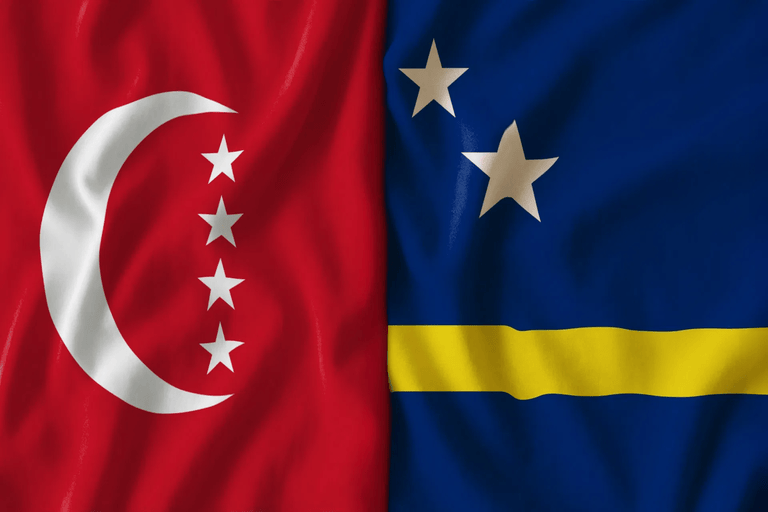
Over the past decade, Curacao and Anjouan have become two of the most frequently chosen offshore jurisdictions for online gambling operators. Their licences, often perceived as affordable yet effective, provided a pathway for new companies to enter the global market without being burdened by the heavy regulatory demands imposed within the European Union.
In 2025, however, both licensing bodies initiated significant reforms. Curacao transformed its regulatory model under the newly established Curacao Gaming Authority (CGA), while Anjouan Licensing Services launched a Recognition Certificate scheme aimed at aligning its practices with broader international compliance frameworks. Together, these reforms signal a decisive shift away from the perception of “easy” offshore licensing, with regulators focusing more closely on consumer protection, anti-money laundering (AML) safeguards, and technical fairness.
These developments carry far-reaching consequences not only for casino operators and service providers but also for consumers, investors, and policymakers worldwide.





















The rise of Curacao as a licensing hub
Popularity among online operators
Curacao has long been one of the most prominent offshore licensing jurisdictions in the gambling industry. Known for its relatively low costs and straightforward registration process, the Curacao Gaming Control Board previously issued licences under a system of master licences and sublicences. This approach gave operators significant flexibility but also raised concerns among consumer protection groups and European regulators.
For companies, the attraction was obvious: lower fees, faster approval, and the ability to serve multiple markets without facing strict audits. For players, Curacao-licensed casinos often provided access to platforms otherwise restricted in their home countries. Websites such as CosmoBet Casino became popular examples of how offshore licences enabled operations across borders.
Criticism of the former system
Despite its global reach, the previous licensing structure drew criticism. European regulators consistently pointed to a lack of transparency, limited enforcement mechanisms, and minimal safeguards for players. Consumer protection tools such as mandatory self-exclusion systems or affordability checks were either absent or not strictly enforced. This gap in oversight meant that vulnerable users could be exposed to harmful practices, undermining the trust of regulators in Europe.
Curacao’s reform and the establishment of the CGA
The transition to the Curacao Gaming Authority
In late 2024, Curacao announced a comprehensive reform of its licensing regime. The change was formalised through the National Ordinance on Games of Chance (LOK), which created the Curacao Gaming Authority (CGA). Unlike the previous system, the CGA now serves as the central regulatory body, responsible for issuing new licences and supervising all online gambling activity conducted from Curacao.
New licensing requirements
The reform introduced several new obligations for operators:
- Local presence: Licensees must establish a legal entity within Curacao and appoint a local director.
- AML compliance: Strict anti-money laundering policies must be adopted and enforced, in line with global financial standards.
- Responsible gambling measures: Operators must implement robust safeguards, including self-exclusion tools, spending limits, and awareness campaigns.
- Increased licensing costs: The financial requirements for obtaining and maintaining a licence have increased substantially, reducing the number of small-scale operators able to enter the market.
Transition for existing operators
Companies already operating under Curacao licences were granted a transition period to adjust to the new framework. During this phase, businesses must either upgrade their compliance systems to meet CGA standards or exit the jurisdiction. This transition is expected to significantly reduce the number of Curacao-licensed casinos, ultimately creating a more tightly controlled market.
Anjouan’s move towards global recognition
A lesser-known but growing jurisdiction
Located within the Comoros archipelago, Anjouan historically played a smaller role in the global iGaming sector compared to Curacao. Nevertheless, its licensing framework became increasingly attractive in the early 2020s, particularly to crypto-focused platforms and operators catering to players seeking privacy and anonymity.
The Recognition Certificate scheme
In July 2025, Anjouan Licensing Services launched a Recognition Certificate program. The system was designed to streamline licensing for operators that already hold reputable certifications from established regulators, such as the Malta Gaming Authority (MGA). By recognising licences from well-regarded authorities, Anjouan aims to attract businesses that already comply with high industry standards.
The scheme also strengthens cooperation among regulators, fosters industry-wide alignment on AML and consumer protection, and enhances transparency in B2B partnerships. Operators were given a three-month grace period to transition to the new model.
Focus on fairness and compliance
The Recognition Certificate program places emphasis on technical and ethical compliance, including:
- Stronger random number generator (RNG) testing procedures.
- Enhanced AML checks aligned with international requirements.
- Transparency obligations covering game fairness and financial flows.
These measures are intended to elevate Anjouan’s reputation, allowing the jurisdiction to transition from a niche licensing option into a globally recognised regulatory player.
European regulators remain cautious
Despite the reforms in Curacao and Anjouan, European authorities remain cautious about offshore licensing. Countries such as France and Germany continue to strengthen domestic controls to limit the influence of foreign operators on their regulated markets.
Supervisory agencies in the EU argue that while reforms improve accountability, they do not fully meet the stringent standards required under European Union directives. This creates ongoing challenges for offshore operators, who must not only secure a licence from jurisdictions like Curacao or Anjouan but also comply with EU-specific requirements if they wish to operate legally within European markets.
Global implications of the reforms
For operators
The increased licensing costs and stricter compliance requirements make offshore jurisdictions less accessible to small operators and startups. While this raises barriers to entry, it also creates a more reputable environment for established companies seeking to build long-term trust.
For consumers
Players may benefit from stronger consumer protections, including fairer games, better responsible gambling measures, and more transparent business practices. However, the reforms also mean that certain casinos may close or withdraw from specific markets if they cannot meet the new obligations.
For regulators
The developments in Curacao and Anjouan represent a step towards harmonisation of global gambling standards. Cooperation between offshore and European regulators could help create a more consistent framework that balances industry growth with player safety.
Conclusion
The reforms introduced by Curacao and Anjouan in 2025 mark a turning point in the global online gambling industry. By imposing stricter licensing conditions, requiring local presence, enforcing stronger AML policies, and demanding responsible gambling measures, both jurisdictions are moving away from their former image as lenient regulators.
While these changes enhance transparency and consumer protection, they do not guarantee full acceptance within the European Union, where supervisory authorities continue to enforce their own high standards. Nevertheless, the reforms position Curacao and Anjouan as more credible regulatory bodies on the global stage, potentially reshaping the future of offshore licensing.
For operators, the message is clear: compliance is no longer optional but an essential prerequisite for long-term sustainability. For players, the reforms bring the promise of safer, more transparent gaming environments.
FAQs
What is the Curacao Gaming Authority (CGA)?
The Curacao Gaming Authority is the new regulatory body established in 2025 to replace the former Curacao Gaming Control Board. It supervises online gambling and enforces stricter licensing requirements.
Why did Curacao reform its licensing system?
Curacao introduced reforms to address concerns about transparency, consumer protection, and compliance with international anti-money laundering standards.
What are the main changes under the new Curacao regime?
Operators must establish a legal entity in Curacao, appoint a local director, implement AML and responsible gambling measures, and meet higher licensing costs.
What is Anjouan’s Recognition Certificate?
The Recognition Certificate is a licensing system that allows operators already licensed by reputable regulators to acquire approval more quickly in Anjouan.
Why is Anjouan becoming more popular?
Anjouan’s updated licensing scheme emphasises fairness, transparency, and compliance, making it attractive to crypto-focused and international operators.
How do these changes affect players?
Players can expect stronger consumer protection measures, more transparent practices, and improved responsible gambling safeguards under the new regimes.
Will European regulators accept Curacao and Anjouan licences?
European regulators remain cautious. Operators must still meet EU-specific requirements even if they hold offshore licences.
How do these reforms impact new operators?
The higher costs and stricter obligations create challenges for startups, but they also raise industry standards and improve credibility.
When did the new rules come into effect?
Curacao’s CGA reforms were introduced in late 2024, with transition periods for existing operators, while Anjouan’s Recognition Certificate took effect in July 2025.
What is the long-term impact on the industry?
The reforms signal a global shift towards higher compliance standards, making offshore licences more reputable but also more demanding for operators.

Anna Amstill
I am an avid Blogger and Writer with more than 6 years of experience with Content Writing. An Online Marketing expert specializing in Blog writing, Article writing, Website content, SEO specific Keyword content and much more. Education B.A. - business management, York University, Canada, Graduated 2016.
Related Posts

Golden Whale appoints Jaime Ocampo as Asia Managing Director
April 13, 2026





Onlyplay launches Hot Dunk basketball slot with free spins
April 10, 2026