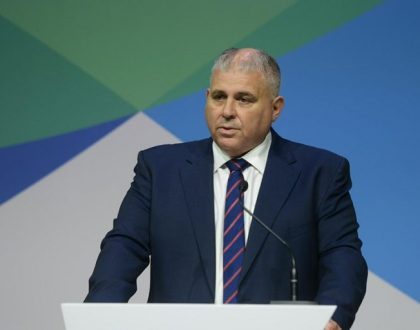
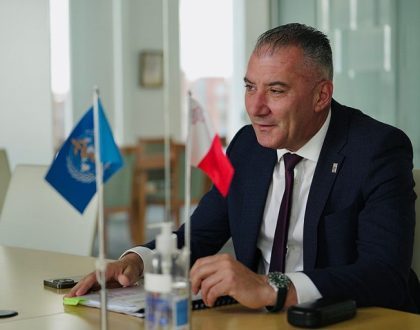
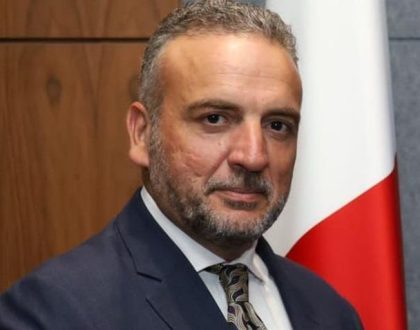
David Casa Leads EU Anti Corruption Law Reforms

Maltese Member of the European Parliament (MEP) David Casa has been appointed as the rapporteur of the European People's Party (EPP) to negotiate and contribute to the drafting of a groundbreaking anti-corruption law for the European Union. His role will involve extensive negotiations and discussions aimed at shaping a legislative directive that will impose stricter measures on EU member states to combat corruption.
This move signifies the European Parliament’s increased focus on fighting corruption, an issue that has long plagued member states, including Malta. Casa’s appointment underscores his prominence within the EPP, which is the largest political group in the European Parliament, and his dedication to combating corruption at a European level.
The Role of David Casa in Drafting the New Law
David Casa sits on the European Parliament's Committee on Civil Liberties, Justice, and Home Affairs (LIBE), which has a key role in shaping policies related to civil liberties, justice, and the rule of law across the European Union. His new responsibility as rapporteur for the EPP is particularly important as the committee works on drafting a directive aimed at setting minimum standards for addressing crimes related to corruption.





















Casa’s role will not only include negotiating with other political groups within the European Parliament but also engaging with EU member states to ensure that the directive is comprehensive, enforceable, and impactful. By doing so, Casa is positioned to influence a range of new anti-corruption measures that will bind member states to introduce criminal sanctions for corrupt behavior.
Tackling Corruption Across Europe
Corruption has been a persistent problem across many EU countries, with some member states facing criticism for failing to address it effectively. The EU’s new directive, which Casa is helping to draft, aims to tackle this issue by imposing stricter requirements on national governments. These requirements will obligate member states to criminalize corruption-related offenses and close any legal loopholes that allow corrupt practices to persist.
In his statement regarding the directive, Casa expressed frustration with the EU's previous inaction on corruption, particularly in his home country of Malta. “For years, people in Malta have been asking why the EU was so sluggish on corruption,” Casa said. His remarks reflect the sentiments of many Maltese citizens, who have been demanding more robust action from both their national government and the European Union to combat corruption at all levels of society.
The European Union’s anti-corruption directive is designed to address these concerns by creating a legal framework that member states must adhere to. The directive will also align with international standards, including the UN Convention Against Corruption (UNCAC), to which the EU is a signatory. This alignment ensures that the EU’s approach is consistent with global efforts to combat corruption.
Addressing Malta's Corruption Scandals
Malta has experienced a series of high-profile corruption scandals in recent years, many of which have had serious implications for the country's political and legal systems. Perhaps the most infamous case is the assassination of investigative journalist Daphne Caruana Galizia in 2017. Galizia had been investigating corruption at the highest levels of government before her murder, and her death sparked widespread outrage both in Malta and across Europe.
A public inquiry into her assassination revealed shocking evidence of attempts by public officials to obstruct and pervert the course of justice. Despite these revelations, there has been limited accountability for those involved in these efforts to derail the investigation into her murder. This situation has led to growing frustration among Maltese citizens, who feel that their country’s legal system is failing to hold powerful figures accountable for corrupt practices.
David Casa has been a vocal advocate for justice in the Caruana Galizia case and for broader reforms to address corruption in Malta. He has consistently called for stronger legal protections and sanctions to prevent public officials from obstructing justice. “Obstruction of justice is still not a crime in Malta,” Casa said in a recent statement. “This is yet another unaddressed loophole fueling impunity for criminals.”
Casa’s comments highlight the urgent need for legal reforms in Malta, where loopholes in the law have allowed corrupt individuals to evade justice. The new EU anti-corruption directive, which Casa is helping to shape, is expected to address these issues by binding member states to criminalize behaviors that obstruct justice and other forms of corruption.
The Broader Impact of the New EU Anti-Corruption Directive
The new anti-corruption directive will have far-reaching implications for all EU member states, not just Malta. Once passed, the law will require national governments to introduce criminal sanctions for a wide range of corrupt activities, including bribery, embezzlement, and the obstruction of justice. These sanctions will be enforced at the national level, but they will be backed by EU-wide legal standards, ensuring that there is a consistent approach to combating corruption across the Union.
The directive will also focus on preventing corruption by increasing transparency and accountability in public institutions. This includes measures to improve the monitoring of government contracts, public procurement processes, and financial transactions involving public officials. By addressing both the symptoms and the root causes of corruption, the directive aims to create a more transparent and accountable governance structure throughout the European Union.
Aligning with International Standards
The EU’s anti-corruption directive is closely aligned with the UN Convention Against Corruption (UNCAC), the most comprehensive international framework for combating corruption. The UNCAC outlines a series of measures that signatories must implement to prevent and criminalize corrupt practices. These measures include strengthening legal frameworks, increasing transparency, and improving international cooperation on corruption-related issues.
By aligning the new directive with the UNCAC, the EU ensures that its anti-corruption efforts are consistent with global standards. This alignment also facilitates cooperation between the EU and other countries in investigating and prosecuting cross-border corruption cases. International cooperation is particularly important in cases where corrupt individuals attempt to evade justice by moving assets or conducting illicit activities across multiple countries.
The Way Forward
As the rapporteur for the EPP, David Casa will play a key role in shaping the EU’s approach to fighting corruption in the coming years. His work on the new anti-corruption directive will be crucial in ensuring that the European Union has the legal tools necessary to hold individuals and institutions accountable for corrupt practices.
While the directive is still in the drafting stages, its eventual passage will mark a significant step forward in the EU’s efforts to combat corruption. With Casa leading the negotiations, there is a strong likelihood that the directive will be comprehensive, enforceable, and impactful.
For citizens across the European Union, including those in Malta, the new directive offers hope that corruption will no longer go unpunished and that those who attempt to pervert the course of justice will be held accountable. As Casa stated, “With this new directive combating corruption, we are delivering the change at EU level that our voters asked for, to bind governments to close gaps in law and in practice.”
Conclusion
David Casa’s role as rapporteur in shaping the EU’s new anti-corruption directive highlights the European Union's commitment to addressing corruption at both national and EU levels. With a focus on closing legal loopholes and aligning with international standards, this directive represents a significant step towards enhancing transparency, accountability, and the rule of law across member states. As negotiations continue, the directive promises to bring much-needed reforms, ensuring that corrupt practices and the obstruction of justice are met with strict penalties, safeguarding democracy and public trust throughout the Union.
FAQs
What is David Casa’s role in the new EU anti-corruption law?
David Casa is the rapporteur for the EPP, responsible for negotiating and drafting the EU’s new anti-corruption directive.
Why is the new anti-corruption directive significant for Malta?
Malta has faced several corruption scandals, and this directive aims to address loopholes in the country’s laws that allow corruption to persist.
What role does the European People’s Party play in the anti-corruption directive?
The European People’s Party is the largest political group in the European Parliament, and it is leading the negotiations on the new anti-corruption law.
How does the directive align with the UN Convention Against Corruption?
The directive reflects the principles of the UN Convention Against Corruption, which the EU is a signatory of, ensuring consistency with international standards.
Why is obstruction of justice a key focus in the new law?
In some member states, such as Malta, obstruction of justice is not fully criminalized, allowing corruption to go unpunished. The directive seeks to close this legal gap.
What is the purpose of the European Parliament's Committee on Civil Liberties?
The Committee on Civil Liberties works on issues related to justice, civil rights, and the rule of law within the EU, playing a key role in drafting anti-corruption laws.
How will the directive affect EU member states?
Once passed, the directive will bind EU member states to introduce stricter measures, including criminal sanctions, to combat corruption.
What is the legacy of Daphne Caruana Galizia in the fight against corruption?
Daphne Caruana Galizia was a Maltese journalist who exposed corruption and was assassinated for her work, sparking a renewed focus on corruption in Malta.
How will the directive increase transparency in public institutions?
The directive will introduce measures to improve the monitoring of government contracts, public procurement, and financial transactions involving public officials.
What is the timeline for the passage of the anti-corruption directive?
The directive is still in the drafting stages, but negotiations are ongoing, and it is expected to be passed within the coming years.

Anna Amstill
I am an avid Blogger and Writer with more than 6 years of experience with Content Writing. An Online Marketing expert specializing in Blog writing, Article writing, Website content, SEO specific Keyword content and much more. Education B.A. - business management, York University, Canada, Graduated 2016.