















Discover Malta’s Hidden Islands
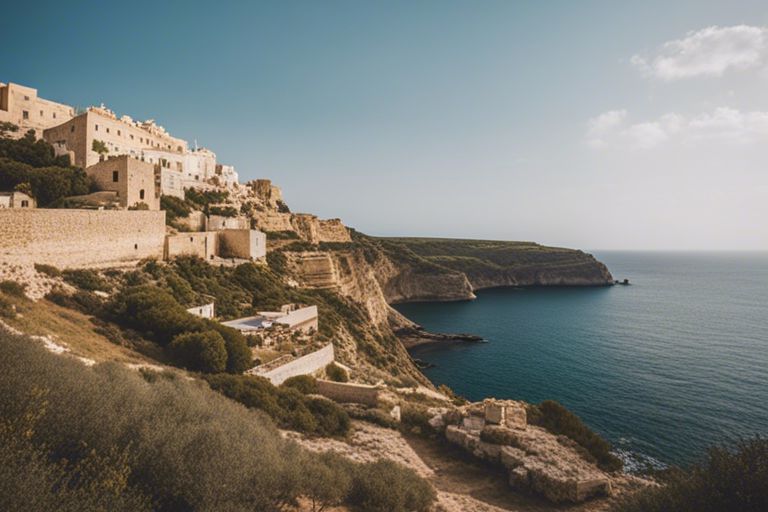
Islands hold a mystical allure, and #Malta’s archipelago is no exception. While many tourists flock to the main island of Malta, few venture out to its lesser-known islands which hold a treasure trove of hidden gems waiting to be discovered. From the rugged landscapes of #Gozo to the crystal-clear waters surrounding #Comino, these unspoiled havens offer a glimpse into the authentic beauty of the Mediterranean.
While exploring these off-the-beaten-path destinations can be incredibly rewarding, it's crucial to be prepared for the challenges that come with it. Navigating the rocky terrain of Comino or braving the rough seas to reach the secluded shores of Cominotto requires a sense of adventure and resilience. However, the serenity and peace that can be found on these hidden islands make every effort worthwhile.
This comprehensive guide will take you on a journey through Malta’s lesser-known islands, providing tips on how to get there, what to see and do, and how to make the most of your exploration. Whether you're a nature enthusiast, a history buff, or simply seeking a quiet escape from the bustling crowds, these hidden gems are sure to captivate your heart and leave you longing to return to their unspoiled beauty.





















Understanding Malta’s Archipelago
A Malta is not just a single island but an archipelago that consists of several islands in the central Mediterranean Sea. These islands are characterized by their unique landscapes, rich history, and diverse cultural heritage. The main islands of Malta are Malta, Gozo, and Comino, each offering its own distinct charm and attractions. In addition to these larger islands, there are also several smaller islets that make up the archipelago.
Types of Islands in Malta
- Mainland Islands: These include Malta, Gozo, and Comino, which are the largest and most visited islands in the archipelago.
- Secondary Islands: These smaller islands, such as Cominotto, Filfla, and St. Paul’s Islands, offer unique natural beauty and are popular for day trips and snorkeling.
- Tertiary Islands: These tiny islets, like Cominotto and Fifla, are generally uninhabited but serve as important wildlife reserves and nesting sites for birds.
- Quaternary Islands: While not always visible, these underwater seamounts and reefs play a vital role in the marine ecosystem around Malta.
- Stabilmento Islands: These artificial islands, like Manoel Island and Lazzaretto, have been developed for various purposes over the centuries.
Any exploration of Malta would be incomplete without a visit to these lesser-known islands, which offer a different perspective on the archipelago's natural beauty and historical significance.
Factors Influencing Island Accessibility
A Malta's unique geography and topography play a significant role in determining the accessibility of its various islands. Factors such as proximity to the mainland, size, terrain, and available infrastructure all impact how easily visitors can reach and explore these islands. Additionally, weather conditions and sea currents can also affect transportation to the different islands.
- Transportation Options: Ferries, boats, and water taxis are the main modes of transportation to the islands, with schedules and availability varying based on the island and the time of year.
- Infrastructure: The availability of ports, harbors, and facilities like restaurants and accommodations can greatly influence the accessibility and visitor experience on the islands.
- Regulations: Conservation efforts and protection measures are in place to preserve the natural beauty and ecosystems of the islands, which can impact visitor access and activities.
Any trip to Malta should take into account these factors to ensure a smooth and enjoyable island-hopping experience.
The Historical Significance of Malta's Lesser-Known Islands
Another aspect of Malta's archipelago that adds to its intrigue is the historical significance of its lesser-known islands. These smaller islets and outcrops have played various roles throughout Malta's history, from serving as strategic military outposts to being sites of religious significance and natural wonders. Exploring these islands offers a glimpse into the past and a deeper understanding of Malta's rich heritage. One island that holds particular historical importance is St. Paul’s Island, believed to be the site where the apostle Paul shipwrecked on his way to Rome. This event is recorded in the Bible and is a significant part of Malta's Christian heritage. Visiting this island provides a unique opportunity to connect with this biblical story and explore the ancient maritime history of the region.
Lesser-Known
While the larger islands of Malta and Gozo steal much of the spotlight, the lesser-known islands offer a quieter and more untouched experience for visitors. These islands, with their rugged coastlines, crystal-clear waters, and pristine beaches, are havens for nature lovers and outdoor enthusiasts. In addition, the smaller islets are home to unique flora and fauna, making them ideal for eco-tourism and wildlife enthusiasts.
However, it is important to note that some of these lesser-known islands pose challenges in terms of accessibility and infrastructure, requiring visitors to plan their trips carefully. While the seclusion and untouched beauty of these islands are their main draws, visitors should also be aware of the limitations and potential hazards of exploring remote areas. Proper preparation and respect for the natural environment are vital when visiting these hidden gems of Malta’s archipelago.
Getting to Malta's Satellite Islands
You've heard about Malta's main island, but did you know that there are several other satellite islands just waiting to be explored? These hidden gems offer a different side of Malta, with secluded beaches, crystal-clear waters, and charming villages. However, getting to these satellite islands can be a bit tricky, as they are not as popular among tourists. Here's how you can plan your trip to Malta's lesser-known islands.
Step-by-Step Guide to Planning Your Trip
| Research | Start by researching the satellite islands of Malta to see which ones interest you the most. Each island has its own unique attractions and charm, so make sure to pick the ones that align with your interests. |
| Transportation | Check the ferry schedules to the satellite islands and plan your transportation accordingly. Ferries are the most common way to reach these islands, and schedules may vary depending on the time of year. |
| Accommodation | Look for accommodation options on the satellite islands. While some islands may have limited stay options, others offer unique guesthouses and boutique hotels for a memorable experience. |
Tips for Cost-Efficient Travel
Your trip to Malta's satellite islands doesn't have to break the bank. Here are some tips for cost-efficient travel:
- Travel Off-Peak: Consider visiting the islands during the off-peak season when accommodation prices are lower and there are fewer crowds.
- Pack Light: As some ferries to the satellite islands may have weight restrictions, pack light to avoid any additional fees.
- Local Eateries: Opt for local eateries on the islands for authentic and affordable dining experiences.
Recognizing the importance of budget-friendly travel will help you make the most of your trip to Malta's lesser-known islands without overspending. Step-by-Step, planning your trip to Malta's satellite islands can be an exciting adventure filled with hidden treasures and unique experiences. By following these tips for cost-efficient travel, you can explore these hidden gems without breaking the bank. Recognizing the value of budget-friendly travel will allow you to make the most of your journey to Malta's lesser-known satellite islands.
Gozo: Malta's Tranquil Neighbor
Keep your sense of wanderlust alive by taking a short ferry ride from Malta to Gozo, the tranquil neighbor of the main island. Gozo offers a peaceful escape from the hustle and bustle of city life, with its serene countryside and picturesque landscapes. The slower pace of life on this idyllic island is perfect for those seeking relaxation and a connection to nature.
Exploring the Rustic Countryside
Clearly, one of the highlights of visiting Gozo is exploring its rustic countryside. The rolling hills, charming farmhouses, and winding lanes make Gozo a paradise for hikers and nature lovers. You can hike along the stunning coastline, visit traditional villages, and discover hidden gems off the beaten path. Don't miss the opportunity to sample local delicacies and fresh produce from the island's farms.
Historical Sites and Ancient Ruins
Assuming you have a penchant for history, Gozo won't disappoint. The island is home to several historical sites and ancient ruins that offer a glimpse into its rich past. Visit the Ġgantija Temples, which are older than the Egyptian pyramids, or explore the Citadel in Victoria, a fortified city that has stood for centuries. Each site tells a story of Gozo's enduring heritage and the civilizations that once thrived here.
A visit to the Ta' Kola Windmill, a restored 18th-century wheat grinding windmill, provides insight into traditional Gozitan life and craftsmanship. The authenticity and preservation of these historical sites make them a must-see for history enthusiasts and curious travelers alike.
Pros and Cons of Visiting Gozo
| Pros | Cons |
| Tranquil and peaceful atmosphere | Limited nightlife options |
| Beautiful natural landscapes | Smaller selection of dining and shopping venues |
| Rich historical and cultural heritage | Limited public transportation options |
Even with its limitations, the charm and authenticity of Gozo make it a worthwhile destination for those looking to escape the crowds and immerse themselves in a simpler way of life. Whether you're exploring the countryside, delving into history, or simply relaxing by the sea, Gozo offers a unique and unforgettable experience.
Comino: Between Malta and Gozo
The Blue Lagoon and Beyond
Your journey to Comino, the smallest of Malta’s three main islands, is incomplete without a visit to the iconic Blue Lagoon. The crystal-clear turquoise waters of this natural pool make it a haven for swimmers, snorkelers, and sunbathers alike. Beyond the Blue Lagoon lies a rugged coastline waiting to be explored, offering hidden caves, breathtaking cliffs, and tranquil coves where you can escape the crowds and enjoy the untouched beauty of Comino.
Tips for Experiencing Comino’s Natural Beauty
To fully experience the natural beauty of Comino, consider visiting early in the morning or later in the afternoon to avoid the peak tourist hours. Pack necessarys like sunscreen, water, and snacks, as facilities on the island are limited. Don’t forget your snorkeling gear to explore the vibrant marine life that thrives in Comino’s waters. The island is a protected nature reserve, so be sure to respect the environment and take all your belongings with you when you leave.
- Visit at off-peak hours to avoid crowds
- Bring sunscreen, water, and snacks
- Respect the natural environment
Clearly, Comino is a paradise for nature lovers and adventure seekers alike, offering a pristine landscape that must be cherished and preserved for future generations to enjoy.
Factors to Consider When Visiting Comino
One of the most important factors to consider when planning a trip to Comino is the weather. The island is exposed to the elements, so be sure to check the forecast and pack accordingly. Another dangerous aspect to keep in mind is the strong currents around the Blue Lagoon, especially for inexperienced swimmers. However, the positive side of visiting Comino is the opportunity to disconnect from the hustle and bustle of daily life and immerse yourself in nature’s serenity.
- Check the weather forecast before your trip
- Be cautious of strong currents
- Enjoy the peaceful ambiance of nature
One must exercise caution when exploring the island of Comino, understanding and respecting its natural surroundings to ensure a safe and enjoyable visit.
The Uninhabited Gems: St. Paul’s Islands and Filfla
Types of Wildlife Present, these uninhabited islands are home to a diverse range of marine and bird species. St. Paul’s Islands and Filfla offer a unique opportunity to observe dolphins, turtles, and various fish species in their natural habitats. On land, visitors can witness seagulls, pigeons, and even the occasional peregrine falcon soaring through the skies. Seals can also be spotted basking on the rocky shores of these secluded islands. Knowing the importance of preserving the natural habitats of these creatures, it is crucial to maintain a respectful distance while observing the wildlife on St. Paul’s Islands and Filfla. By following responsible wildlife-watching practices, visitors can ensure the conservation of these species and their habitats. While
Tips for Responsible Wildlife Watching
- Avoid making loud noises or sudden movements that may startle the animals
- Do not feed or touch the wildlife
- Respect any restricted areas to protect the animals from human interference
After observing the wildlife, it is important to take all litter and belongings with you to maintain the cleanliness of the islands and preserve the environment for future generations. Clearly for
Step-by-Step Guide to Arranging Exclusive Visits:
| Step 1 | Research and contact local tour operators or wildlife conservation organizations |
| Step 2 | Discuss your interests and preferences for the visit |
| Step 3 | Arrange a suitable date and time for the exclusive visit |
| Step 4 | Follow any guidelines provided by the organizers during the visit |
| Step 5 | Express gratitude and feedback after the experience |
One paragraph about more info on arranging exclusive visits:
| Visiting St. Paul’s Islands and Filfla on an exclusive tour | provides a unique opportunity to explore these uninhabited gems while receiving personalized insights from knowledgeable guides. |
Cultural Immersion in Lesser-Known Maltese Islands
Traditional Festivities and Events
After exploring the stunning landscapes of Malta's lesser-known islands, visitors can examine the rich cultural heritage of the locals by immersing themselves in traditional festivities and events. From religious processions to village feasts, these events offer a glimpse into the deep-rooted traditions of the Maltese people. Witnessing locals clad in traditional attire, participating in age-old rituals, and enjoying music and dance performances can be a truly enriching experience.
Even the smaller islands like Gozo and Comino boast a vibrant calendar of events throughout the year, showcasing the community spirit and passion of the islanders for their heritage. Attending these festivities not only provides insight into the Maltese culture but also allows for meaningful interactions with the friendly locals.
For those looking to immerse themselves in the authentic traditions of the Maltese islands, attending traditional festivities and events is a must-do activity that promises an unforgettable cultural experience.
Experiencing Local Gastronomy
The Maltese islands are not only a feast for the eyes but also a culinary delight waiting to be explored. The local gastronomy is a tantalizing mix of Mediterranean influences, with dishes that reflect the islanders' heritage and love for fresh, seasonal ingredients. From savory pastries and hearty stews to freshly caught seafood and sweet treats, Maltese cuisine is a true reflection of the island's diverse cultural influences.
The traditional Maltese ftira, a delicious bread filled with local ingredients, and the renowned pastizzi, flaky pastries filled with ricotta or mushy peas, are just a few examples of the culinary delights that await visitors on the lesser-known islands. Exploring the local markets, trying out traditional recipes in family-owned restaurants, and sampling local wines are all part of the immersive gastronomic experience that the islands have to offer.
Indulging in the flavors of Malta's lesser-known islands is not just about satisfying your taste buds; it's a journey into the heart of Maltese culture and tradition, where every dish tells a story of the island's rich culinary history.
Arts and Crafts of the Local Islanders
Local artisans on Malta's lesser-known islands keep ancient traditions alive through their exquisite arts and crafts. From intricate lace-making to intricate filigree jewelry, the craftsmanship of the islanders is a testament to their dedication to preserving cultural heritage. Visitors can watch skilled artisans at work, creating beautiful pieces that reflect the unique identity of the Maltese islands.
An appreciation for the arts and crafts of the local islanders not only supports the community but also allows visitors to take home a piece of Malta's cultural heritage. Whether it's a handcrafted souvenir or a piece of traditional Maltese lace, these treasures serve as reminders of the rich artistic traditions that have been passed down through generations.
Exploring the arts and crafts scene on the lesser-known Maltese islands offers a deeper connection to the local culture and a chance to support the talented artisans who are dedicated to keeping traditional crafts alive in a modern world.
Adventure and Activities in Isolated Locales
Pros and Cons of Adventure Sports in Isolated Islands
Once again, as adventurers seek out the thrill of exploring Malta's lesser-known islands, they must be aware of the pros and cons of engaging in adventure sports in these isolated locales. Below is a breakdown of the key points to consider:
| Pros | Cons |
| 1. Unique and unspoiled landscapes | 1. Limited medical facilities |
| 2. Abundance of wildlife and marine life | 2. Limited access to emergency services |
| 3. Opportunities for off-the-beaten-path experiences | 3. Possibility of rough weather conditions |
| 4. Sense of seclusion and tranquility | 4. Lack of nearby amenities |
Tips for Safe Exploration
To ensure a safe and enjoyable adventure in Malta's isolated islands, here are some tips to keep in mind:
- Research the area and its specific risks before initiateing on any outdoor activities.
- Inform someone of your plans and expected return time.
- Carry necessary supplies, including plenty of water and a first aid kit.
- Check weather conditions before heading out and be prepared for sudden changes.
Perceiving the potential dangers and taking precautions can significantly enhance the safety of your exploration.
Factors to Consider When Engaging in Water Sports
Pros and cons of engaging in water sports in isolated islands must be carefully weighed to ensure a fun and safe experience. Some factors to consider include:
- Water conditions – Always assess the current and tides before venturing into the water.
- Equipment – Ensure your gear is in good condition and suitable for the activity you plan to undertake.
- Local guidelines – Familiarize yourself with any rules or regulations in place to protect the marine environment.
The enjoyment of water sports in isolated locales can be heightened by considering these crucial factors. The safety of both yourself and the environment should always be a top priority.
Eco-friendly Tourism in Malta's Archipelago
Many travelers are increasingly seeking ways to minimize their environmental impact while exploring new destinations. In Malta's archipelago, there is a growing awareness of the importance of sustainable travel practices to preserve the delicate ecosystems of the islands. Understanding sustainable travel is crucial for visitors looking to enjoy all the beauty that Malta has to offer while respecting the environment.
Understanding Sustainable Travel
Assuming responsibility for your actions as a traveler is the first step towards sustainable tourism in Malta's archipelago. By being mindful of the impact of your choices on the environment, you can contribute to the conservation of the islands' natural resources and cultural heritage. Supporting local initiatives that promote eco-friendly practices and choosing tour operators and accommodations with sustainable certifications are crucial aspects of responsible travel.
Tips for Minimizing Environmental Impact
The key to minimizing your environmental impact in Malta's archipelago lies in making conscious choices throughout your trip. Avoiding single-use plastics, conserving water and energy, and respecting wildlife and natural habitats are simple yet effective ways to reduce your footprint. Supporting local communities and businesses that prioritize sustainable practices is another important aspect of responsible tourism. Knowing that your actions can make a difference in preserving the unique beauty of Malta's lesser-known islands is empowering.
- Avoid single-use plastics
- Conserve water and energy
- Respect wildlife and natural habitats
Step-by-Step Guide to Eco-Conscious Accommodations
The archipelago of Malta offers a variety of eco-conscious accommodations for travelers looking to stay sustainably. Understanding the criteria for eco-friendly hotels and resorts can help you make informed choices that align with your values. From properties with green certifications to those implementing energy-saving practices and waste reduction initiatives, there are options to suit every eco-conscious traveler's preferences.
| Criteria for Eco-conscious Accommodations | Examples |
| Green certifications | Hotels with LEED or Green Key certifications |
| Energy-saving practices | Resorts using renewable energy sources |
| Waste reduction initiatives | Eco-friendly hotels with recycling programs |
Off-the-Beaten Path: Itineraries and Hidden Spots
All Step-by-Step Guide to Creating Your Itinerary of exploring Malta's lesser-known islands begins with careful planning. To make the most of your trip, create an itinerary that includes a mix of popular attractions and hidden gems. Start by considering your interests – whether you prefer historical sites, natural landscapes, or cultural experiences. Research each island and jot down must-see locations. Use online resources and maps to determine the best routes and transportation options between islands. Be sure to factor in relaxation time and leave room for unexpected discoveries along the way.
| Plan Ahead | Stay Flexible |
| Research locations | Allow time for spontaneity |
| Consider transportation | Be open to serendipitous finds |
An Discovering Secret Coves and Beaches is a delightful way to escape the crowds and find your own piece of paradise. Malta's smaller islands are home to hidden coves with crystal clear waters and picturesque views. Pack a picnic, grab your snorkeling gear, and commence on a journey to discover these secluded spots. From rugged cliffs to sandy shores, each cove offers a unique ambiance for relaxation and exploration. Keep an eye out for local wildlife and marine life as you unwind in these hidden gems.
Discovering Secret Coves and Beaches, make sure to respect the environment and leave no trace of your visit. Many of these hidden coves are pristine and untouched, so it's imperative to preserve their natural beauty. Take only photographs and memories, and refrain from leaving any waste behind. Additionally, be mindful of local regulations and restrictions to ensure a harmonious experience for both visitors and the ecosystem.
Tips for Finding Unique Photo Opportunities to capture the essence of Malta's lesser-known islands, keep an eye out for unique photo opportunities that showcase the beauty and charm of these hidden gems. Look for unconventional angles, vibrant colors, and interesting textures to create memorable images. Seek out lesser-known landmarks and off-the-beaten-path locations for a fresh perspective on your surroundings. Whether you're a seasoned photographer or an amateur enthusiast, these islands offer endless possibilities for striking and original shots.
Tips for Finding Unique Photo Opportunities way to enhance your photography experience is to explore during the golden hour – the period shortly after sunrise or before sunset when the light is soft and warm. This magical time of day provides ideal conditions for capturing stunning images with captivating lighting effects. Embrace experimentation and play with composition to create visually appealing photographs that highlight the beauty of Malta's hidden treasures.
Understanding the importance of preserving Malta's fragile ecosystem is crucial when venturing off the beaten path. While exploring secret coves and hidden spots, be aware of the delicate balance of the environment and take care to minimize your impact. By respecting nature and local guidelines, you can help safeguard these pristine locations for future generations. The unique photo opportunities that await are best enjoyed when approached with responsibility and mindfulness.
Planning and Precautions
Not all trips are created equal, and a journey to Malta's lesser-known islands requires some careful planning and precautions. These tiny slices of paradise may be off the beaten path, but that doesn't mean you should throw caution to the wind. Here are some crucial considerations to keep in mind before setting off on your island adventure.
Factors to Consider When Travelling Solo or in Groups
Factors such as group size, experience level, weather conditions, and emergency preparedness can all play a significant role in the success of your trip. When traveling solo or in groups, it's crucial to assess these factors and plan accordingly to ensure a safe and enjoyable experience. Researching the islands' specific challenges and restrictions and packing adequate supplies are key steps in preparing for your journey. Communicating effectively within your group and with local authorities can also help mitigate risks. Though spontaneity adds excitement to any adventure, a well-thought-out plan can make all the difference in ensuring a smooth and unforgettable trip.
Pros and Cons of Different Seasons for Travel
| Season | Pros and Cons |
| Spring | Warmer weather, fewer crowds; possibility of rain showers |
| Summer | Peak season for swimming and water activities; high temperatures and tourist influx |
| Autumn | Mild weather, ideal for hiking; some businesses may close for the season |
| Winter | Quiet, peaceful atmosphere; limited outdoor activities and shorter daylight hours |
Now, weighing the pros and cons of different seasons for travel can help you determine the best time to visit Malta's lesser-known islands based on your preferences and priorities. Whether you prioritize pleasant weather, fewer crowds, or specific activities, choosing the right season can enhance your overall experience and enjoyment while exploring these hidden gems.
Step-by-Step Health and Safety Tips
It is crucial to prioritize health and safety during your trip to Malta's lesser-known islands. From staying hydrated and protecting yourself from the sun to being mindful of your surroundings and respecting local customs, taking the necessary precautions can help prevent accidents and ensure a smooth journey. Refer to the table below for a comprehensive guide on staying healthy and safe during your island adventure.
| Health | Safety |
| Stay hydrated and wear sunscreen | Be aware of your surroundings and avoid risky behavior |
| Seek medical help if needed | Follow local laws and regulations |
| Respect local customs and traditions | Keep important documents secure and accessible |
Groups should prioritize these health and safety tips not only for their well-being but also to ensure a positive and stress-free travel experience. By taking proactive measures and staying informed, you can navigate the islands with confidence and peace of mind. After all, a safe journey is a successful journey.
Making the Most of Your Maltese Island Adventure
Now, let's research into how you can make the most of your Maltese island adventure by immersing yourself in the local culture and customs.
Tips for Cultural Etiquette and Interaction
- Respect the local customs and traditions, such as covering up when visiting religious sites.
- Learning a few basic phrases in Maltese like ‘hello' and ‘thank you' can go a long way in showing respect.
- Be mindful of your gestures and body language, as different cultures may interpret them differently.
After all, showing respect for the local way of life can greatly enhance your overall experience.
Factors Influencing Your Travel Experience
- Weather: The time of year you visit Malta can significantly impact your experience, with hot summers drawing crowds while mild winters offer a quieter atmosphere.
- Events: Plan your trip around local festivals and events to immerse yourself in the vibrant Maltese culture.
- Accommodation: Choosing the right accommodation can greatly influence your travel experience, whether you prefer luxury resorts or charming boutique hotels.
An understanding of these factors can help you tailor your trip to suit your preferences and make the most of your time in Malta.
- Transport: Getting around the islands can be easy with public transport, but renting a car gives you the flexibility to explore at your own pace.
- Language: While English is widely spoken in Malta, learning a few local phrases can enhance your interactions with the locals.
- Local Cuisine: Trying traditional Maltese dishes like rabbit stew and pastizzi can offer a taste of the local culture.
Perceiving these factors can help you navigate your Maltese island adventure smoothly and make the most of your time there.
Pros and Cons of Extended Stays
| Pros | Cons |
|---|---|
| Deep immersion in the local culture | Isolation from familiarity |
| Opportunity to explore off-the-beaten-path locations | Adjusting to a different pace of life |
| Building lasting relationships with locals | Feeling homesick or disconnected |
Tips for an extended stay in Malta include staying open to new experiences and embracing the local way of life.
Cultural Etiquette and Interaction
While exploring Malta's lesser-known islands, it's crucial to respect the local customs and traditions. This includes being mindful of your behavior in sacred places and showing appreciation for the Maltese way of life. Understanding the cultural etiquette can lead to more meaningful interactions and a deeper connection with the local community.
To wrap up
So, as we come to the end of our journey exploring Malta’s lesser-known islands, it is clear that these hidden gems hold a wealth of beauty and charm waiting to be discovered. From the picturesque landscapes of Comino to the historic ruins of Cominotto, each island offers a unique experience that showcases the rich history and natural wonders of this Mediterranean archipelago.
Whether you are a history buff, nature lover, or simply looking for a peaceful escape from the bustling crowds, Malta’s lesser-known islands provide the perfect destination for a tranquil and enriching getaway. With their crystal-clear waters, sandy beaches, and hidden caves, these islands offer endless opportunities for exploration and relaxation, making them a true hidden gem in the Mediterranean.
So why not venture off the beaten path and uncover the beauty of Malta’s hidden treasures? With their unspoiled landscapes, rich history, and unique charm, the lesser-known islands of Malta are sure to leave a lasting impression on all who visit, offering a glimpse into a side of the Mediterranean that is truly special and unforgettable.
FAQs
What are the lesser-known islands in Malta?
The lesser-known islands in Malta include Gozo, Comino, Cominotto, Filfla, and St. Paul’s Islands. Each offers unique landscapes, historical sites, and natural beauty.
How can I get to the lesser-known islands of Malta?
You can reach these islands by ferries, boats, and water taxis. Schedules and availability vary based on the island and the time of year.
What activities can I do on Malta's lesser-known islands?
Activities include hiking, snorkeling, exploring historical sites, bird watching, and enjoying the natural landscapes and tranquil beaches.
Are there any accommodations on Malta's lesser-known islands?
Accommodation options are limited, with some islands offering unique guesthouses and boutique hotels, while others might only be suitable for day trips.
What should I consider when planning a trip to these islands?
Consider transportation options, weather conditions, available infrastructure, and conservation regulations. Proper preparation and respect for the natural environment are essential.

Michael
With nearly 30 years in corporate services and investigative journalism, I head TRIDER.UK, specializing in deep-dive research into gaming and finance. As Editor of Malta Media, I deliver sharp investigative coverage of iGaming and financial services. My experience also includes leading corporate formations and navigating complex international business structures.
Related Posts

Malta tourism at its limit
April 13, 2026
Malta luxury travel demand rises
April 11, 2026


Spring travel trends favor Malta
April 10, 2026
Malta welcomes older travellers
April 9, 2026
Malta’s heritage in spring
April 8, 2026
Malta spring tourism campaigns
April 7, 2026
Spring travel lifts Malta operators
April 6, 2026