How the EU Treats Gambling as a Service Under Free Movement?
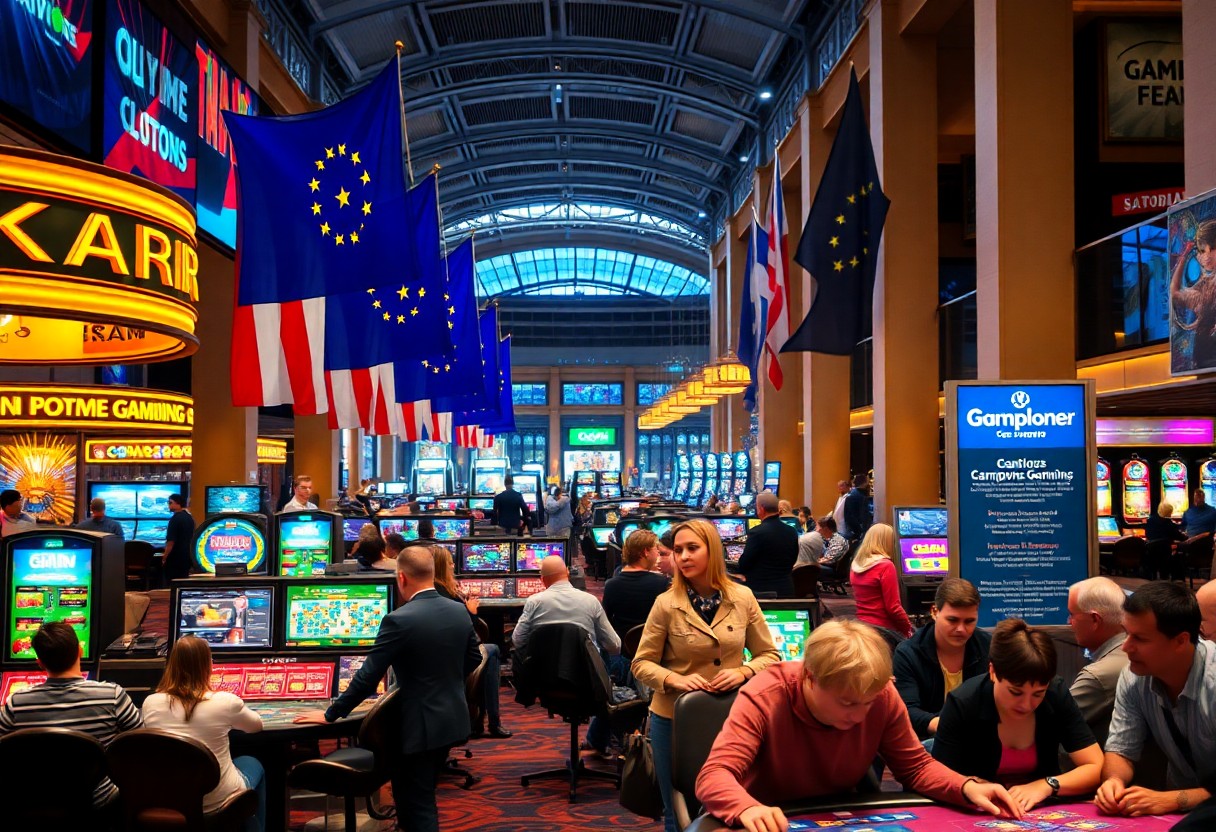
You may be surprised to learn that the European Union has a complex and nuanced approach to gambling as a service, particularly under the principles of free movement. This regulation aims to ensure that gambling services can operate across member states while addressing varying national laws and consumer protection standards. Exploring the intersection of EU regulations and member state policies reveals the balancing act between promoting market access and safeguarding public interest, illuminating the challenges and opportunities for businesses and consumers alike in the evolving gambling landscape.
Key Takeaways:
- The EU's approach to gambling treats it as a service under the principle of free movement, allowing operators to offer services across member states.
- Member states retain the right to regulate gambling within their own borders, leading to diverse regulatory frameworks across the EU.
- Restrictions on gambling services must be justified by public policy objectives, such as consumer protection and preventing gambling addiction.
The Concept of Gambling as a Service
Definition and Characteristics of Gambling Services
Gambling services encompass various activities where individuals bet money or valuables on uncertain outcomes, typically regulated by national laws. Key characteristics include the reliance on chance, the potential for financial return, and accessibility via both physical venues and online platforms. These services often incorporate bonus offerings, user interfaces, and customer support to enhance the player experience, reflecting the product-oriented nature of gambling.
The Importance of Gambling in the EU Economy
Gambling significantly contributes to the EU economy, generating substantial revenue and employment. In 2022, the online gambling market in Europe was valued at approximately €20 billion, representing a growing sector fueled by technology and consumer demand. This revenue supports public finances through taxation and contributes to jobs in various industries including technology, marketing, and hospitality.








The economic impact of gambling extends beyond direct revenue. It influences tourism as many EU destinations have established casinos and resorts attracting visitors. Furthermore, the gambling sector stimulates innovation in digital services, resulting in advancements in payment solutions and cybersecurity. The regulatory frameworks that govern these services facilitate a safe environment for players while ensuring consumer protection and responsible gaming practices, which ultimately fosters sustainable growth in the industry.
Legal Framework Governing Gambling in the EU
EU Treaties and Gambling Regulations
The primary legal framework governing gambling in the EU derives from the EU Treaties, particularly Article 56 of the Treaty on the Functioning of the European Union (TFEU), which guarantees the free movement of services. This article allows service providers, including online gambling operators, to offer their services across member states. However, this principle is tempered by the recognition of each member state's autonomy to regulate gambling activities according to their national interests, leading to significant variations in how gambling is treated across the EU.
National Laws: A Patchwork of Regulations
Member states maintain the authority to legislate gambling activities, resulting in a diverse and fragmented regulatory landscape. While some countries, like Malta and the UK, have developed comprehensive legal frameworks for online gambling, others impose restrictive measures or outright bans. This inconsistency not only complicates compliance for international operators but also challenges the principles of the single market, raising questions about the balance between national interests and EU-wide regulations.
For instance, Germany operates under a complex system where each federal state establishes its own rules, leading to a confusing array of laws that can differ significantly in licensing requirements and operational conditions. In contrast, countries such as Sweden have embraced a more structured approach, recently overhauling their regulations to promote safe gambling while allowing competition. Such disparities create significant barriers for operators seeking to navigate cross-border services, making the regulatory environment unpredictable and often burdensome.
Free Movement of Services in the EU
The Principles of Free Movement
The principle of free movement of services allows providers to offer their services across EU member states without unjustified restrictions. This includes the facilitation of gambling services, where operators can extend their offerings across borders while adhering to national regulations. The overarching goal is to promote competition and consumer choice, enabling businesses to capitalize on diverse markets while respecting local laws.
Case Studies: Key Court Rulings Impacting Gambling Services
Several landmark rulings by the European Court of Justice (ECJ) have significantly influenced the regulation of gambling services within the EU. These cases reflect the balancing act between allowing free movement of services and upholding member states' regulatory interests. Notable decisions such as the Zenatti, Gambelli, and Dickinger cases illustrate the court's evolving stance on gambling, offering vital precedents for operators seeking to navigate cross-border service provisions.
- Case C-67/98 (Zenatti): Established the need for justification of restrictions on free movement, influencing Italian gambling laws.
- Case C-243/01 (Gambelli): Confirmed that national regulations must be proportionate and not discriminate against foreign operators, affecting several EU states.
- Case C-42/07 (Dickinger): Clarified principles regarding the protection of consumers while examining the scope of national barriers against EU providers.
- Case C-262/02 (Crimea): Supported the view that national law should not impose excessive limitations hindering cross-border services.
- Case C-456/11 (Betfair): Affirmed the right for operators to offer cross-border services while also reviewing licensing frameworks.
The Role of National Sovereignty in Gambling Policy
Balancing Free Movement with Public Interest
National governments often face the challenge of balancing the EU's principles of free movement with the need to protect public interest. While the EU promotes the ease of cross-border gambling services, member states implement regulations to address issues such as addiction, underage gambling, and consumer protection. These national measures can lead to tensions between safeguarding citizens and adhering to EU laws, necessitating ongoing dialogue to achieve a harmonious balance.
The Impact of National Regulations on Cross-Border Gambling
National regulations significantly influence how cross-border gambling is operated within the EU, leading to a fragmented market. Each member state varies in its approach to licensing, taxation, and enforcement, resulting in discrepancies that can create barriers for operators. For instance, some countries restrict online gambling platforms to domestic providers, while others may have lenient licensing processes encouraging international operators. This inconsistency affects consumer access and shapes the competitive landscape across the EU.
As member states establish their individual gambling frameworks, the impact on cross-border services becomes evident. Operators frequently need to navigate a patchwork of regulations, which can deter entry into particular markets. For example, the UK's liberal approach contrasts sharply with stricter regulations in countries like Hungary or Poland, leading to complexities in compliance and variation in user experience. Furthermore, discrepancies in taxation can incentivize operators to target markets that offer more favorable conditions, ultimately limiting consumer choice in less liberal jurisdictions.
Issues and Challenges in Online Gambling Services
Consumer Protection and Regulation
Consumer protection in online gambling varies significantly across EU member states, resulting in inconsistent regulations. While some countries enforce strict measures like age verification and self-exclusion tools, others lack sufficient safeguards. Inconsistent regulation can lead to exploitation of vulnerable consumers and hampers cross-border operations; thus, establishing a unified framework could enhance consumer trust and safety.
Tackling Problem Gambling: National vs. EU Approaches
Different EU nations implement diverse strategies to address problem gambling, reflecting their cultural attitudes and regulatory philosophies. Countries like Sweden emphasize prevention through education, while others may focus on treatment and support services. The lack of a cohesive EU-wide strategy complicates efforts to share best practices and implement effective solutions.
For instance, Sweden's model includes mandatory self-exclusion programs and a dedicated national gambling helpline, demonstrating a proactive stance. In contrast, Malta's approach heavily relies on the individual operators to police themselves, leading to variable efficacy. This disparity not only impacts consumer welfare but also impedes collaborative measures across borders, highlighting the need for a standardized approach to tackle problem gambling effectively within the EU context.
Recent Developments and Trends in EU Gambling Regulation
Harmonization Efforts and Legislative Changes
In recent years, the EU has prioritized harmonization in gambling regulation, aiming for a more unified approach across member states. The European Commission is actively monitoring national laws to ensure compliance with EU principles, promoting transparency and player protection. Recent proposals have sought to address discrepancies, such as the regulation of online gambling and consumer rights, setting a foundation for a more coherent framework that aligns national interests with EU objectives.
The Future of Gambling Services in Light of Technological Advancements
Technological innovations, particularly in blockchain and artificial intelligence, are poised to transform gambling services within the EU. These advancements promise enhanced security, streamlined operations, and personalized gaming experiences. The integration of these technologies may also drive regulatory adaptations, as authorities seek to address challenges such as data protection and responsible gambling practices.
The rise of mobile and online gambling platforms has led to a significant increase in user engagement, with the European gambling market projected to exceed €30 billion by 2025. As operators adopt advanced analytics and AI-driven tools for better customer insights, regulatory bodies are focusing on ensuring that technological growth does not compromise consumer safety. Initiatives are emerging to incorporate smart contracts and digital identity verification to enhance accountability and reduce fraud, shaping a forward-thinking regulatory landscape that can accommodate rapid technological evolution while safeguarding stakeholders.
Summing up
With this in mind, the EU's treatment of gambling as a service under the principle of free movement emphasizes the balance between consumer protection and the internal market's integrity. Member states possess the autonomy to regulate gambling within their jurisdictions, yet they must also respect the rights of operators to provide services across borders. This dynamic fosters a competitive environment while ensuring that regulations meet the necessary standards for safety and fairness. Ultimately, the EU framework aims to harmonize regulations while allowing flexibility for member states to address their unique contexts.
FAQ
Q: How does the EU define gambling as a service?
A: The EU defines gambling as a service based on the principles of the Services Directive, which includes the provision of activities like betting, lottery, and gaming, performed via digital platforms or physical locations.
Q: What is the impact of the free movement of services on gambling?
A: The free movement of services allows gambling operators from one EU member state to provide their services in another member state, subject to local regulations, fostering competition and consumer choice.
Q: Are there any limitations to the free movement of gambling services in the EU?
A: Yes, limitations exist as member states can impose restrictions to protect public order, prevent crime, or address public health concerns, provided these measures are not discriminatory or overly restrictive.
Q: How do EU regulations address online gambling?
A: EU regulations recognize online gambling as a service, requiring member states to ensure that online gambling operators comply with national laws while allowing cross-border access, promoting consumer protection and safe gaming.
Q: What role does consumer protection play in EU gambling regulations?
A: Consumer protection is vital, with EU regulations mandating member states to implement measures ensuring fair play, transparency, and responsible gaming practices in both online and offline gambling sectors.

Ash
I like to keep it short. I am a writer who also knows how to rhyme his lines. I can write articles, edit them and also carve out some poetic lines from my mind. Education B.A. - English, Delhi University, India, Graduated 2017.
Related Posts

Vyking integrates Xtremepush CRM tools for global iGaming operators
September 23, 2026
Vyking builds its own sportsbook on FIRST.bet’s SportOS
September 21, 2026

Germany’s gambling blocking system struggles with obvious targets
September 19, 2026
Gambling Commission reports growth across Great Britain’s gambling market
September 18, 2026
GGL gambling enforcement raises questions over licence transparency
September 7, 2026

German gambling safeguards face test over cash-funded betting wallets
September 3, 2026