EU publishes high-risk country list for 2025 compliance
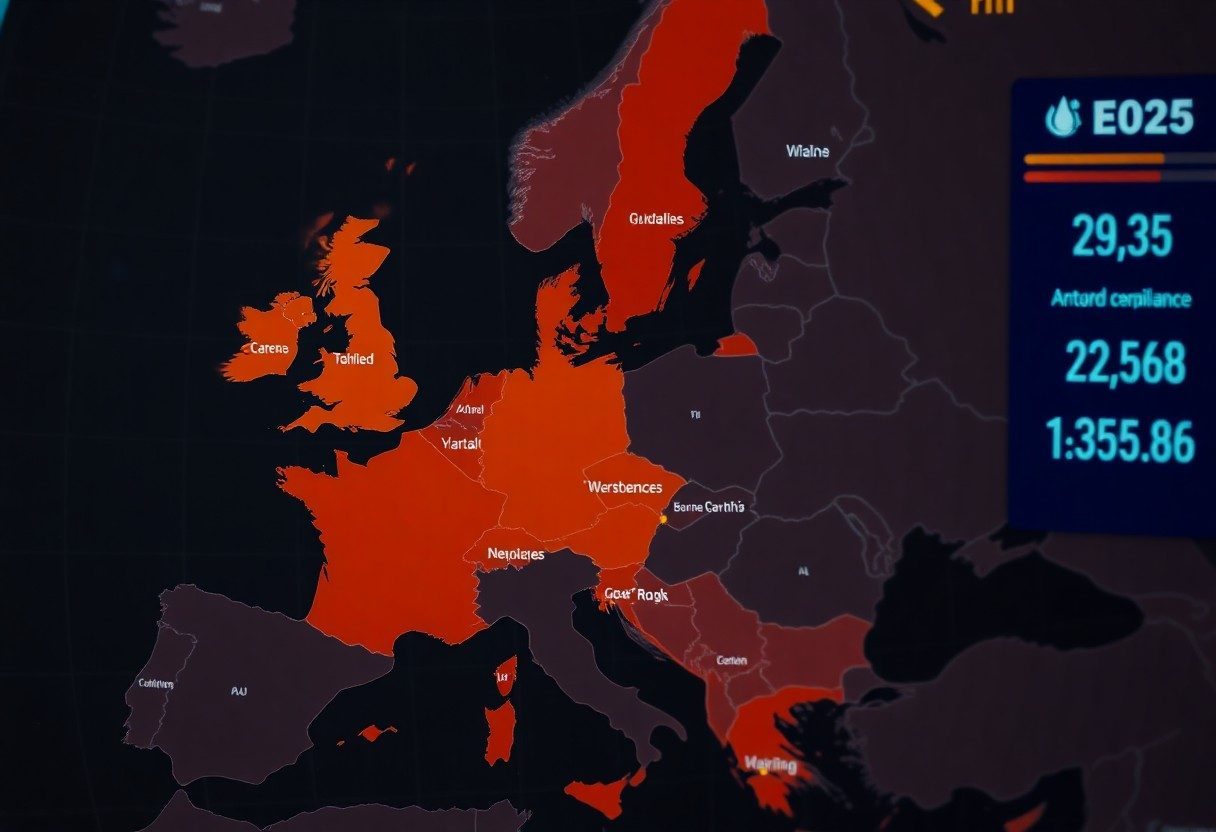
Risk management is imperative in international trade and finance, and the European Union's latest publication of its high-risk country list serves as a key compliance measure for 2025. This list identifies nations with significant vulnerabilities to money laundering, terrorism financing, and other financial crimes, impacting how businesses and financial institutions must conduct their operations. By analyzing the updated criteria and affected countries, stakeholders can better prepare for regulatory changes and ensure alignment with EU standards in safeguarding the integrity of the financial system.
The EU's Regulatory Landscape: Analyzing the Shift
Historical Context: Past High-Risk Country Lists
Historically, the EU has published high-risk country lists to combat money laundering and terrorist financing. These lists evolve periodically, reflecting geopolitical dynamics and compliance efforts. For instance, the 2018 list included nations such as North Korea and Iran, emphasizing their significant deficiencies in anti-money laundering frameworks. Data from the European Commission illustrates that the number of countries labeled as high-risk has fluctuated, tailoring the EU's focus to emerging threats and compliance challenges.
The Rationale Behind Compliance Changes
The EU's compliance changes stem from evolving global risks, including cyber threats and geopolitical tensions. Increased financial transparency demands necessitate a responsive regulatory approach. Failure to adapt may expose the EU to financial crimes, leading to economic instability and legal repercussions for financial institutions. The EU's decision-makers aim to enhance both domestic and international credibility, ensuring compliance frameworks align with global best practices.





















In previous years, factors such as increased migration, trade disputes, and technological advancements have shifted the focus of regulations. Countries like Turkey and the Philippines have risen and fallen on the list based on their regulatory enhancements or lack thereof. The modified risk assessments aim to address not only the current perception of risk but also the actual effectiveness of a country's legislation against financial crimes, integrating a thorough review process that incorporates recent developments and compliance statistics.
Decoding the 2025 High-Risk Country Criteria
Key Indicators of High-Risk Status
High-risk status is primarily determined by factors such as political instability, economic turbulence, and inadequate regulatory frameworks. Countries exhibiting high levels of corruption, poor governance, or ongoing conflicts are typically flagged. Additionally, metrics from organizations like the Financial Action Task Force (FATF) and transparency indices contribute to these assessments, providing quantitative benchmarks that delineate risk levels across nations.
The Role of International Cooperation in Assessment
International collaboration is crucial for accurately identifying and evaluating high-risk countries. Mechanisms such as data sharing among nations and coordination with global financial institutions ensure a comprehensive understanding of risks. This collective effort enhances the legitimacy of assessments, improving compliance accuracy and enhancing the effectiveness of the regulatory frameworks that govern international finance.
Effective international cooperation involves regular dialogue and engagement among countries, allowing them to align on definitions of high-risk indicators. For instance, joint assessments conducted by the EU alongside organizations like the IMF and World Bank facilitate a more nuanced view of geopolitical and economic dynamics. Countries that partake in these collaborative evaluations not only bolster their compliance strategies but also gain insights into best practices, fostering a global environment resilient to financial crime and instability.
Economic Implications of High-Risk Classification
Impact on Trade Relationships and Bilateral Agreements
The classification of countries as high-risk by the EU affects trade relationships significantly, often leading to increased scrutiny and compliance requirements. Countries on the list may experience reduced export activities due to heightened regulatory hurdles, while EU member states may reconsider existing bilateral agreements. This mistrust can slow down trade negotiations and strain economic ties, as seen in past scenarios involving nations like Turkey and Ukraine.
Long-term Effects on Investment Flows
Investment flows into countries classified as high-risk are likely to diminish, as investors prioritize jurisdictions perceived as stable and compliant. Over time, this reduced capital influx can lead to stagnation in growth and innovation within these economies. Moreover, multinational companies often look for safer havens for their investments, increasing the competitive disadvantage for high-risk nations.
For instance, following their placement on high-risk lists in previous years, countries such as Nigeria and Pakistan witnessed a sharp decline in foreign direct investment (FDI), with reports indicating drops of up to 30% in specific sectors. This trend not only affects immediate investment but also long-term economic stability, as lack of funding hampers vital infrastructure development and the creation of jobs. Countries must then pursue extensive reforms to rebuild investor confidence and re-establish favorable conditions for economic growth.
Compliance Obligations for Businesses Operating in High-Risk Countries
Enhanced Due Diligence Requirements
Businesses must implement enhanced due diligence (EDD) measures when engaging with high-risk countries. This includes thorough background checks on clients and partners, in-depth analysis of the source of funds, and continuous monitoring of transactions. For instance, financial institutions often rely on advanced technologies and data analytics to scrutinize transactions more rigorously, ensuring that any anomalies trigger immediate assessments. Enhanced measures are imperative to mitigate risks related to corruption, money laundering, and terrorism financing prevalent in these regions.
The Consequences of Non-Compliance
Failure to comply with EDD requirements can lead to severe repercussions including hefty fines, sanctions, and reputational damage. Regulatory bodies may impose penalties reaching millions of euros, and businesses could face operational restrictions or be banned from specific markets altogether. High-profile cases, such as that of a global banking institution fined $1.8 billion for inadequate anti-money laundering measures, illustrate the financial and operational risks associated with non-compliance.
Non-compliance not only attracts regulatory penalties but can also result in loss of business opportunities and partnerships. Companies engaging in international trade might find themselves excluded from contracts or investments due to perceived risks in governance and compliance. Additionally, stakeholders and consumers are increasingly drawn to businesses that demonstrate ethical practices, meaning that the failure to adhere to compliance can lead to diminished trust and loyalty, impacting long-term profitability and market standing.
Navigating Financial Transactions: New Challenges Ahead
Increased Scrutiny from Financial Institutions
Financial institutions are tightening their compliance frameworks as the list of high-risk countries intensifies. Enhanced Know Your Customer (KYC) protocols are now standard practice, requiring deeper investigations into client transactions and backgrounds. Consequently, banks may impose stricter limits on transactions involving high-risk jurisdictions, potentially delaying processes and increasing operational costs.
The Role of Technology in Risk Mitigation
Technological innovations play a significant role in managing the complexities of compliance with high-risk country classifications. Solutions such as machine learning algorithms and advanced data analytics facilitate real-time monitoring and risk assessment, enabling institutions to swiftly identify potentially suspicious activities and comply with regulatory requirements effectively.
For instance, machine learning models can analyze transaction patterns and flag anomalies that might indicate illicit activities tied to high-risk countries. Tools like automated risk assessment platforms reduce manual workloads while enhancing accuracy, allowing compliance teams to respond promptly to emerging threats. This integration of technology not only streamlines processes but also fosters a proactive approach to risk management, safeguarding institutions in an evolving regulatory environment.
Comparative Analysis: EU vs. Global Perspectives on High-Risk Countries
| Region | Criteria for High-Risk Classification |
|---|---|
| EU | Focuses on money laundering, terrorism financing, and significant deficiencies in national AML frameworks. |
| USA | Emphasizes a broader set of risk factors including geographic indicators, sanctions, and international cooperation. |
| Asia-Pacific | Prioritizes corruption indices, political stability, and regulatory environments in risk assessments. |
| Middle East | Factors in geopolitical tensions and compliance with international standards on terrorism financing. |
How Other Regions Approach High-Risk Classifications
Approaches to high-risk classifications vary significantly across regions. The USA utilizes a combination of geographic and behavioral risk factors, while Asia-Pacific countries often consider political stability and corruption levels as primary indicators. The Middle East incorporates the influence of geopolitical tensions alongside compliance with international standards, reflecting regional priorities and challenges in financial integrity.
Best Practices for Local Adaptation in Various Markets
Adapting to local market conditions is necessary for effective compliance and risk management. Businesses should conduct thorough market assessments to tailor their anti-money laundering (AML) strategies, considering local regulations, cultural nuances, and industry standards. Collaborating with regional experts can enhance understanding of specific risks, ensuring compliance measures align effectively with localized requirements.
Aligning compliance measures with local conditions requires businesses to embrace flexibility and foster relationships with local regulatory bodies. Comprehensive training for staff to understand local AML regulations and engagement with community stakeholders are necessary. Utilizing technology for real-time data analysis and risk assessment can also enhance adaptability. Each market has unique challenges; therefore, strategies must be continuously assessed and refined to maintain compliance and mitigate risks effectively.
Preparing for Change: Strategies for Businesses
Risk Assessment and Management Frameworks
Establishing a robust risk assessment and management framework is vital for businesses navigating the complexities of high-risk countries. This framework should encompass regular risk evaluations, detailed threat analyses, and tailored mitigation strategies. Leveraging technologies like AI and machine learning can enhance predictive capabilities, allowing organizations to swiftly adapt to emerging risks while staying compliant with evolving EU regulations.
Building Resilience in Global Supply Chains
Strengthening resilience within global supply chains is vital for businesses operating in high-risk environments. Diversification of suppliers and logistics partners minimizes dependency on any single source, while investment in local partnerships can enhance responsiveness. Scenario planning and stress-testing supply chains against potential disruptions also foster adaptable operations that can withstand geopolitical changes.
Creating robust relationships with multiple suppliers not only reduces risks but also increases flexibility in procurement. Businesses should focus on developing an agile supply chain by integrating technology such as blockchain for transparency and traceability. For instance, companies that adopted multi-tier supplier monitoring were able to identify vulnerabilities quickly, enabling them to pivot operational strategies efficiently in response to the dynamics of high-risk environments, as evidenced during recent global disruptions.
The Broader Implications for Global Governance and Policy
Strengthening International Standards
The EU's high-risk country list reinforces the call for global standards in financial conduct and anti-money laundering practices. Countries identified as high-risk face pressure to elevate their compliance frameworks, thus aligning with international norms. This initiative can lead to improved regulatory coherence across borders, as nations work to enhance their systems to avoid economic isolation and foster more robust trading partnerships.
Addressing Root Causes of High-Risk Designations
Understanding the underlying issues that lead to high-risk designations is imperative for crafting effective policy responses. Many countries on the list grapple with governance challenges, lack of transparency, and systemic corruption that hinder financial integrity. A multifaceted approach addressing these root causes, rather than merely applying punitive measures, can lead to sustainable improvements in compliance and international cooperation.
Addressing root causes requires targeted interventions focusing on governance, capacity building, and stakeholder engagement. For example, investing in local institutions to bolster the rule of law and enhance anti-corruption mechanisms can create an environment conducive to compliance. Furthermore, international development assistance aimed at improving education and economic opportunities can reduce the vulnerabilities that contribute to higher risks in the first place. Multilateral collaboration is key, as it allows for shared resources and best practices to tackle these complex challenges effectively.
Final Words
Conclusively, the European Union's publication of the high-risk country list for 2025 compliance underscores its commitment to enhancing financial security and regulatory oversight. This list serves as a pivotal tool for institutions to identify and mitigate risks associated with transactions involving countries deemed at elevated risk of money laundering and terrorist financing. By aligning with these standards, the EU aims to strengthen the integrity of its financial systems and foster greater international cooperation in combating financial crimes.
FAQ
Q: What is the purpose of the EU's high-risk country list for 2025 compliance?
A: The high-risk country list aims to identify nations that pose significant risks in terms of money laundering and terrorist financing. It helps EU member states enhance their monitoring and regulatory measures for financial transactions involving these countries.
Q: How are countries selected for inclusion on the high-risk country list?
A: Countries are assessed based on various criteria, including their anti-money laundering frameworks, levels of corruption, and overall effectiveness in combating financial crimes. This evaluation is conducted by the European Commission in collaboration with relevant EU agencies.
Q: What implications does the high-risk country list have for businesses and financial institutions?
A: Businesses and financial institutions engaging with entities in listed countries will face heightened due diligence requirements. They must implement more stringent measures to assess and mitigate risks associated with financial transactions involving these jurisdictions.

Claire
A highly motivated, results-driven, enthusiastic and ambitious writer. I can offer you well researched and high-quality article writing on any topic for your website or blog and can as well re-write your existing web content.
Related Posts




Italy reconsiders gambling ad ban to boost football funding
April 10, 2026

KSA flags Unibet operator Optdeck for AML non‑compliance
April 10, 2026